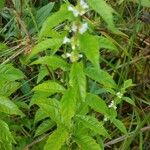
Lycopus rubellus
Taper-Leaf Water-Horehound · Taperleaf water horehound · Stalked Water-horehound · Stalked Bugleweed · Taper-leaved Bugleweed
Description
Source: wikipedia (CC BY-SA)Lycopus rubellus, commonly known as taperleaf water-horehound, is a species of flowering plant in the mint family (Lamiaceae). It is a perennial herb native to parts of the United States, where it occurs in wetland and riparian habitats.
Care Guide
💧 Water
Taperleaf water horehound thrives in consistently moist conditions and prefers soil that remains evenly wet. It has moderate drought tolerance, but it's best to provide weekly watering to ensure adequate moisture. As an herbaceous perennial, it benefits from mulch, which helps retain soil moisture and regulate temperature.
☀️ Light Partial sun
Taperleaf water horehound naturally occurs in habitats like forest understories or rocky areas, where it receives natural shade. It prefers partial sun but can tolerate full sun or full shade, showing its adaptable, hardy character.
🌡️ Temperature 5–35°C
Taperleaf water horehound can tolerate a wide range of temperatures, but its distribution may still be restricted by different combinations of water and heat conditions. It does best in warm summer climates with sufficient rainfall or regular watering. Long periods of cloudy, rainy weather or prolonged high temperatures increase the likelihood of the plant dying. In winter, protecting it from cold can improve its survival rate.
💨 Humidity
🪴 Soil 6-8
🌱 Fertilizer
One fertilizer application in spring is generally enough for Taperleaf water horehound, though repeated feedings can boost growth. Apply fertilizer about once every month to a month and a half. Fertilizing improves the leaves' appearance and function, helping keep an even color and healthy texture. It also encourages root development and nutrient uptake, supporting long-term plant health.
🪴 Pot & Repot
✂️ Pruning
To care for taperleaf water horehound, begin by pruning in the early to late spring. Focus on removing any dead stems to improve airflow and reduce the risk of disease. Regular thinning helps promote healthy growth. However, avoid heavy pruning, as this plant has a slow recovery rate. By following these practices, you can maintain a healthy and robust plant throughout the season.
🌿 Propagating
🐛 Diseases & pets
☠️ Toxicity
Characteristics
- Plant Type
- Herb
- Life Cycle
- Perennial
- Genus
- Lycopus
- Family
- Lamiaceae
- Hardiness Zone
- 4-9
- Mature Height
- 30 cm to 76 cm
- Mature Spread
- 20 cm to 40 cm
- Leaf Color
- Green, Dark Green
- Leaf Type
- Deciduous
- Flower Color
- White
- Flower Size
- 0.25 cm to 0.51 cm
- Bloom Time
- Mid summer, Late summer, Early fall
- Planting Time
- Spring, Summer, Autumn
- Harvest Time
- Early fall, Mid fall