Lygeum spartum
Albardine · Lygeum · Esparto grass · Spanish grass hemp
Description
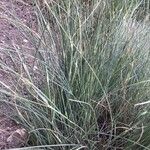
Source: leafsnapLygeum spartum, commonly known as esparto grass, is a perennial plant belonging to the family Poaceae. Native to the Mediterranean region, it is found in countries such as Spain, Portugal, Morocco, and Algeria. This plant features long, narrow leaves that can grow up to 60 cm in length. Its tough, wiry stems are ideal for weaving into baskets or making paper. Lygeum spartum is well adapted to arid environments characterized by low rainfall and high temperatures. It can thrive in poor soils, such as sandy or rocky terrains, making it valuable for soil conservation. Additionally, the plant has been traditionally used for its anti-inflammatory medicinal properties. In recent years, Lygeum spartum has caught the attention of researchers for its potential as a biofuel crop. Its high biomass production rate, combined with its ability to grow on marginal lands, makes it an attractive option for sustainable energy production. Overall, Lygeum spartum is a fascinating plant species with significant cultural and economic potential. Its ability to thrive in poor soil conditions, coupled with its medicinal properties and traditional uses in basketry and paper making, underscores its value within the Mediterranean region.
Care Guide
💧 Water Every 7 days
☀️ Light Full sun
Lygeum is a sun-loving perennial herb that originates in open habitats and is commonly found in meadows and grasslands. It prefers full sun but can also tolerate partial sun conditions.
🌡️ Temperature 15–37.8°C
Lygeum can tolerate a wide range of temperatures, but particular combinations of moisture and heat can still limit its distribution. It does best in warm summer conditions with sufficient rainfall or watering. Long periods of cloudy, rainy weather or extended high temperatures increase the chance of Lygeum dying. In winter, protecting it from cold improves its survival rate.
💨 Humidity
🪴 Soil 6-8
🌱 Fertilizer
Lygeum needs extra nutrients to encourage healthy new growth. In spring, spreading compost around the plant's base can effectively supply the nutrition it requires. Fertilizing supports vigorous growth and helps the plant resist diseases and pests.
🪴 Pot & Repot
✂️ Pruning
Lygeum is an ornamental grass characterized by its tufted foliage. To encourage growth, you should prune it in early spring by cutting it back to ground level. Regular pruning not only promotes healthy growth but also enhances air circulation and minimizes the risk of disease. Be sure to use sharp, clean tools for this task. Additionally, consult local horticultural guides for specific care recommendations tailored to your area.
🌿 Propagating
🐛 Diseases & pets
☠️ Toxicity
Characteristics
- Plant Type
- Grass
- Life Cycle
- Perennial
- Genus
- Lygeum
- Family
- Poaceae
- Hardiness Zone
- 8-11
- Mature Height
- 30 cm to 91 cm
- Mature Spread
- 30 cm to 61 cm
- Leaf Color
- Light Green
- Leaf Type
- Evergreen
- Flower Color
- Tan
- Flower Size
- 1.02 cm to 2.03 cm
- Bloom Time
- Mid spring, Late spring
- Planting Time
- Spring, Summer
- Harvest Time
- Early summer, Mid summer
- Native Area
- Libya, Egypt, Tunisia, Italy, Spain, Iran, Algeria, Greece, Morocco