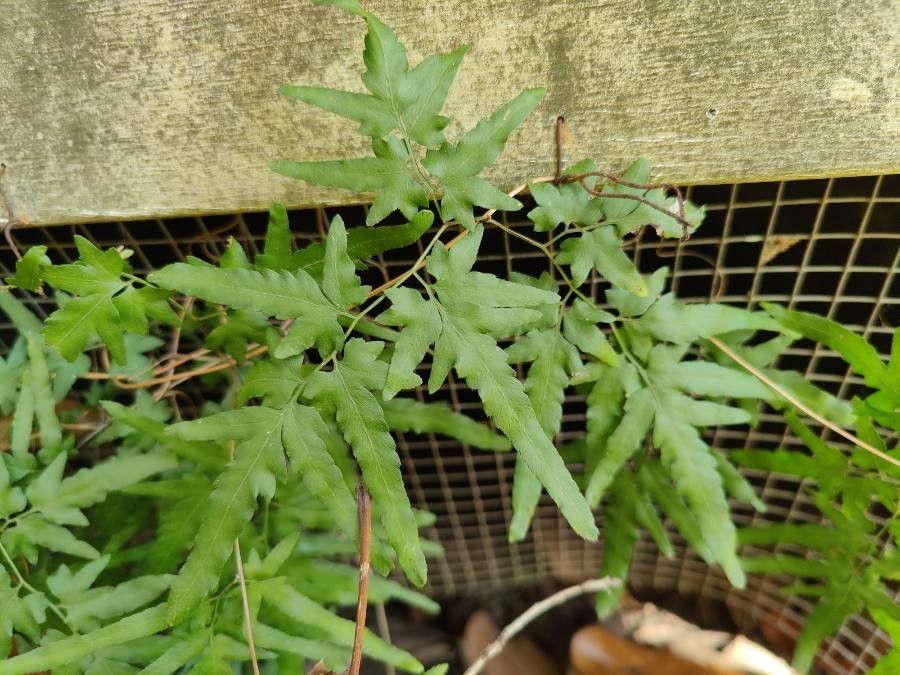
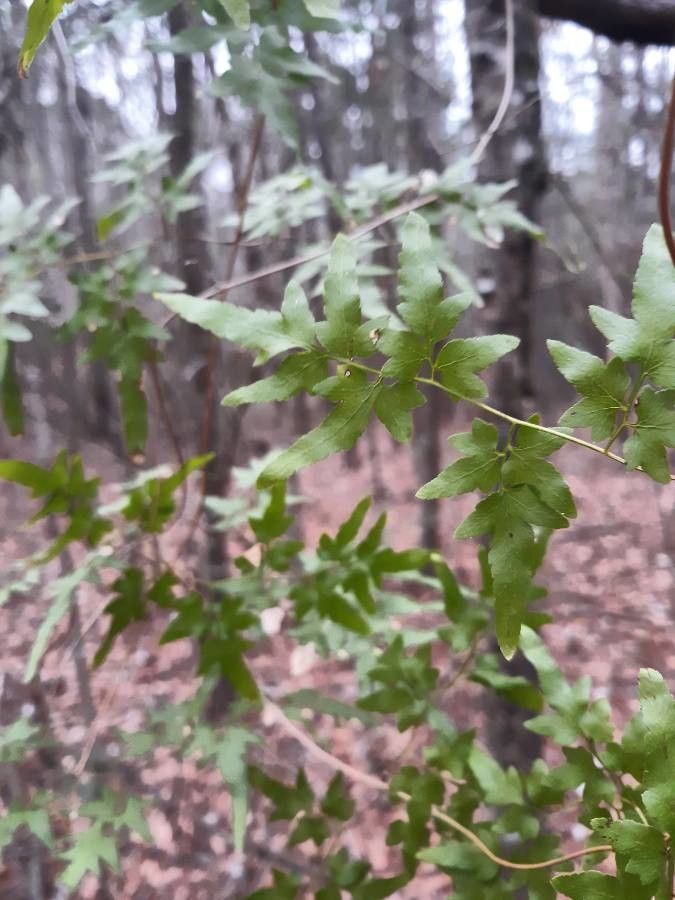
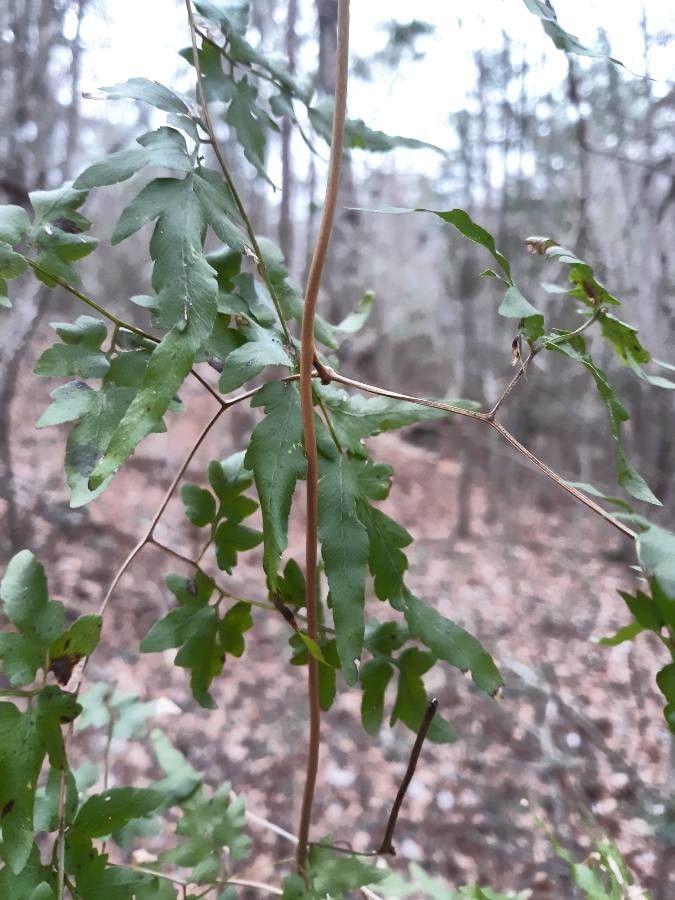
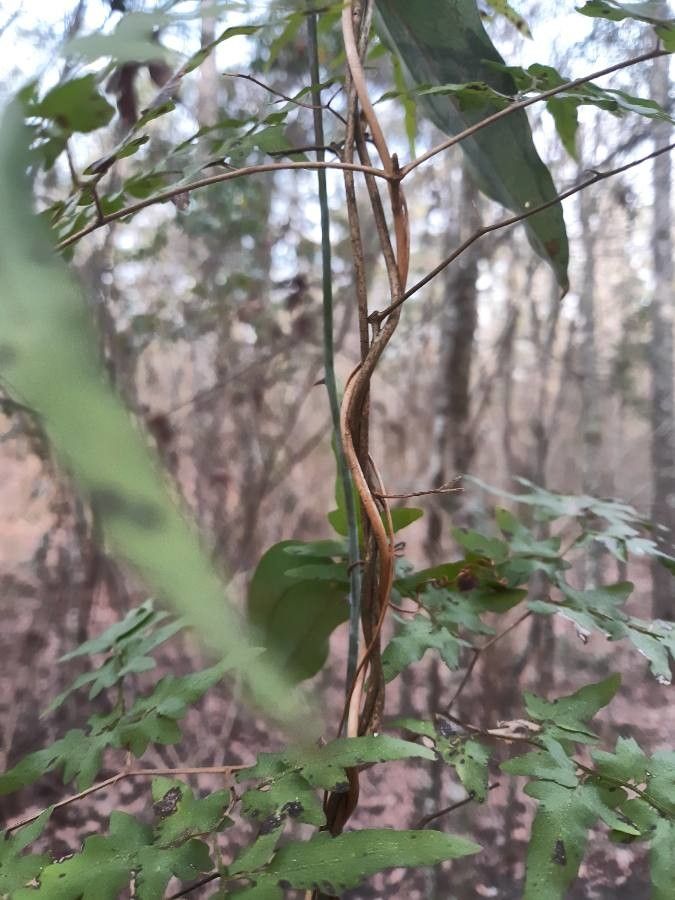
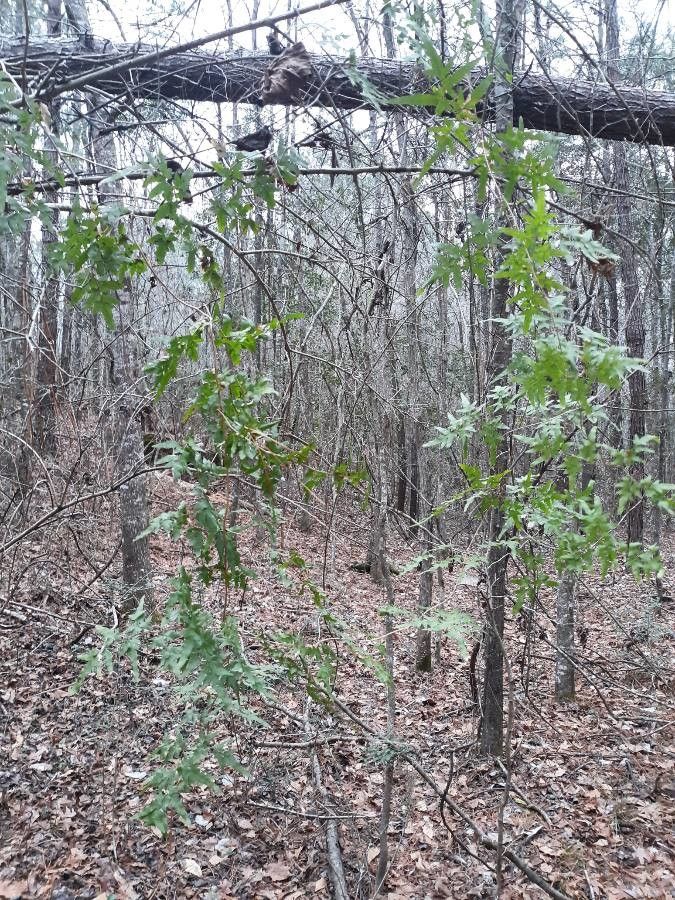
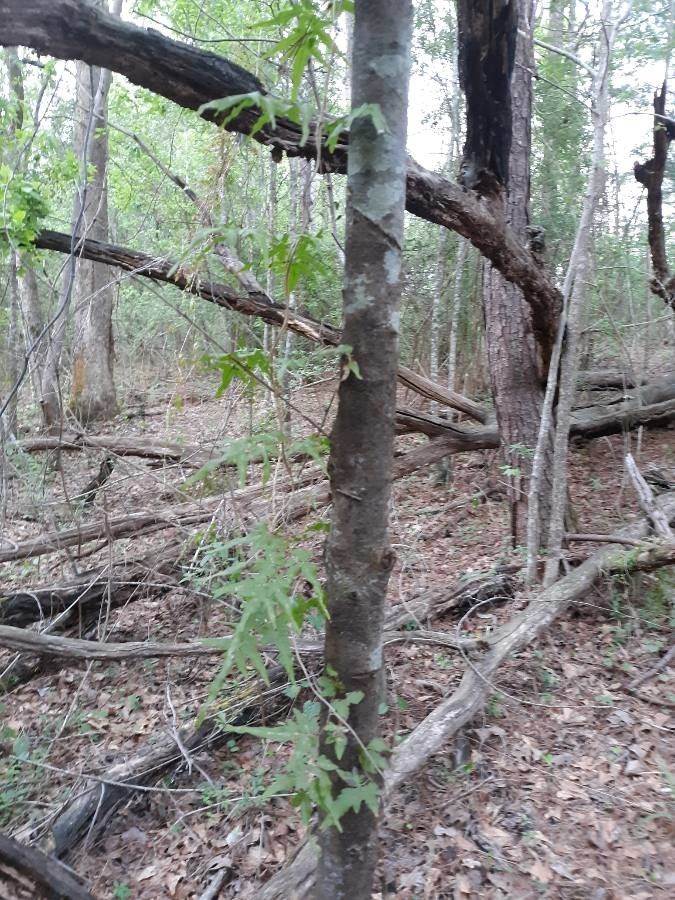
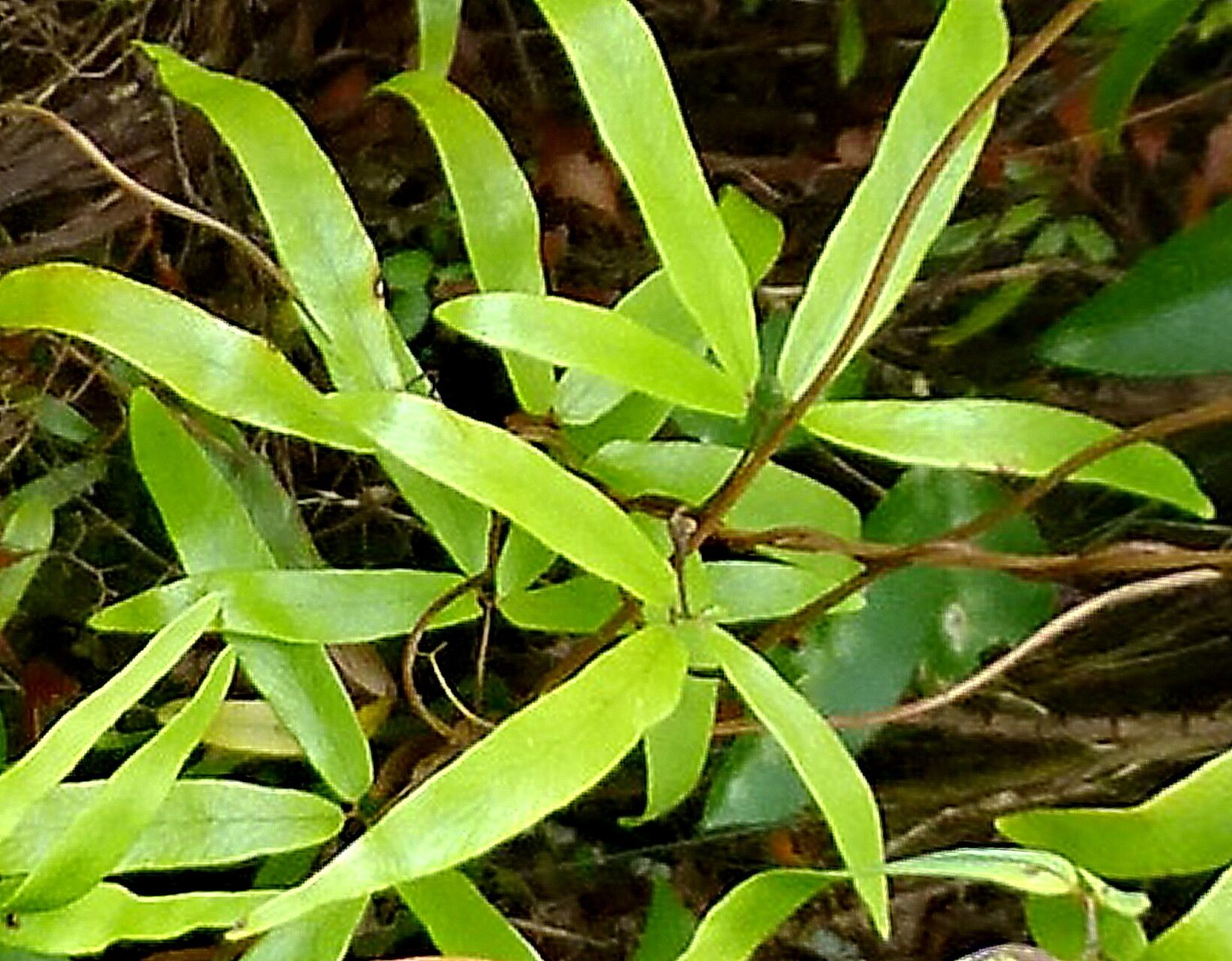
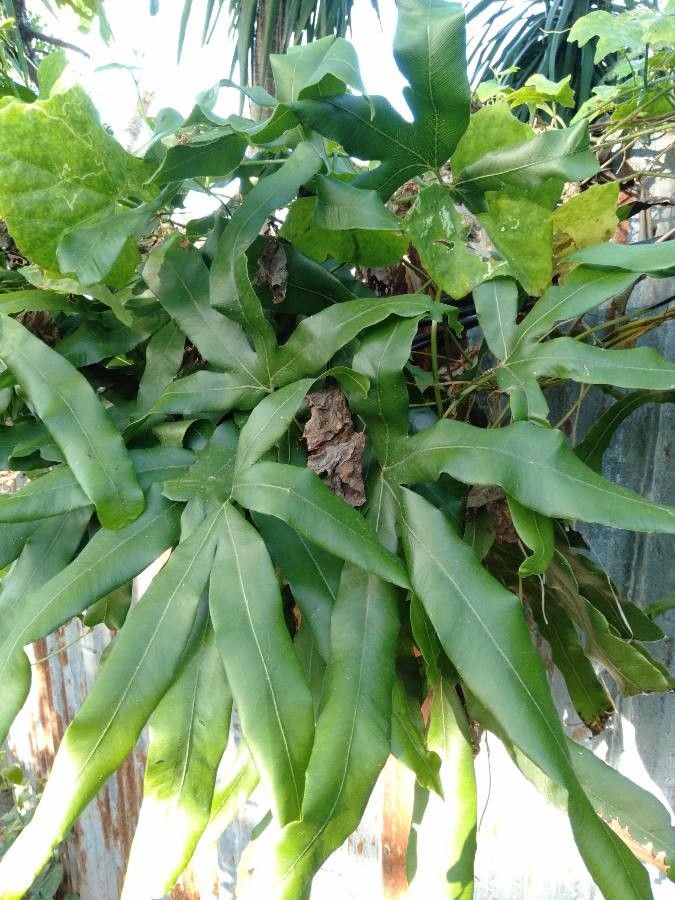
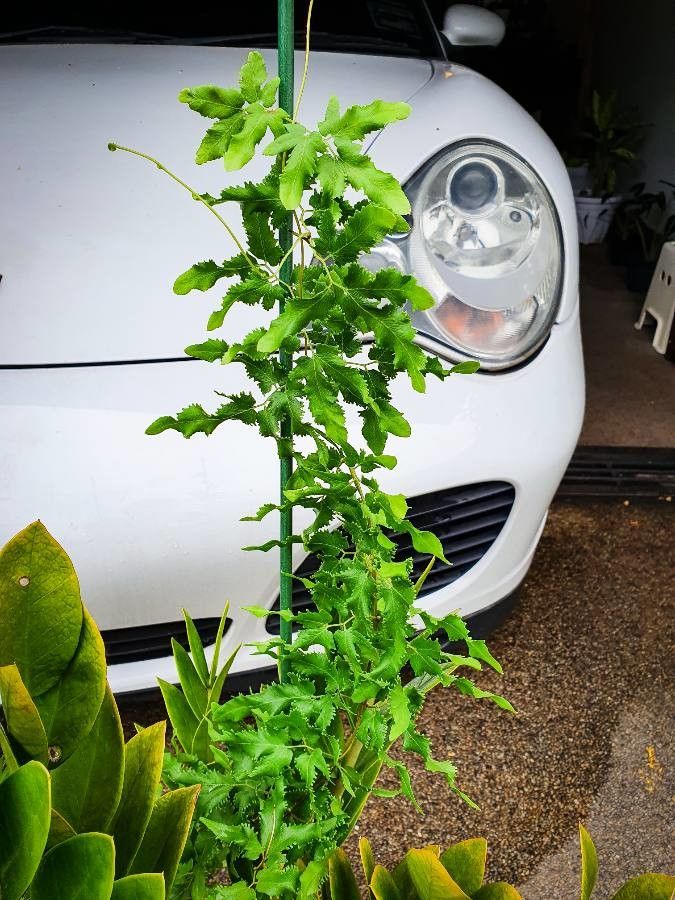
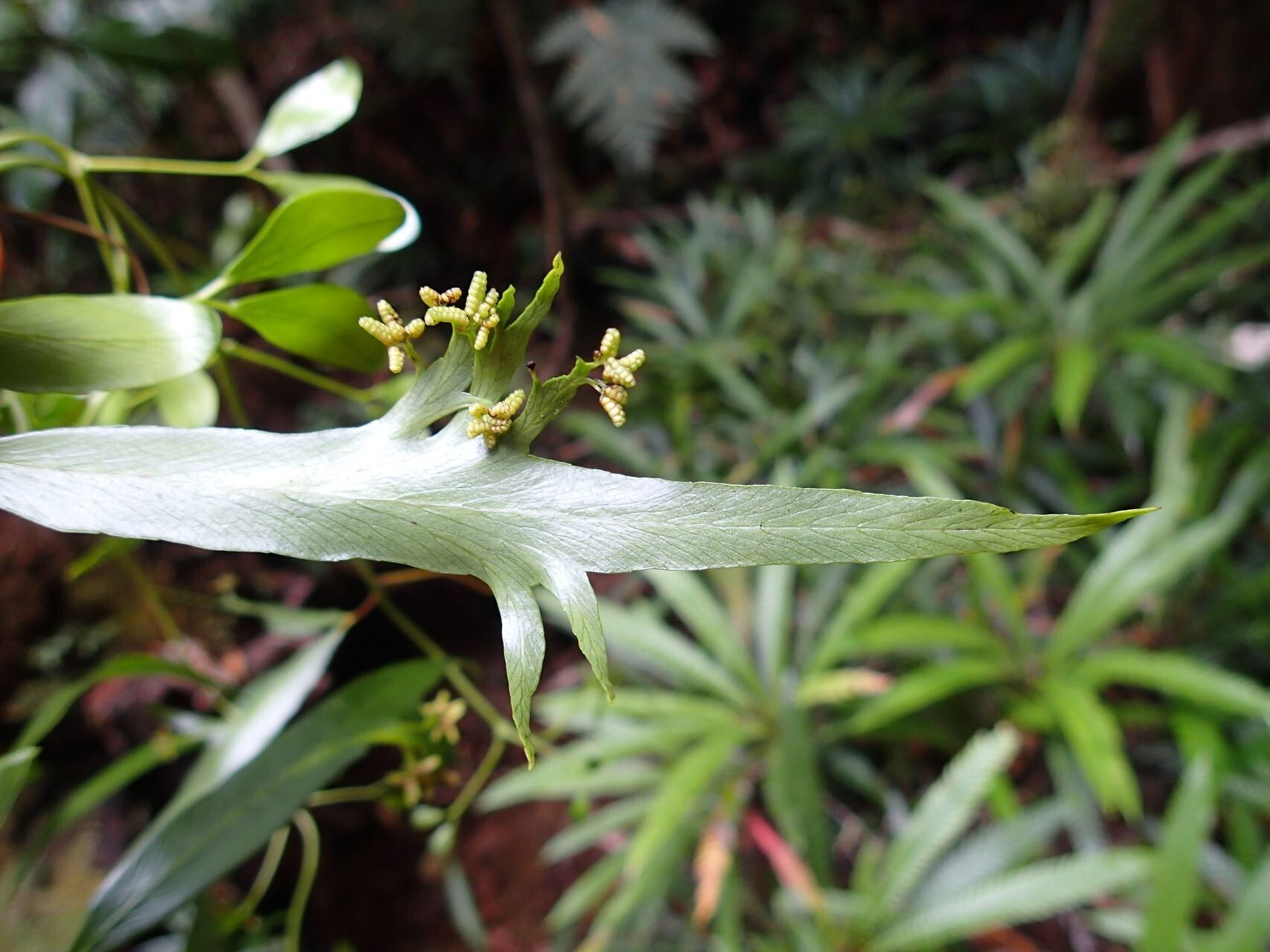
Lygodium palmatum, commonly known as the Japanese climbing fern, is a species of fern native to East Asia. This climbing plant can reach lengths of up to 10 meters and features long, slender fronds divided into numerous small leaflets. These fronds are light green and have a delicate appearance.
The Japanese climbing fern thrives in moist environments such as swamps, wetlands, and riverbanks, although it can also grow in drier areas provided it has access to water. The plant reproduces via spores produced on the undersides of its fronds.
While its unique appearance and ease of climbing walls or trellises might make it an appealing ornamental plant for some gardeners, it can also become invasive if not properly managed. In regions outside its native range, such as parts of North America, it has become an aggressive weed that outcompetes native vegetation.
Overall, Lygodium palmatum is a fascinating species with both positive and negative attributes depending on how it is used or managed within different environments.
The American climbing fern is fairly disease-resistant and is generally not prone to illnesses. However, it can be vulnerable to pests and diseases present in its surroundings. Such infections are usually not serious. For care, this plant needs moderate maintenance. It should be pruned regularly to preserve a good appearance and encourage healthy growth. Fertilizing can also help promote flowering. The American climbing fern is appropriate for anyone with an outdoor space, like a garden or patio, and does not require much care experience. It may need more attention when grown indoors.
How to keep Lygodium Palmatum.
Light
American climbing fern does well with frequent exposure to sunlight, yet can also tolerate inundation in sunny conditions. It comes from habitats where light and shade alternate, so it has adapted to variable light levels. Prolonged deficiency or excess of light may hinder its optimal growth.
Water
The American climbing fern flourishes in moisture-rich environments and needs consistent hydration. It thrives in evenly moist soil, so be sure to water it weekly to support lush growth. When adjusting outdoor irrigation practices, take into account its natural response to seasonal rainfall.
Temperature
American climbing fern originates from habitats with moderate temperature ranges of 41 to 90 °F (5 to 32 °C). It prefers these consistently warm conditions year-round. Changes in its care routine may be needed during extreme seasonal temperature fluctuations.
Fertilizer
Typically, one fertilizer application in spring is enough for American climbing fern, although several feedings can maximize growth. Fertilize about once a month to every six weeks. Feeding improves the leaves' appearance and function, helping maintain even color and a healthy texture. It also promotes root development and nutrient uptake for the plant's long-term health.
Pruning
The American climbing fern is a delicate plant that thrives in shady, moist environments. To maintain its health, prune it in early to late spring. This helps to remove dead fronds, control its spread, and encourage bushier growth. Be sure to use clean tools and make cuts above healthy nodes to stimulate new growth. This will also improve air circulation and reduce the risk of disease.
Botanical profile.
- Plant Type
- Herb, Vine
- Life Cycle
- Perennial
- Genus
- Lygodium
- Family
- Schizaeaceae
- Hardiness Zone
- 4-8
- Mature Height
- 1.83 m to 2.44 m
- Mature Spread
- 1.83 m to 2.44 m
- Leaf Color
- Green
- Leaf Type
- Evergreen, Semi-evergreen
- Planting Time
- Spring
Other names.
Reader questions.
How frequently should I water my American climbing fern?
If your American climbing fern is in a pot, the most precise way to determine if it needs water is by checking the soil. Plunge your finger into the soil and if the first two to three inches are dry, it's time to add water. If you have the American climbing fern planted outdoors in the ground, you can use a similar method. Once the first few inches of soil have dried out, it's time to water. Usually, during spring and early fall, watering once a week is sufficient. However, during extremely hot weather, you may need to increase the watering frequency to twice or more per week. It's worth noting that mature, well-established American climbing ferns have a remarkable ability to withstand drought.
What are the sunlight requirements for American climbing fern?
American climbing fern thrives under different light conditions, from full sun to partial shade. Full sun means the plant should receive more than 6 hours of sunlight daily, while partial sun refers to about 3-6 hours of sunlight. It's essential to note that the American climbing fern originates from environments with varying light and shade, making it adaptable to fluctuations in light. However, an extended lack or excess of light can impair its growth. Observing how sunlight moves through your garden will help in selecting the ideal location for your plants, ensuring a balance between light and shade for optimal growth.
What are the ideal temperature conditions for American climbing fern?
The American climbing fern thrives in moderate temperature ranges of 41 to 90 °F (5 to 32 °C), preferring stable warm conditions throughout the year. Although it has strong cold resistance, extreme seasonal temperature swings may require adjustments in care. It's important to note that special frost protection measures are typically not necessary due to the fern's cold resistance. However, if winter temperatures are expected to fall below -30°C, providing cold protection by covering the plant with materials like soil or straw is advised. To prevent drought and ensure the soil remains moist into winter, it's recommended to water the plant abundantly before the first freeze in autumn.
How do I water my American climbing fern throughout the year?
The American climbing fern has different water needs throughout the year. It requires the most water during the hottest months, typically in the height of summer. Depending on how quickly the soil dries out, you may need to water this plant more than once a week during this time. However, during winter, the plant goes into a dormant phase and requires significantly less water. In fact, you may not need to water it at all during the winter months. If you do choose to water it, make sure not to exceed once a month, as excessive watering during this time can increase the chances of the fern contracting a disease.
How does artificial lighting impact the growth of indoor American climbing ferns?
Indoor American climbing ferns require sufficient lighting to grow optimally, especially when natural sunlight is inadequate, such as during winter or in less sunny spaces. Artificial lighting can be a vital solution in these scenarios, promoting healthier and faster growth. LED lights are recommended for their ability to provide specific wavelengths needed by plants. The intensity of the artificial light required varies depending on the plant's natural sunlight needs; full sun plants need 30-50W/sq ft, partial sun plants need 20-30W/sq ft, and full shade plants need 10-20W/sq ft. The light source should be placed 12-36 inches above the plant to mimic natural sunlight, and most plants benefit from 8-12 hours of artificial light per day.
How does American climbing fern react to low temperatures?
American climbing fern is notably cold-tolerant, thriving best when temperatures are above 5°C. It should ideally be kept above -25°C during the winter months. If temperatures fall below -30°C, there might not be any noticeable changes during winter, but a decrease in sprouting or a complete lack of sprouting during spring is possible. The recommended solution for spring is to remove any parts of the plant that have failed to sprout, to encourage new growth and recovery.
What's the difference in how I should water my American climbing fern inside versus outside?
Growing the American climbing fern indoors is ideal for gardeners who do not live in temperate or tropical regions. However, it is important to note that soil in a container tends to dry out faster compared to ground soil. Additionally, the presence of drying elements like air conditioning units may require more frequent watering for the fern compared to if it were planted outside. In outdoor settings, there may be no need to water the fern very often, especially if regular rainfall occurs. On the other hand, for those growing the fern indoors, watering will need to be done more frequently since relying on rainwater to moisten the soil is not an option.
What are the symptoms of light deficiency or excess in American climbing fern?
When American climbing ferns grow under insufficient light, they may exhibit several symptoms indicating light deficiency, including smaller new leaves, leggy or sparse growth, faster leaf drop, slower or no new growth, and lighter-colored or pale new leaves. In contrast, excess sunlight can cause symptoms such as chlorosis (leaves turning yellow due to chlorophyll breakdown), sunscald (pale or necrotic spots on leaves or stems), leaf curling (leaves curling or twisting to minimize exposure), wilting (due to increased water loss), and leaf scorching (brown, dry edges on leaves). These symptoms highlight the plant's struggle to adapt to light conditions outside its tolerance range.
How does American climbing fern respond to high temperatures?
In the summer, it's crucial to keep the American climbing fern below 32°C, as temperatures exceeding 35°C can cause the leaves to lighten in color, curl, become prone to sunburn, and in severe cases, the entire plant may wilt and dry out. To help the fern cope with high temperatures, trim away any sunburned or dried parts of the plant. Moving the plant to a location that provides shade during the midday and afternoon hours, or using a shade cloth, can also offer relief. Additionally, watering the plant in the morning and evening to maintain soil moisture can further protect it from heat stress.
How should I water my American climbing fern?
To ensure the healthy growth of the American climbing fern, it is best to use filtered water at room temperature. Tap water can contain harmful particles that may affect the plant's well-being. Since the fern is native to warm environments, it is important to avoid using cold water, as it can be a shock to the plant. Additionally, overhead watering should be avoided, as it can cause issues with the foliage. Instead, it is recommended to water the plant by applying filtered room temperature water directly to the soil until it is completely soaked. This helps to moisten the roots and support their spread through the soil to absorb necessary nutrients.
How can you adjust the lighting conditions to promote the health of American climbing fern?
To optimize the growth of American climbing ferns, gradually adapt them to the desired light conditions. For indoor plants, shift them to progressively sunnier spots each week until they receive 3-6 hours of direct sunlight daily, or use artificial lighting if moving the plant is not feasible. Keep a desk or ceiling lamp on for at least 8 hours daily, or invest in professional grow lights. For outdoor plants, move them to sunnier locations gradually to prevent sunburn. If necessary, reduce sunlight obstructions by pruning nearby trees or, for smaller plants, consider transplanting them during their dormant period to a location with better sunlight and drainage. It's essential to make changes gradually to prevent stress and to ensure new growth is healthy.
What do I need to do if I give too much or too little water to my American climbing fern?
Overwatering and underwatering can harm your American climbing fern, but overwatering is a more common issue. When the plant gets too much water, its stems and leaves may wilt and turn yellow. This excessive watering can also cause diseases like root rot, mold, and mildew, which can be fatal for the plant. Underwatering is less common for the American climbing fern because it can tolerate drought fairly well. However, it is still possible, and you'll notice that the leaves become brittle and brown. It is important to notice signs of overwatering early on. Some diseases caused by overwatering, such as root rot, may be irreversible if not addressed promptly. If you see signs of overwatering, reduce your watering schedule immediately and check the soil drainage. If the soil drains poorly, replace it with a loose, well-draining potting mix. If you notice signs of underwatering, increase your watering frequency until the signs improve.