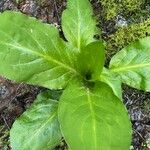
Lysichiton americanus
Western Skunk Cabbage · American skunkcabbage · Yellow Skunk-cabbage · Swamp cabbage · American Skunk-cabbage
Description
Source: leafsnapLysichiton americanus, commonly known as the American skunk cabbage, is a perennial herbaceous plant native to North America. As a member of the Araceae family, it can grow up to 1.5 meters tall and features large leaves that can reach up to 1 meter in length. This plant is known for its unusual and distinctive odor, which resembles that of skunk or rotting meat. This scent attracts pollinators such as flies and beetles. The flowers are yellow and are arranged on a spadix surrounded by a yellow-green spathe. The American skunk cabbage thrives in wetlands, including swamps, bogs, and marshes, where it enjoys moist soil conditions. It serves as an important food source for wildlife, such as bears, who consume the roots during hibernation. Despite its unpleasant odor, Lysichiton americanus has been used for medicinal purposes by Native Americans, who used it to treat various ailments including headaches and respiratory problems. Overall, Lysichiton americanus is a fascinating plant with unique characteristics that make it stand out among other wetland plants.
🎭 Fortune
Care Guide
💧 Water Every 7 days
Western skunk cabbage is native to the wetlands of North America and flourishes in consistently moist soil. To support its growth, it needs weekly watering, especially during dry spells. This adaptable herbaceous perennial depends heavily on the availability of water for its vitality.
What should I do if I give my Western skunk cabbage too much or too little water?
If you realize your Western skunk cabbage is not getting enough water, the first thing to do is to give it a good watering. Make sure to water it deeply until excess water comes out of the drainage hole. If you grow it outdoors, water until the soil is completely moist. On the other hand, if you notice that your Western skunk cabbage is getting too much water, start by watering it less frequently. You should also check the soil and the container it's planted in. If the soil or container doesn't allow for proper drainage, your plant will likely get overwatered again. To address this, consider using looser soil or a container with larger drainage holes or a more porous material. Additionally, check the location of your plant. If it's in a corner or an enclosed space, it's recommended to move it near a window or door to improve ventilation. Ensuring your plants are in a well-ventilated area can help prevent overwatering to some extent.
How do I water my Western skunk cabbage throughout the year?
The watering schedule for the Western skunk cabbage remains the same in spring and fall, with watering needed once a week. In summer, the hot weather may cause the plant to require more water, especially if it gets a lot of sunlight. During winter, the plant enters a dormant phase and needs less water, and you may not need to water at all. If you choose to water in winter, do so every two to three weeks at most.
How should I water my Western skunk cabbage?
Here are some easier-to-follow instructions for watering your Western skunk cabbage: 1. If you have your skunk cabbage in a small pot indoors, you can take it to the kitchen sink to water it. Simply use the faucet to add water to the pot. 2. Hold the pot in your hands and pay attention as you water. Once you see water start to flow out of the drainage holes in the bottom of the pot, you can stop watering. 3. It's important to note that watering this way should not be done in winter or cold climates, as the cold temperature can harm the plant's roots. 4. Normally, using your faucet to water the Western skunk cabbage is fine. However, if your tap water has a high level of fluorine, chlorine, or salts, it's better to use rainwater or lake water instead. 5. Another option is to water the skunk cabbage from above or directly into the soil using a watering can, hose, or any other tool you prefer. The plant will respond well to this method as well.
How frequently should I water my Western skunk cabbage?
The Western skunk cabbage doesn't need constant moisture in its soil. It's actually better to let the soil dry out between waterings. If you're growing this plant in a container, you can tell when it needs water by checking how dry the soil is. If about the top half of the soil is dry, it's time to water. You can check by feeling the soil with your fingers or using a soil moisture meter. If you're growing the Western skunk cabbage outdoors, you can plan to water it about once every other week, unless it has recently rained.
How much water does my Western skunk cabbage require?
To revive the dry soil surrounding the root of your Western skunk cabbage, start by letting the top half of the soil become dry. Then, add water to make the soil moist again. The amount of water needed depends on the size of your plant and the container you use. For a small plant in a small to medium-sized container, one to two cups of water should be enough. Increase the amount of water for larger plants. To ensure proper watering, check the soil by touching it with your finger or a trowel. If the soil feels moist, it has received enough water. Alternatively, you can water until excess water drains from the holes at the bottom of the container.
☀️ Light Full sun
Western skunk cabbage grows best in direct, full sunlight, encouraging vigorous development. Too much sun usually does not harm it. While it can survive in places with somewhat reduced sunlight, it is healthiest with plenty of light. Its native habitat offered abundant illumination.
What are the sunlight requirements for Western Skunk Cabbage?
Western Skunk Cabbage, known botanically as Lysichiton americanus, thrives best under full sun conditions, necessitating more than 6 hours of sunlight daily to ensure robust growth and health. It can, however, manage to grow in partial sun, with about 3-6 hours of sunlight. It's essential to observe the movement of sunlight through your garden to find spots that offer the ideal mix of light and shade, catering to the plant's needs for optimal growth. Although the plant is quite resilient to excessive sun exposure, ensuring it receives sufficient light is crucial for its well-being, mirroring its native habitat's abundant light exposure.
How can artificial lighting be used for Western Skunk Cabbage indoors?
When natural sunlight is not enough, especially during winter or in areas of your home with less sun exposure, artificial lighting becomes a crucial alternative for Western Skunk Cabbage care indoors. Optimal growth is achievable by selecting the right type of artificial light, such as LED lights, which can be tailored to provide specific light wavelengths necessary for the plant. For proper indoor lighting, full sun plants require 30-50W/sq ft, partial sun plants need 20-30W/sq ft, and full shade plants should have 10-20W/sq ft. The artificial light source should be placed 12-36 inches above the plant to simulate natural sunlight conditions best, and the duration should mimic natural daylight hours, typically between 8-12 hours per day.
What symptoms indicate insufficient light for Western Skunk Cabbage?
Insufficient light for Western Skunk Cabbage can lead to several noticeable symptoms that reflect poor plant health. These include the production of smaller leaves than usual, leggy or sparse growth due to elongated spaces between leaves or stems, a trend of faster leaf drop to conserve resources, and slower or completely halted new growth. Additionally, newer leaves may appear lighter in color or develop a pale appearance, indicating a lack of chlorophyll and essential nutrients. Such symptoms not only highlight the immediate impacts of low light conditions but also underscore the need for adequate light exposures, such as through gradual adaptation to sunnier spots or the use of artificial lighting solutions.
What are the symptoms and solutions for overexposure to sunlight in Western Skunk Cabbage?
Symptoms of overexposure to sunlight in Western Skunk Cabbage include chlorosis, where leaves lose their green color and turn yellow, sunscald with visible damage on leaves or stems, leaf curling as a defense mechanism against excessive light, wilting from increased water loss, and leaf scorching characterized by brown, dry edges on leaves. To mitigate these issues, gradually acclimate the plant to sunlight to prevent sunburn, utilizing artificial lighting where direct sunlight is not feasible, and considering a strategic position that balances light exposure. Indoors, ensure at least 6 hours of light, ideally from a south-facing window, or use grow lights. Outdoors, find the best sunlight spot, moving the plant gradually. Minimizing obstructions like overhanging branches can also help in maximizing light absorption.
🌡️ Temperature 15–35°C
The western skunk cabbage favors temperatures between 59 and 95 ℉ (15 and 35 ℃) and flourishes in its native habitat of moist soil alongside streams, rivers, and wetlands. In winter, the plant copes with colder conditions by entering dormancy and forming a protective layer of mulch.
What is the preferred growing temperature for western skunk cabbage?
The western skunk cabbage, also known by its botanical name Lysichiton americanus, prefers temperatures ranging from 59 to 95°F (15 to 35°C). It thrives in moist soil found near streams, rivers, and wetlands within its native growth environment. To adapt to the colder winter months, it becomes dormant and develops a protective layer of mulch. Although it has strong cold resistance and typically doesn't need special frost protection, measures should be taken if temperatures are expected to drop below the plant's cold tolerance threshold. This includes covering the plant with soil or straw and watering it abundantly before the first freeze to ensure the soil remains moist and enters a frozen state, helping to prevent drought and water scarcity.
What should I do if the winter temperatures drop below the western skunk cabbage's tolerance level?
If winter temperatures are expected to drop below the western skunk cabbage's tolerance level, it's important to take steps to protect the plant from the cold. This can be done by applying a layer of mulch, such as soil or straw, over the plant before the onset of the first freeze. Additionally, watering the plant abundantly in autumn helps ensure the soil remains moist and freezes in that state, which assists in preventing drought and water scarcity for the plant during the winter and early spring months.
How does the western skunk cabbage respond to low and high temperatures?
The western skunk cabbage shows remarkable cold tolerance and performs best when temperatures remain above its minimum suitable growth threshold. During winter, it is crucial to keep it above its tolerable growth minimum to avoid decreased sprouting or absence of sprouting in spring. Should temperatures fall below its growth limit, while there might not be noticeable changes in winter, there could be a reduced sprouting activity in the following spring. In such cases, removing parts that failed to sprout is advised. Conversely, during summer, temperatures should ideally stay below its maximum suitable growth limit to prevent issues. Exceeding the tolerable maximum may result in leaves becoming lighter, curling, susceptibility to sunburn, and potentially, the plant wilting and drying out. Solutions include trimming away sunburned and dry parts, relocating the plant to a shaded area, or using a shade cloth to protect it from direct sunlight. Watering in the morning and evening helps maintain soil moisture.
💨 Humidity high (>60%)
This plant needs special care because it loves high humidity levels of 60-80% or more. The best way to achieve this is by placing a humidifier near the plant. Daily misting is also essential! Make sure the room has good ventilation.
🪴 Soil 5-7
🌱 Fertilizer
The best time to fertilize a Western skunk cabbage is in early spring, as it comes out of dormancy and begins active growth. Fertilizing supplies essential nutrients needed for healthy growth. Although Western skunk cabbage has relatively low fertilizer requirements, applying fertilizer annually can improve its survival and encourage better, longer-lasting flowers.
What kind of fertilizer does my Western skunk cabbage require?
To nourish a Western skunk cabbage, you can use any general-purpose fertilizer with a balanced amount of the main plant nutrients. However, some nutrient blends can be even more advantageous. Gardening enthusiasts often believe that higher phosphorus levels lead to stronger roots and better flowers. As Western skunk cabbage is a flowering plant, using a phosphorus-rich fertilizer may be ideal. Whether it's in granular or liquid form, the most important thing is to ensure that the fertilizer contains plenty of nutrients. Additionally, you can enhance the soil for your Western skunk cabbage using organic methods such as compost, manure, and similar materials. These natural additions can greatly contribute to creating a healthy growing environment.
Why is it necessary to add fertilizer to my Western skunk cabbage?
Fertilization plays an important role in the growth of Western skunk cabbage and other plants, as it provides essential nutrients for both above and below ground development. While Western skunk cabbage generally requires low levels of fertilization, annual fertilization can greatly benefit the plant's survival and enhance the longevity of its flowers. Therefore, those seeking to optimize the appearance of their Western skunk cabbage should prioritize yearly fertilization.
When should I fertilize my Western skunk cabbage?
The best time to fertilize a Western skunk cabbage is in late winter to early spring when the plant is transitioning from dormancy to active growth. Fertilizing at this time promotes healthy growth and sets the plant up for a successful season. While early spring is most beneficial, fertilizing in the fall is also acceptable. However, it is not recommended to fertilize during summer or winter.
When is not a good time to add fertilizer to my Western skunk cabbage?
To properly care for your Western skunk cabbage, it's important to know when to fertilize. Avoid fertilizing this plant during spring, summer, and fall, as excessive fertilization can cause problems. Instead, a single feeding during late winter or early spring is sufficient. However, if you missed fertilizing in spring, it is acceptable to fertilize in the fall. It's also important to note that fertilizing during winter is not necessary, as the plant is in a dormant phase and does not experience new growth.
How can I help my Western skunk cabbage grow better?
To fertilize a Western skunk cabbage, the most common method is to use granular or pellet fertilizer applied to the soil around the plant. It's important to fertilize when the plant is transitioning from its dormant phase to active growth, usually in early spring when shoots start emerging from the soil. If you prefer liquid fertilizer, dilute it with water before applying. Remember to moisten the soil before, during, and after applying fertilizer, regardless of the type used.
🪴 Pot & Repot Every 12 months
✂️ Pruning
To maintain healthy growth, Western skunk cabbage should be pruned in early spring. Remove any damaged or yellowing leaves during this time. Additionally, cut back the flower stalks to prevent the spread of seeds and keep the plant's size under control. This process improves air circulation, reduces the risk of rot and pests, and aligns with the plant's natural growth cycle, minimizing stress.
🌿 Propagating
🐛 Diseases & pets
☠️ Toxicity
Characteristics
- Plant Type
- Herb
- Life Cycle
- Perennial
- Genus
- Lysichiton
- Family
- Araceae
- Hardiness Zone
- 7-9
- Mature Height
- 0.61 m to 1.22 m
- Mature Spread
- 76 cm
- Leaf Color
- Green
- Leaf Type
- Deciduous
- Flower Color
- Yellow
- Flower Size
- 1.52 cm to 4.06 cm
- Bloom Time
- Spring
- Planting Time
- Spring
- Harvest Time
- Late spring, Early summer, Mid summer