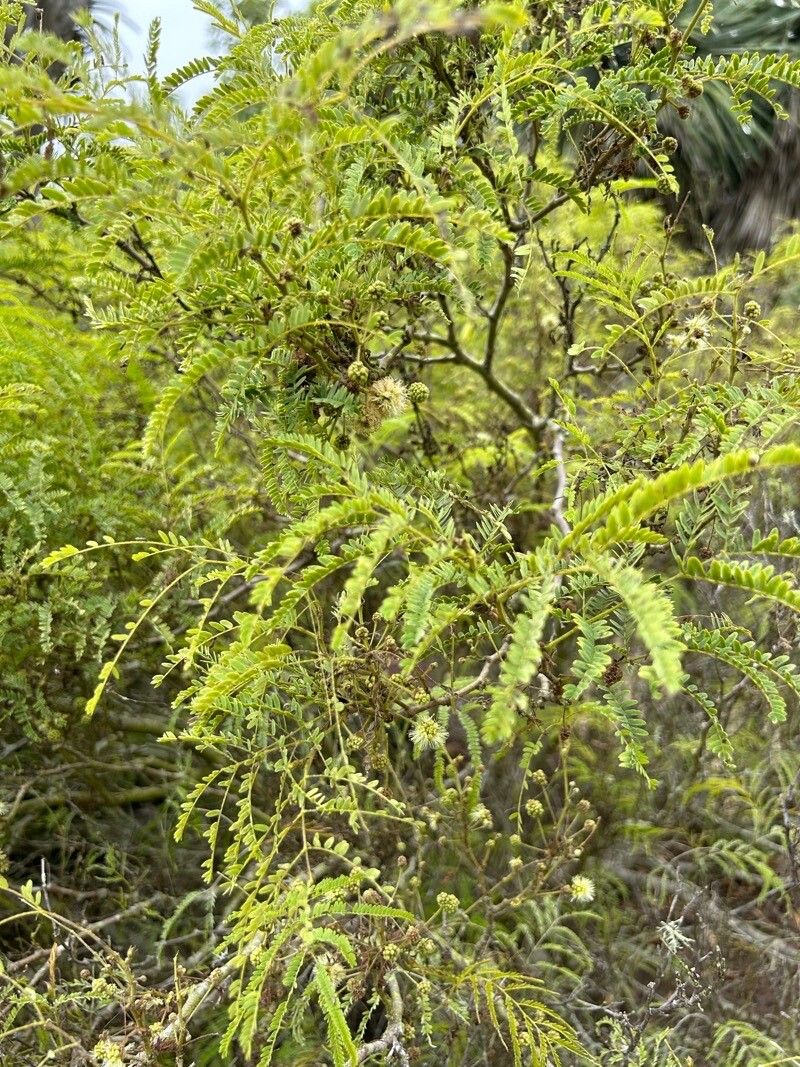
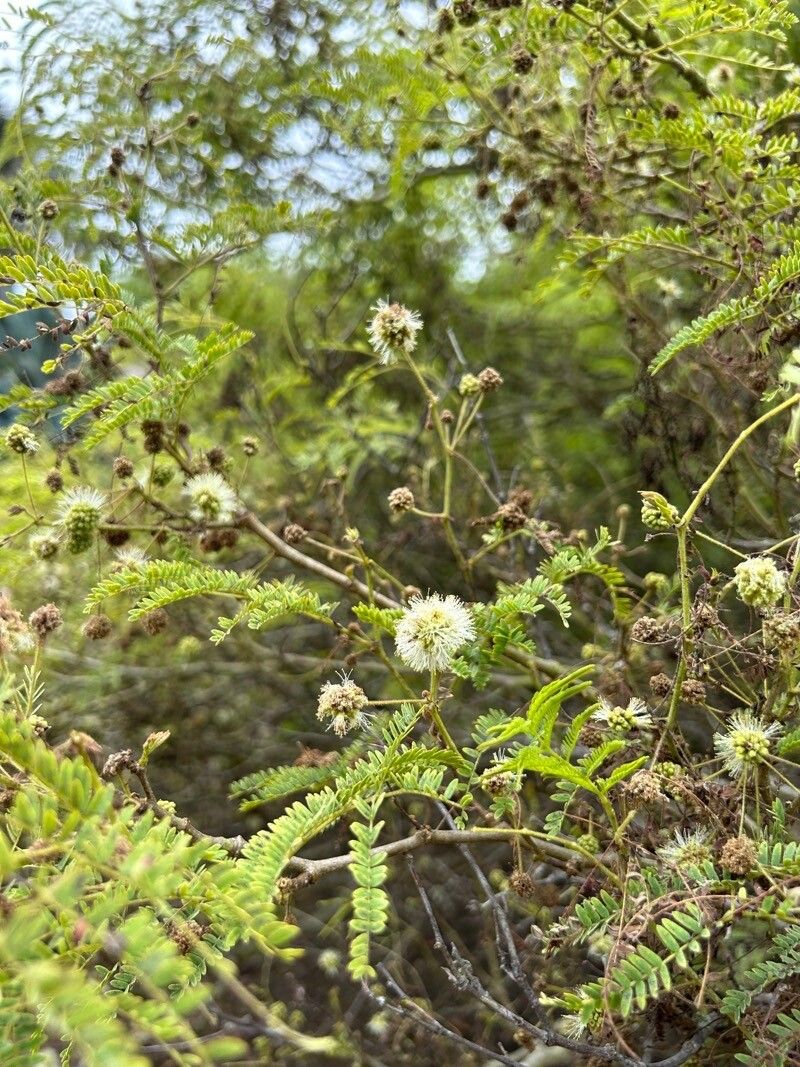
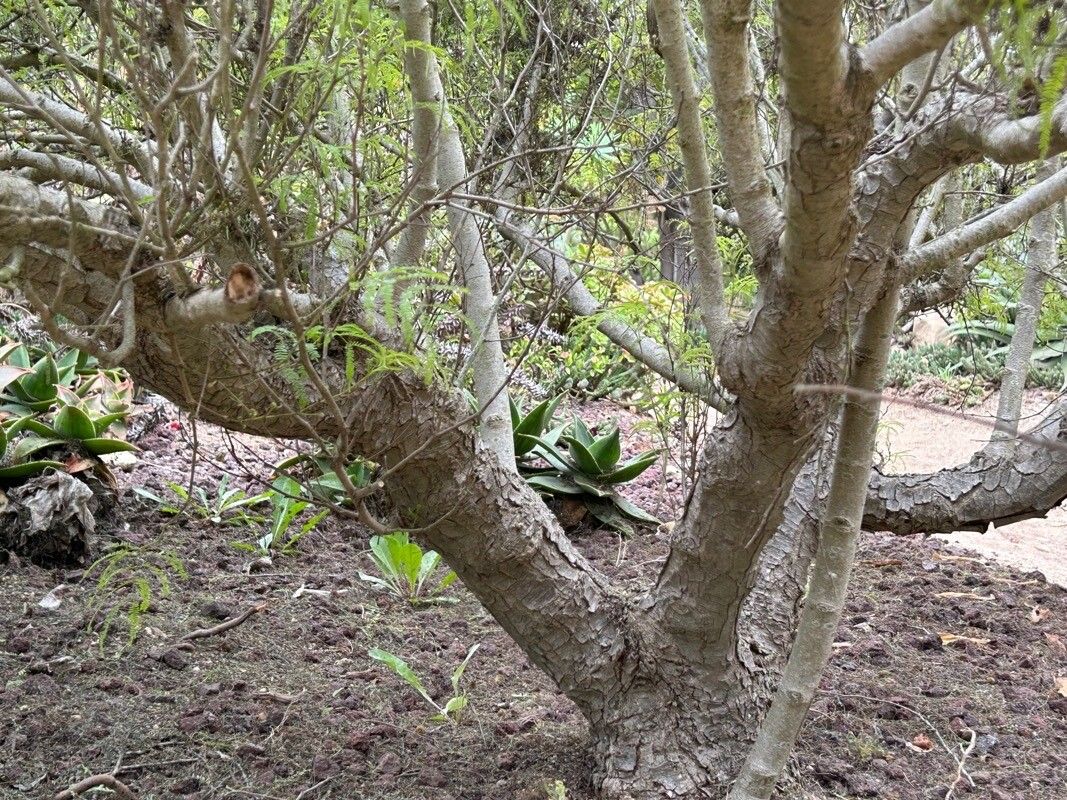
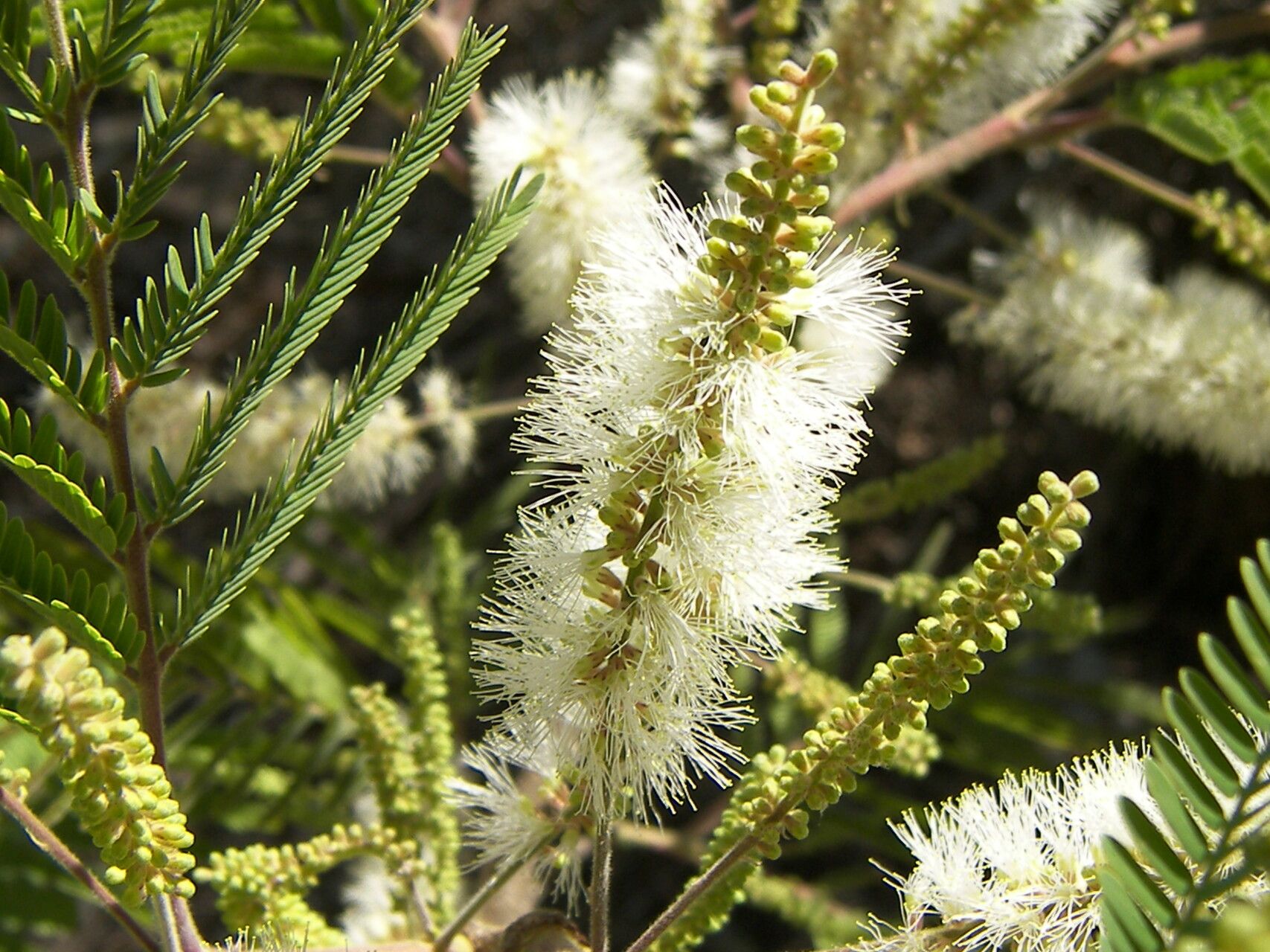
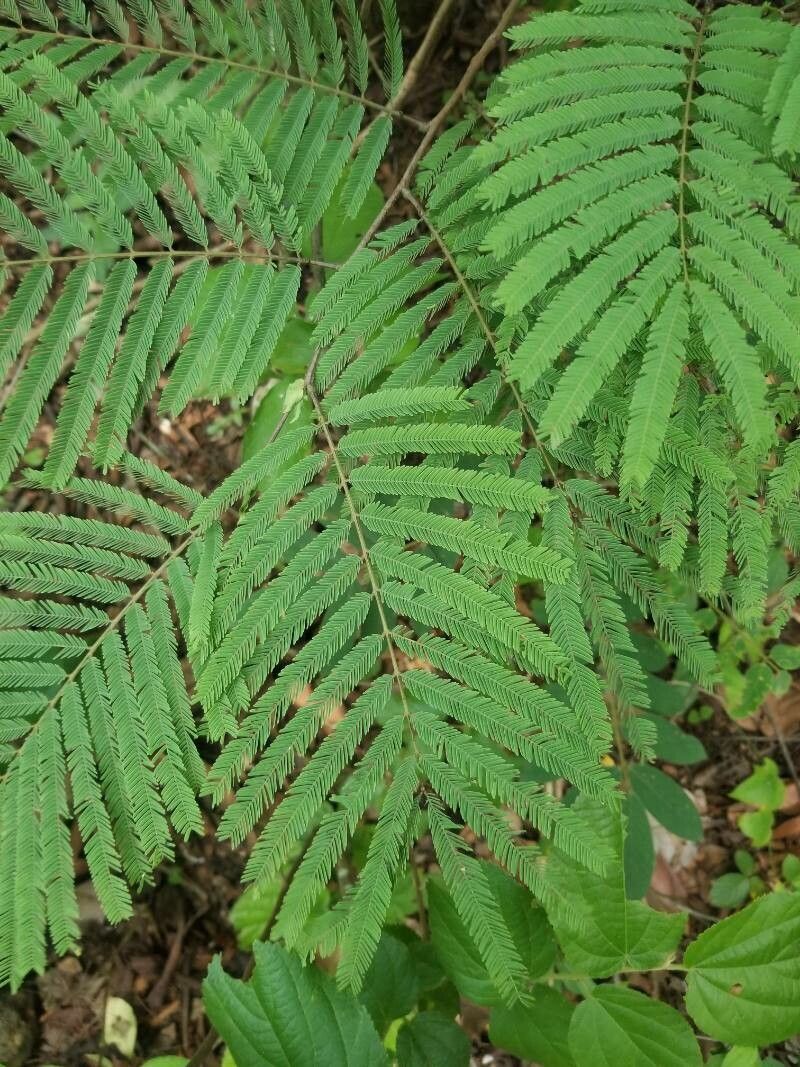
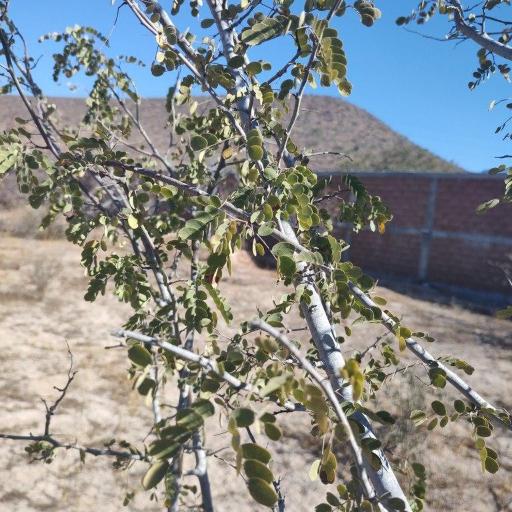
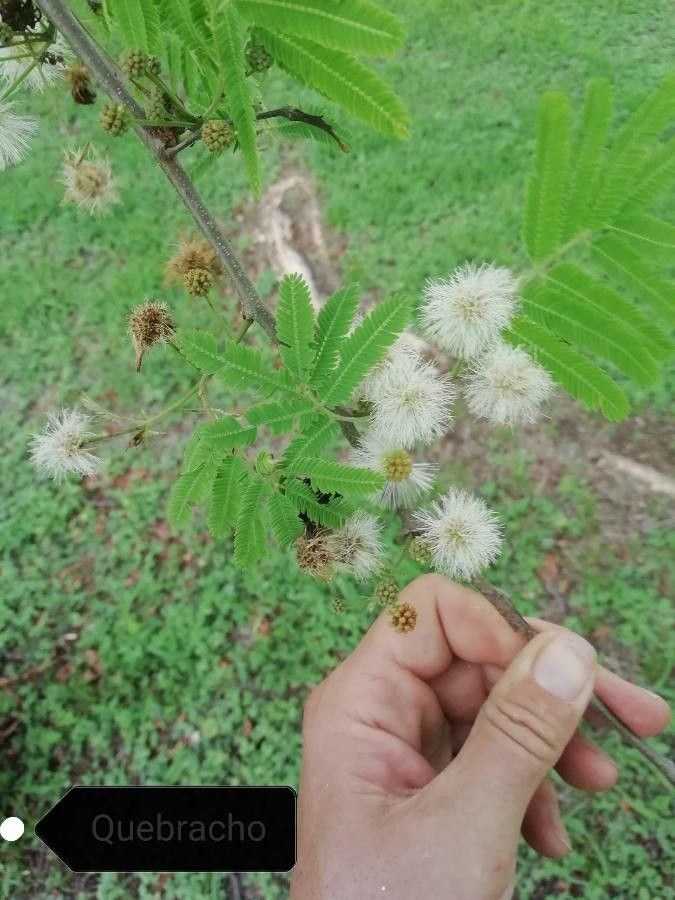
Littleleaf false tamarind is quite resistant to disease and usually does not suffer from illnesses. As for care, this plant is fairly low-maintenance. Planted outdoors, it needs only light watering, and larger specimens generally do not require pruning. Smaller plants, however, should be pruned after they finish blooming. Littleleaf false tamarind is appropriate for anyone with an outdoor area, such as a garden or deck, and does not demand much gardening experience.
How to keep Lysiloma Watsonii.
Light
Littleleaf false tamarind is found in open habitats, such as sunny meadows and forest edges, that offer abundant light. It thrives in Full Sun but can also tolerate Partial Sun, adapting well to various light conditions.
Temperature
Littleleaf false tamarind shows good heat adaptability, able to tolerate higher temperatures and wide temperature fluctuations. In hot weather, it's necessary to watch watering and provide suitable shade to avoid sunburn. Conversely, its tolerance to cold is relatively weak. It can endure a certain amount of chill, but very cold conditions can result in frost damage.
Fertilizer
To encourage healthy growth, fertilize your Littleleaf false tamarind in early spring. Regular feeding improves its overall health, producing vigorous growth, increased resilience to harsh conditions, and enhanced resistance to diseases and pests. Keep a consistent fertilization schedule for your Littleleaf false tamarind to maintain foliage that is vibrant in color and lush in appearance.
Botanical profile.
- Plant Type
- Tree
- Life Cycle
- Perennial
- Genus
- Lysiloma
- Family
- Fabaceae
- Hardiness Zone
- 9-11
- Mature Height
- 4.88 m to 10.06 m
- Mature Spread
- 3.96 m to 7.92 m
- Leaf Color
- Green, Dark Green
- Leaf Type
- Semi-evergreen
- Flower Color
- White
- Flower Size
- 1.02 cm to 2.03 cm
- Bloom Time
- Mid spring, Late spring, Early summer
- Planting Time
- Spring, Summer, Autumn
- Harvest Time
- Mid summer, Late summer, Early fall
- Native Area
- Mexico
Other names.