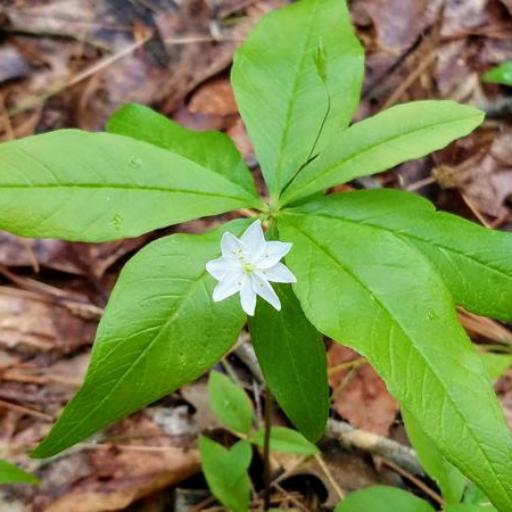
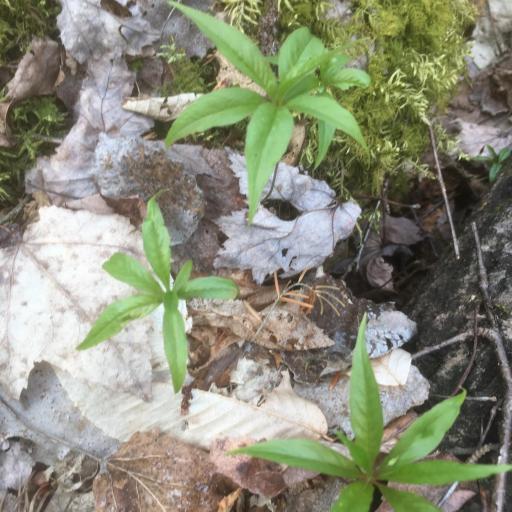
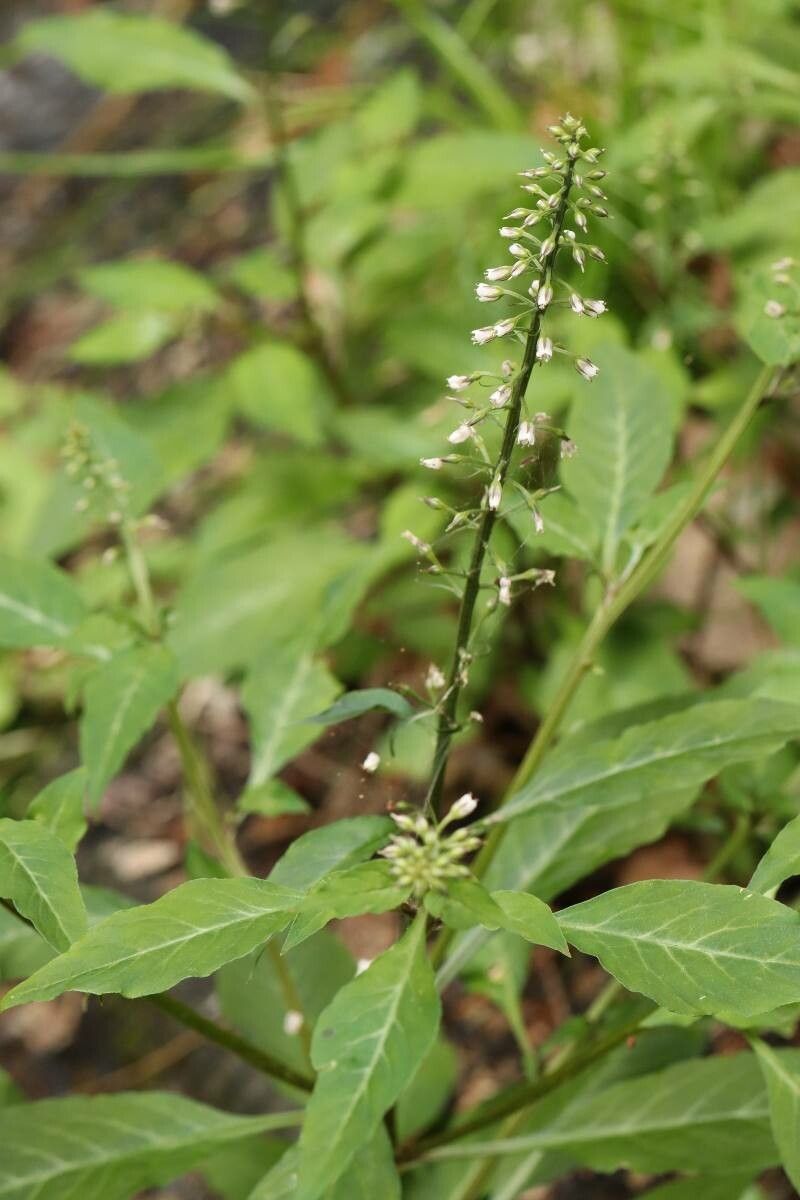
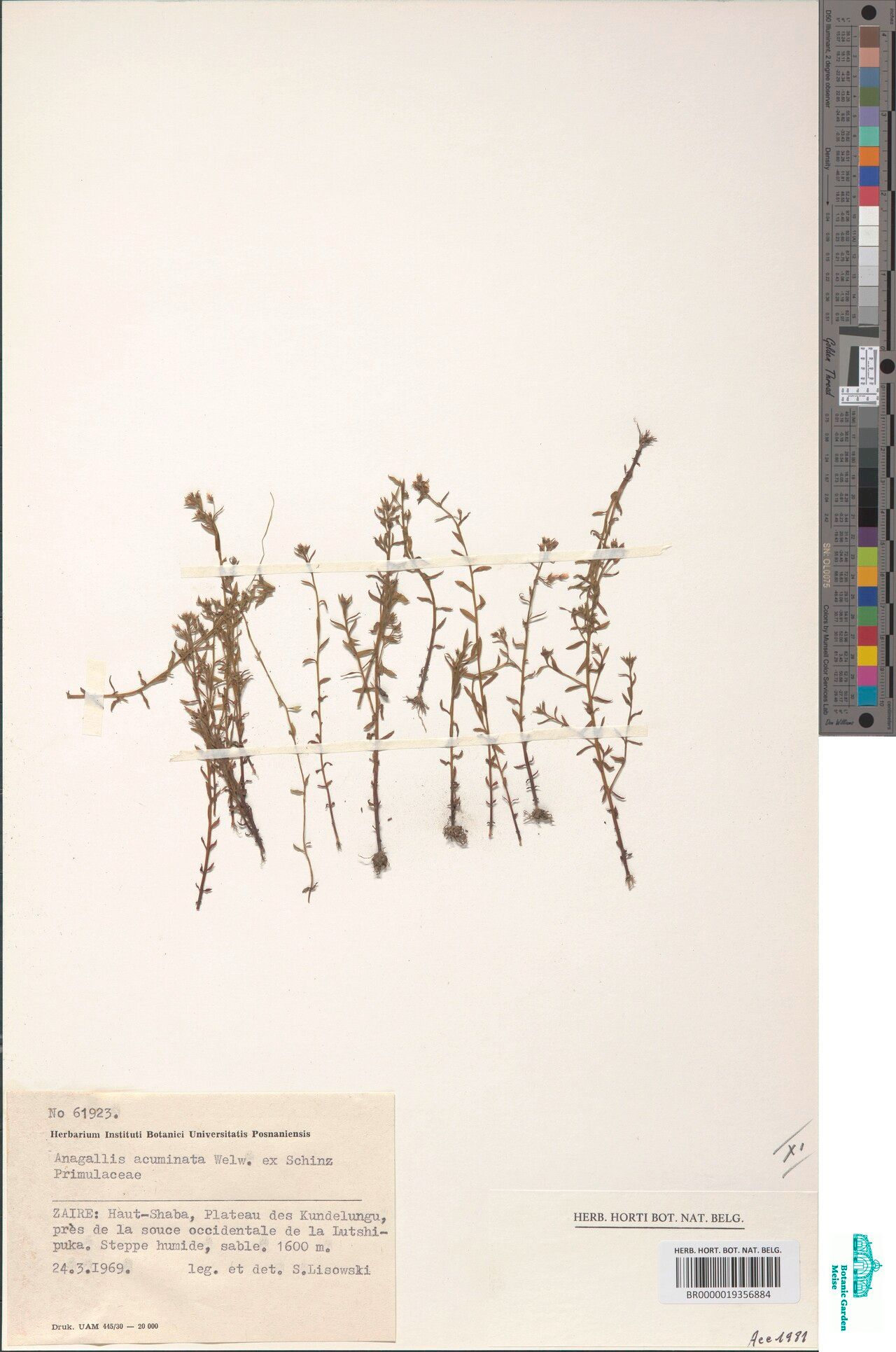
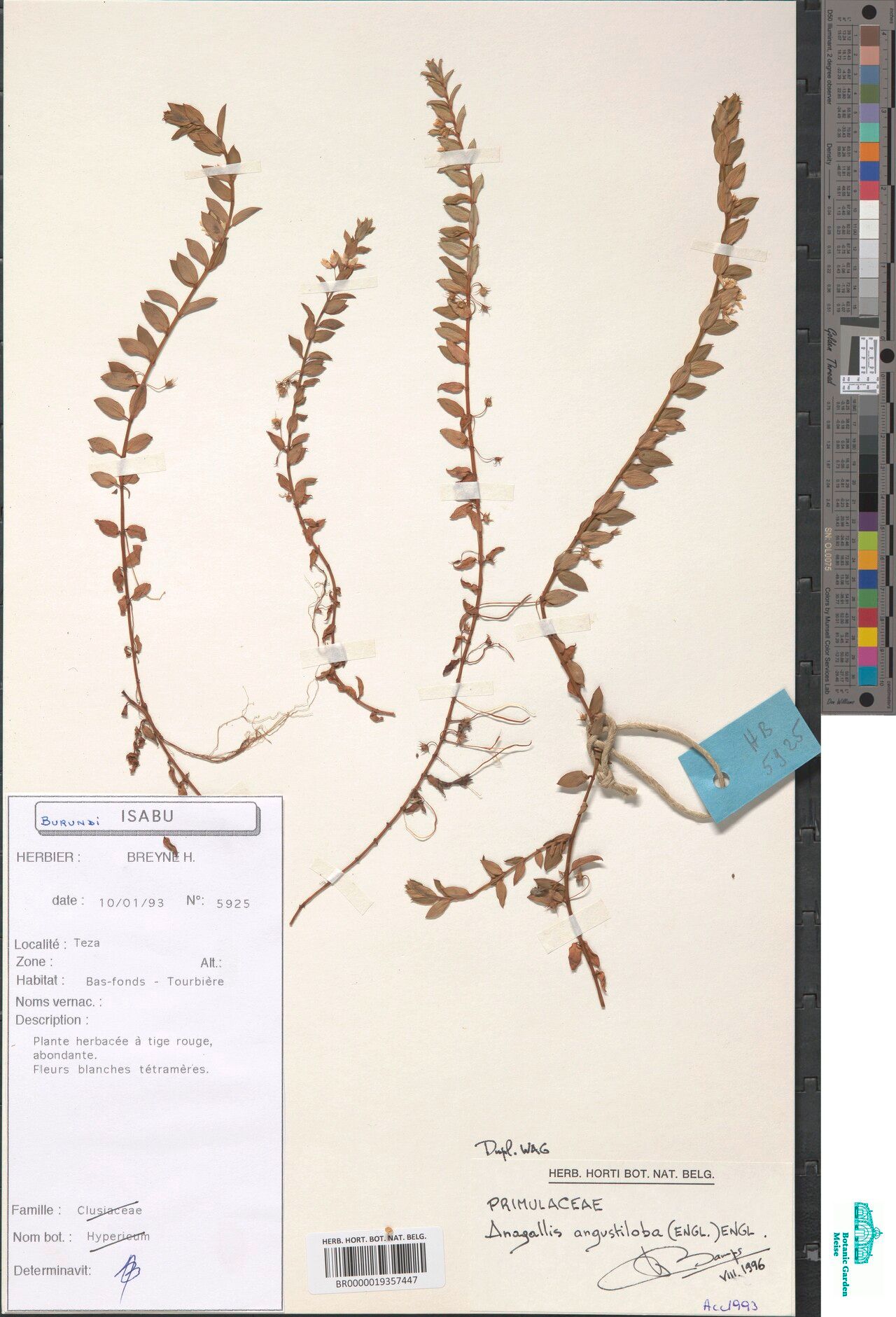
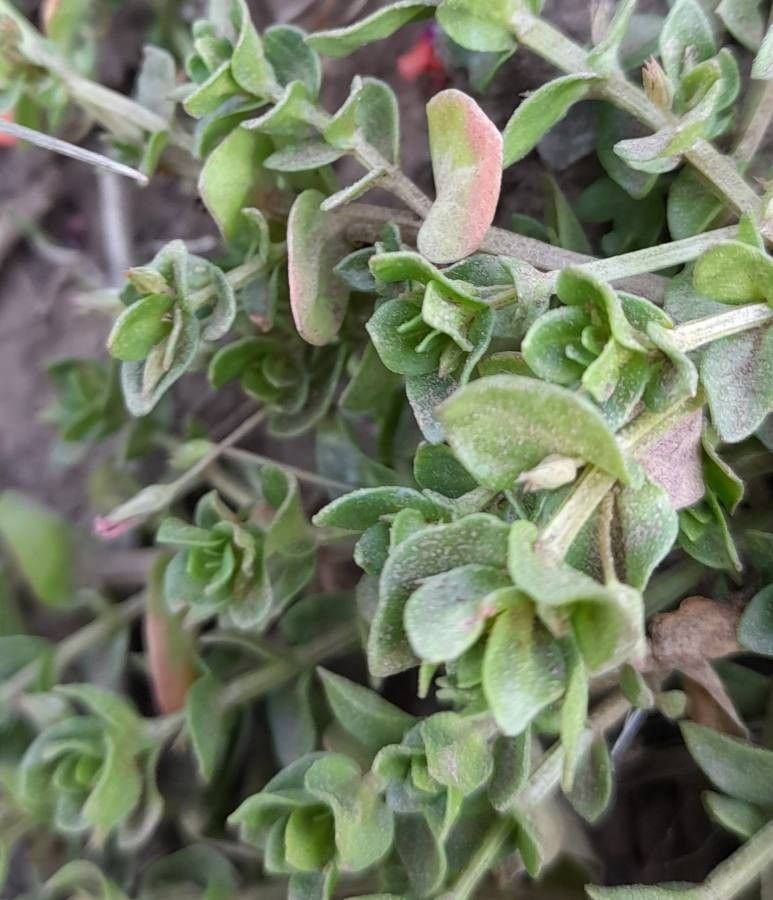
Lysimachia borealis (synonym Trientalis borealis), the starflower, is a North American woodland perennial that blooms between May and June.
Starflower has strong disease resistance and generally does not tend to get ill. However, it can be vulnerable to pests and diseases present in its surroundings. Those infections are usually not severe. For care, this plant needs moderate maintenance. It requires regular pruning to keep a neat appearance and support healthy growth. Fertilizing can also help encourage flowering. Starflower is appropriate for anyone with outdoor space, such as a garden or patio, and does not demand extensive care experience. It may need more attention when grown indoors.
How to keep Lysimachia Borealis.
Light
Starflower prefers a mix of sun and shade for healthy growth, though it can do fairly well in more shaded spots. Light encourages the plant to thrive, but it is not necessary during every stage of development. Avoid leaving the plant in excessively bright conditions, and too little light can cause weaker growth and development.
Water
Starflower thrives best in moist woodland areas where it can receive consistent moisture. To keep it healthy, water the plant weekly. As an understory plant in shaded environments, starflower benefits from mulch, which helps retain soil moisture. This makes the plant well-suited for regions that experience regular rainfall and cooler climates.
Temperature
Starflower's native habitat is cool and moist, with temperatures ranging from 32 to 77℉ (0 to 25℃). While actively growing, the plant prefers 50 to 80℉ (10 to 27℃). In summer it can tolerate temperatures up to 95℉ (35℃). In winter, make sure temperatures do not fall below 32℉ (0℃).
Fertilizer
Generally, a single fertilizer application in spring is enough for Starflower, but repeated feedings can maximize growth. Feed every 4 to 6 weeks. Fertilization improves the appearance and function of the leaves, helping maintain even color and a healthy texture. It also promotes root development and nutrient uptake for the plant’s long-term health.
Pruning
Starflower is known for its distinctive star-shaped white flowers and whorled leaves. To promote healthy growth and flowering, it is best to prune the plant from early to late spring. This will help remove dead stems and improve airflow. Make sure to use clean, sharp tools to prevent disease and ensure quick healing.
Botanical profile.
- Plant Type
- Herb
- Life Cycle
- Perennial
- Genus
- Lysimachia
- Family
- Primulaceae
- Hardiness Zone
- 3-9
- Mature Height
- 10 cm to 20 cm
- Mature Spread
- 15 cm to 46 cm
- Leaf Color
- Green, Blue
- Leaf Type
- Deciduous
- Flower Color
- White
- Flower Size
- 1.27 cm
- Bloom Time
- Late spring, Early summer
- Planting Time
- Spring
- Harvest Time
- Mid summer
Other names.