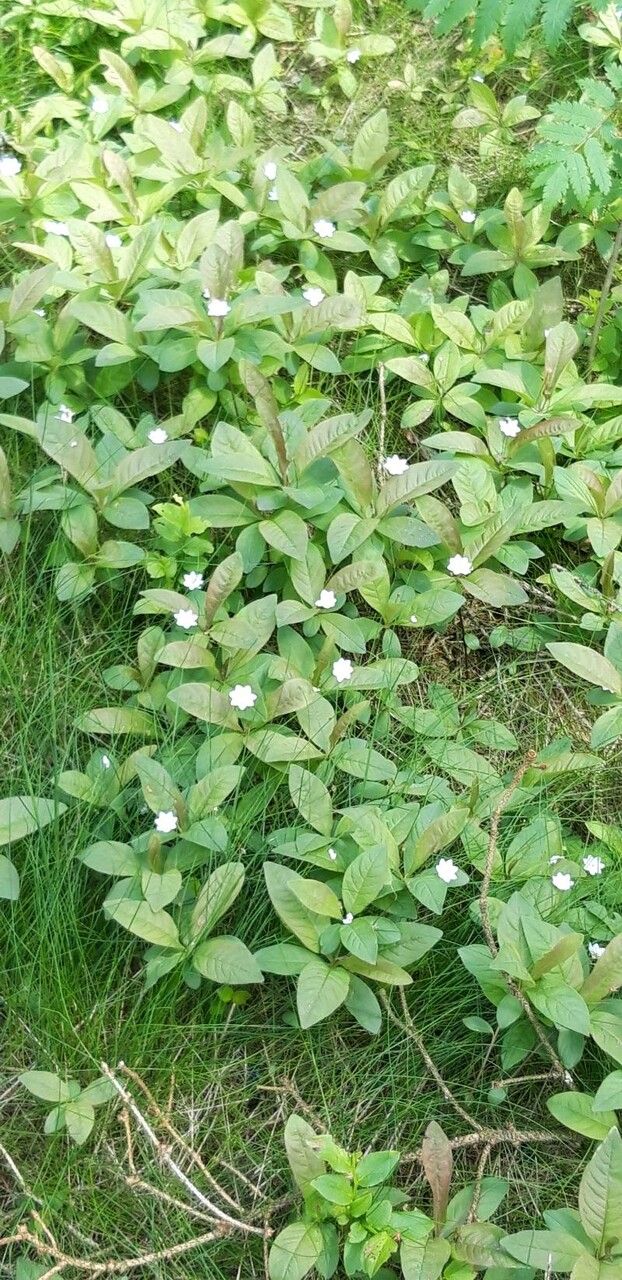
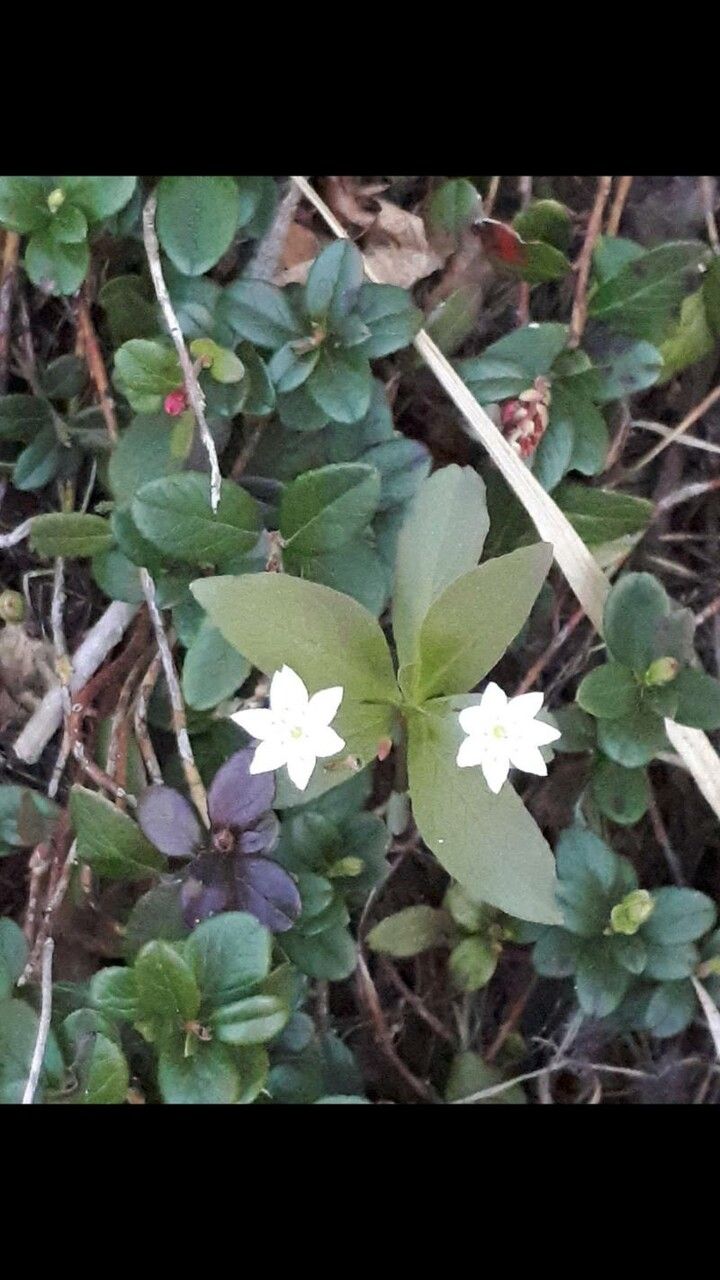
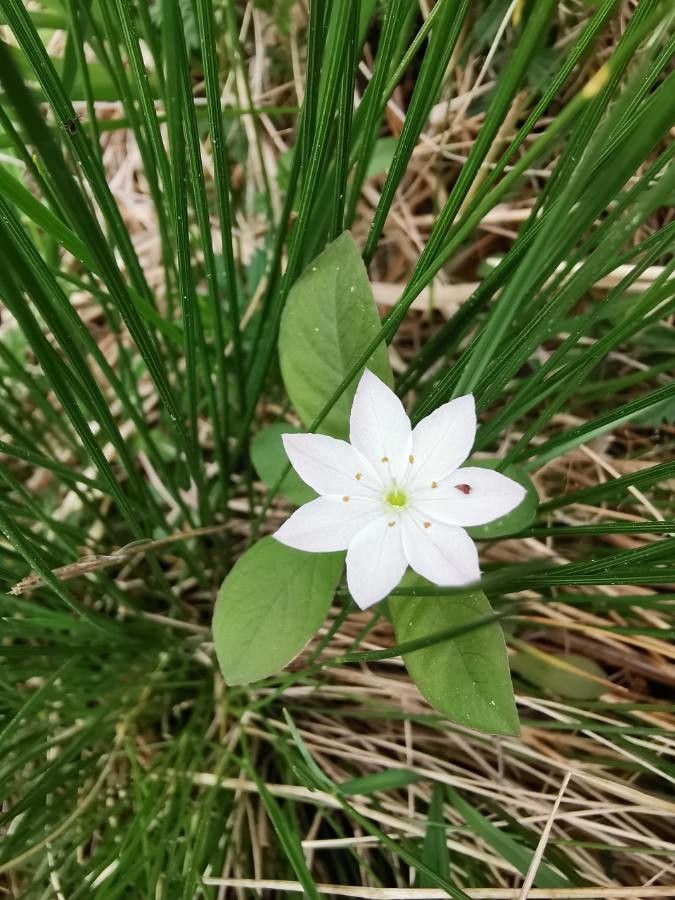
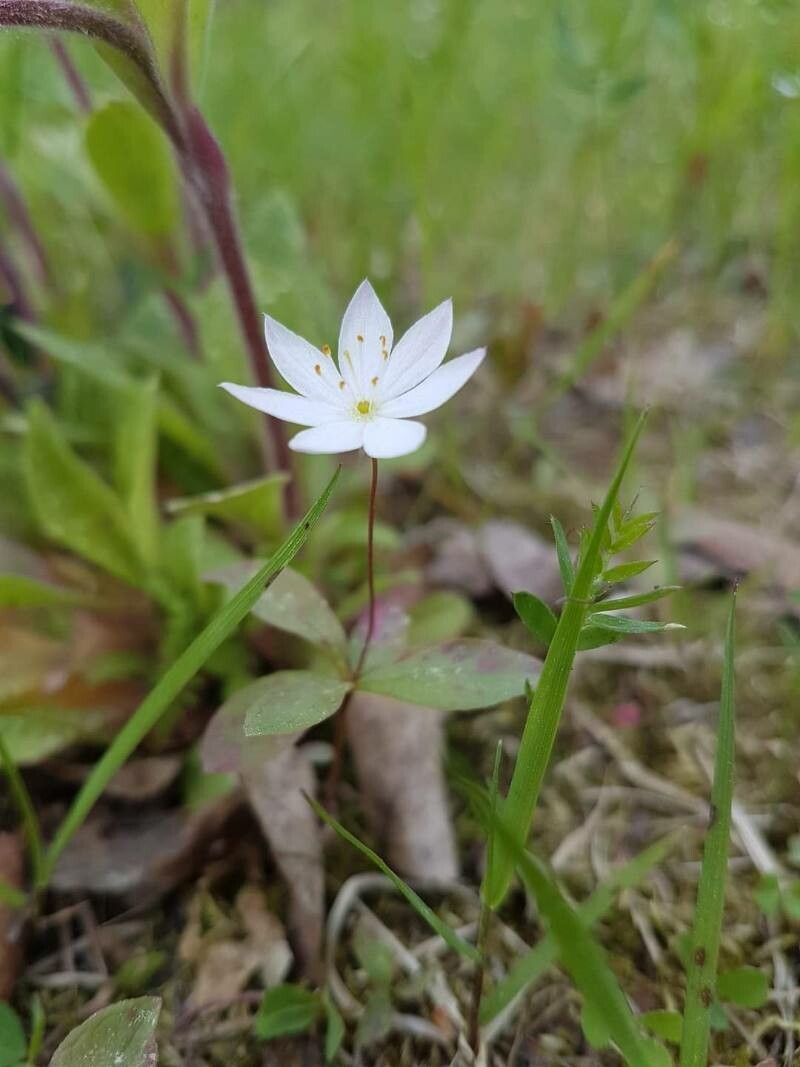
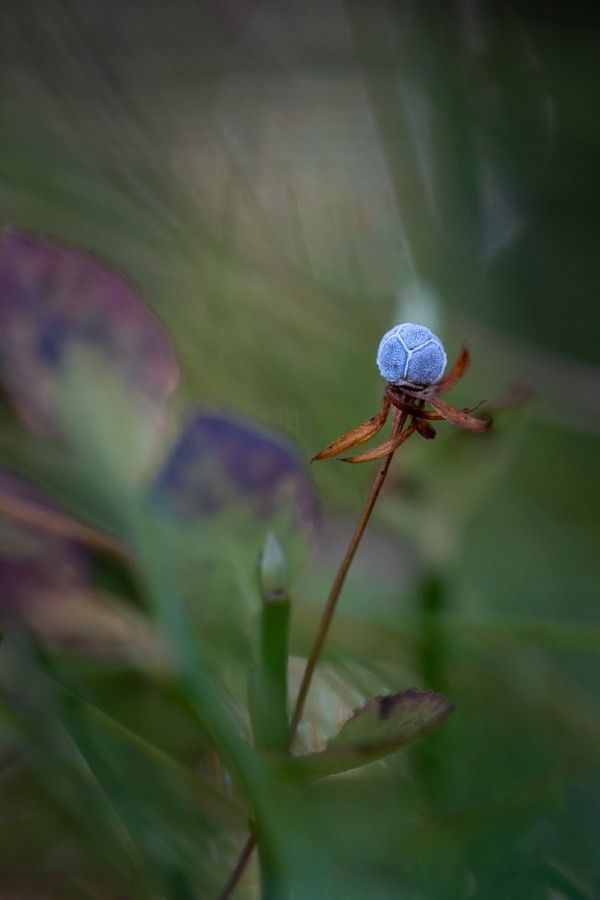
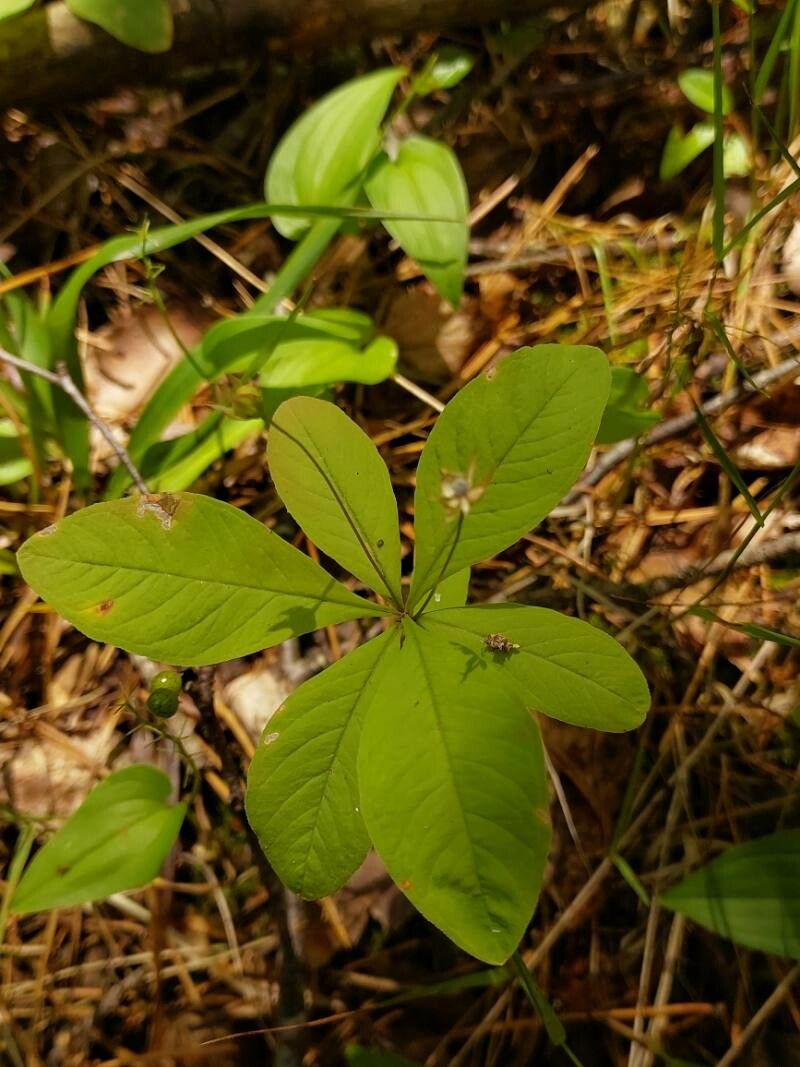
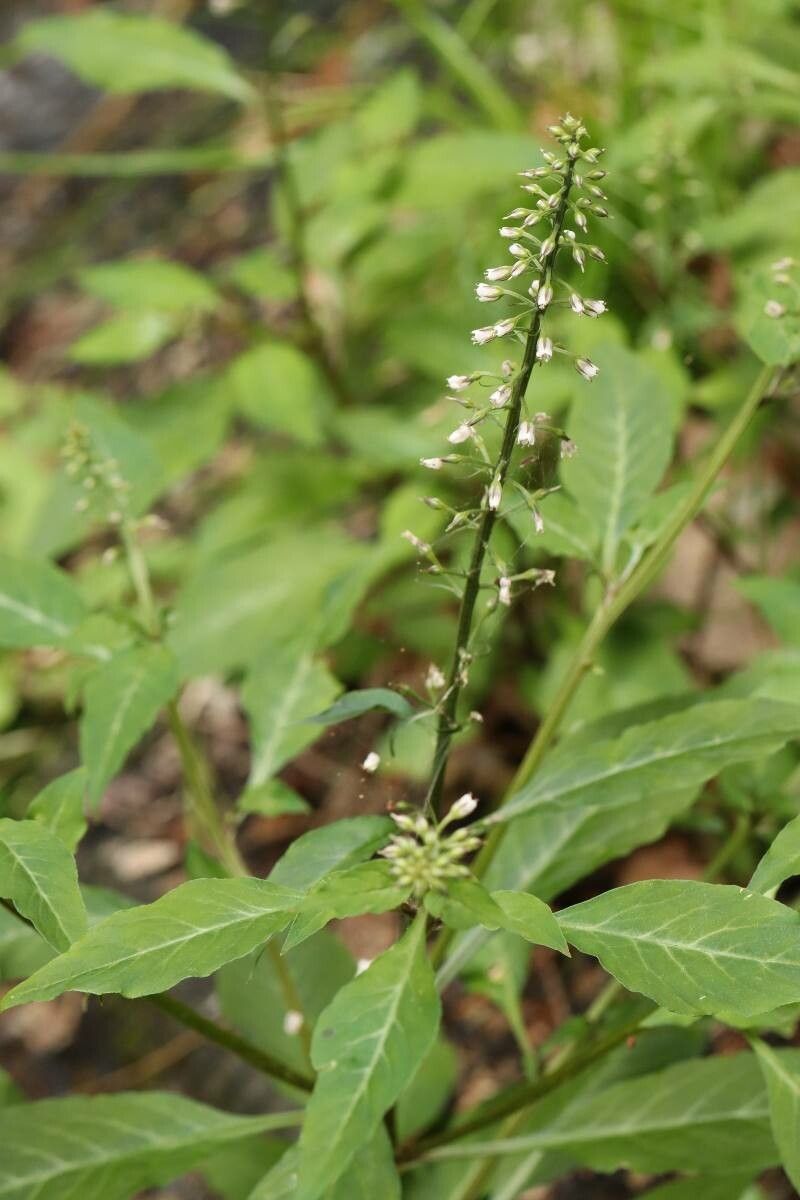
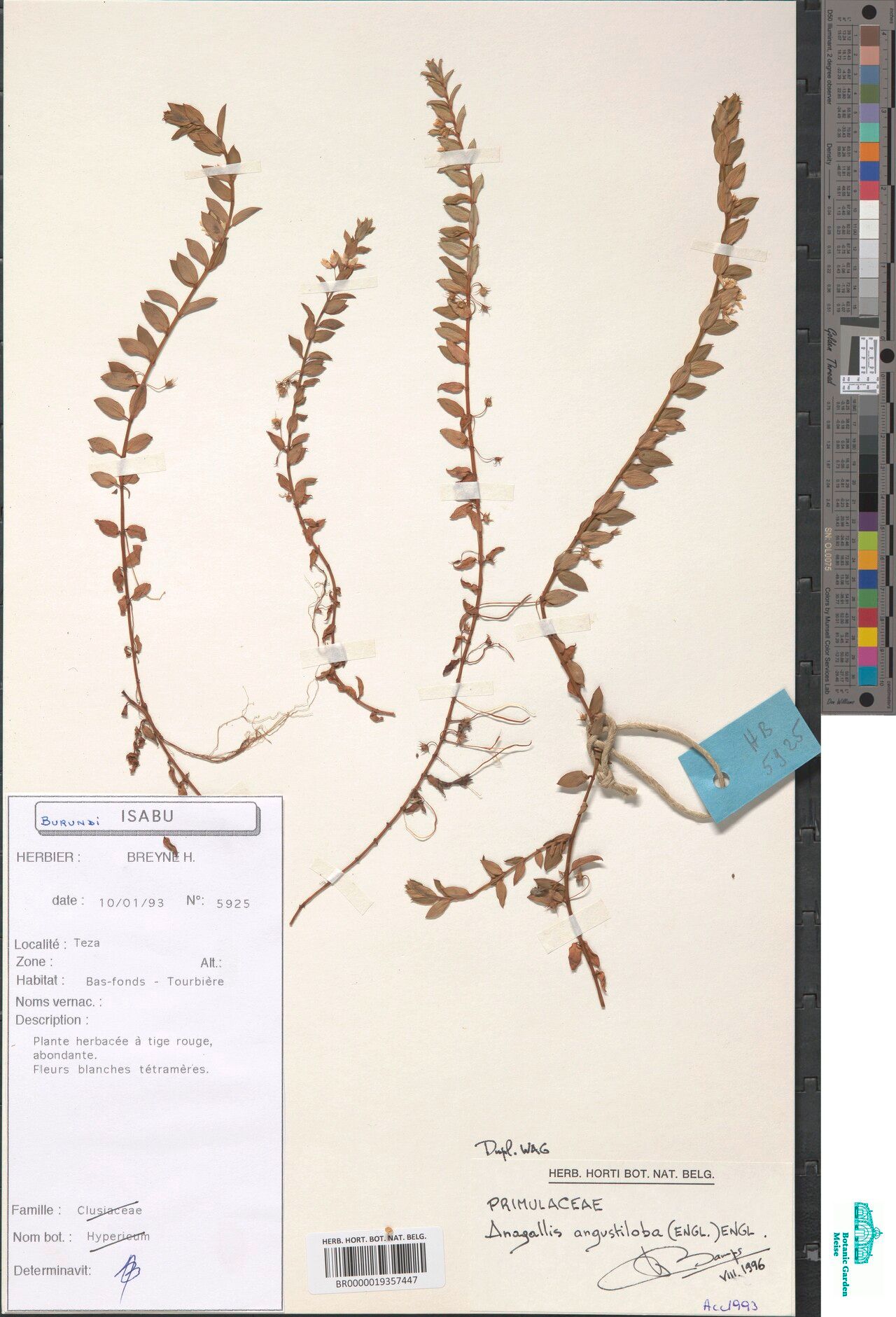
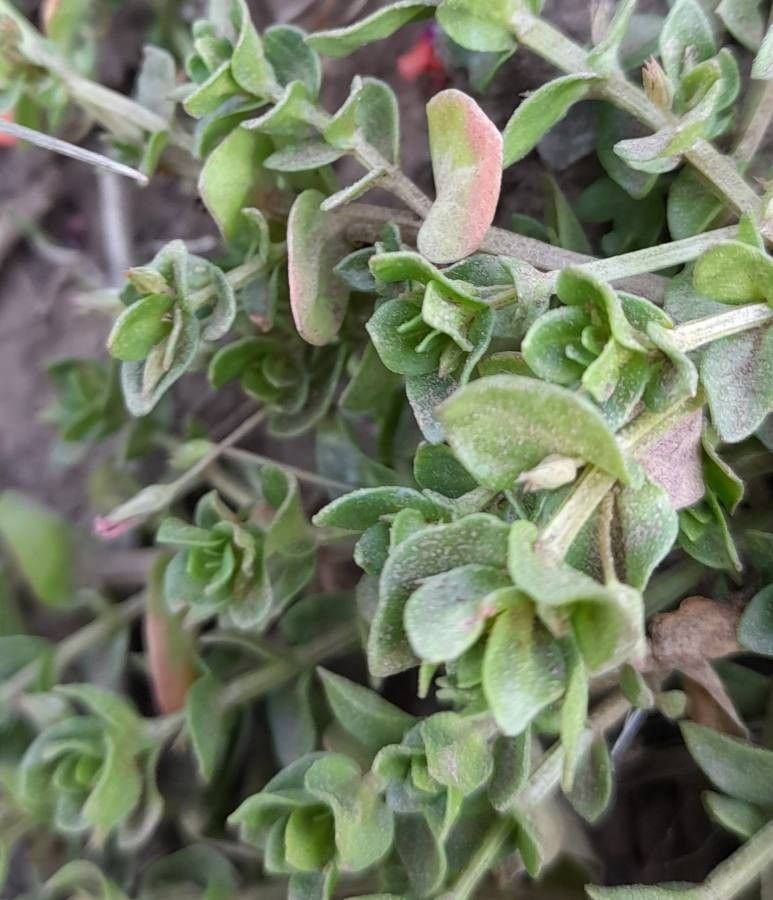
Lysimachia europaea (formerly known as Trientalis europaea) is a flowering plant in the primrose family Primulaceae, called by the common name chickweed-wintergreen or arctic starflower. It is a small herbaceous perennial plant with one or more whorls of leaves on a single slender erect stem. It is about one third of a foot high (10 cm), giving it its generic name.? The broad lanceolate leaves are pale green but take on a copper hue in late summer. The solitary white flowers (1–2 cm, 0.39–0.79 in diameter, usually with 6–8 petals) are reminiscent of small wood anemones and appear in midsummer. The fruits are globular dry capsules but are seldom produced.Lysimachia europaea occurs throughout boreal regions of Europe and Asia, but is absent from eastern North America where it is largely replaced by Lysimachia borealis in corresponding habitats.This is a woodland indicator species, and in Scotland it is found on acid, organic soils, mainly in pine, birch and oak woodland and moorland which has supported woodland in the past, and also sometimes on heaths. The plant is a good competitor, rarely reproducing by seed but a poor colonist forming extensive clonal populations interconnected by rhizomes during the growing season. The rhizomes and above-ground parts are deciduous, the plant forming overwintering tubers. The range of the plant is changing little in Scotland, but it has declined in northern England due to woodland clearance and moor burning, however its precise distribution on the North York Moors is now better known.The flower is the provincial flower of the Värmland province in Sweden and the "county flower" of Nairn.Trientalis europaea is now widely referenced in botanical literature under the name Lysimachia europaea.: 551
Chickweed wintergreen is resistant to many diseases and generally does not commonly suffer from them. That said, it can be vulnerable to pests and illnesses present in its environment. These problems are typically mild. For care, the plant requires moderate maintenance. It should be pruned regularly to preserve a neat appearance and promote healthy growth. Fertilizing can also aid in encouraging blooms. Chickweed wintergreen is well suited to people with outdoor areas such as a garden or patio and does not demand extensive gardening experience. It may need more attention when grown indoors.
How to keep Lysimachia Europaea.
Light
Chickweed wintergreen favors habitats with moderate light, which defines where it naturally grows. This preference persists during healthy growth stages. Too much sunlight can stress the plant, while very low light can hinder its growth and vigor. Therefore, a balance in light exposure is important for its well-being.
Water
Chickweed wintergreen flourishes in moderately humid environments where there is consistent moisture. To recreate its natural habitat, it needs weekly watering. As an understory plant, it thrives in dappled sunlight outdoors, which highlights its adaptation to seasonal rain cycles.
Temperature
Chickweed wintergreen originates from temperate regions where temperatures range from 32 to 90°F (0 to 32℃). It performs best within that range, so adjust growing conditions accordingly as the seasons change.
Fertilizer
For Chickweed wintergreen, the primary time to fertilize is in early spring when the flowers are beginning to form. The proper fertilizer promotes improved blooms and helps Chickweed wintergreen produce attractive flowers. Fertilizing in early spring guarantees strong flowering during the season and supplies energy for dormant growth phases.
Pruning
Chickweed wintergreen is recognized for its small, star-shaped flowers and whorled leaves. To keep the plant healthy, prune it from early to late spring. Start by removing any dead stems and pinching back new shoots to encourage a bushier growth. This practice improves air circulation, reduces the risk of fungal diseases, and promotes robust blooming.
Botanical profile.
- Plant Type
- Herb
- Life Cycle
- Perennial
- Genus
- Lysimachia
- Family
- Primulaceae
- Hardiness Zone
- 3-7
- Mature Height
- 5 cm to 20 cm
- Mature Spread
- 15 cm to 25 cm
- Leaf Color
- Green, Blue
- Leaf Type
- Semi-evergreen
- Flower Color
- Yellow
- Flower Size
- 1.02 cm to 2.03 cm
- Bloom Time
- Early summer, Mid summer
- Planting Time
- Spring
- Harvest Time
- Late summer, Early fall
- Native Area
- Sweden, Austria, Czech Republic, Slovakia, Romania, Poland, Belarus, Ukraine, China, Russia, Lithuania, Norway, Germany, Italy, Kazakhstan, Switzerland, Denmark, Iceland, Estonia, Japan, Mongolia, Koppen, France, Finland, United Kingdom, South Korea, Latvia, Belgium, Netherlands
Other names.
Reader questions.
How do I water my Chickweed wintergreen as it grows?
The water needs of the Chickweed wintergreen can vary based on its growth stages. In the early years and when it's recently transplanted, more water is required. This is because during these stages, the plant focuses on developing roots for future growth, which thrive with extra moisture. As the Chickweed wintergreen matures, it will require less water. Additionally, during the blooming period, the plant may need more water due to the increased demand for moisture during flower development.
What are the sunlight requirements for Chickweed wintergreen?
Chickweed wintergreen (Lysimachia europaea) thrives best in environments with moderate illumination, preferring about 3-6 hours of sunlight daily. This partial sun exposure mimics its natural habitat conditions and helps maintain healthy growth. However, it's crucial to watch how sunlight interacts with your garden to ensure the plants receive the perfect balance of light and shade. Too much sunlight can stress the plant, while insufficient light may hinder growth and vigor.
What is the native environment for Chickweed wintergreen?
Chickweed wintergreen, botanically known as Lysimachia europaea, is native to temperate environments. It thrives best in temperatures ranging from 32 to 90°F (0 to 32°C), which are conducive to its growth and development. Adjusting growing conditions to stay within this temperature range is essential for the health of the plant, especially as seasonal weather varies.
How should I water my Chickweed wintergreen plant?
To properly water the Chickweed wintergreen, it is recommended to use filtered water at room temperature. Tap water may contain harmful particles that can negatively affect the plant's health. The ideal water temperature is room temperature or slightly warmer, as the Chickweed wintergreen thrives in warm environments and cold water can be a shock to its system. Instead of spraying water from above, it is advised to apply the filtered room temperature water directly to the soil until it is fully soaked. This helps to ensure the roots are properly moisturized and able to spread through the soil to gather the necessary nutrients.
What should I do if natural sunlight is not enough for my indoor Chickweed wintergreen?
If your indoor Chickweed wintergreen is not receiving adequate natural sunlight, particularly during winter or in less sunny spaces, consider using artificial lighting. LED lights are recommended because they can provide specific wavelengths needed for plant growth. Full sun plants require 30-50W/sq ft, partial sun plants need 20-30W/sq ft, and full shade plants require 10-20W/sq ft. Correct positioning involves placing the light source 12-36 inches above the plant, mimicking natural sunlight. Most plants need 8-12 hours of light per day, so it's essential to adjust the duration accordingly.
Does Chickweed wintergreen require frost protection measures?
Chickweed wintergreen is remarkably cold-tolerant and does not require additional measures for frost protection during the winter months. However, it is recommended to water the plant generously before the first freeze in autumn. This practice ensures the soil remains moist as it enters a frozen state, which helps prevent drought and water scarcity for the plant during the cold winter and early spring period.
What should I do if I give my Chickweed wintergreen too much water or not enough water?
Both overwatering and underwatering can harm the health of your Chickweed wintergreen, but overwatering is a more common problem. Too much water can cause the stems and leaves to wilt and turn yellow. Over time, it can also lead to root rot, mold, and mildew, which can be fatal for your plant. Underwatering is less likely to happen with the Chickweed wintergreen because it can tolerate drought. However, if it does occur, the leaves may become brittle and brown. It's important to recognize signs of overwatering early and take action. Some diseases caused by overwatering, like root rot, can't be fixed if left too long. If you notice early signs of overwatering, reduce your watering schedule immediately. Check the soil drainage and replace it with a loose, well-draining potting mix if it drains poorly. Conversely, if your Chickweed wintergreen is not getting enough water, simply water more regularly until the signs improve.
What are the symptoms of incorrect light exposure in Chickweed wintergreen?
Chickweed wintergreen shows several symptoms when exposed to incorrect light conditions. Symptoms of inadequate light include smaller new leaves, leggy or sparse growth, faster leaf drop, slower or halted new growth, lighter-colored new leaves, and general lack of vigor. Excessive sunlight exposure can cause chlorosis (leaves turning yellow), sunscald, leaf curling, wilting, and leaf scorching. These symptoms highlight the plant's struggle with inappropriate light levels.
What should I do if the temperature drops below -35°C for Chickweed wintergreen?
Chickweed wintergreen is extremely cold-tolerant, but it should not be exposed to temperatures lower than -35°C. Although no noticeable changes may occur during the winter at such low temperatures, a significant decrease in sprouting, or even a complete lack of sprouting, might be observed during spring. If this occurs, it's recommended to remove any parts of the plant that have failed to sprout in the spring.
How frequently should I water my Chickweed wintergreen plant?
If your Chickweed wintergreen plant is in a pot, you can determine if it needs water by checking the soil. Stick your finger into the soil and if the top two to three inches are dry, it's time to water. If you have your Chickweed wintergreen planted in the ground, you can use the same method. Once again, if the top few inches of soil are dry, it's time to water. Generally, during the spring and early fall, watering once a week is sufficient. However, during extremely hot weather, you may need to water two or more times a week. It's worth noting that mature and well-established Chickweed wintergreen plants can tolerate drought well.
How can I address light exposure issues with my Chickweed wintergreen?
To address light exposure issues with Chickweed wintergreen, follow these steps: For indoor plants, gradually shift them to sunnier spots each week until achieving 3-6 hours of direct sunlight daily or use artificial light if the plant is large or stationary, maintaining at least 8 hours of light exposure daily. For outdoor plants, adjust their location to sunnier spots gradually to prevent sunburn. Removing obstructions or transplanting smaller plants can also enhance sun exposure. Remember that affected parts might not recover, but new growth will be healthy after adjustments.
How does Chickweed wintergreen react to high temperatures, and what can be done?
Chickweed wintergreen does not fare well in high temperatures; its tolerance limit is up to 32°C. Beyond this temperature, the plant stops growing and becomes more prone to rotting. To mitigate damage from excessive heat, you should trim away any sunburned and dried-up parts of the plant. It's also advisable to move the plant to a shadier location or use a shade cloth to protect it from the intense midday and afternoon sun. Ensuring the soil remains moist by watering the plant in the morning and evening can also help.