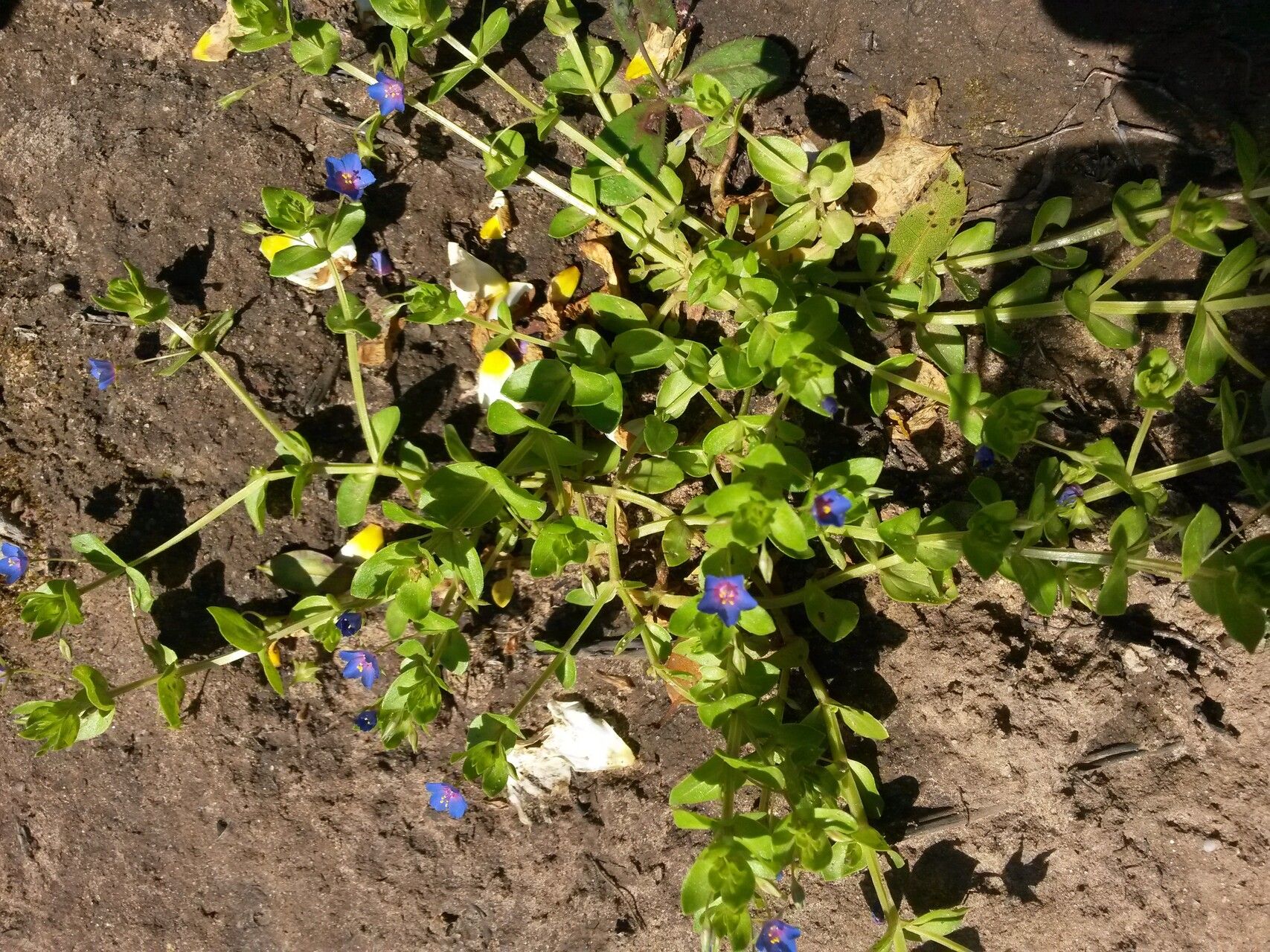
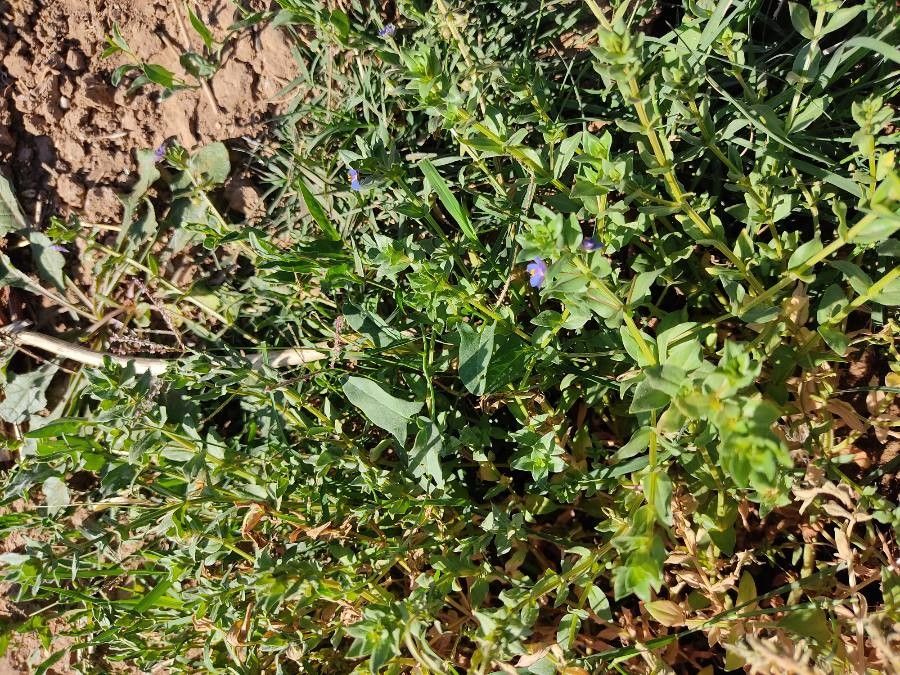
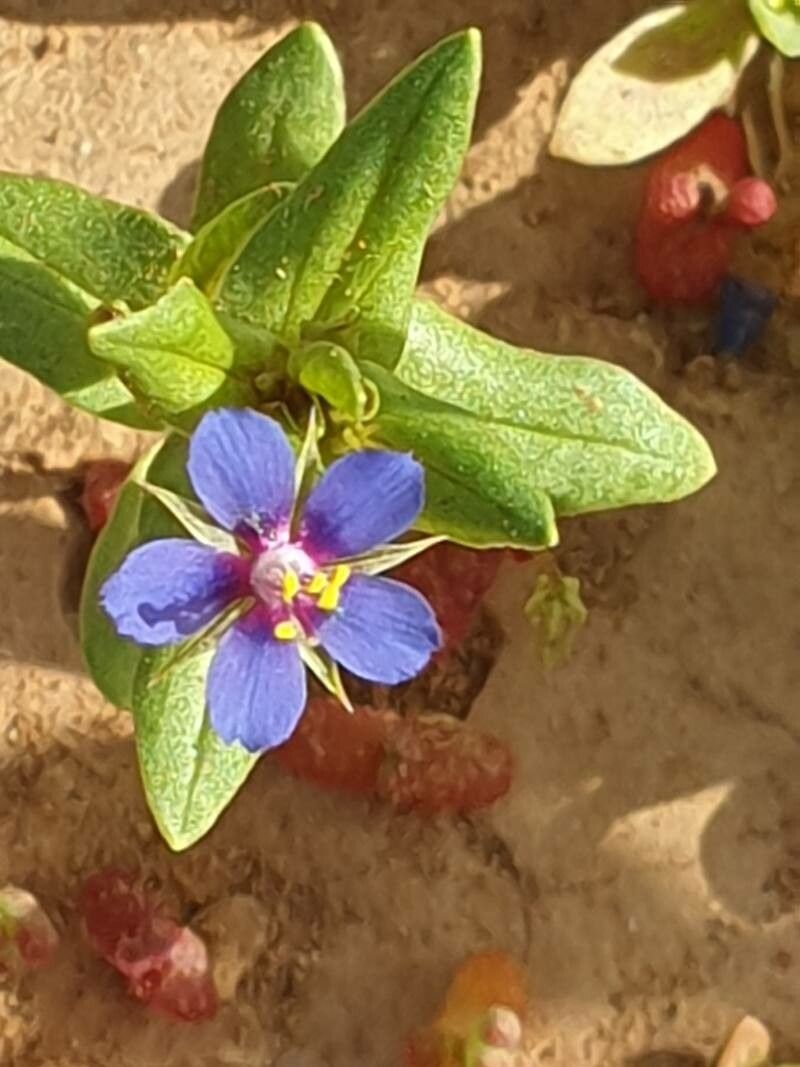
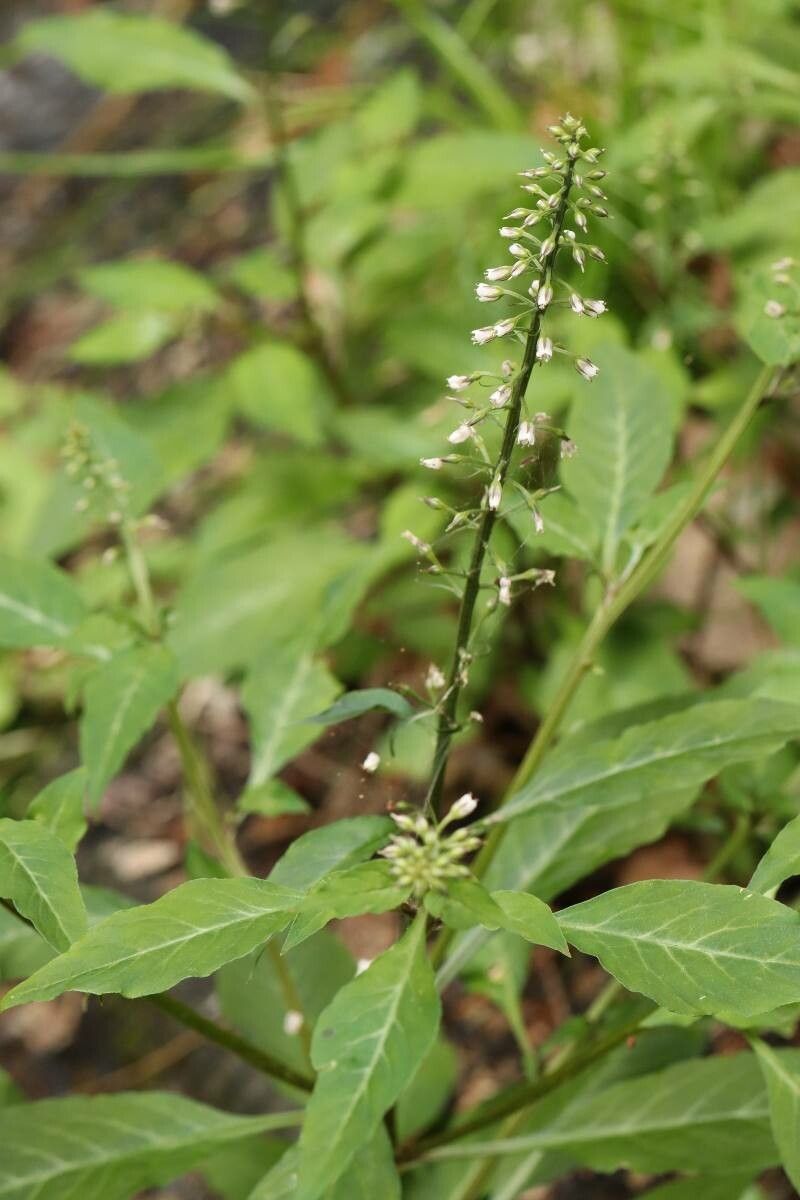
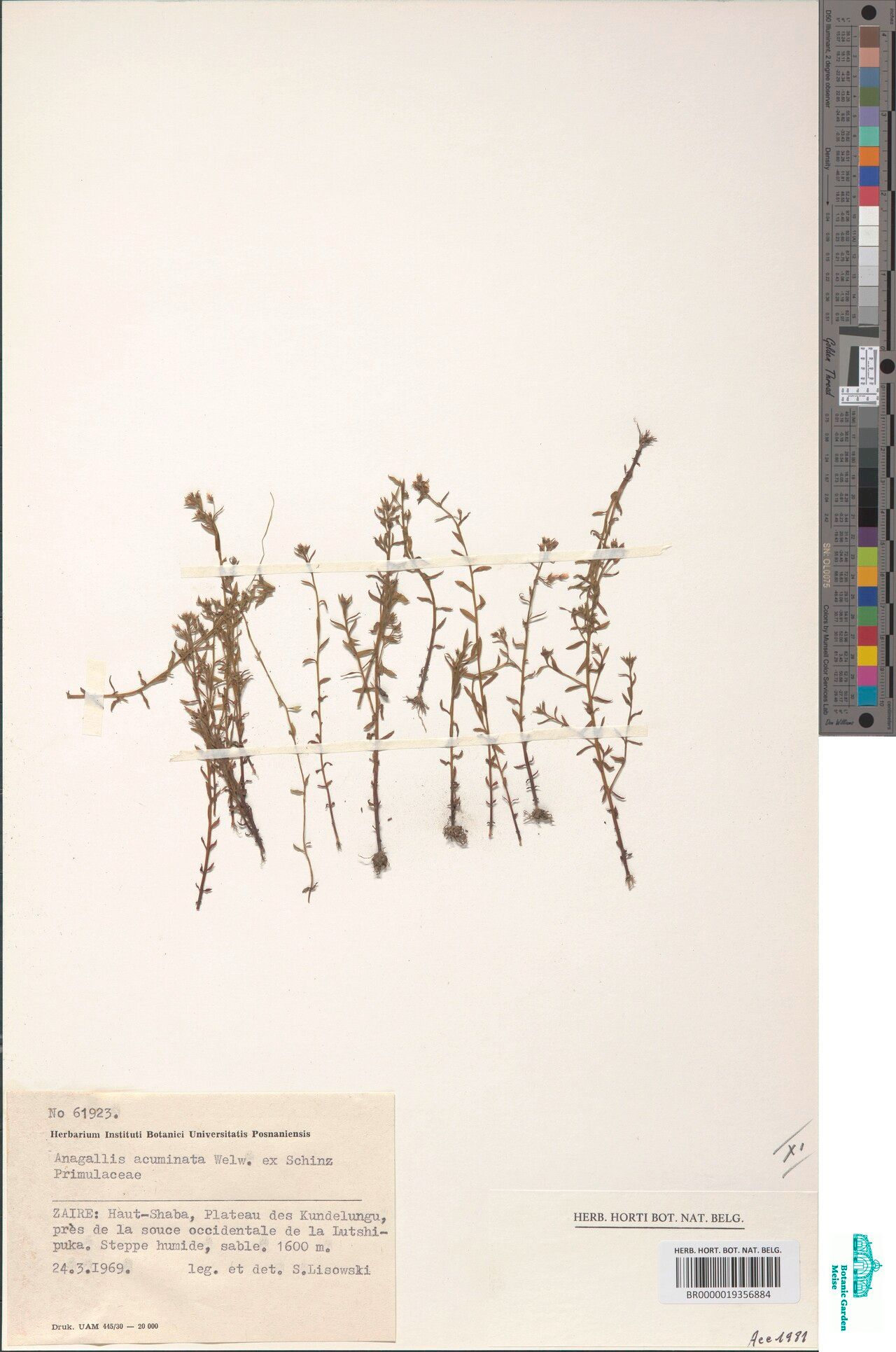
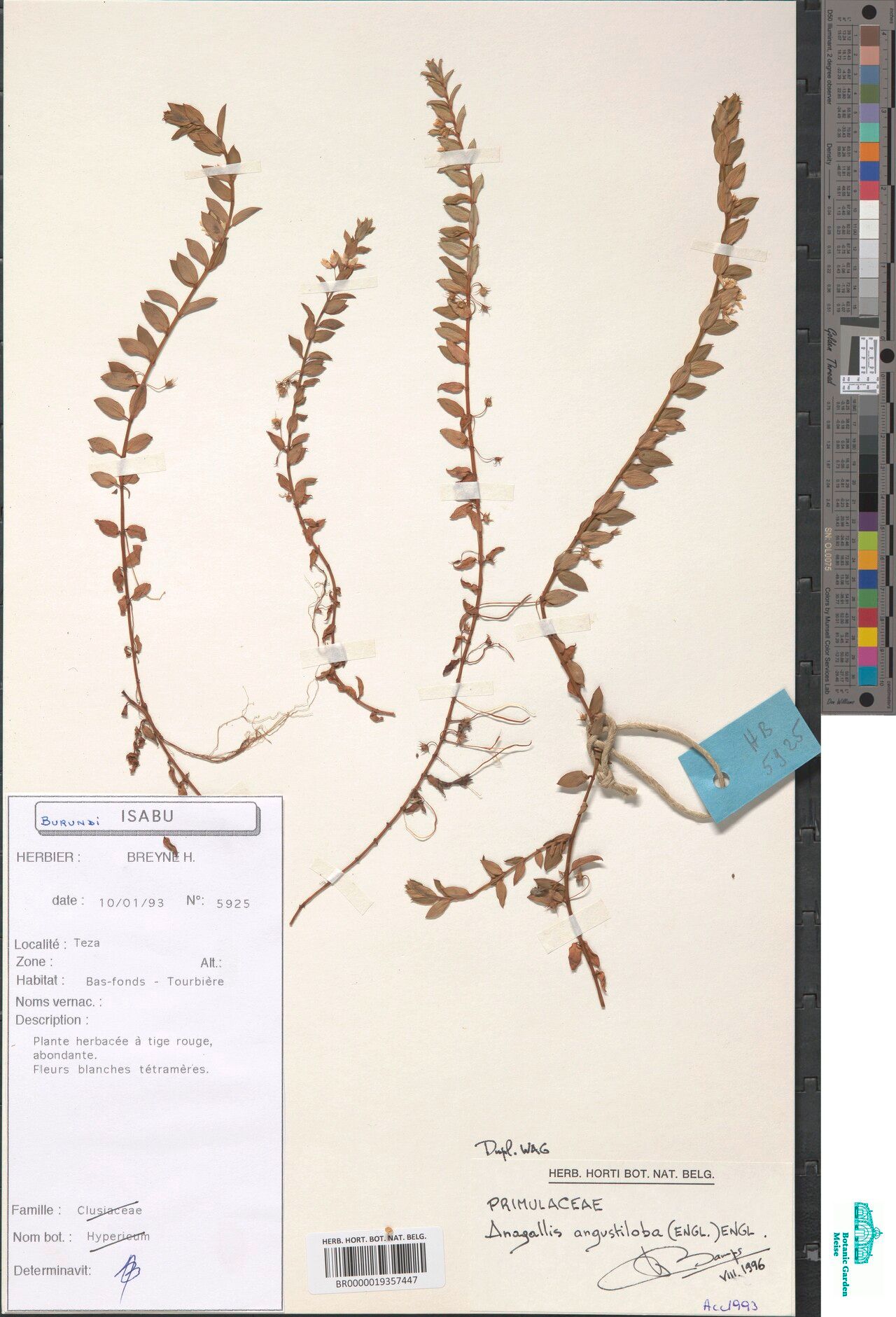
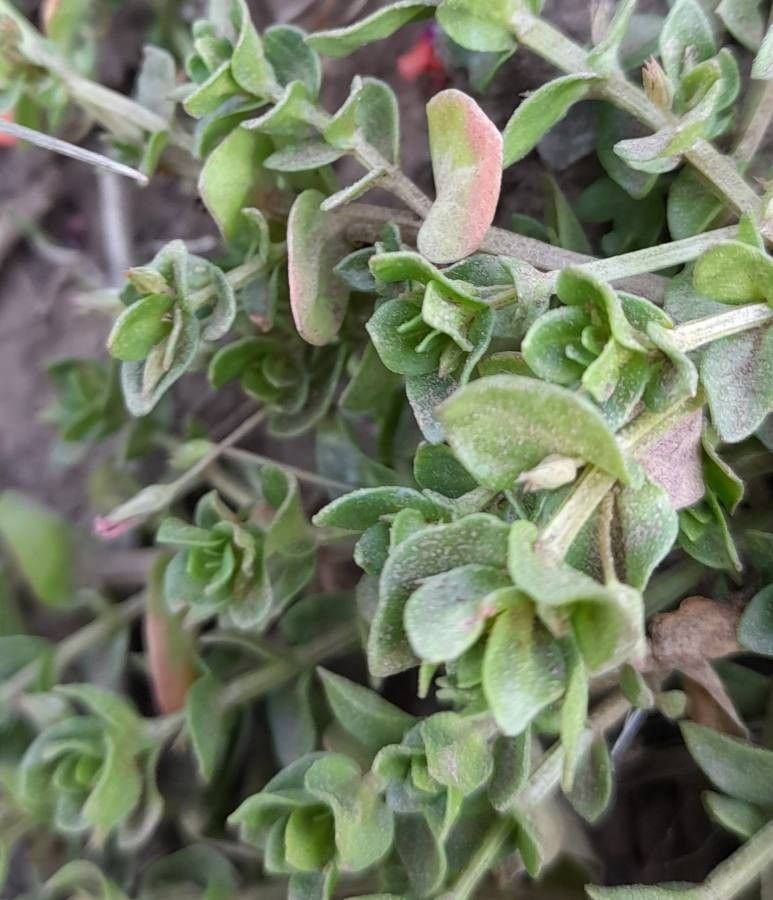
Lysimachia foemina is commonly known as blue pimpernel or poor man's weatherglass, and was formerly called Anagallis foemina. It is a low-growing annual herbaceous plant in the genus Lysimachia of the family Primulaceae. In a comparison of DNA sequences, L. foemina was shown to be most closely related to L. monelli. It had been thought by many to be closest to L. arvensis, and some authors had even included L. foemina as a subspecies of L. arvensis, as Anagallis arvensis subsp foemina. These three species (L arvensis, L foemina and L monelli) were among several transferred from Anagallis to Lysimachia in a 2009 paper.
Blue pimpernel is relatively resistant to disease and usually does not develop illnesses. However, it can be vulnerable to pests and diseases present in its environment. These problems are typically mild. In terms of care, the plant requires moderate maintenance. It should be pruned regularly to keep a neat appearance and support healthy growth. Fertilizing can also help encourage flowering. Blue pimpernel suits anyone with outdoor space, such as a garden or patio, and does not demand extensive care experience. It may need more attention when grown indoors.
How to keep Lysimachia Foemina.
Light
The blue pimpernel mainly prefers environments with less intense sunlight for its growth and well-being. At every stage of development it can tolerate limited sun exposure if it is partly shaded. However, prolonged exposure to strong sunlight can harm its health, since it originated in an ecosystem with dense foliage.
Water
The blue pimpernel flourishes in consistently moist conditions, needing weekly watering to prevent drought stress. It prefers soil that remains evenly moist and benefits when watering aligns with natural rainfall patterns. However, be careful not to oversaturate the soil, as this can hinder its growth. For optimal care and growth, ensure proper watering in garden beds.
Temperature
Blue pimpernel thrives in areas where temperatures match its native habitat, typically between 68 to 95 °F (20 to 35 ℃). In seasons when temperatures fall outside this range, steps should be taken to reproduce these preferred conditions.
Fertilizer
When most of Blue pimpernel's flowers have opened to full size, resume fertilizing. Around the peak bloom period, apply fertilizer every three to four weeks, as the weather allows. Then, once Blue pimpernel begins producing fewer new flowers, stop fertilizing; there's no need to feed it when the plant can no longer produce additional blooms.
Pruning
Blue pimpernel flourishes when properly pruned between early and late spring. Removing dead stems improves air circulation and helps prevent disease, while pinching back new growth encourages bushiness and more blooms. Pruning not only supports healthy growth but also keeps the plant looking tidy.
Botanical profile.
- Plant Type
- Herb
- Life Cycle
- Annual
- Genus
- Lysimachia
- Family
- Primulaceae
- Hardiness Zone
- 8-10
- Mature Height
- 5 cm to 18 cm
- Mature Spread
- 15 cm to 25 cm
- Leaf Color
- Green, Dark Green
- Leaf Type
- Semi-evergreen
- Flower Color
- Blue
- Flower Size
- 0.76 cm
- Bloom Time
- Late spring, Summer, Early fall, Mid fall
- Planting Time
- Spring
- Harvest Time
- Mid summer, Late summer, Fall, Early winter
- Native Area
- Turkey, Sweden, Austria, Slovakia, Montenegro, Slovenia, Morocco, Croatia, Uzbekistan, Russia, Germany, Romania, Latvia, Belgium, Portugal, Netherlands, Saudi Arabia, France, Tajikistan, Czech Republic, Cyprus, Bulgaria, Poland, Armenia, Greece, Ukraine, Serbia, Lebanon, Norway, Syria, Kyrgyzstan, Kazakhstan, Italy, Spain, Switzerland, Denmark, Finland, Albania, Azerbaijan, United Kingdom, Hungary, Turkmenistan
Other names.
Reader questions.
How should I water my Blue pimpernel plant?
Blue pimpernel can be watered using various tools like a garden hose with a spray nozzle, a watering can, or any other common watering tool. They are not too particular about the type of water they receive and can thrive on rainwater, tap water, or filtered water. However, it is best to avoid watering this plant from above to prevent leaf and flower damage as well as potential disease. A drip irrigation system is often the most effective way to water Blue pimpernel, as it provides even and direct watering to the soil. For container-grown Blue pimpernel, you can use a cup, watering can, or tap to water the plant directly at the soil.
What are the sunlight requirements for Blue Pimpernel?
Blue Pimpernel requires specific conditions regarding sunlight exposure for optimal growth. It thrives in areas with full shade, which means it should receive less than 3 hours of sunlight daily, or partial sun, meaning about 3-6 hours of sunlight. It's essential to observe how sunlight moves through your garden to find spots that offer the right balance of light and shade, ensuring the best conditions for your plants. It's important to note that excessive exposure to direct sunlight can adversely affect the plant's health, as it originates from an environment with dense foliage, which suggests it prefers less intensive sunlight.
What are the ideal growing conditions for Blue Pimpernel?
Blue pimpernel thrives in temperatures that range from 68 to 95 °F (20 to 35 °C), which align with its native growth environment. It has some cold tolerance and generally does not require special care if temperatures stay above 0°C. In case temperatures are expected to fall below freezing, protective measures such as wrapping the plant in plastic film, fabric, or other materials are necessary. Once temperatures rise again, these protections should be removed to prevent any potential damage.
What should I do if I give too much or too little water to my Blue pimpernel?
To remedy underwatering Blue pimpernel, simply water it more regularly when you notice it lacks moisture. However, overwatering is a more serious problem, as it can lead to diseases and the plant's decline or death. To prevent this, choose a growing location with ample sunlight and good drainage to avoid waterlogged soil. If you overwater a potted Blue pimpernel, consider changing it to a new pot with proper drainage and loose soil.
What are the essential care tips for Blue Pimpernel?
Caring for Blue Pimpernel involves providing it with an environment that mimics its natural habitat, which means limited direct sunlight. However, if indoor lighting conditions are poor, especially during winter or in locations that do not receive enough sunlight, artificial lighting becomes necessary. LED lights are recommended for their ability to be customized to the plant's needs. Typically, full sun plants require 30-50W/sq ft of artificial light, partial sun plants need 20-30W/sq ft, and full shade plants should get 10-20W/sq ft. The light source should be placed 12-36 inches above the plants, mimicking natural daylight hours which most plants need for about 8-12 hours per day.
How does Blue Pimpernel react to low temperatures?
Blue pimpernel has a moderate tolerance to low temperatures, thriving best above 20°C and needing to be kept above 0°C during winter. If temperatures drop below -10°C, the plant's leaves may droop and, in severe cases, wilt and fall off. To protect Blue pimpernel from low temperatures, frost-damaged parts should be trimmed off. Before facing low temperatures again, wrapping the plant with non-woven fabric or cloth and constructing a wind barrier can help protect it from cold winds.
How much water does my Blue pimpernel need?
To keep your Blue pimpernel healthy, it needs consistent watering throughout the growing season. In the spring, water it once a week. As the weather gets warmer, you may need to increase watering to two or three times a week. However, be careful not to overwater, as this can harm the plant. Regardless of how often you water, make sure the soil remains moist but not wet. If your Blue pimpernel is in a pot, you'll need to water it more frequently than if it's in the ground. Potted plants dry out faster, so aim for a few times a week instead of just once.
What are the symptoms of insufficient light in Blue Pimpernel?
When Blue Pimpernel does not receive adequate sunlight, it may display several symptoms indicating light deficiency. These include smaller new leaves than the previous ones, leggy or sparse growth with longer spaces between leaves or stems, a quicker drop of older leaves, delayed growth or a complete halt in new leaf production, and paler new leaves indicating a lack of chlorophyll. Additionally, excessive sunlight can lead to chlorosis, sunscald, leaf curling, wilting, and leaf scorching. These symptoms signify that the lighting conditions need to be adjusted to ensure the plant's health.
What should I do if Blue Pimpernel experiences high temperatures?
During summer, it's important to keep Blue pimpernel below 35°C. Temperatures exceeding 41°C can cause the leaves to lighten in color, dry and wither at the tips, curl, and the plant becomes more prone to sunburn. To mitigate damage from high temperatures, trim away sunburned and dried-up parts of the plant. Moving the plant to a shadier location during the midday and afternoon sun, or creating shade with a cloth, can protect it. Additionally, watering the plant in the morning and evening helps keep the soil moist, providing further support during hot periods.
How much water does my Blue pimpernel require?
Determining the right amount of water for your Blue pimpernel can be approached in a few different ways. Some gardeners prefer to assess the soil moisture by feeling it, and suggest watering until the top six inches are moist. Alternatively, you can use a general measurement of two gallons per week, considering factors like temperature and soil dryness. However, strict adherence to this may result in overwatering if your plant needs less. When growing Blue pimpernel in a container, a different method is necessary. You should water enough to moisten all dry soil layers, which can be checked by inserting a finger or observing excess water drainage from the pot.
How can I address lighting issues for my Blue Pimpernel?
Addressing lighting issues for Blue Pimpernel involves adjusting the plant's exposure to sunlight and possibly using artificial lighting. For indoor plants not easily movable or too large, consider locating them where they can receive ample filtered light or use artificial lighting such as a desk or ceiling lamp for at least 8 hours a day. Outdoors, gradually acclimate your plants to sunnier spots to prevent sunburn. If the light is blocked by trees, pruning may be necessary. For smaller plants, transplanting during the dormant period with ample sunlight and good drainage can help. Remember, parts of the plant that suffered from insufficient sunlight might not recover, but new growth should be healthy with improved light conditions.
How do I know if I'm giving enough water to my Blue pimpernel?
Avoiding overwatering your Blue pimpernel can be tricky. While you should water the soil weekly due to their deep roots, these plants are prone to root rot and browning if overwatered. Underwatering is less of a concern as Blue pimpernel can survive without extra watering for some time. However, if you wait too long, the plant will wilt and the leaves may become dry.