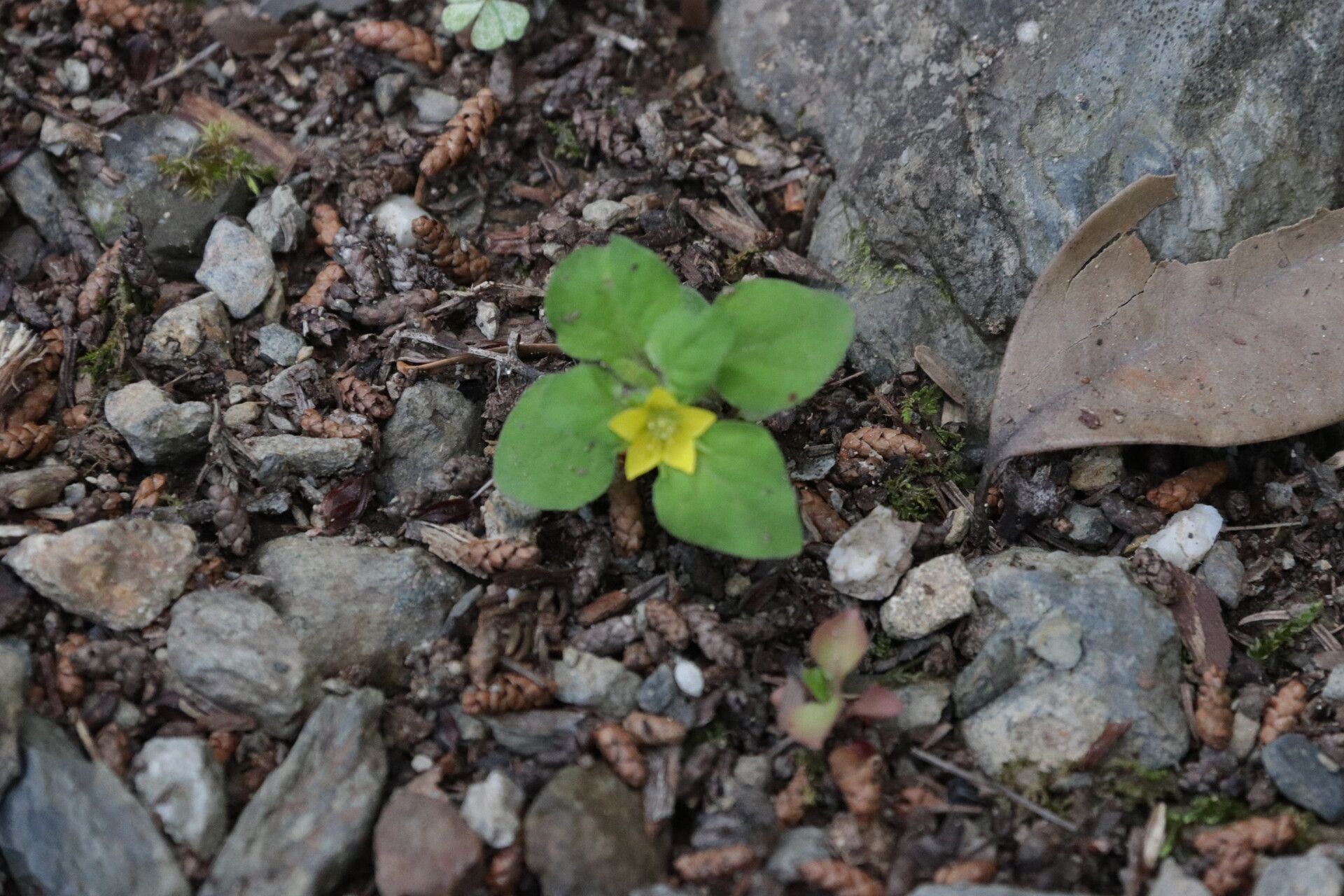
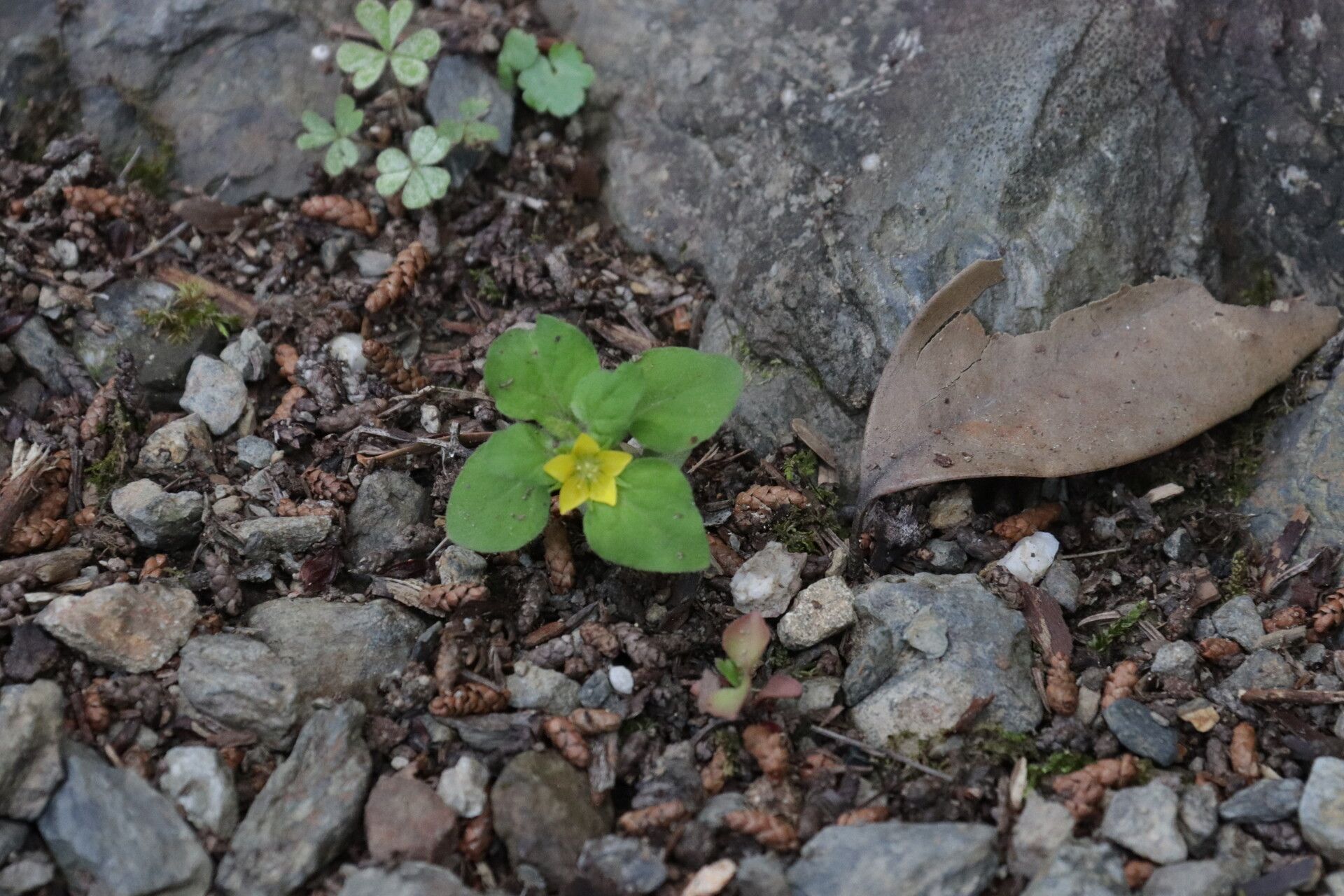
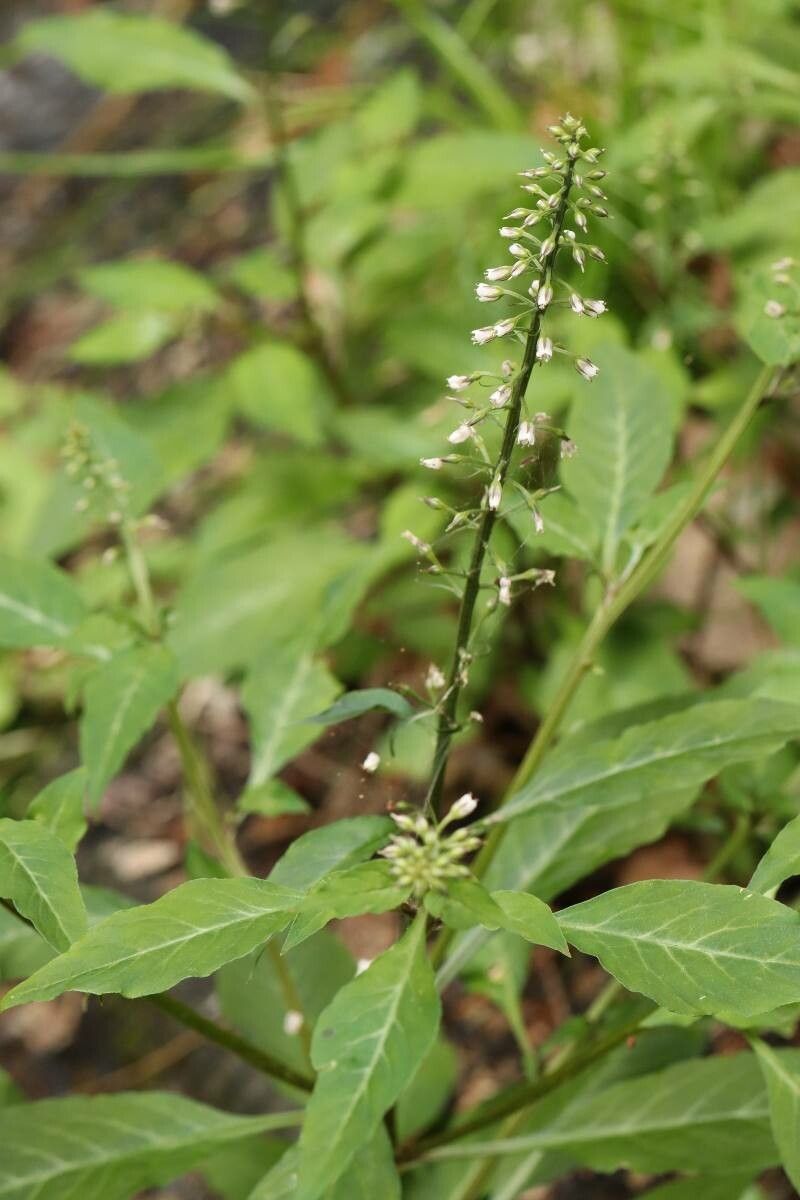
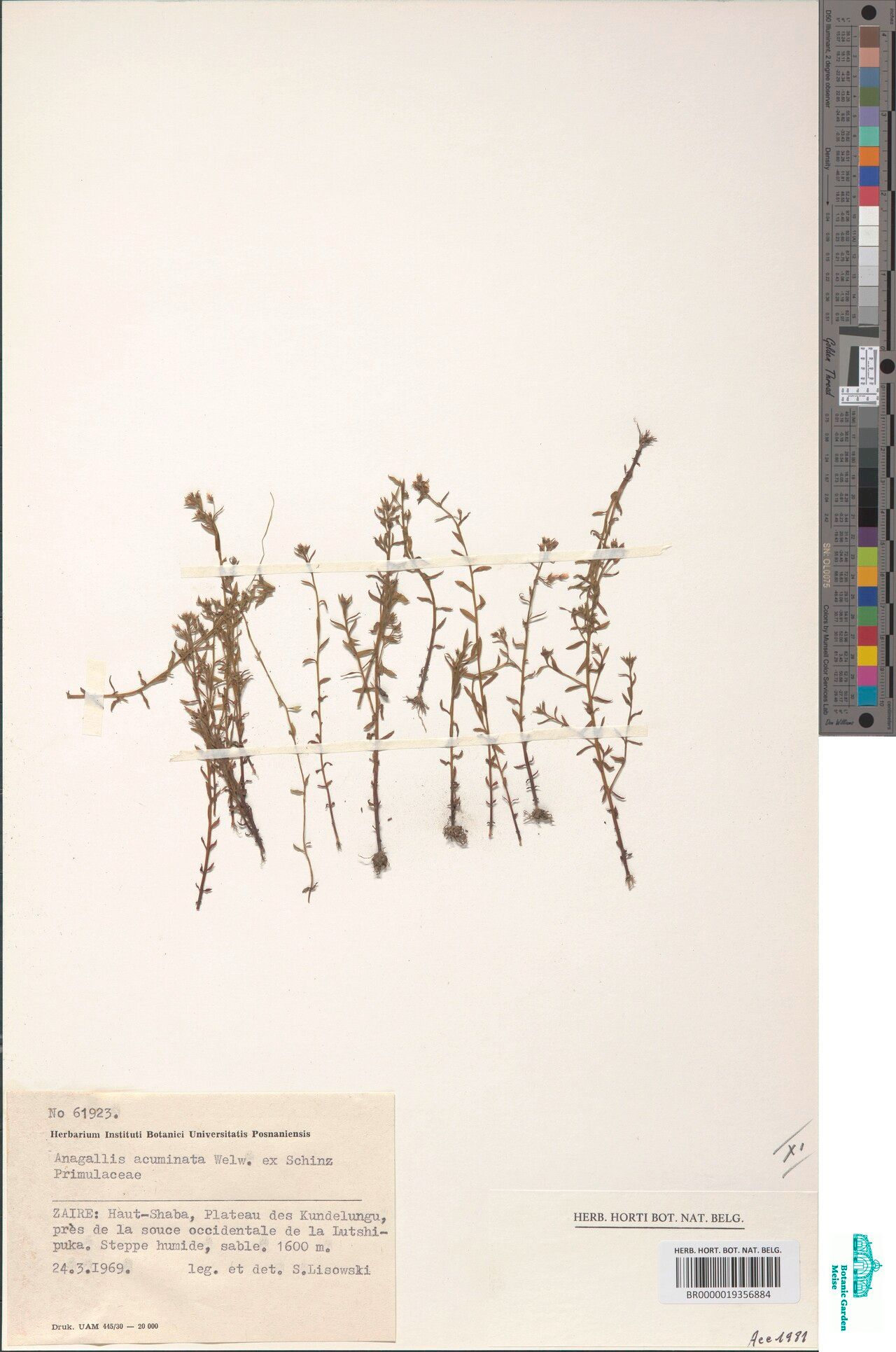
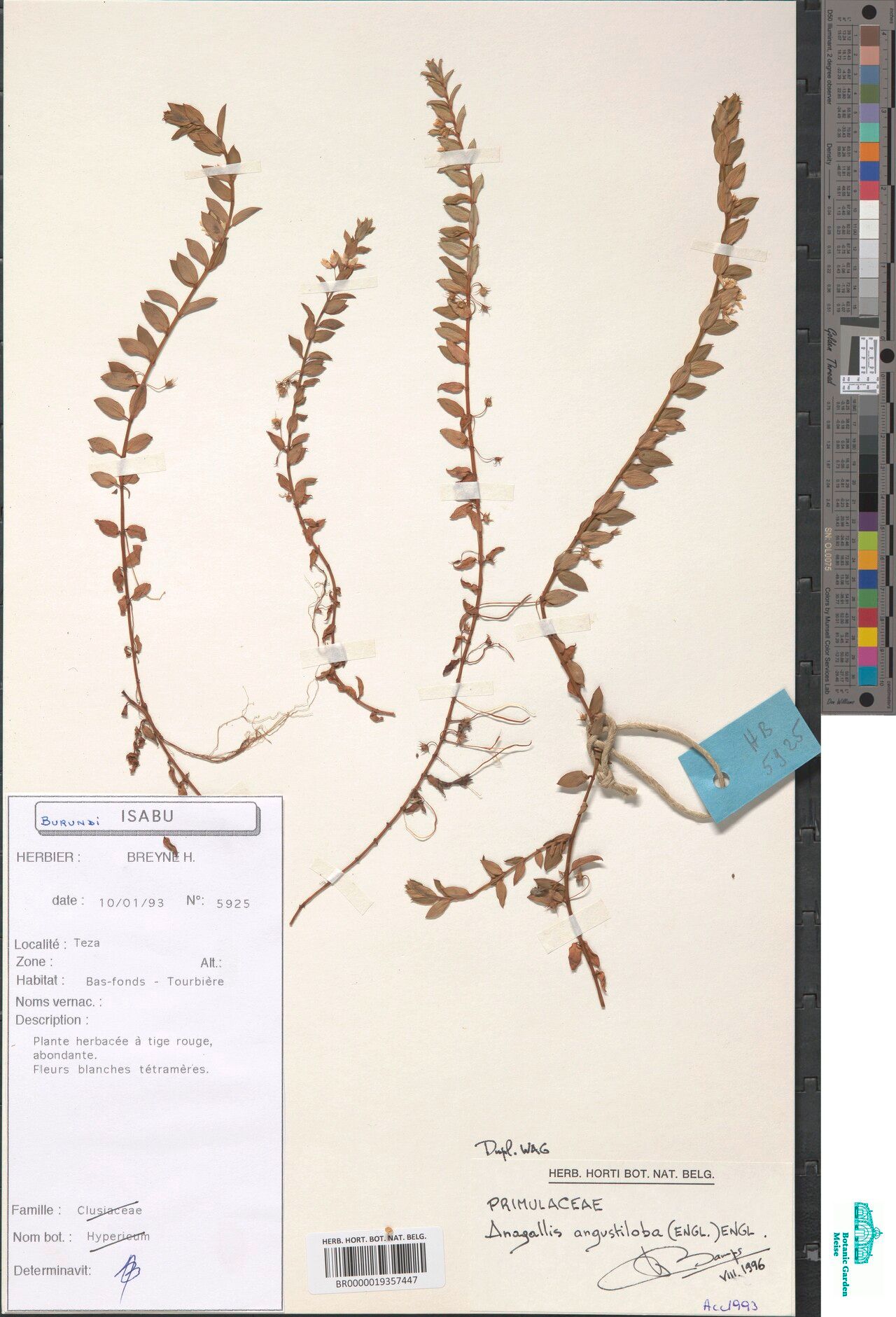
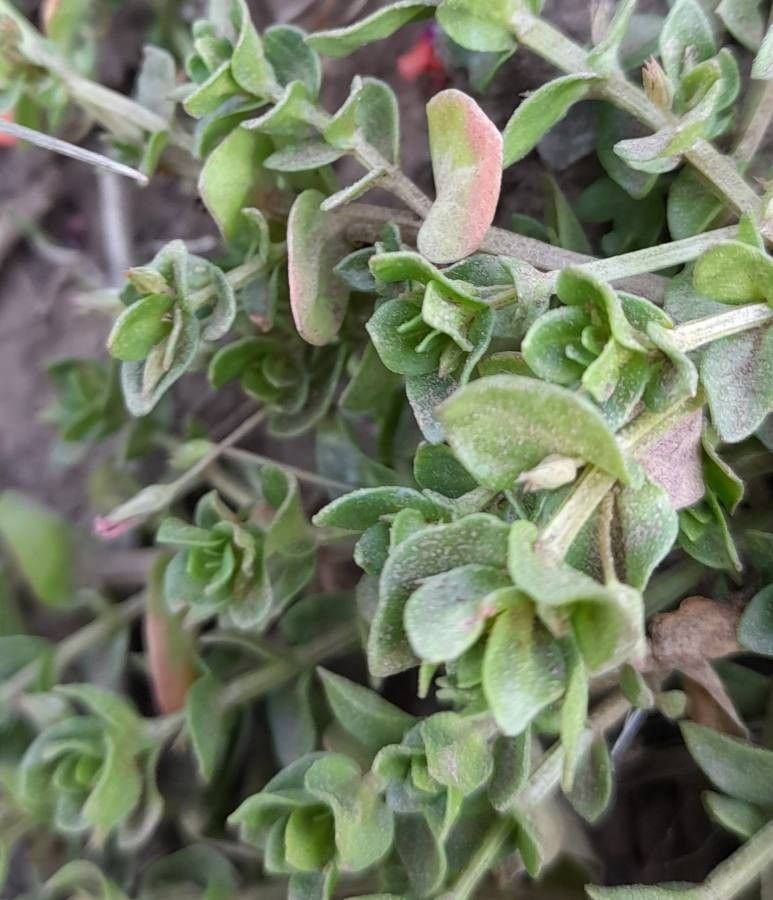
Lysimachia japonica, commonly known as Japanese loosestrife, is a perennial herbaceous plant native to East Asia and belongs to the Primulaceae family. It can grow up to 60 cm tall and features glossy green, lance-shaped leaves arranged in opposite pairs along its stem. During the summer, it produces clusters of small yellow flowers on tall spikes that rise above the foliage.
This plant thrives in moist soil and partial shade but can also tolerate full sun if it receives adequate water. It is often used as a ground cover or border plant in gardens due to its attractive foliage and bright flowers.
In traditional Chinese medicine, Lysimachia japonica has been valued for its anti-inflammatory properties. However, it is important to note that some species of Lysimachia are considered invasive in regions outside their native range.
In summary, Lysimachia japonica is an appealing ornamental plant with medicinal benefits, but it should be carefully monitored if grown outside its natural habitat to prevent potential invasiveness.
Japanese yellow loosestrife has good disease resistance and is generally not prone to diseases. However, it can be susceptible to pests and diseases present in its surroundings; these infections are usually not severe. In terms of care, the plant requires moderate maintenance. It needs regular pruning to maintain a good appearance and healthy growth. Fertilization can also help promote flowering. Japanese yellow loosestrife is suitable for anyone with outdoor space, such as a garden or patio, and does not require much experience in plant care. It may need more attention when grown indoors.
How to keep Lysimachia Japonica.
Light
Japanese yellow loosestrife thrives in areas that get strong sunlight for most of the day, and it can likewise adapt to spots with steady, moderate light. This tendency stems from its native habitat, which is marked by abundant sun. Too little or too much sunlight can lead to stunted growth or faded foliage in the plant.
Water
Japanese yellow loosestrife thrives in conditions with balanced moisture and moderate humidity. To mimic its natural environment, it should be watered weekly. This plant grows best outdoors during the rainy season, as it cannot withstand drought or excessive humidity.
Temperature
Japanese yellow loosestrife comes from climates where temperatures range from 41 to 89.6 °F (5 to 32 ℃). It grows best within that range. Making seasonal temperature adjustments can improve its growth.
Fertilizer
For Japanese yellow loosestrife, the primary time to fertilize is early spring as the flowers begin to form. The proper fertilizer promotes better blooms and helps Japanese yellow loosestrife produce attractive flowers. Fertilizing in early spring ensures strong flowering during the season and supplies energy for dormant growth phases.
Pruning
Japanese yellow loosestrife is a resilient perennial plant known for its bright yellow flowers. To encourage growth and maintain its appearance, prune the plant from early to late spring and remove any faded flowers. Be sure to clean your tools to prevent the spread of disease, and consider thinning any dense areas to improve light penetration. Proper pruning not only enhances the plant's appearance but also promotes vigorous flowering.
Botanical profile.
- Plant Type
- Herb
- Life Cycle
- Perennial
- Genus
- Lysimachia
- Family
- Primulaceae
- Hardiness Zone
- 5-8
- Mature Height
- 6 cm to 30 cm
- Mature Spread
- 25 cm to 49 cm
- Leaf Color
- Green, Blue
- Leaf Type
- Semi-evergreen
- Flower Color
- Yellow
- Flower Size
- 0.51 cm to 1.02 cm
- Bloom Time
- Late spring, Early summer, Mid summer
- Planting Time
- Spring, Summer
- Harvest Time
- Late summer, Early fall
Other names.
Reader questions.
Does sunlight harm Japanese yellow loosestrife? How can I keep Japanese yellow loosestrife safe from the sun and heat?
In warm climates, some Perennial Flowering Plants may struggle with excessive heat and suffer from sun damage. They can wilt, dry out, or even experience growth problems if they are consistently exposed to the intense afternoon sun. However, not all plants require protection from the light afternoon sun. For those that are harmed by intense afternoon exposure, it is recommended to provide them with some shade in warmer climates. Gardeners can achieve this by planting these plants in areas that do not receive direct heat during the afternoon, such as under trees or behind bushes.
What temperatures do young Japanese yellow loosestrife plants need in their first year?
If you have a new Japanese yellow loosestrife plant that you've put outside for the first time, it's important to take some extra care during the coldest months. Frost can be especially harmful to a first-year plant and may prevent it from growing back healthy in the spring. To protect your plant, make sure it stays at a temperature of 40℉(5℃) or above. You can achieve this by either bringing it indoors for a month or two, or by using mulch or fabric barriers to block out frost. In the first year or two, it's best to plant Japanese yellow loosestrife in a shadier area. Smaller and weaker plants have a harder time regulating their temperature in the heat, so it's important to limit their exposure to direct sunlight to no more than five hours per day, especially if the temperature rises above 80℉(27℃). Using shadecloth and giving the plant frequent watering or misting can help control the summer heat.
Best temperature suggestions for Japanese yellow loosestrife during inactive period.
In order for Japanese yellow loosestrife to sprout at the right time, it needs to remain dormant until the danger of frost has passed. Sprouting too early, especially if it has already started growing, can be fatal. Ideally, winter temperatures should stay below 32℉(0℃), but if they reach 40℉(5℃), it's not a problem. However, in more temperate climates, there may be unexpected warm spells that cause premature sprouting. If frost is still a concern, you can protect the sprout by covering it with clear plastic. This can be removed once the danger of frost has passed. Occasionally, Japanese yellow loosestrife may naturally sprout at the right time, but using this method increases the chances of a successful second sprouting.