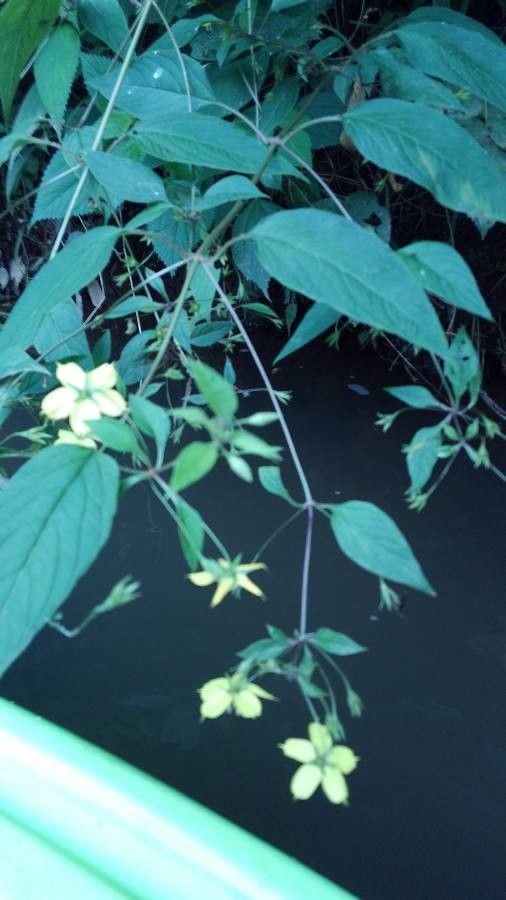
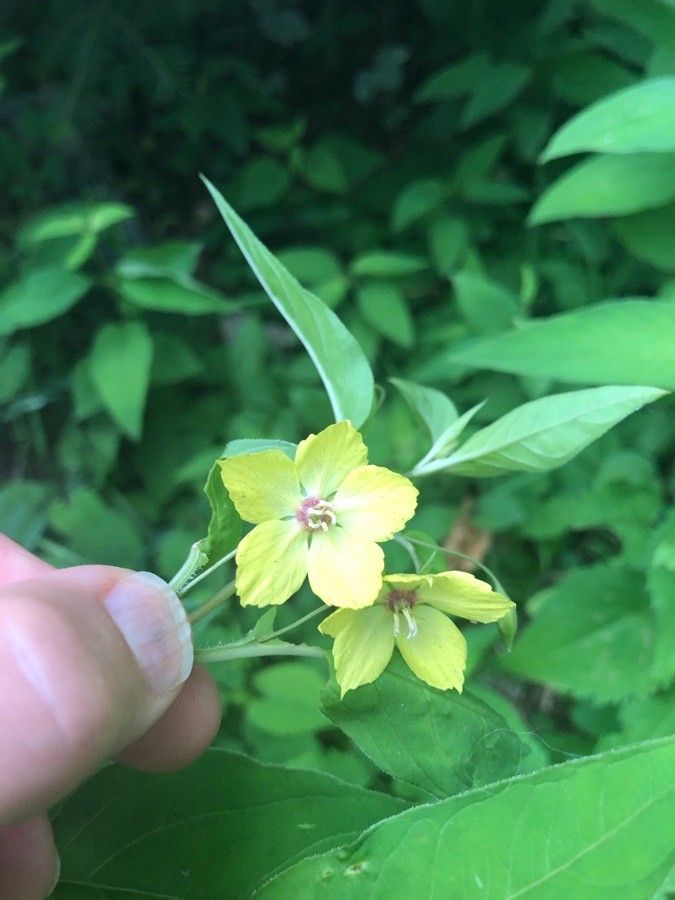
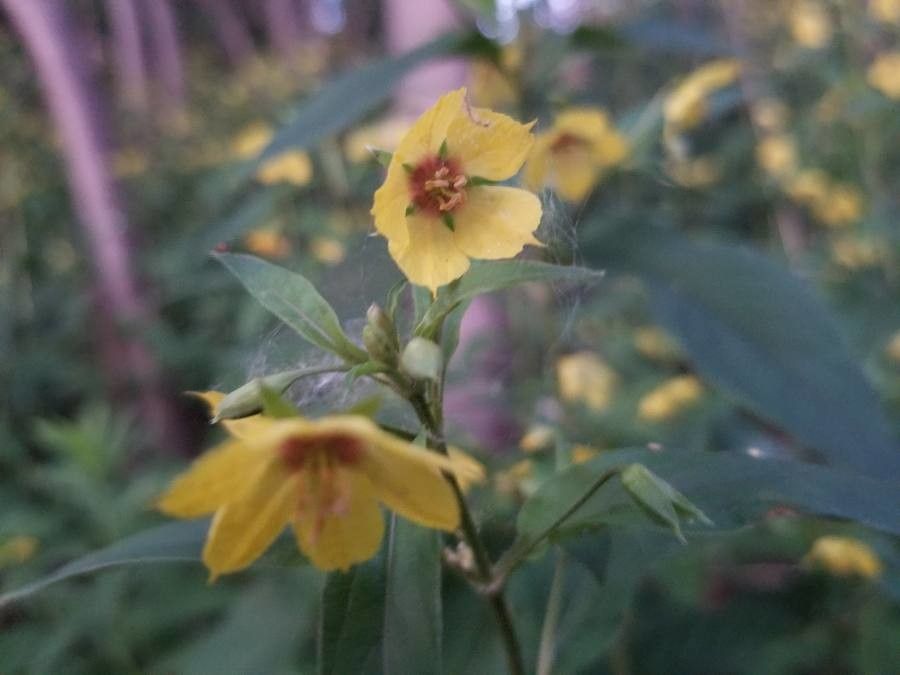
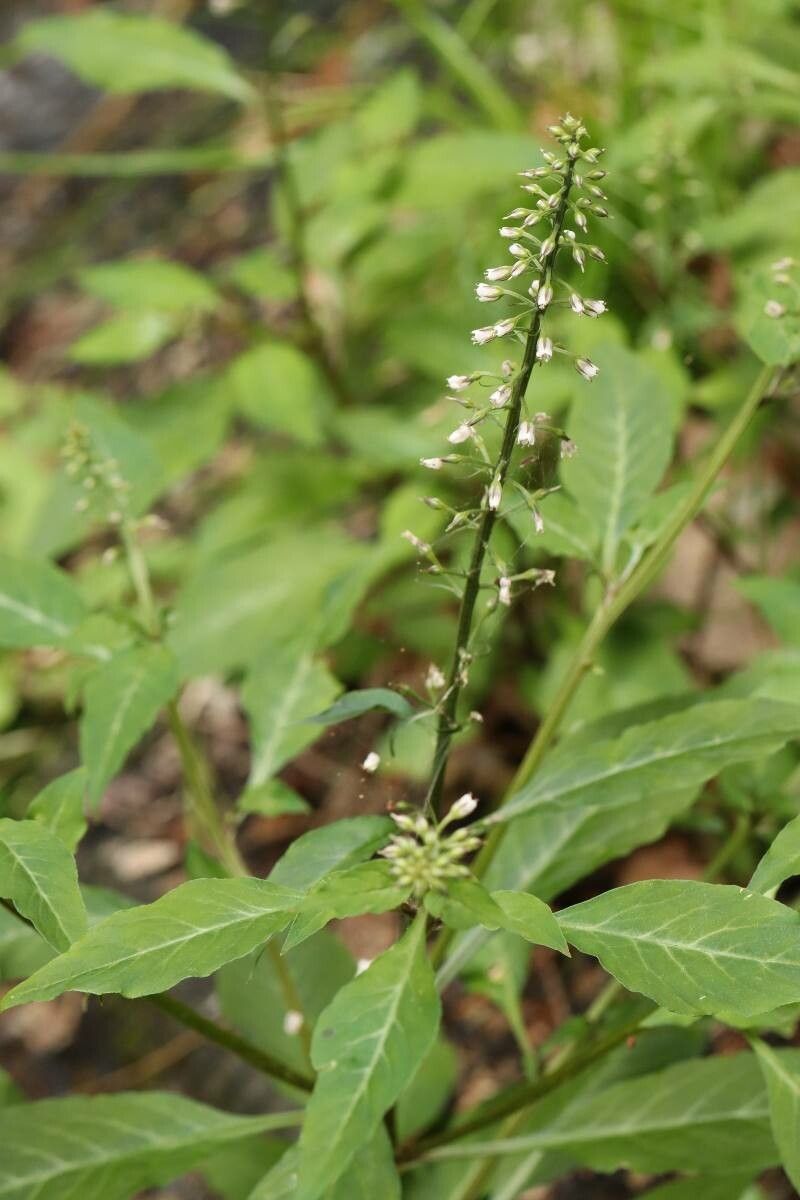
Lanceleaf loosestrife has strong resistance to diseases and is typically not vulnerable to them. Still, it can be affected by pests and diseases present in its environment. Such infections are generally mild. Regarding care, this plant needs moderate maintenance. It should be pruned regularly to preserve a neat appearance and encourage healthy growth. Applying fertilizer can also help enhance flowering. Lanceleaf loosestrife is appropriate for anyone with outdoor space, like a garden or patio, and does not demand extensive gardening experience. It may need more attention when cultivated indoors.
How to keep Lysimachia Lanceolata.
Light
Lanceleaf loosestrife is a perennial herbaceous plant that favors sunny sites and comes from open habitats, commonly thriving in meadows and grasslands. It prefers full sun but can also tolerate partial sun.
Water
Lanceleaf loosestrife thrives in wet environments and needs weekly watering to avoid drought or waterlogging. This herbaceous perennial benefits from natural rainfall during its active growth season, which helps maintain its lush growth through balanced hydration.
Temperature
Lanceleaf loosestrife can tolerate a wide range of temperatures, but its range may still be constrained by different combinations of moisture and heat. It does best in warm summer conditions with sufficient rainfall or irrigation. Extended periods of cloudy, rainy weather, or prolonged high heat can raise the likelihood of Lanceleaf loosestrife dying. In winter, adequate protection from cold can increase the plant’s chances of survival.
Fertilizer
For Lanceleaf loosestrife, the primary time to fertilize is early spring as the flowers begin to form. The appropriate fertilizer promotes better blooms and helps the plant produce attractive flowers. Fertilizing in early spring ensures excellent flowering during the season and supplies energy for dormant growth phases.
Pruning
Lanceleaf loosestrife, with its lance-shaped leaves and vibrant flowers, benefits from pruning between early and late spring, just before new growth begins. To maintain its shape and encourage reblooming, remove any dead stems and spent blooms. Regular pruning also helps improve air circulation and increase disease resistance. Be sure to use clean, sharp tools for the best results.
Botanical profile.
- Plant Type
- Herb
- Life Cycle
- Perennial
- Genus
- Lysimachia
- Family
- Primulaceae
- Hardiness Zone
- 4-8
- Mature Height
- 30 cm to 91 cm
- Mature Spread
- 30 cm to 61 cm
- Leaf Color
- Green, Dark Green
- Leaf Type
- Semi-evergreen
- Flower Color
- Yellow
- Flower Size
- 1.02 cm to 2.03 cm
- Bloom Time
- Early summer, Mid summer
- Planting Time
- Spring, Summer, Autumn
- Harvest Time
- Late summer, Early fall
Other names.
Reader questions.
What are the sunlight requirements for Lanceleaf loosestrife?
Lanceleaf loosestrife thrives when it receives full sun, which is defined as more than 6 hours of sunlight daily. However, it can also tolerate partial sun conditions, receiving about 3-6 hours of sunlight. It's essential to observe how sunlight moves through your garden to choose optimal spots that ensure a balance of light and shade, conducive to the plant's health and growth.
How important is artificial lighting for indoor Lanceleaf loosestrife plants?
Artificial lighting is crucial for indoor Lanceleaf loosestrife plants, especially when natural sunlight is insufficient, such as in winter or less sunny spaces. Proper artificial lighting, like LED lights, can be customized to provide specific wavelengths needed by your plants, encouraging faster and healthier growth. Full sun plants require 30-50W/sq ft of artificial light, partial sun plants need 20-30W/sq ft, while full shade plants need 10-20W/sq ft. The light should be placed 12-36 inches above the plant for 8-12 hours per day to mimic natural sunlight conditions.
What are the symptoms of inadequate lighting for Lanceleaf loosestrife?
Inadequate lighting can lead to several symptoms in Lanceleaf loosestrife, including smaller new leaves, leggy or sparse growth, early leaf drop, halted growth, and chlorosis. Additionally, excessive sunlight can cause sunscald, leaf curling, wilting, and leaf scorching. These symptoms reflect the plant's struggle with unsuitable light conditions, either too little or too much, affecting its health and vibrancy.
What solutions can help Lanceleaf loosestrife with inadequate lighting?
To address inadequate lighting, gradually acclimatize your Lanceleaf loosestrife to receive at least 6 hours of direct sunlight daily. This can be achieved by moving the plant closer to a south-facing window or using artificial light sources like desk or ceiling lamps, or professional plant grow lights, for at least 8 hours daily. For outdoor plants, shifting them weekly to sunnier spots can help avoid sudden light intensity changes and potential sunburn. Removing obstructions or transplanting to sunny locations with good drainage are effective strategies for ground-planted Lanceleaf loosestrife.