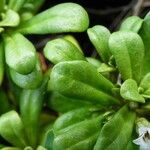
Lysimachia mauritiana
Spoon-Leaf Island-Loosestrife · Spoonleaf yellow loosestrife · Spoon-leaf yellow loosestrife
Description
Source: leafsnapLysimachia mauritiana, commonly known as Mauritius loosestrife, is a perennial herbaceous plant belonging to the Primulaceae family. Native to Madagascar and parts of Africa, this plant can grow up to 1 meter tall and features lance-shaped leaves arranged in whorls around its stem. In the summer, Lysimachia mauritiana produces bright yellow flowers that bloom in clusters at the top of the stem. The plant thrives in moist soil conditions and can grow in both full sun and partial shade. Traditionally, Lysimachia mauritiana has been used for its medicinal properties, such as treating fever, diarrhea, and skin infections. Its attractive flowers also make it a popular choice for ornamental use in gardens. However, it's important to note that Lysimachia mauritiana can become invasive if not properly managed, as it spreads rapidly through underground rhizomes. Therefore, it should be planted with caution or avoided altogether if invasive species are a concern in your area.
Care Guide
💧 Water Every 7 days
Spoonleaf yellow loosestrife thrives in environments with moderate rainfall, requiring balanced moisture and high humidity. It is resilient to wet conditions and benefits from being watered weekly. This plant is commonly found outdoors and flourishes during the rainy season, reflecting its strong growth cycle in periods of high precipitation.
☀️ Light Full sun
Spoonleaf yellow loosestrife does best in conditions that provide plenty of direct, unfiltered light for much of the day. It can also tolerate spots where only scattered rays reach it. In its natural habitat it receives abundant sun, which supports healthy, vigorous growth. Too little light may produce weak, leggy plants, while too much exposure can lead to burning or browning.
What are the sunlight requirements for Spoonleaf yellow loosestrife?
Spoonleaf yellow loosestrife requires full sun, which means it needs to be in a location that receives above 6 hours of sunlight a day. It can also thrive in partial sun, with about 3-6 hours of sunlight. It's important to observe the movement of sunlight in your garden to ensure your plants get the right balance of light and shade. Adequate sunlight exposure is crucial for the plant's health, promoting robust and healthy growth. In contrast, insufficient light may lead to weak or leggy growth, while too much direct sunlight could cause issues like burning or browning of the plant.
How can artificial lighting be used for indoor Spoonleaf yellow loosestrife plants?
Indoor Spoonleaf yellow loosestrife plants benefit significantly from adequate lighting, especially when natural sunlight is insufficient. Artificial lights, such as LEDs, can replicate the specific wavelengths of light needed for the plant's growth. It's recommended to provide 30-50W/sq ft for full sun plants, 20-30W/sq ft for partial sun plants, and 10-20W/sq ft for full shade plants using artificial light sources. The lights should be placed 12-36 inches above the plant to mimic natural light conditions and be kept on for 8-12 hours per day to ensure optimal growth. This approach is particularly useful during winter or in less sunny spaces.
What are the signs of insufficient light exposure in Spoonleaf yellow loosestrife?
Spoonleaf yellow loosestrife shows several signs when it doesn't receive enough light. New leaves might grow smaller than previous ones, and the plant may exhibit leggy or sparse growth, indicating it's stretching towards the light source. Additionally, the plant could experience faster leaf drop as it sheds older leaves to conserve resources. Growth can become delayed or stop altogether if the light conditions do not improve. Insufficient sunlight may also cause leaves to develop a lighter color or appear pale, indicating a lack of essential nutrients and chlorophyll.
What are the symptoms of overexposure to sunlight in Spoonleaf yellow loosestrife?
Overexposure to sunlight can lead to chlorosis, where leaves lose their green color and turn yellow, indicating a breakdown of chlorophyll which affects photosynthesis. Sunscald might occur, presenting as pale, bleached areas on leaves or stems. Leaves may curl or twist to minimize surface area exposure, reducing water loss and damage. Additionally, the plant might exhibit wilting due to increased transpiration and leaf scorching, characterized by dry, brown edges on leaves. These symptoms show the plant's struggle with intense sunlight exposure.
How can you manage light exposure for Spoonleaf yellow loosestrife?
Managing light exposure for Spoonleaf yellow loosestrife involves several strategies. Indoors, gradually move your plant to a sunnier location each week until it receives at least 6 hours of sunlight daily. Utilize a south-facing window and keep curtains open during daylight. If moving the plant isn't feasible, consider artificial lighting such as a desk or ceiling lamp for at least 8 hours daily, or invest in professional plant grow lights. Outdoors, adjust the plant's location to a sunnier spot gradually to prevent sunburn. If sunlight is blocked by obstacles like trees, consider pruning to enhance light filtration. For smaller, easily movable plants, transplanting during the dormant period to a location with ample sunlight and good drainage can be beneficial. Note that parts of the plant already affected due to low light may not recover, but new growth should be healthy with increased light exposure.
🌡️ Temperature 15–35°C
Spoonleaf yellow loosestrife comes from tropical areas where the climate is typically warm and humid. Consequently, it is adapted to high temperatures and humidity. It does not tolerate sudden temperature shifts and prefers a consistent thermal environment, so avoiding indoor temperature fluctuations is important. It generally cannot withstand cold and needs warmer conditions to grow. If the ambient temperature falls too low, the plant may stop growing or even die.
💨 Humidity
🪴 Soil 6-7
🌱 Fertilizer
Appropriate fertilization is essential for Spoonleaf yellow loosestrife's health and appearance. Fertilize Spoonleaf yellow loosestrife during the summer, repeating the application monthly throughout the season. Nutrients supply the energy needed for growth and help maintain the plant's parts. Fertilizing improves Spoonleaf yellow loosestrife's floral display, helping produce the best blooms.
🪴 Pot & Repot
✂️ Pruning
Prune spoonleaf yellow loosestrife from early to late spring to encourage growth and flowering. Remove dead stems and trim any leggy growth to promote a bushier shape. Be sure to use sharp tools to prevent disease and improve air circulation, which also helps reduce pests. For the best results, consult local horticultural sources for advice tailored to your specific climate and conditions.
🌿 Propagating
🐛 Diseases & pets
☠️ Toxicity
Characteristics
- Plant Type
- Herb
- Life Cycle
- Perennial
- Genus
- Lysimachia
- Family
- Primulaceae
- Hardiness Zone
- 8-10
- Mature Height
- 30 cm to 61 cm
- Mature Spread
- 30 cm to 61 cm
- Leaf Color
- Green, Dark Green
- Leaf Type
- Semi-evergreen
- Flower Color
- Yellow
- Flower Size
- 1.02 cm to 1.52 cm
- Bloom Time
- Summer
- Planting Time
- Spring, Summer, Autumn
- Harvest Time
- Late summer, Early fall, Mid fall
- Native Area
- Philippines, Japan, China, South Korea