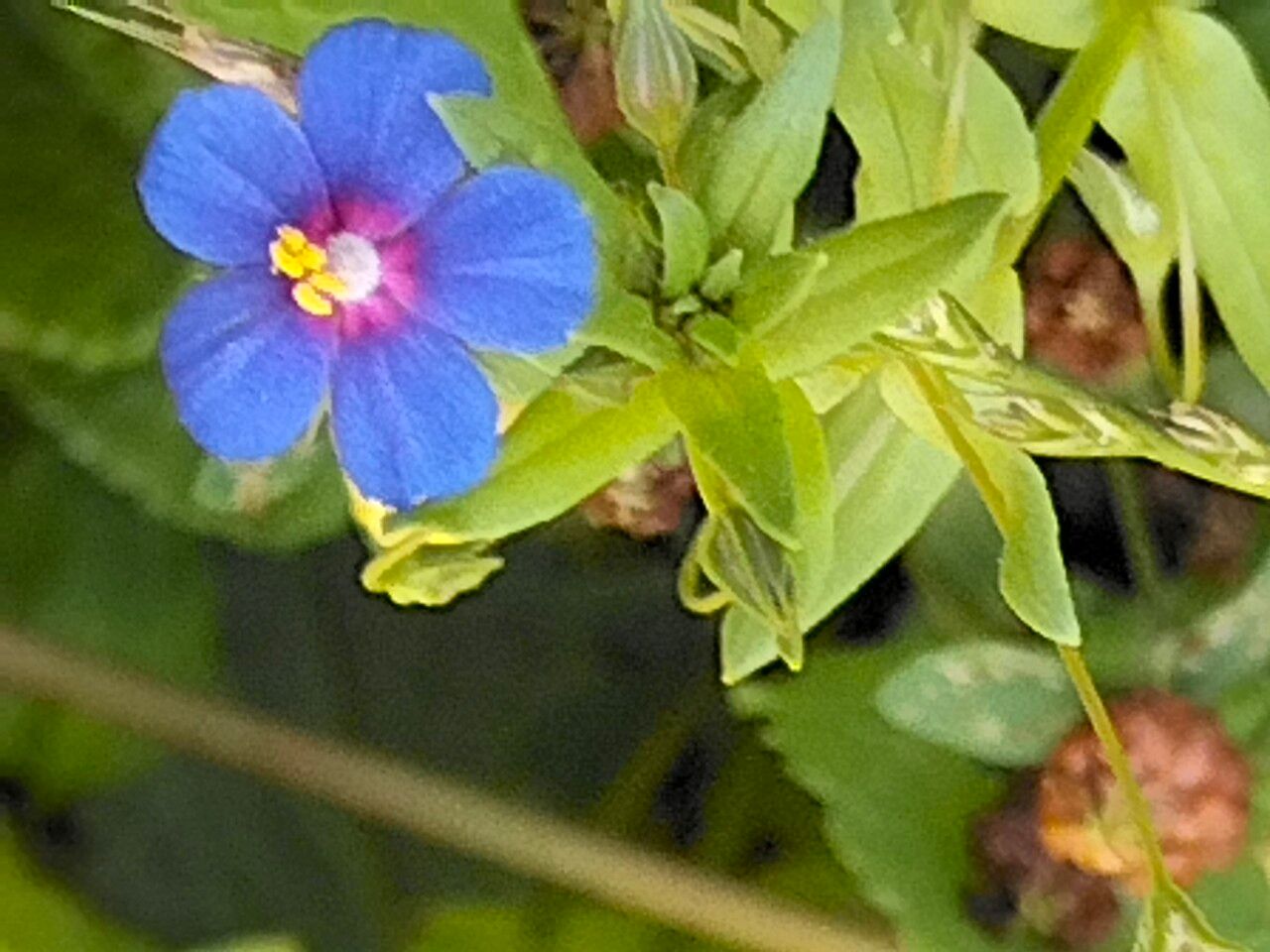
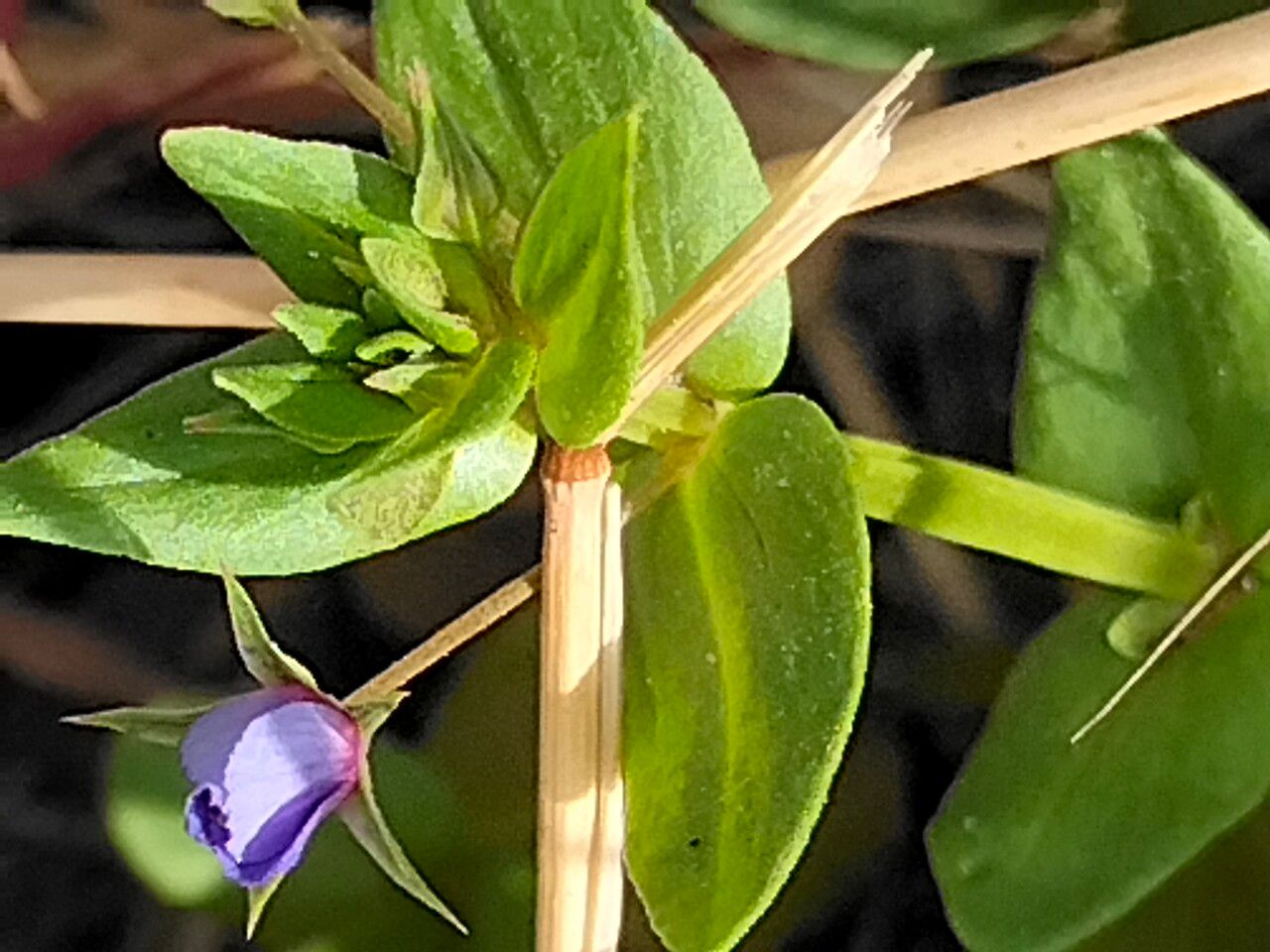
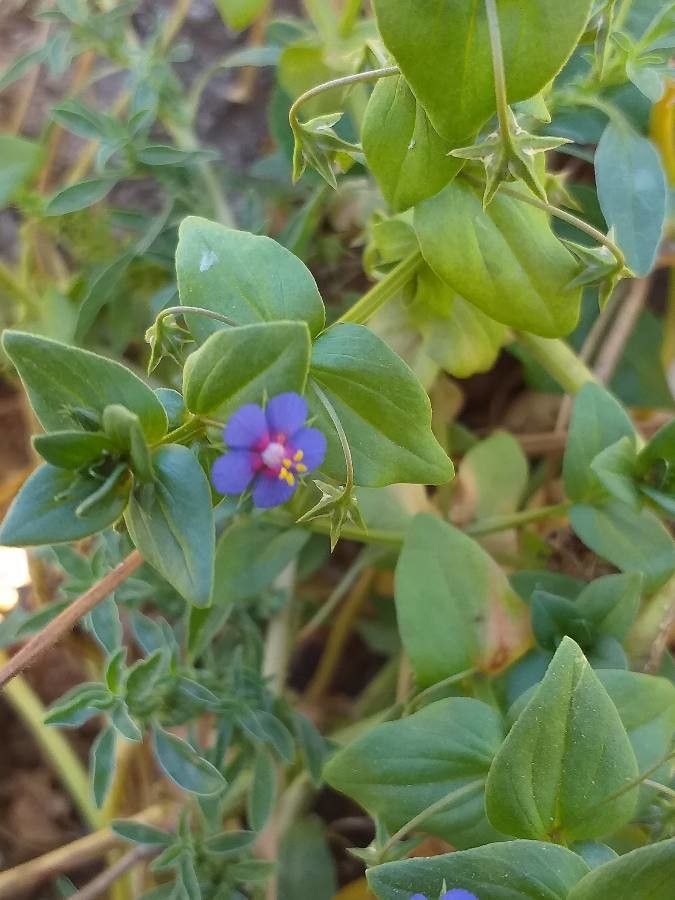
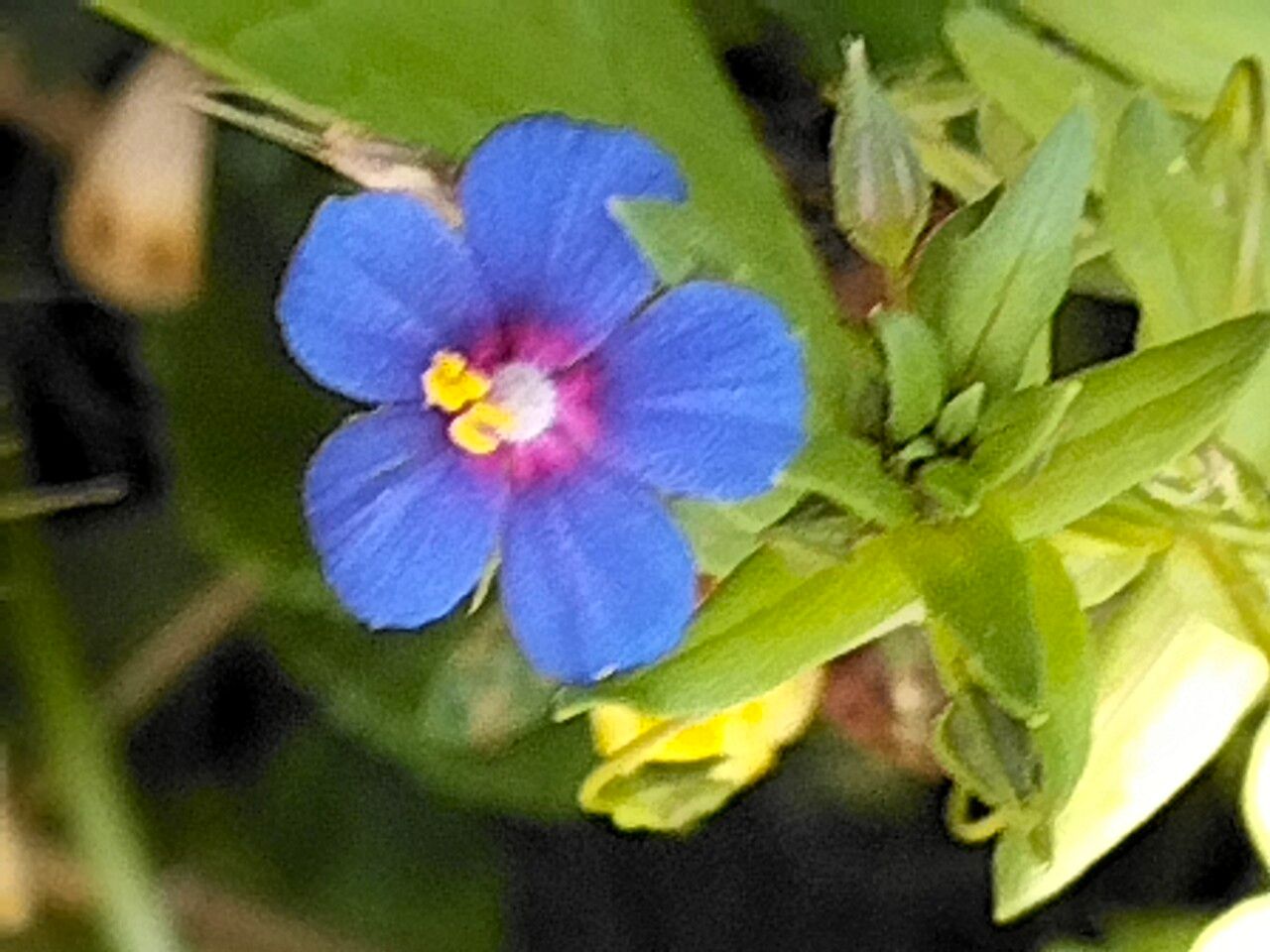
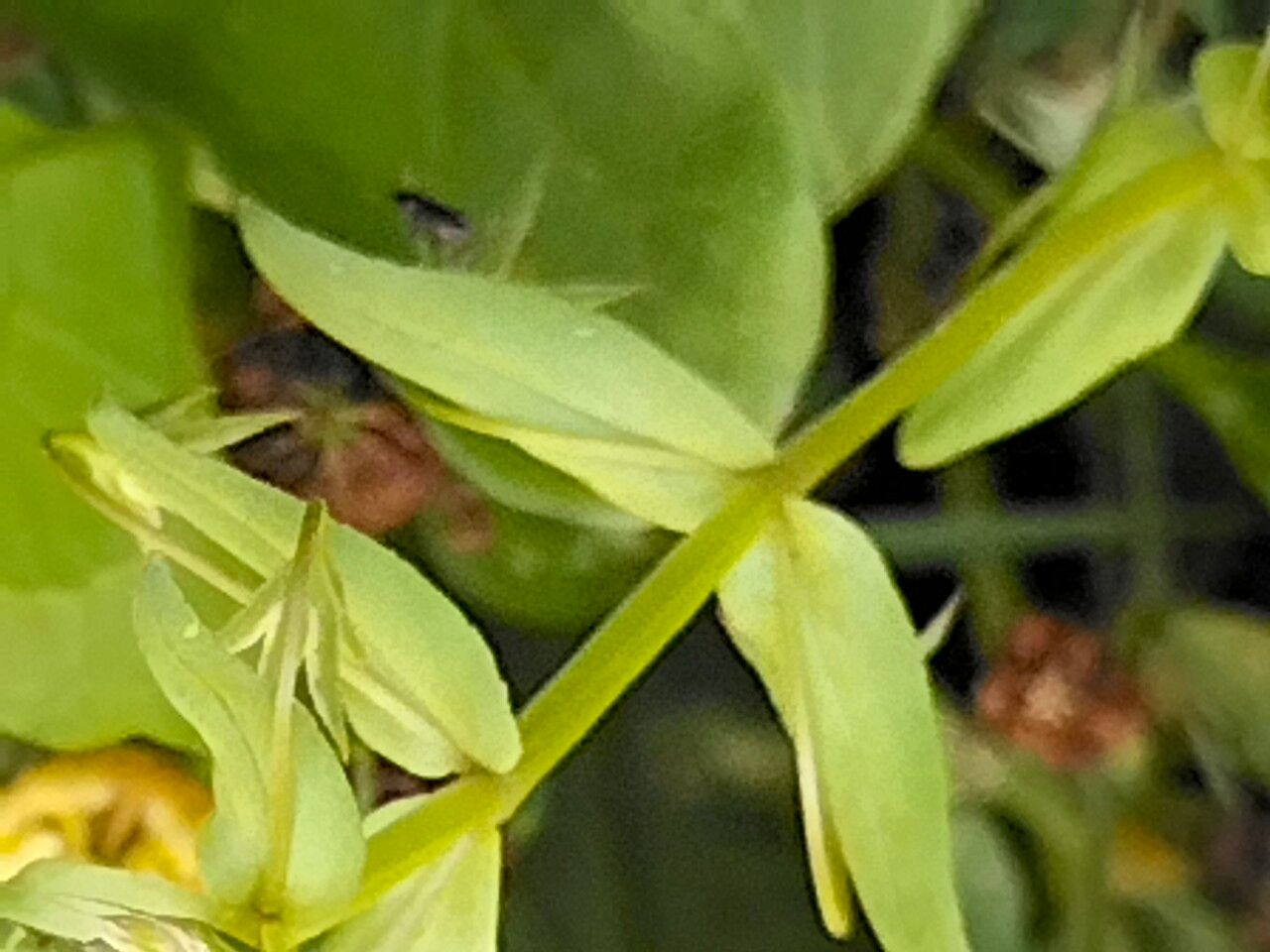
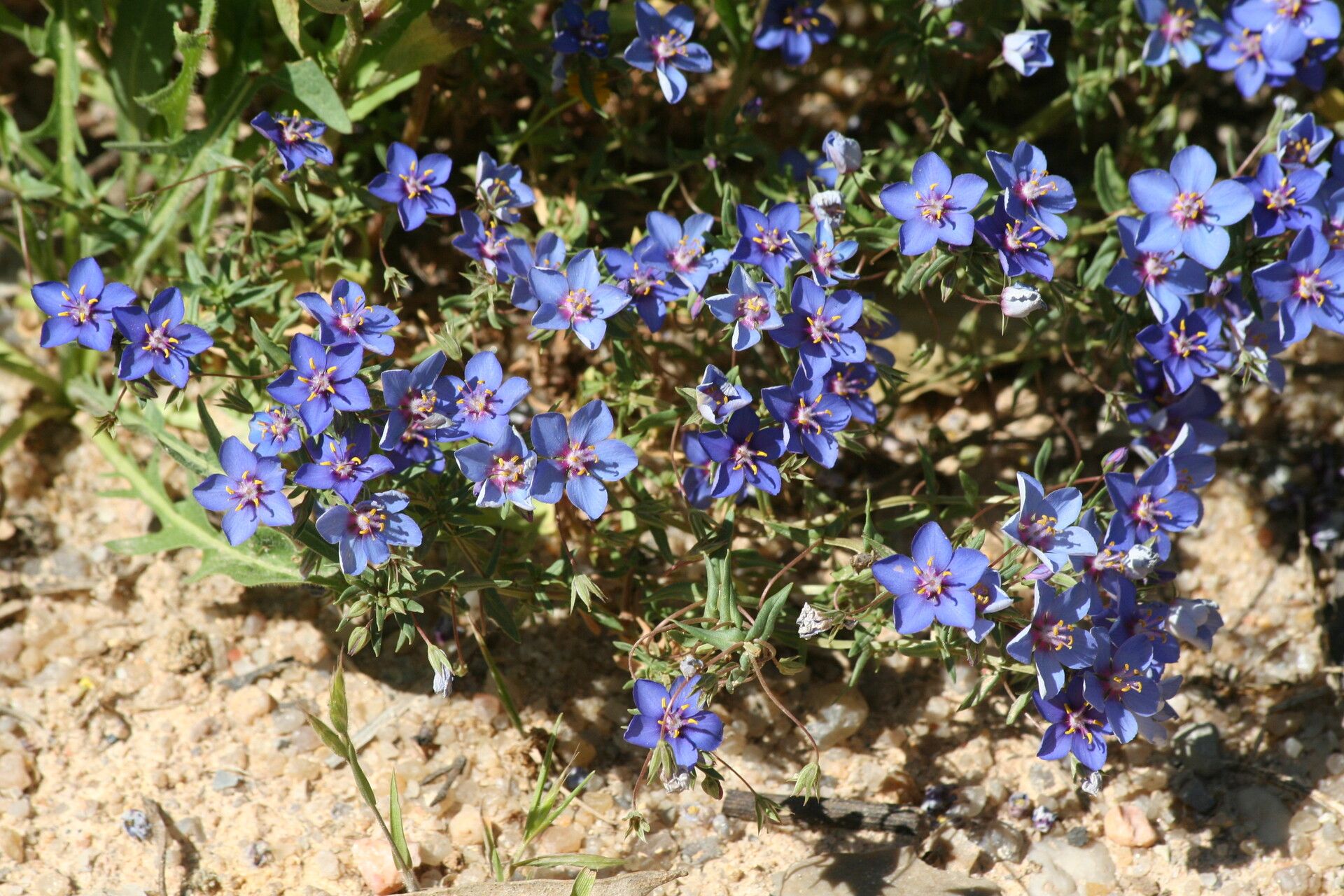
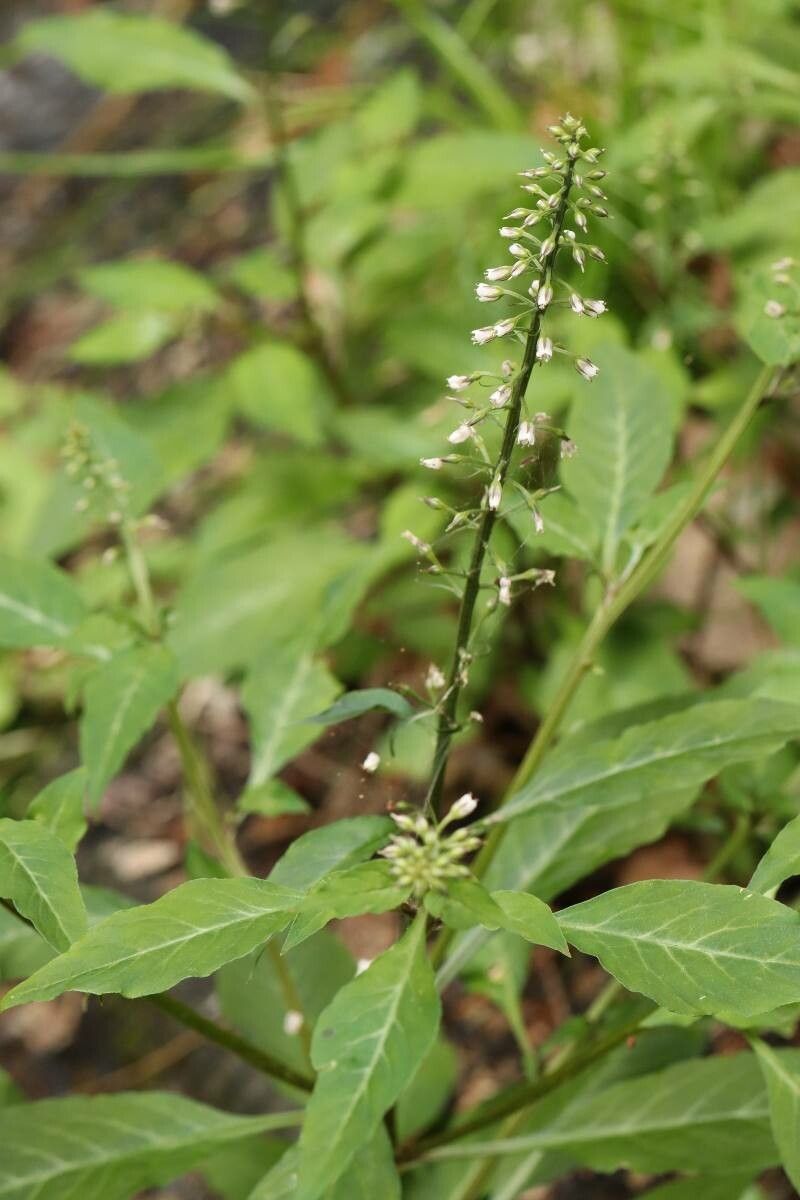
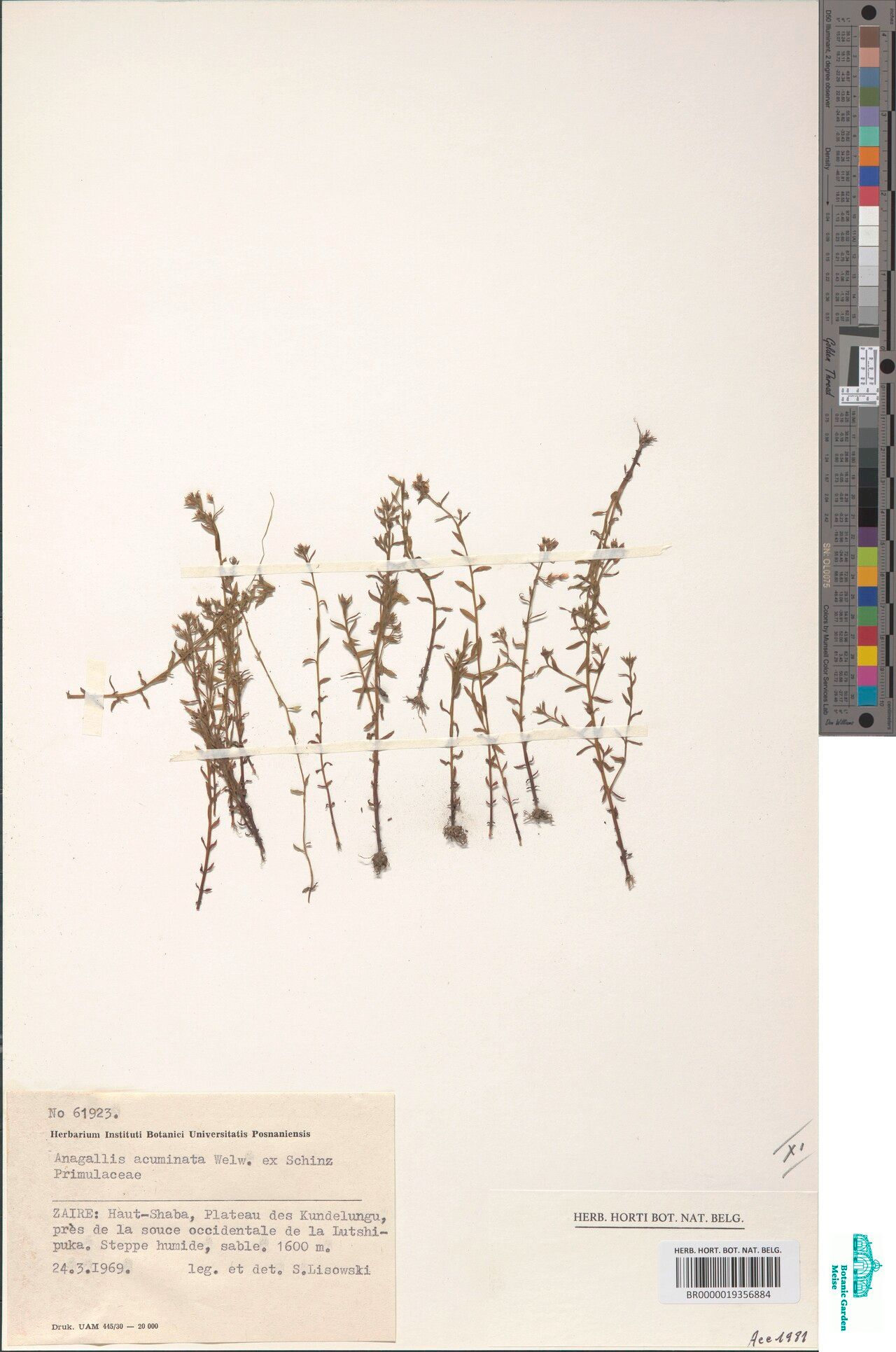
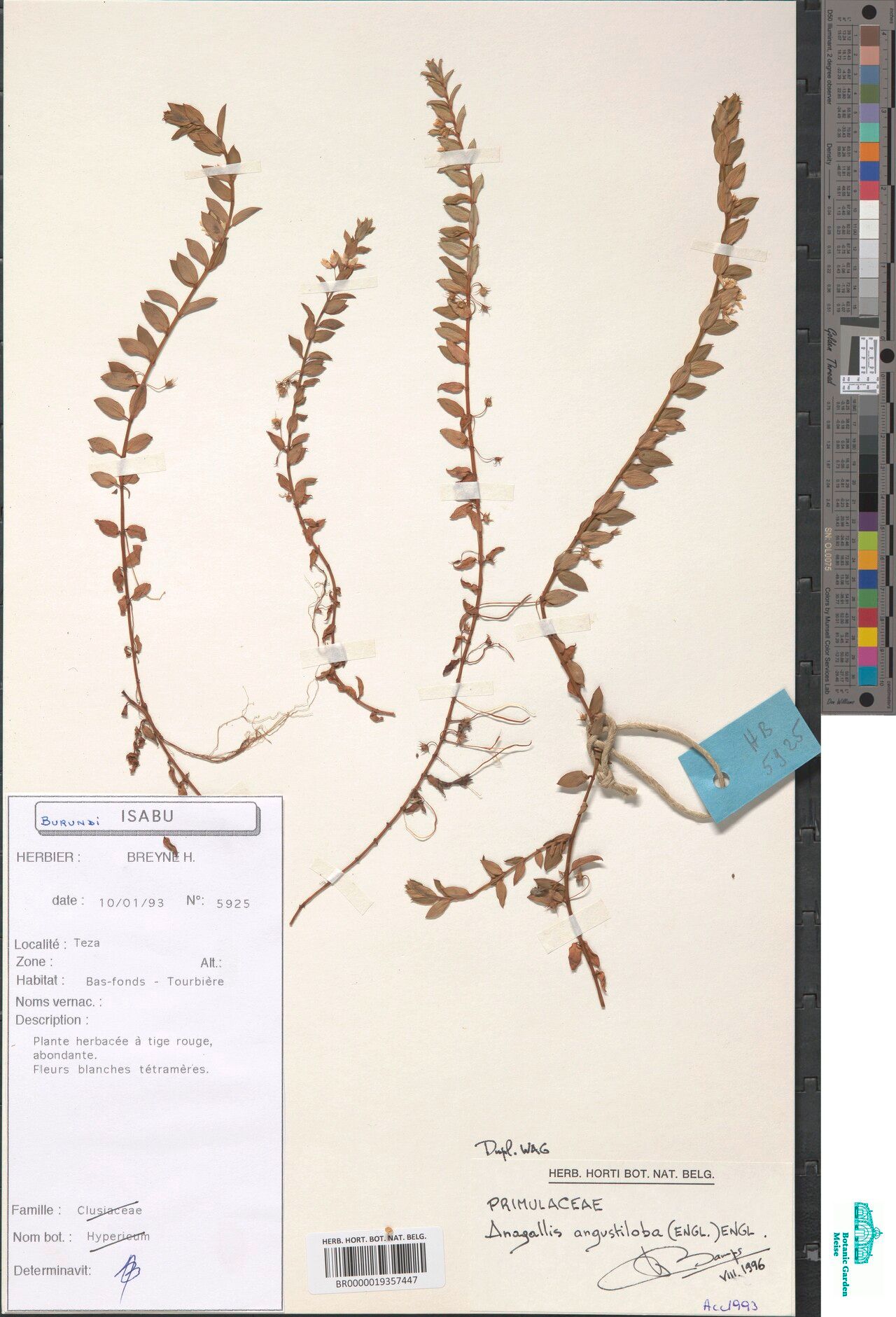
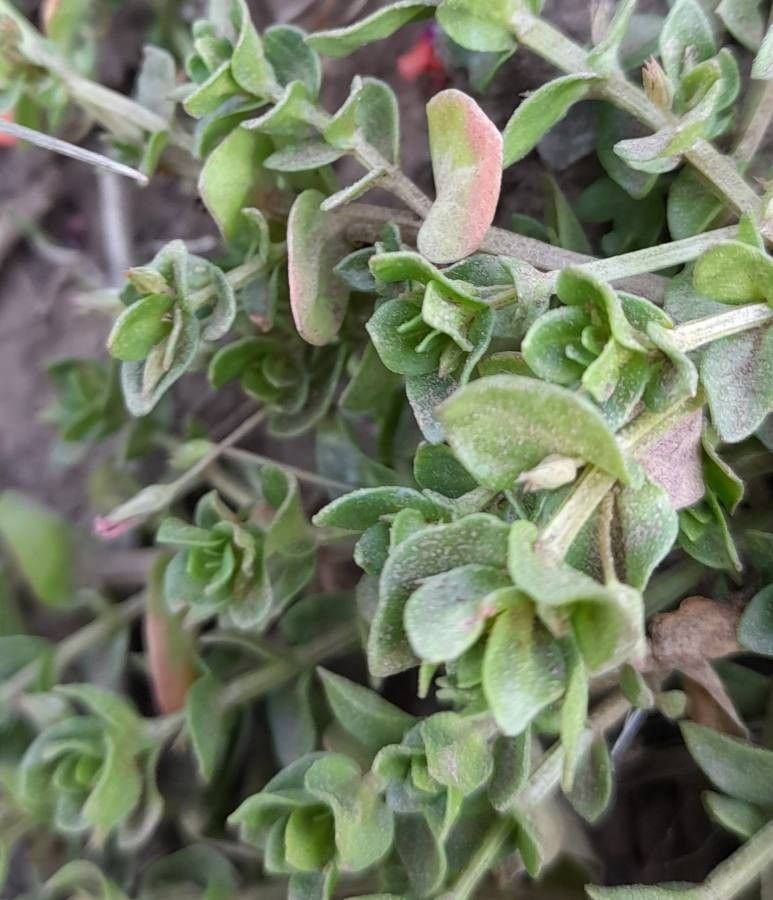
Lysimachia monelli, the blue pimpernel or garden pimpernel (formerly known as Anagallis monelli) is a species of flowering plant in the family Primulaceae, native to the Mediterranean region. It is not to be confused with Lysimachia foemina, which has very similar blue flowers, but broader leaves and can be found also in colder climates. In a comparison of DNA sequences, L. monelli was shown to be most closely related to L. foemina. The latter had been thought by many to be closest to L. arvensis, and some authors had even included L. foemina as a subspecies of L. arvensis. The three species were among several transferred from Anagallis to Lysimachia in a 2009 paper.Lysimachia monelli is a low-growing perennial with trailing stems. Wild specimens have blue or orange coloured flowers and are not sympatric with the blue-flowered plants growing natively in southern Spain and the orange in Morocco and southern Italy. A red variant was also developed by breeding at the University of New Hampshire. The orange-coloured flowers have a higher concentration of pelargonidin pigment, while blue flowers have a higher concentration of malvidin. The red-coloured flowers are due to the relative concentrations of delphinidin and malvidin pigments. In addition to the blue, orange and red forms, a white form of the flower also exists.In cultivation in temperate regions this plant is often grown as an annual. As Anagallis monellii it has gained the Royal Horticultural Society's Award of Garden Merit.
Flax-leaved Blue Pimpernel has strong disease resistance and is generally not prone to illness. Still, it can be vulnerable to pests and diseases present in its environment. Such infections are generally mild. Regarding care, this plant needs a moderate amount of maintenance. Regular pruning is required to keep a neat appearance and encourage healthy growth. Fertilizing can also help encourage flowering. Flax-leaved Blue Pimpernel is appropriate for anyone with outdoor space, such as a garden or patio, and does not demand extensive plant-care experience. It may need more attention when cultivated indoors.
How to keep Lysimachia Monelli.
Light
Flax-leaved Blue Pimpernel is a perennial, herbaceous plant native to open habitats and often thrives in meadows and grasslands. It prefers full sun but can also tolerate partial sun conditions.
Temperature
Flax-leaved Blue Pimpernel can tolerate a wide range of temperatures, but its range may still be constrained by various combinations of moisture and heat. It grows best in warm summer conditions with adequate rainfall or watering. Extended spells of cloudy, rainy weather or prolonged high temperatures can increase the likelihood of Flax-leaved Blue Pimpernel dying. In winter, providing proper protection from cold can improve the plant's survival rate.
Fertilizer
One spring application of fertilizer is generally adequate for Flax-leaved Blue Pimpernel, though repeated feedings can promote maximum growth. Apply fertilizer every one to one and a half months. Fertilizing improves the leaves' appearance and function, helping to maintain even color and a healthy texture. It also encourages root development and enhances nutrient uptake for the plant's long-term health.
Botanical profile.
- Plant Type
- Herb
- Life Cycle
- Perennial
- Genus
- Lysimachia
- Family
- Primulaceae
- Hardiness Zone
- 9-11
- Mature Height
- 15 cm to 30 cm
- Mature Spread
- 20 cm to 40 cm
- Leaf Color
- Green
- Leaf Type
- Evergreen
- Flower Size
- 1.52 cm to 2.54 cm
- Bloom Time
- All year round
- Planting Time
- Spring, Summer, Autumn
- Harvest Time
- All year round
Other names.