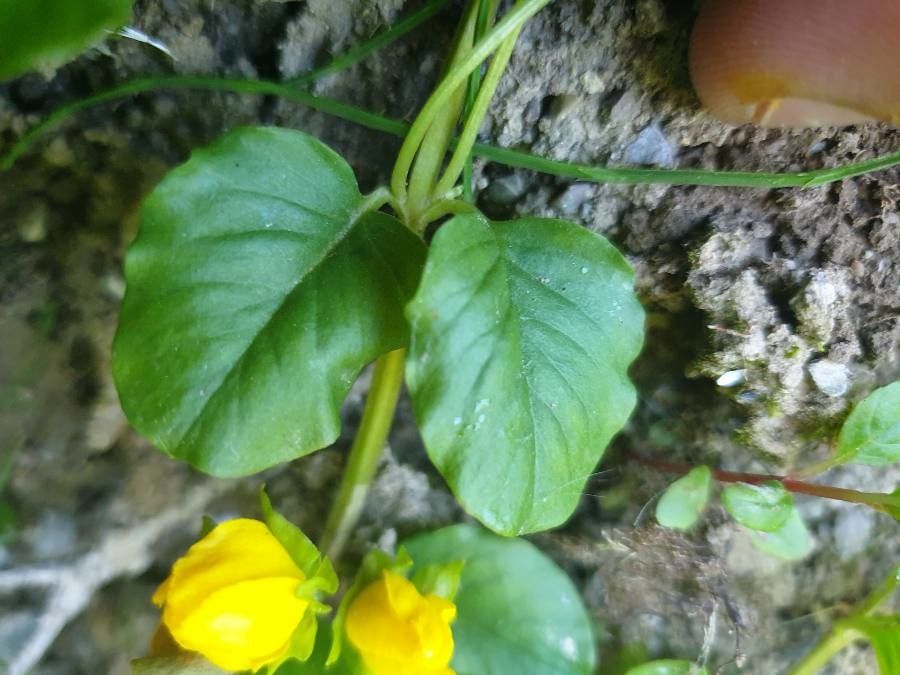
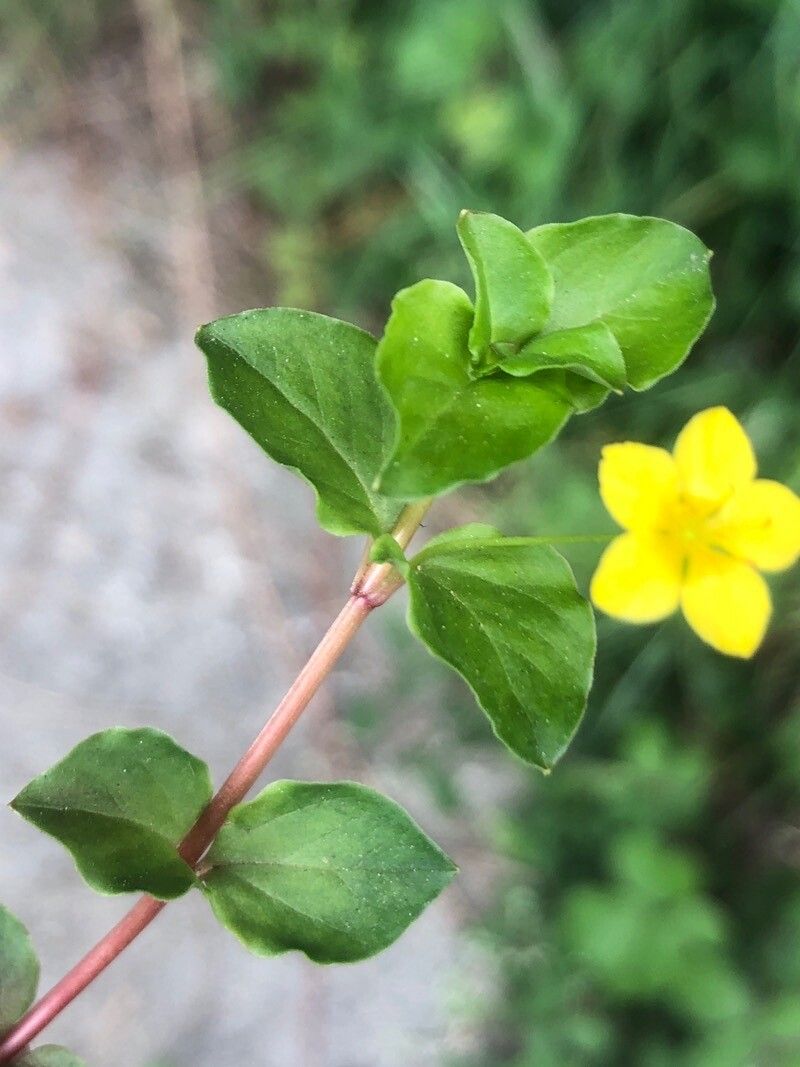
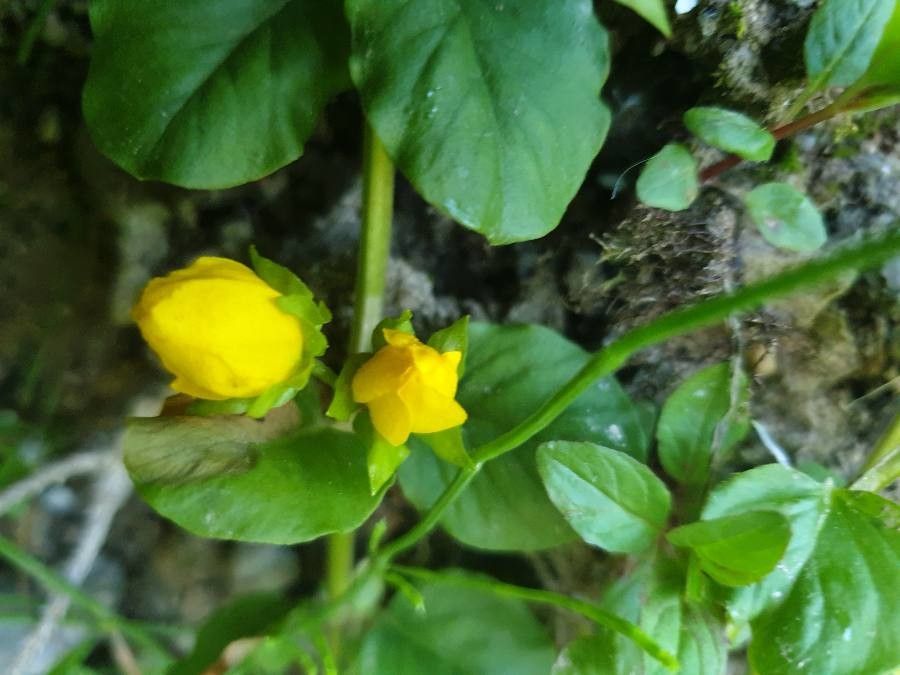
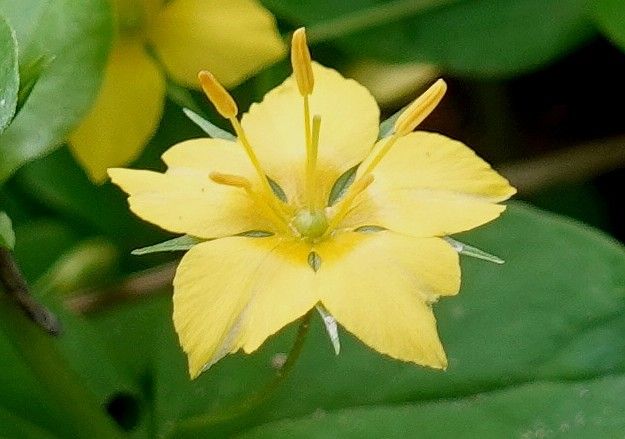
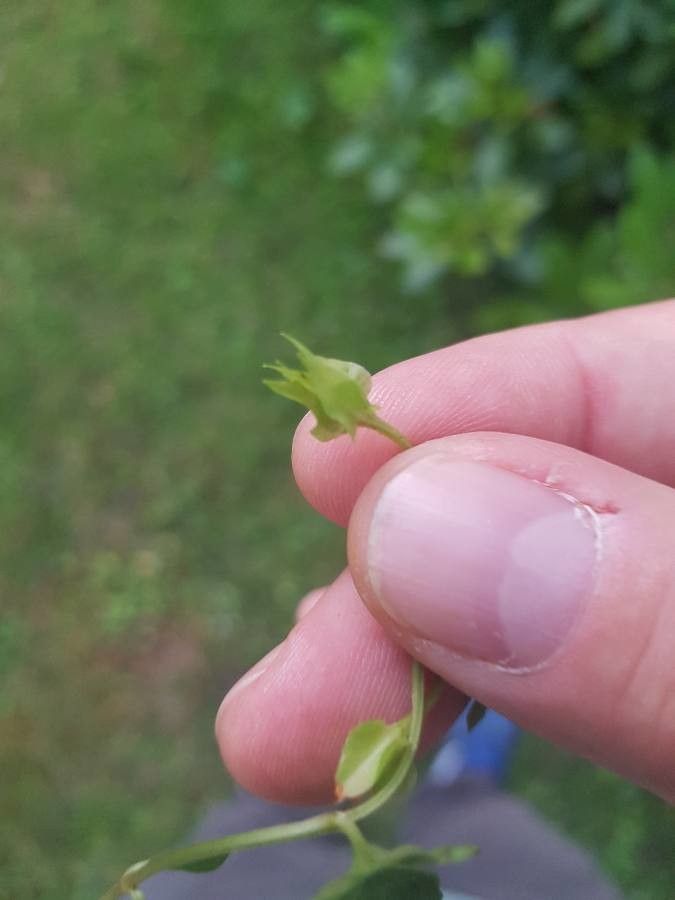
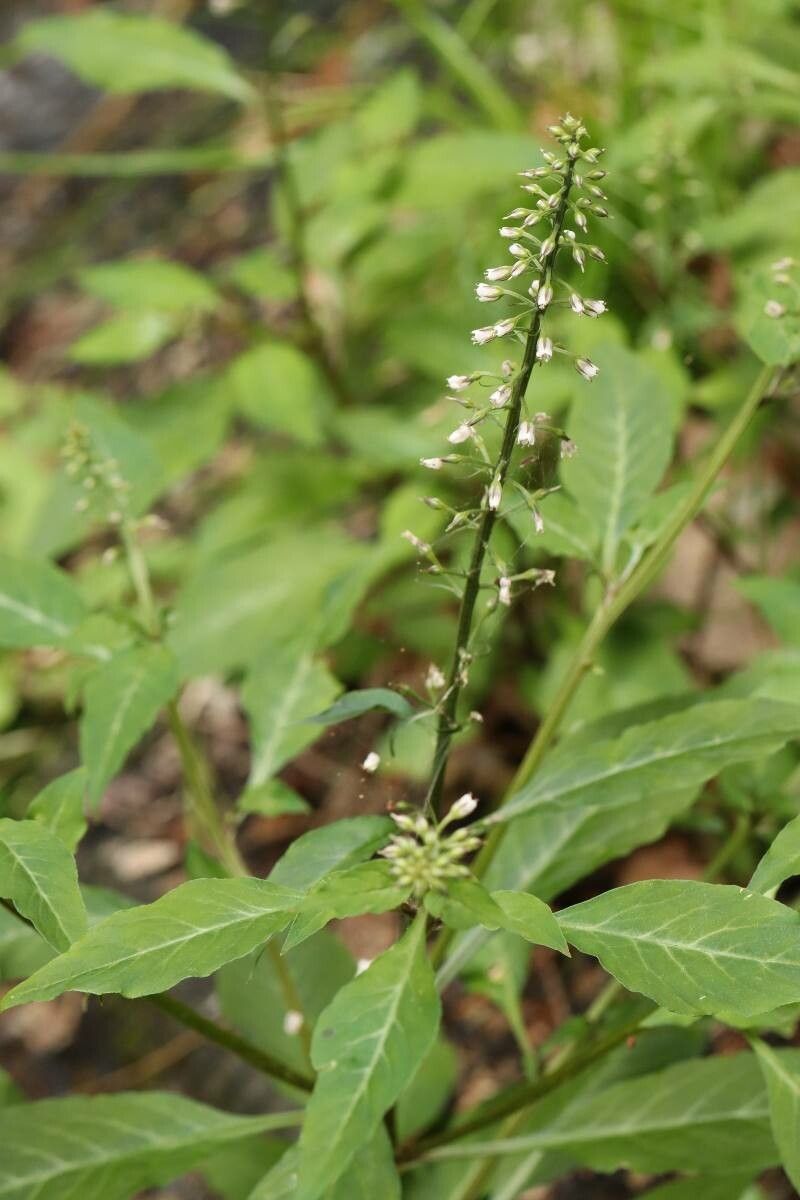
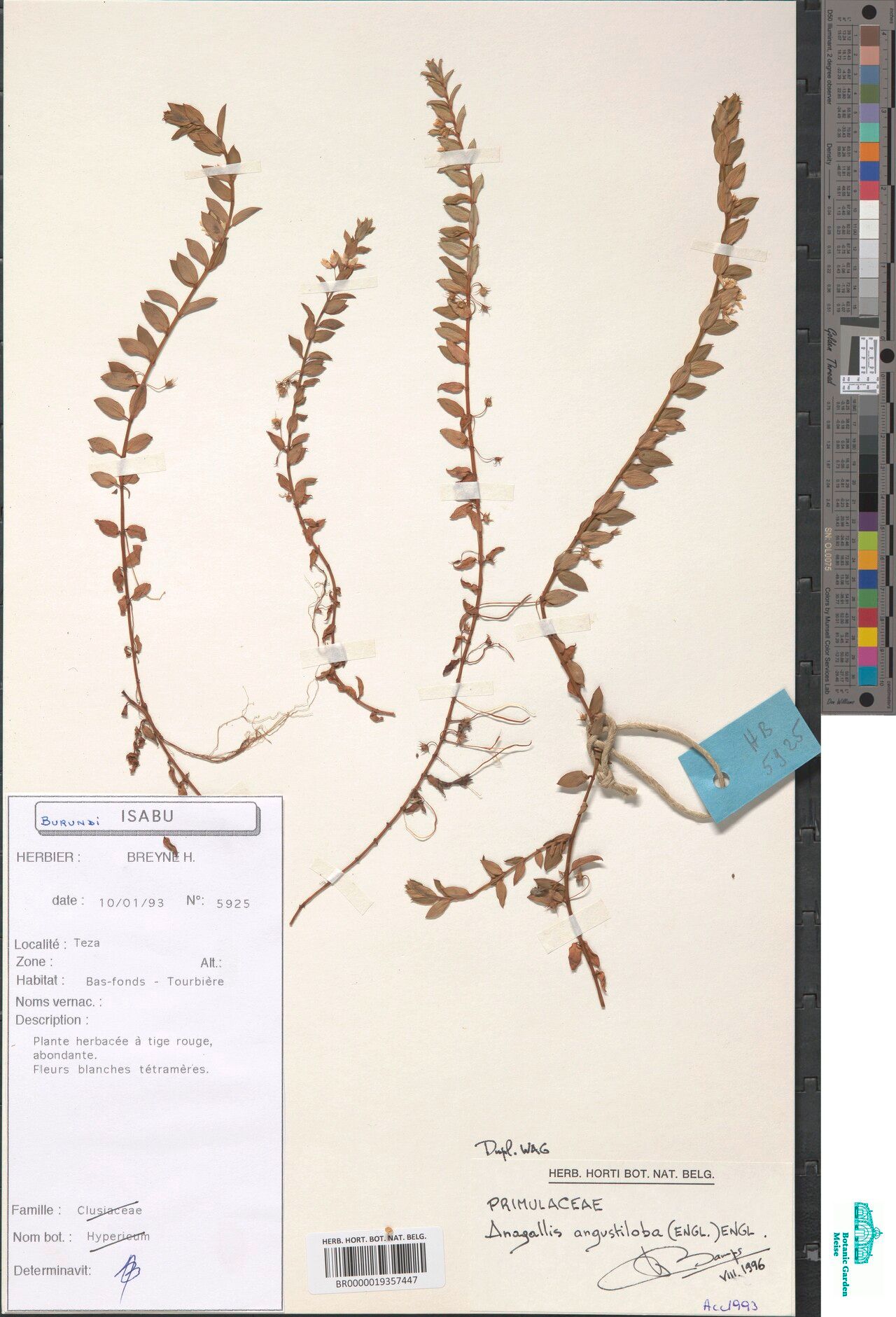
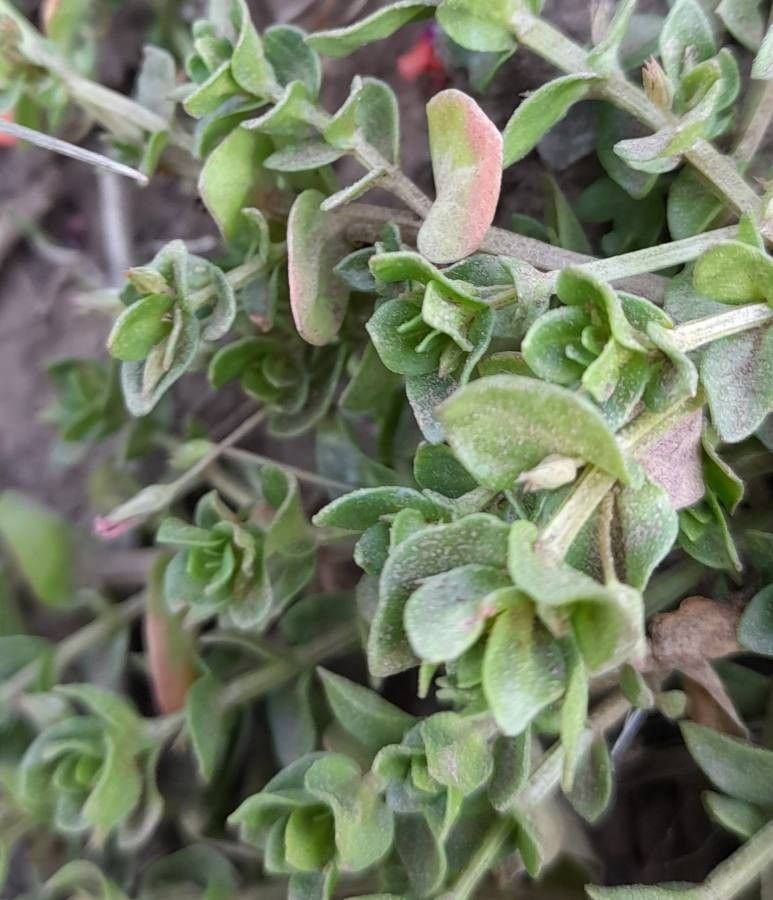
Lysimachia nemorum, the yellow pimpernel, is a perennial flowering plant in the family Primulaceae.
Yellow pimpernel is fairly resistant to disease and, in general, does not easily suffer from illnesses. That said, it can be vulnerable to pests and diseases present in its environment. Such infestations are typically mild. Regarding care, this plant needs moderate upkeep. It should be trimmed on a regular basis to preserve a neat appearance and encourage healthy growth. Applying fertilizer can also assist in boosting bloom production. Yellow pimpernel is well suited for people with outdoor areas like a garden or patio and does not demand extensive gardening experience. When cultivated indoors, it may need more attentive care.
How to keep Lysimachia Nemorum.
Light
Yellow pimpernel does best in sites where it receives most of the day's sunlight. It can also tolerate locations that get a moderate amount of sun during the day. Excessive shade can slow its growth and flowering, while very intense sunlight may cause wilting. Its original habitat is largely composed of sunny areas.
Water
The yellow pimpernel thrives best in consistently moist soil, which mimics its natural forest habitat. To prevent waterlogging, it should be watered weekly. As an herbaceous perennial, this plant is well-suited for outdoor cultivation, where natural rainfall can help meet its moisture needs.
Temperature
Yellow pimpernel is native to habitats where temperatures range from 41 to 95 °F (5 to 35 ℃). It favors milder conditions. When temperatures fluctuate extremely, make sure to regulate its surroundings accordingly.
Fertilizer
One fertilizer application in spring is typically enough for Yellow pimpernel, although several feedings can enhance growth. Feed every month to every month and a half. Fertilizing improves leaf appearance and function, encouraging even color and healthy texture. It also encourages root development and nutrient uptake for the plant’s long-term health.
Pruning
The yellow pimpernel is a low-growing perennial known for its bright yellow flowers and its preference for moist, shaded areas. To maintain its health and appearance, prune it in early spring. This will help remove any damaged stems, stimulate growth, and improve airflow. After the flowers have bloomed, trim the plant again to encourage a second flowering and to maintain its ornamental value in garden borders and woodlands.
Botanical profile.
- Plant Type
- Herb
- Life Cycle
- Perennial
- Genus
- Lysimachia
- Family
- Primulaceae
- Hardiness Zone
- 5-9
- Mature Height
- 40 cm
- Mature Spread
- 20 cm to 40 cm
- Leaf Color
- Light Green, Forest Green
- Leaf Type
- Semi-evergreen
- Flower Color
- Yellow
- Flower Size
- 0.76 cm
- Bloom Time
- Mid spring, Late spring, Summer, Fall
- Planting Time
- Spring, Summer, Autumn
- Harvest Time
- Summer, Fall, Early winter
- Native Area
- Sweden, Austria, Czech Republic, Slovakia, Poland, Croatia, Slovenia, Ukraine, Serbia, Norway, Hungary, Germany, Italy, Spain, Switzerland, Denmark, Netherlands, France, Ireland, United Kingdom, Romania, Belgium, Portugal
Other names.
Reader questions.
How should I water my Yellow pimpernel so it stays healthy?
To properly water the Yellow pimpernel, it's important to use filtered water at room temperature or slightly warmer. Tap water may have harmful particles, so filtered water is a better choice. The reason for using room temperature water is because the Yellow pimpernel is native to warm environments and cold water can be a shock to it. It's best to avoid overhead watering as it can cause issues with the foliage. Instead, water the plant by applying filtered room temperature water directly to the soil until it is completely soaked. This helps to moisturize the roots and enable them to spread and absorb necessary nutrients.
How can I make my Yellow pimpernel grow better?
To fertilize your Yellow pimpernel, wait until its first leaves appear in early spring. Then, apply a granular slow-release fertilizer with a balanced formula to the soil surrounding the base of the plant. You can repeat this process later in the season if desired. When applying fertilizer, make sure it goes into the soil at the base of the plant, not on the plant itself. You may need to move some leaves to access the soil above the roots. It's also a good idea to water your Yellow pimpernel before and after fertilizing.
What are the sun requirements for Yellow Pimpernel?
Yellow Pimpernel requires significant sun exposure to thrive well. It best grows under full sun, which means it should receive more than 6 hours of sunlight per day. It can also grow in partial sun, getting about 3-6 hours of sunlight. It's important to observe how sunlight moves through your garden throughout the day to find the perfect balance of light and shade, ensuring the plants' wellbeing and happiness.
What are the ideal temperature conditions for Yellow Pimpernel?
Yellow Pimpernel thrives in environments where temperatures are between 41 to 95 °F (5 to 35 °C), favoring milder conditions within this range. The plant possesses strong cold resistance, indicating that specialized frost protection is usually unnecessary in winter. However, in regions where temperatures may plunge below -25°C, protective measures are advised, such as covering the plant with insulating materials like soil or straw. Additionally, to combat extreme temperature fluctuations, regulate the plant's surroundings and ensure the soil is moist before the first freeze in autumn to help prevent drought and water scarcity during the colder months.
What should I do if I give my Yellow pimpernel too much or too little water?
Overwatering is a common issue for Yellow pimpernel plants and can cause their stems and leaves to wilt and turn yellow. Prolonged overwatering can also lead to diseases like root rot, mold, and mildew, which can be fatal. Underwatering is less common, but it is still possible and can cause the leaves to become brittle and brown. It's important to recognize the signs of overwatering early on and reduce watering immediately. Checking the soil drainage and replacing it if necessary with a well-draining potting mix can help prevent overwatering. If signs of underwatering are detected, simply increase the watering frequency until the signs disappear.
Why should I add fertilizer to my Yellow pimpernel?
The main structure of the Yellow pimpernel is made up of its leaves. To ensure that these leaves look great and function well, fertilization is key. Proper fertilization will help maintain consistent color and healthy texture in the leaves. Fertilization also has a positive impact below the soil's surface by aiding in the growth of new roots and maintaining existing ones. This means that fertilization not only keeps the plant healthy in the present, but also enhances its ability to absorb nutrients from the soil in the future.
How should Yellow Pimpernel be cared for in terms of sunlight?
Care for Yellow Pimpernel involves ensuring it receives adequate sunlight throughout the day. It thrives in locations with maximum sun exposure but can also manage in moderately sunlit areas. Too much shade can hinder its growth and flowering, while excessive direct sunlight may cause wilting. Originating from largely sun-filled habitats, Yellow Pimpernel benefits from environments that mimic these conditions. For indoor plants, artificial lighting is recommended when natural sunlight is insufficient, especially during winter or in less sunny areas. Proper artificial lighting involves selecting the right type, adjusting the distance, and determining the duration of light exposure to mimic natural daylight conditions effectively.
How should I care for Yellow Pimpernel in low temperatures?
Yellow Pimpernel is notably cold-tolerant, capable of thriving in temperatures above 5°C and should ideally be kept above -20°C during winter. In the event of temperatures dipping below -25°C, while there might not be immediate visible damage, there's a possibility of decreased sprouting or absence of it come spring. To mitigate this, any part of the plant that has failed to sprout in the spring should be removed to promote new growth and maintain the plant's health.
How frequently do I need to water my Yellow pimpernel?
If your Yellow pimpernel is planted in a pot, the best way to determine if it needs water is to stick your finger into the soil. If the top two to three inches of soil are dry, it's time to water it. If you have your Yellow pimpernel planted outdoors in the ground, you can use the same method to test the soil. Once again, if the top few inches of soil are dry, it needs water. In the spring and early fall, watering once a week is often enough. However, during extremely hot weather, you may need to water it twice a week or more. It's worth noting that mature, well-established Yellow pimpernel plants can tolerate drought well.
When should I fertilize my Yellow pimpernel?
If you choose to grow your Yellow pimpernel outdoors, you'll notice new growth appearing in early spring. This is when you should start fertilizing for the year. Generally, a single application of fertilizer in the spring will be sufficient for your Yellow pimpernel to thrive. However, if you want to promote maximum growth, you can repeat the fertilization process multiple times throughout the spring and early summer. In this case, it's recommended to fertilize your Yellow pimpernel approximately once every month to a month and a half.
What are the symptoms of inadequate lighting for Yellow Pimpernel?
Inadequate lighting can lead to several symptoms in Yellow Pimpernel, including small leaves, leggy or sparse growth, faster leaf drop, slower or no new growth, lighter-colored new leaves, chlorosis, sunscald, leaf curling, wilting, and leaf scorching. These indicate various stress conditions due to insufficient sunlight or excessive exposure, affecting the plant's health, growth, and ability to photosynthesize properly. Monitoring these symptoms can help in taking corrective actions to improve the plant's light environment.
What measures should be taken for Yellow Pimpernel in high temperature conditions?
During the summer, it's crucial to ensure that Yellow Pimpernel's exposure to temperatures remains below 35°C. Exposure to temperatures above 38°C can lead to lighter-colored leaves, curling, susceptibility to sunburn, and in extreme cases, wilting and drying of the plant. To address this, trim away sunburned and dried parts of the plant, and relocate it to a spot that offers shade during the intense midday and afternoon sun, or utilize a shade cloth. Watering the plant in the morning and evening helps maintain soil moisture, providing relief from the heat.