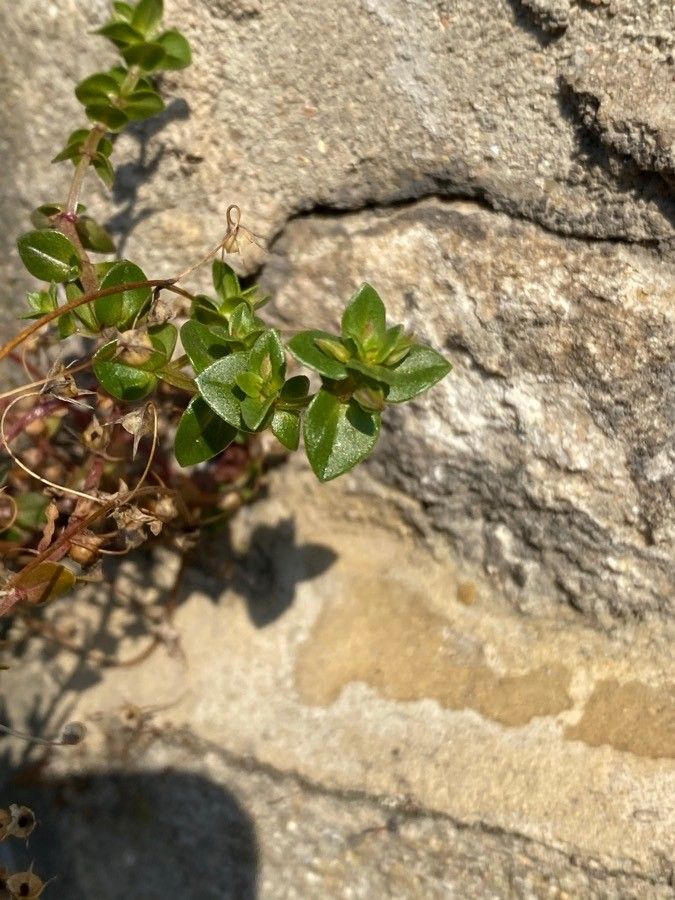
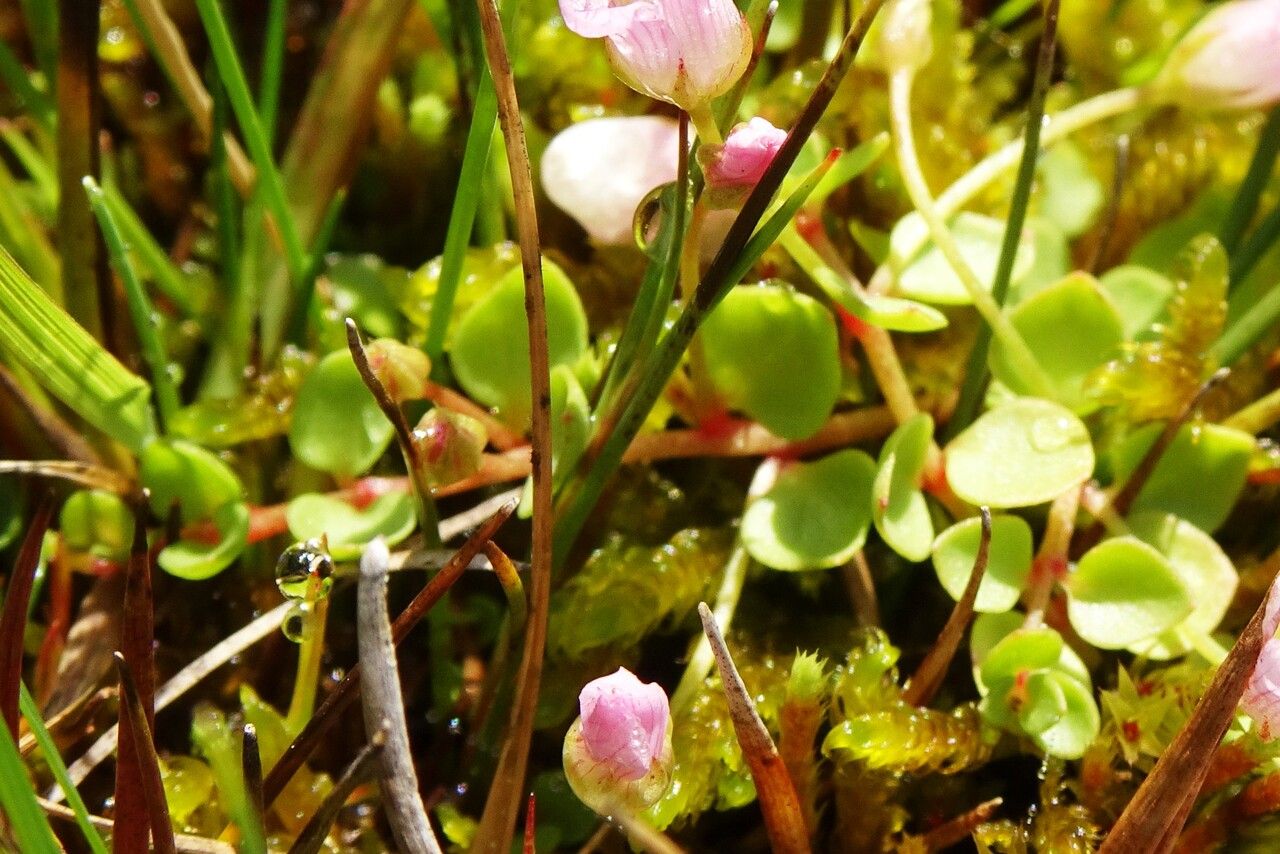
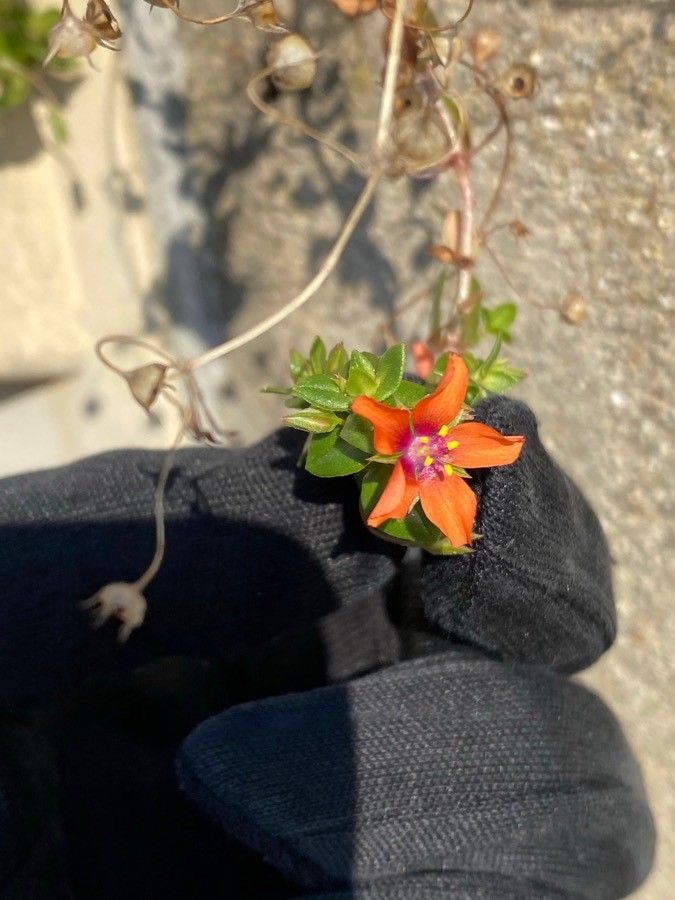
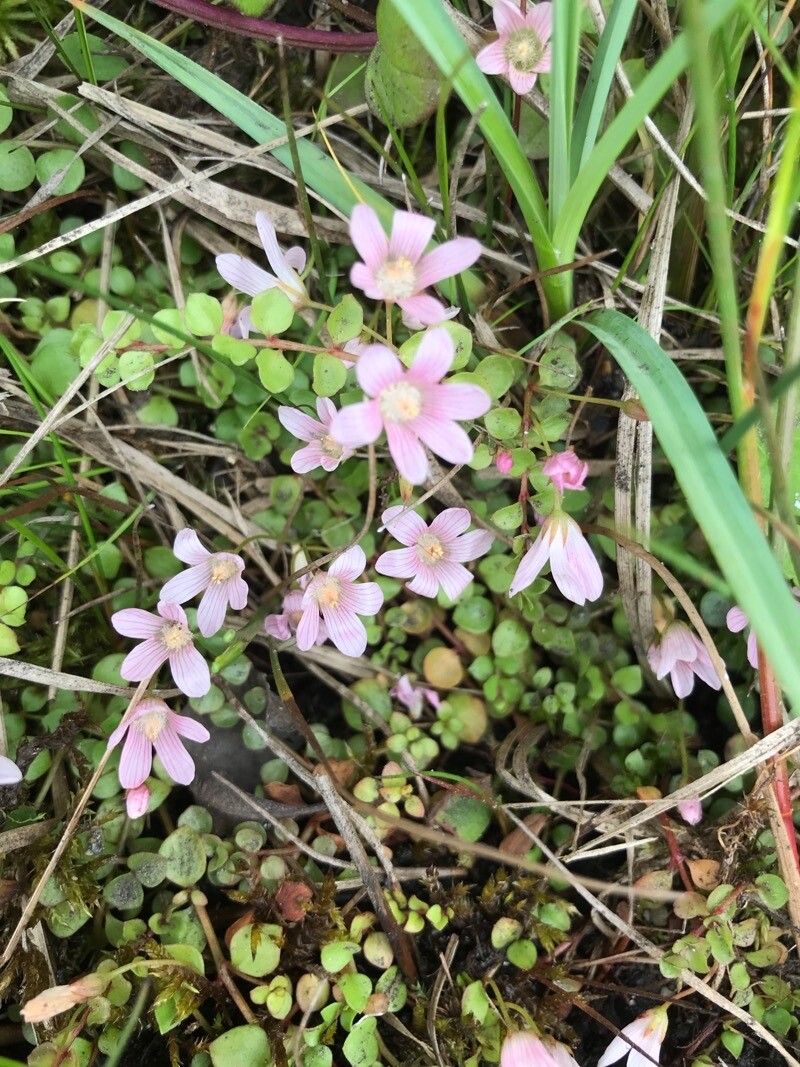
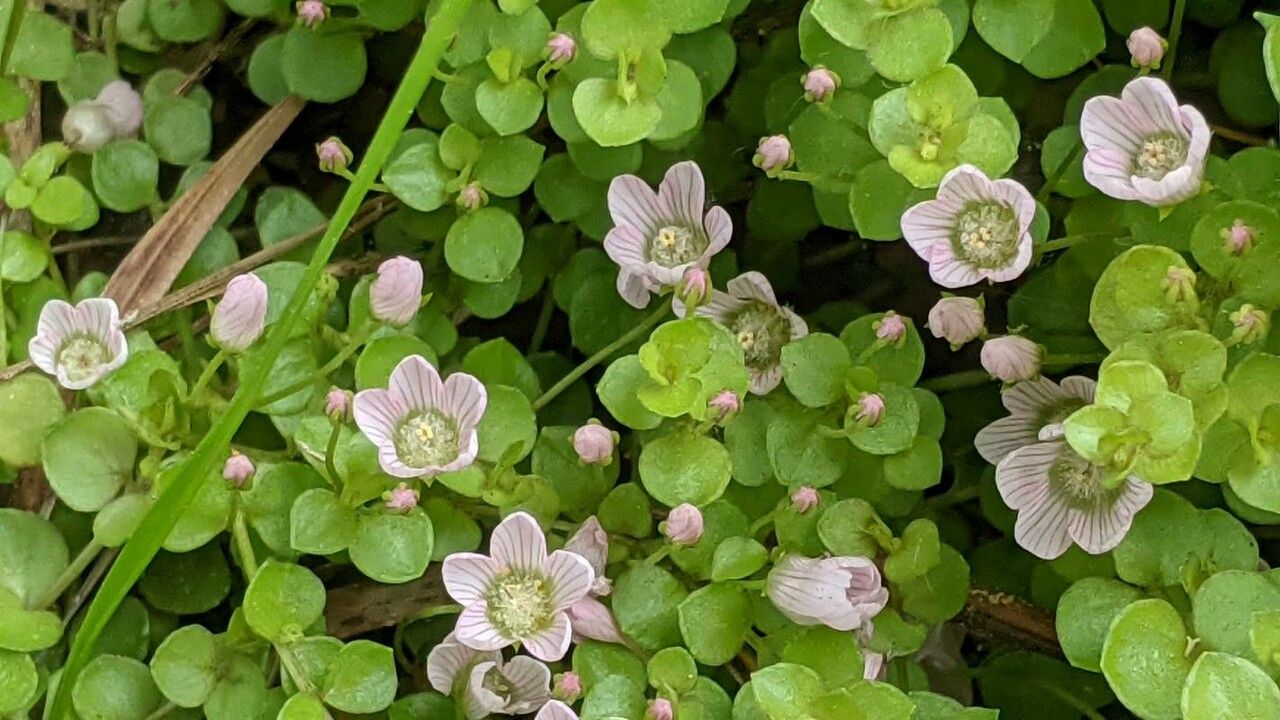
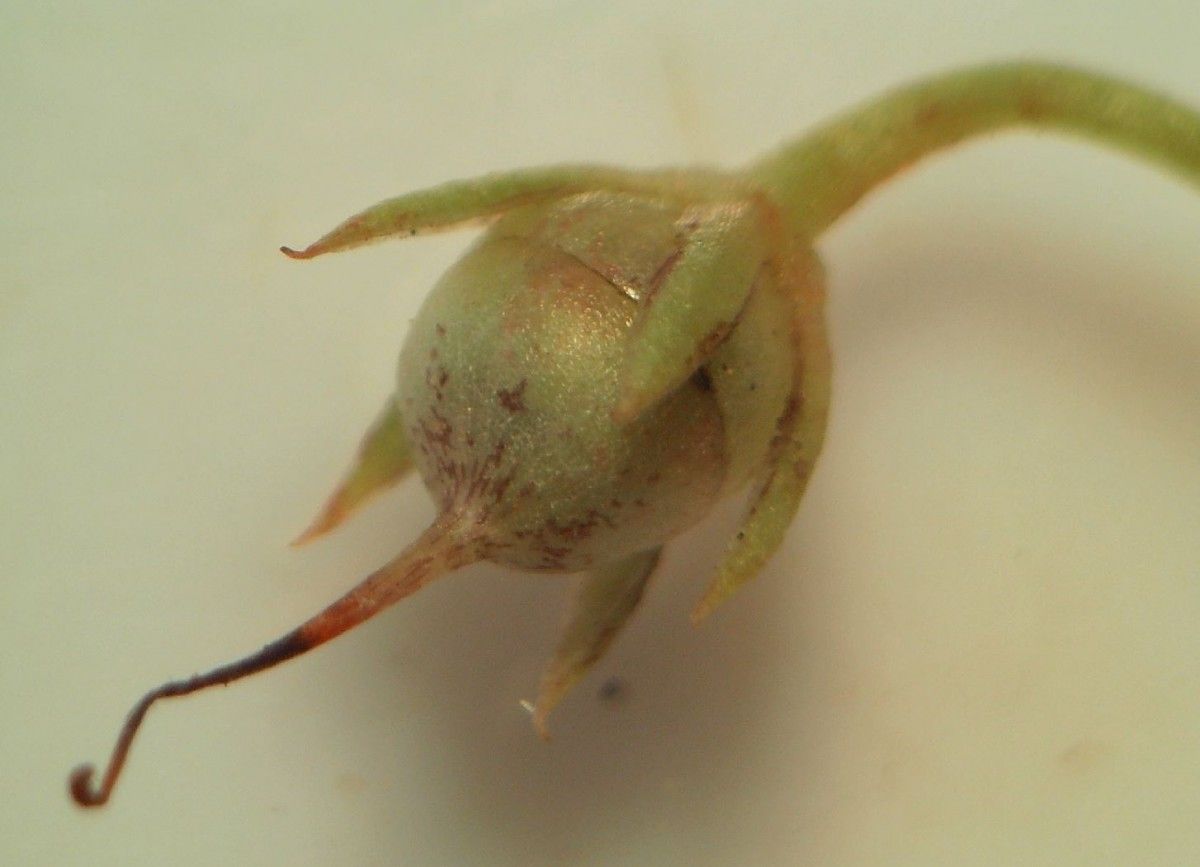
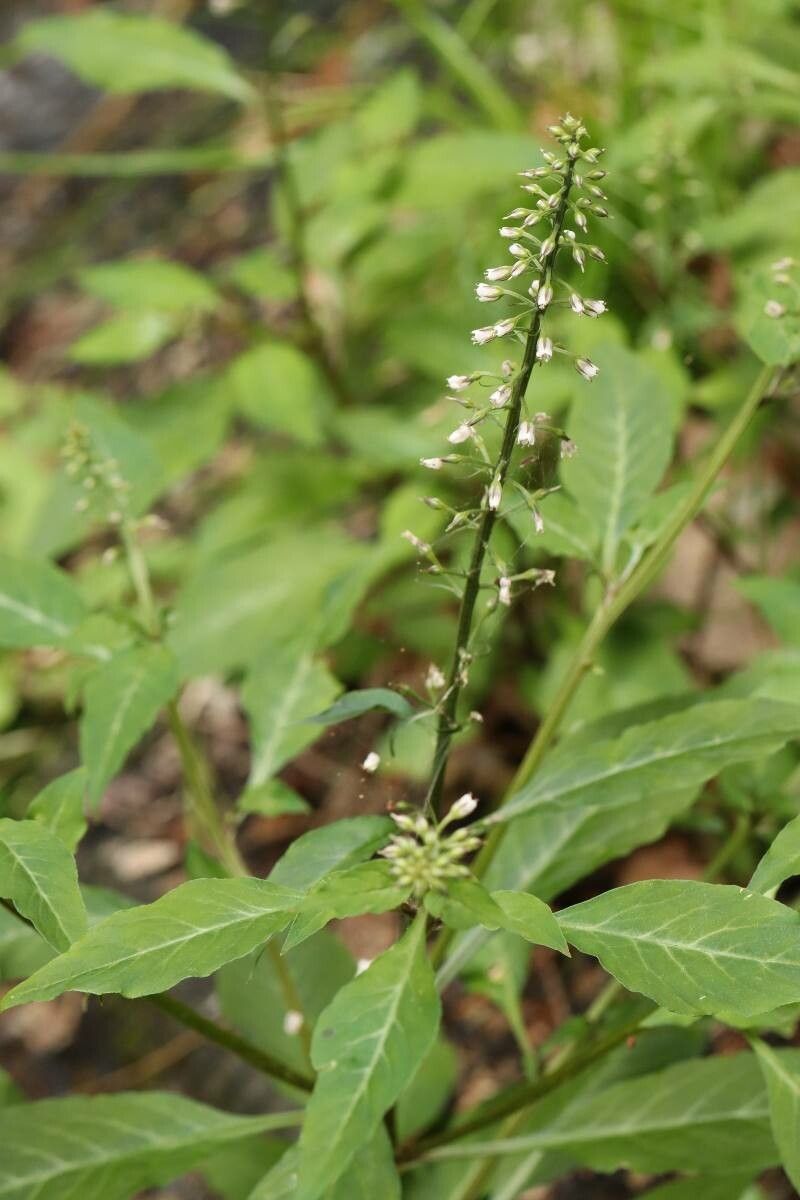
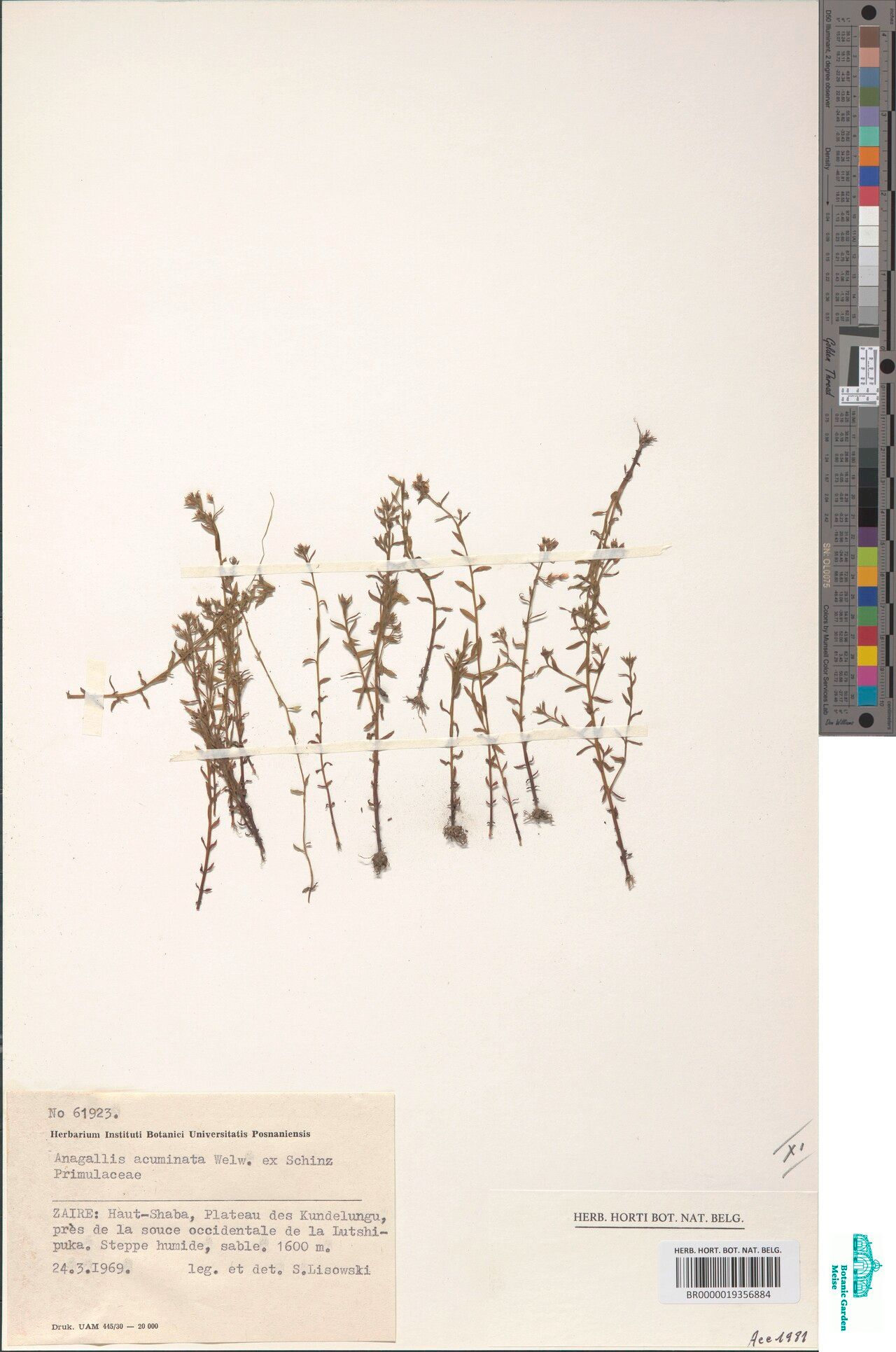
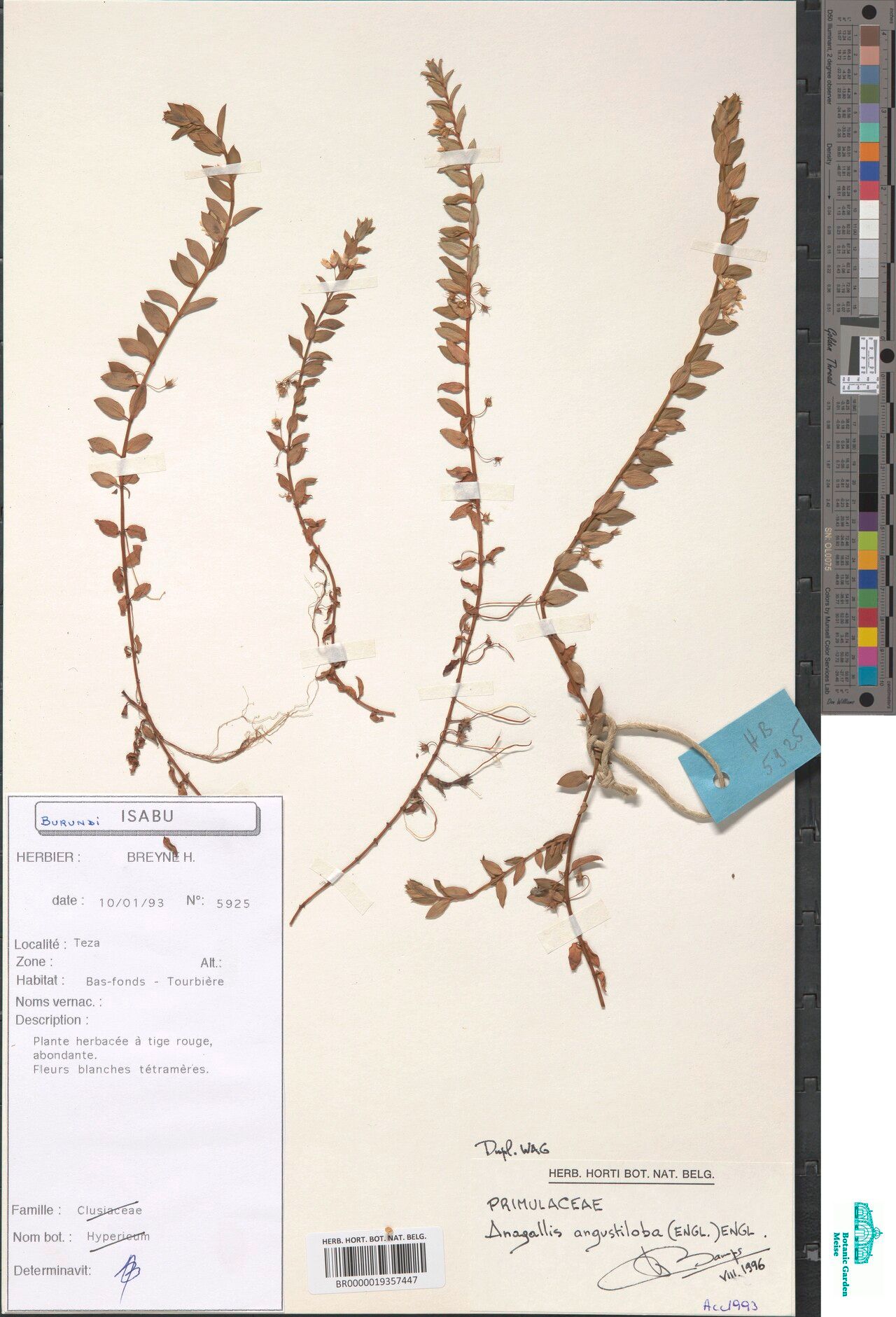
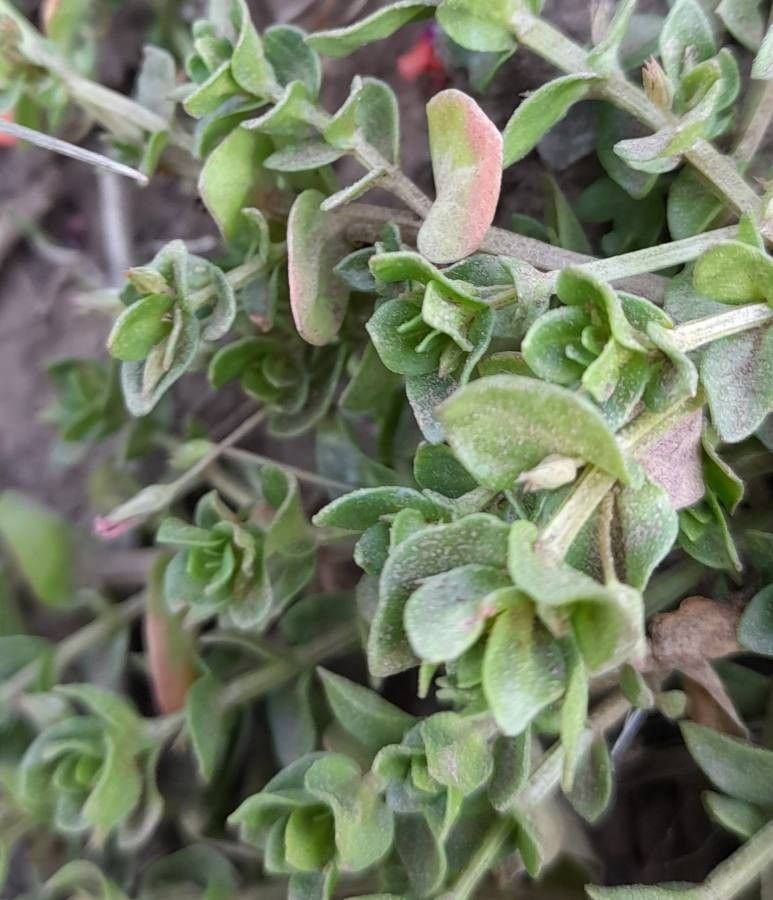
Lysimachia tenella, commonly known as the bog star, is a small herbaceous perennial plant belonging to the Primulaceae family. Native to North America, this plant thrives in wetlands, bogs, and marshes. It has a creeping growth habit and produces small yellow flowers that bloom in late spring or early summer.
The leaves of Lysimachia tenella are lance-shaped with pointed tips and can grow up to 2 inches long. Its thin, wiry stems bear small clusters of flowers at their tips. Each flower has five bright yellow petals adorned with red dots at the base.
Bog star plants prefer moist soil conditions but can tolerate some drought once they are established. They grow best in full sun to partial shade but can also adapt to full shade environments.
Lysimachia tenella is an excellent choice for wetland restoration projects because it helps control soil erosion and provides habitat for wildlife such as birds, butterflies, bees, and other pollinators.
Overall, Lysimachia tenella is an attractive, low-growing perennial that adds color to any garden or landscape while offering essential ecological benefits like erosion control and wildlife habitat support.
Bog pimpernel has strong disease resistance and is generally not prone to illness. Nevertheless, it can be affected by pests and diseases present in its environment. These problems are usually mild. Regarding care, this plant needs moderate maintenance. Regular pruning is required to keep a neat appearance and support healthy growth. Feeding it can also help encourage flowering. Bog pimpernel is appropriate for anyone with outdoor space, such as a garden or patio, and does not demand extensive gardening experience. It may need more attention if cultivated indoors.
How to keep Lysimachia Tenella.
Light
Bog pimpernel naturally occurs in habitats like forest understories or rocky areas where it receives natural shade. It favors partial sun but can tolerate full sun or full shade, showing that it is versatile and hardy.
Temperature
Bog pimpernel can adjust to a wide range of temperature conditions, but its distribution may still be restricted by different combinations of moisture and heat. It does best in warm summer climates with sufficient rainfall or watering. Extended periods of cloudy, rainy weather, as well as prolonged high temperatures, can raise the likelihood of Bog pimpernel dying. In winter, proper protection from cold can improve the plant's chance of survival.
Fertilizer
One spring application of fertilizer is generally enough for Bog pimpernel, although multiple feedings can enhance growth. Apply feedings every one to one and a half months. Fertilization improves the leaves' appearance and function, helping them keep an even color and healthy texture. It also encourages root development and nutrient uptake for sustained plant health.
Pot & Repot
When repotting Bog pimpernel, select a pot 1-2 inches (2.5–5.1 cm) larger with good drainage. Use a well-draining potting mix. Repot in spring or fall, making sure the root ball sits slightly below the rim of the flower pot. Water thoroughly after repotting and place it in a warm spot with indirect sunlight.
Botanical profile.
- Plant Type
- Herb
- Life Cycle
- Perennial
- Genus
- Lysimachia
- Family
- Primulaceae
- Hardiness Zone
- 6-9
- Mature Height
- 10 cm
- Mature Spread
- 40 cm
- Leaf Color
- Light Green
- Leaf Type
- Semi-evergreen
- Flower Color
- Pink
- Flower Size
- 0.51 cm to 0.76 cm
- Bloom Time
- Summer
- Planting Time
- Spring, Summer, Autumn
- Harvest Time
- Late summer, Early fall, Mid fall
- Native Area
- Germany, Tunisia, Austria, Italy, Spain, Switzerland, Netherlands, France, Ireland, United Kingdom, Greece, Algeria, Morocco, Belgium, Portugal
Other names.