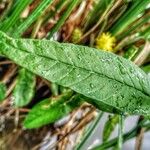
Lysimachia thyrsiflora
Tufted loosestrife · Tufted Yellow-Loosestrife · Swamp Loosestrife · Water Loosestrife · Yellow Loosestrife
Description
Source: leafsnapLysimachia thyrsiflora, the tufted loosestrife, is a plant in the genus Lysimachia. It is native to large sections of the northern Northern Hemisphere, including Eurasia and North America. It often grows in marshes, shorelines of lakes and ponds and occasionally along streams. It is an erect perennial herb growing up to 80 centimeters tall and bearing yellow flowers, sometimes dotted with purple. It may be confused with purple loosestrife when not blooming but can be easily distinguished because purple loosestrife has a square stem. Tufted loosestrife has been used medicinally in Asia to combat high blood pressure. It is a rare species in Britain, where it is found in Salix cinerea - Galium palustre wet woodland (community W1 of the British National Vegetation Classification system), Salix pentandra - Carex rostrata wet woodland (NVC community W3) and Carex rostrata - Sphagnum recurvum mire (community M4).
Care Guide
💧 Water
Tufted loosestrife, a herbaceous perennial, thrives in marshy environments where consistent moisture is plentiful. To support its growth, it requires weekly watering. When grown outdoors, it benefits from rainwater during its active season, which aligns with its natural preference for wet habitats.
How should I give water to my Tufted loosestrife all year round?
The Tufted loosestrife's water needs are highest in the hottest months of the year. During summer, you might have to water this plant more than once a week, depending on how quickly the soil dries out. On the other hand, during winter, the plant goes into a dormant phase and needs much less water. In fact, you might not need to water it at all during winter. If you do decide to water it, make sure to do so only about once a month. Overwatering during this time can increase the chances of the plant getting a disease.
How should I water my Tufted loosestrife?
To properly water the Tufted loosestrife, it is recommended to use filtered water at room temperature. Tap water may contain harmful particles, so filtered water is preferred. Considering the plant's warm environment, it is important to not use cold water, which can shock the plant. Additionally, avoid overhead watering as it can cause foliage issues. Instead, ensure the soil is thoroughly soaked by applying the filtered room temperature water directly to it. This helps to keep the roots moist and allows them to spread and gather necessary nutrients.
What should I do if I give my Tufted loosestrife too much or too little water?
Overwatering is a common issue for Tufted loosestrife. It can cause wilting, yellowing leaves, and diseases like root rot, mold, and mildew that can be fatal for the plant. Underwatering is less common but can still happen, leading to brittle, brown leaves. It's important to identify overwatering signs early and reduce watering immediately. Check the soil drainage and replace it with a well-draining mix if necessary. If underwatering is the issue, simply water more regularly until signs improve.
How often should I water my Tufted loosestrife plant?
If your Tufted loosestrife is in a pot, you can check if it needs water by sticking your finger into the soil. If the top two to three inches of soil are dry, it's time to water it. If you have the plant outdoors in the ground, you can do the same test. When the top few inches of soil have dried out, it's time to water. Typically, during the spring and early fall, watering once a week is sufficient. However, in extremely hot weather, you may need to water twice or more per week. It's worth noting that mature, well-established Tufted loosestrife plants can tolerate drought.
How much water does my Tufted loosestrife plant need?
To properly water your Tufted loosestrife, don't hold back on the amount of water you give. Make sure the top two to three inches of soil have dried out, then give the plant a good, thorough watering. The goal is to completely soak the soil. You'll know you've added enough water when you see excess water draining out of the pot's drainage holes. If there's no excess water flowing out, you've likely not watered the plant enough. However, be careful not to let water accumulate inside the soil, as this can harm the plant. On the other hand, if water isn't draining properly through the pot, it could mean the soil doesn't drain well, which is bad for the plant's health and should be avoided. If the plant is outside, receiving around 1 inch of rain per week should be enough.
☀️ Light Full sun
Tufted loosestrife does best with consistent daytime sunlight and can tolerate conditions where the sun’s rays are partially filtered. Cultivating it in environments with these light conditions supports its overall health and growth. Excessive sunlight or insufficient light may cause suboptimal development.
What are the sunlight requirements for Tufted Loosestrife?
Tufted Loosestrife requires full sun, which means it needs above 6 hours of sunlight daily, or partial sun, which is about 3-6 hours of sunlight daily. It thrives best under steady exposure to solar radiance throughout the day and can withstand conditions where the sun's rays are somewhat filtered. Growing in habitats with such light conditions supports its overall health and development. However, overexposure or lack of adequate sunlight might lead to suboptimal growth.
How should one provide artificial lighting for Tufted Loosestrife indoors?
When natural sunlight is insufficient, particularly in winter or less sunny spaces, artificial lights can offer a vital solution for indoor plants like the Tufted Loosestrife. For optimal growth, choose the right type of artificial light, such as LEDs, that can be customized to provide specific wavelengths needed by the plant. Full sun plants require 30-50W/sq ft, partial sun plants need 20-30W/sq ft, and full shade plants need 10-20W/sq ft of artificial light. The light source should be placed 12-36 inches above the plant to mimic natural sunlight, and most plants need 8-12 hours of light per day.
What are some important symptoms of inadequate lighting in Tufted Loosestrife?
Symptoms of inadequate lighting in Tufted Loosestrife include small leaves, leggy or sparse growth, faster leaf drop, slower or no new growth, and lighter-colored new leaves. Furthermore, conditions like chlorosis, sunscald, leaf curling, wilting, and leaf scorching indicate either too much or too little sunlight, with each symptom reflecting how the plant's growth and health are impacted by its lighting conditions.
What solutions can be applied to address insufficient sunlight for Tufted Loosestrife?
To address insufficient sunlight, gradually move plants to a sunnier location each week until they receive at least 6 hours of direct sunlight daily, using a south-facing window for indoor plants and ensuring maximum sunlight exposure. For outdoor plants, avoid sudden changes in light intensity to prevent sunburn. Reducing obstructions, such as pruning trees that block sunlight, and transplanting smaller plants to locations with ample sunlight and good drainage, can also help ensure that Tufted Loosestrife receives the necessary light levels for optimal growth.
🌡️ Temperature 5–32.2°C
Tufted loosestrife occurs naturally in environments with temperatures ranging from 41 to 89.6 °F (5 to 32 ℃). As a plant that favors cool to warm conditions, prudent adjustments during severely cold or excessively hot periods would enhance its well-being.
What is the native temperature range for tufted loosestrife?
Tufted loosestrife thrives in environments where temperatures range from 41 to 89.6 °F (5 to 32 °C). It is a plant that prefers cool to warm climates, and making adjustments during severely cold or excessively hot periods can enhance its well-being. The plant possesses strong cold resistance, and special frost protection measures are usually not necessary. However, protection should be provided if winter temperatures are expected to drop below -30°C, using materials like soil or straw. It's also recommended to water the plant abundantly before the first freeze in autumn to keep the soil moist and help prevent drought and water scarcity during winter and early spring.
How does tufted loosestrife react to low temperatures?
Tufted loosestrife is quite cold-tolerant and thrives best when temperatures stay above 5°C. In winter, it is recommended to keep it above -25°C. When temperatures fall below -30°C, there might not be noticeable changes during winter, but it may lead to a decrease in sprouting or even no sprouting during springtime. The solution for spring is to remove any parts of the plant that have failed to sprout.
What should be done if tufted loosestrife experiences high temperatures?
During summer, it is best to keep tufted loosestrife below 32°C to prevent heat stress. Should temperatures exceed 35°C, the plant's leaves might become lighter in color, prone to curling, susceptible to sunburn, and in severe cases, the entire plant may wilt and dry out. To handle this, trim away any sunburned and dried parts of the plant, relocate it to a shaded area during midday and afternoon sun, or use a shade cloth. Additionally, watering the plant in the morning and evening to maintain soil moisture is crucial.
What is the botanic name of tufted loosestrife?
The botanic name of tufted loosestrife is Lysimachia thyrsiflora.
💨 Humidity
🪴 Soil
🌱 Fertilizer
Why is it necessary to add fertilizer to my Tufted loosestrife?
The main structure of the Tufted loosestrife is made up of its leaves, and fertilization is a powerful way to ensure that these leaves both look good and perform their function. Proper fertilization leads to consistent color and healthy texture in the leaves. Fertilization also has positive effects underground, helping the plant generate new roots and maintain its existing root system. This means that fertilization not only keeps the plant healthy in the present, but also improves its ability to absorb nutrients from the soil in the future.
When should I fertilize my Tufted loosestrife?
If you grow your Tufted loosestrife outdoors each year, it will send out new growth in early spring. This is the signal that it's time to start fertilizing for the year. Typically, one application of fertilizer in the spring is sufficient. However, if you want to maximize the growth of your Tufted loosestrife, you can feed it multiple times throughout the spring and early summer. In this case, you would fertilize about once every month to a month and a half.
When is the best time to not fertilize my Tufted loosestrife plant?
During the late fall and winter, your Tufted loosestrife will be in a dormant phase with no new growth. So, it's best not to fertilize it during this time. If you decide to fertilize in the spring and summer, gradually reduce the amount as summer approaches because the plant's growth rate will slow down. It's never a good idea to fertilize your Tufted loosestrife when the weather is unusually hot or the soil is extremely dry. Doing so can stress the plant and cause it to die early.
What kind of fertilizer does my Tufted loosestrife plant require?
Choosing the best fertilizer for a Tufted loosestrife is straightforward. A general-purpose garden fertilizer with equal amounts of nitrogen, phosphorus, and potassium, such as a 10-10-10 ratio, is effective. Avoid fertilizers high in nitrogen if unsure. Granular fertilizers that are slow-release are recommended. Applying organic soil amendments like compost can also be helpful.
How should I fertilize my Tufted loosestrife?
To ensure the best growth for your Tufted loosestrife, wait until early spring when it starts poking through the soil. Once you see the first leaves, apply a balanced formula slow-release fertilizer to the soil surrounding the plant's base. If desired, you can repeat this process later in the season. Remember to apply the fertilizer to the soil and not directly to the plant, which may involve moving some leaves aside. Additionally, it is recommended to water your Tufted loosestrife before and after fertilizing to support its health.
🪴 Pot & Repot
✂️ Pruning
Tufted loosestrife is a herbaceous perennial known for its yellow, bottlebrush-like flowers. To promote growth and flowering, prune the plant from early to late spring. During pruning, remove any damaged stems and cut back faded blooms. Regular pruning helps maintain the plant's shape, prevents overcrowding, and improves air circulation, all of which contribute to vigorous growth and enhance its visual appeal.
🌿 Propagating
🐛 Diseases & pets
☠️ Toxicity
Characteristics
- Plant Type
- Herb
- Life Cycle
- Perennial
- Genus
- Lysimachia
- Family
- Primulaceae
- Hardiness Zone
- 4-8
- Mature Height
- 20 cm to 61 cm
- Mature Spread
- 61 cm to 91 cm
- Leaf Color
- Green, Dark Green
- Leaf Type
- Semi-evergreen
- Flower Color
- Yellow
- Flower Size
- 0.76 cm
- Bloom Time
- Late spring, Early summer
- Planting Time
- Spring, Summer
- Harvest Time
- Mid summer, Late summer
- Native Area
- Sweden, Austria, Czech Republic, Slovakia, Bulgaria, Poland, Slovenia, Belarus, Ukraine, China, Russia, Lithuania, Norway, Hungary, Germany, Kazakhstan, Switzerland, Denmark, Netherlands, Estonia, Japan, Mongolia, Koppen, Finland, United Kingdom, Romania, Latvia, Belgium, France