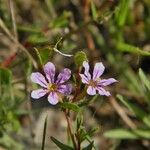
Lythrum flagellare
Florida Loosestrife
Description
Source: leafsnapLythrum flagellare, also known as Florida loosestrife and lowland loosestrife, is a species of plant belonging to the family Lythraceae. It is endemic to U.S. state of Florida. The flower is known for it is sprawling habit, hence the species epithet flagellare.
Care Guide
💧 Water
☀️ Light Full sun
The Florida loosestrife is a perennial herbaceous plant which is fond of the sun and typically found in open environments, frequently flourishing in fields and prairies. It has a preference for full sunlight, but can also withstand conditions with partial sun.
What are the sunlight requirements for Florida loosestrife?
Florida loosestrife, known botanically as Lythrum flagellare, thrives best in specific sunlight conditions. It requires 'full sun', which means it should receive above 6 hours of sunlight daily. Alternatively, it can also grow under 'partial sun,' defined as about 3-6 hours of sunlight per day. It's crucial to observe the movement of sunlight through your garden to find spots that offer an ideal mix of light and shade, ensuring the optimal growth and happiness of your plants.
🌡️ Temperature 5–35°C
Florida loosestrife shows good temperature adaptability, tolerating high heat and wide temperature fluctuations. In hot weather, care should be taken with watering and providing proper shade to avoid sunburn. Conversely, Florida loosestrife is relatively sensitive to low temperatures. While it can tolerate some cold, very low temperatures can cause frost damage.
💨 Humidity
🪴 Soil 6-7
🌱 Fertilizer
The optimal period to feed a Florida loosestrife is early spring, as it transitions from dormancy to active growth. The fertilization process supplies vital nutrients needed for wholesome growth. While Florida loosestrife does not require a high amount of fertilization, yearly feeding can bolster its longevity and stimulate superior, more durable blossoms.
🪴 Pot & Repot
✂️ Pruning
For optimal growth and blooming, prune Florida loosestrife in early spring. Remove dead stems and thin out overcrowded areas to improve air circulation. Be sure to sterilize your tools to prevent the spread of disease. Regular maintenance helps maintain the plant’s natural shape and vigor, promoting healthier growth. For detailed care tips, consult reliable sources.
🌿 Propagating
🐛 Diseases & pets
☠️ Toxicity
Characteristics
- Plant Type
- Herb
- Life Cycle
- Perennial
- Genus
- Lythrum
- Family
- Lythraceae
- Hardiness Zone
- 5-9
- Mature Height
- 20 cm to 40 cm
- Mature Spread
- 30 cm to 49 cm
- Leaf Color
- Green, Dark Green
- Leaf Type
- Deciduous
- Flower Color
- Purple, Pink
- Flower Size
- 1.02 cm to 1.52 cm
- Bloom Time
- Summer
- Planting Time
- Spring, Summer, Autumn
- Harvest Time
- Late summer, Early fall, Mid fall
- Native Area
- Mexico, Guatemala