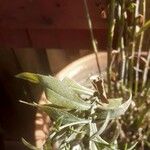
Machaeranthera tanacetifolia
Tansy-aster · Tansy-leaf-aster · Tahoka daisy · Tanseyleaf tansyaster · Takhoka-daisy
Description
Source: leafsnapMachaeranthera tanacetifolia is a species of flowering plant in the family Asteraceae known by the common names tansyleaf tansyaster and Tahoka daisy. It is native to northern Mexico and the southwestern and central United States, where it grows in several types of habitat. It is an annual or biennial herb growing one or more branching stems up to about 70 centimetres (28 inches) in maximum height. The multilobed leaves are up to 12 cm (4+3⁄4 in) long. The inflorescence bears one or more flower heads lined with spreading or curling, pointed phyllaries. The head has a center of many yellow disc florets and a fringe of many lavender to purple ray florets each 1 to 2 cm (1⁄3 to 2⁄3 in) long. The fruit is a flat achene about 1 cm long including the pappus. It is similar to M. parviflora, the flower heads of which are smaller.
🎭 Faithful affection, Tenderness, Purity
Care Guide
💧 Water Every 7 days
The Tansyleaf Tansyaster is well-suited for arid environments, as it has adapted to thrive with just occasional watering—only every 1 to 2 weeks. It grows best in well-draining soil, and its water requirements decrease during its dormant periods, which coincide with seasonal changes.
How should I water my Tansyleaf Tansyaster?
To water Tansyleaf Tansyaster, you have several options including using a garden hose with a spray nozzle, a watering can, or any other common watering tool. This plant is not very particular about how it receives water and can thrive with rainwater, tap water, or filtered water. However, it's best to avoid watering from overhead as it can damage the leaves and flowers, and potentially cause disease. A recommended method is using a drip irrigation system, which evenly supplies water directly to the soil. If you have a Tansyleaf Tansyaster in a container, you can use a similar approach but change the watering tools. Simply use a cup, watering can, or tap to directly water the soil.
What should I do if I give my Tansyleaf Tansyaster too much or too little water?
The remedy for underwatering Tansyleaf Tansyaster is simple: increase the frequency of watering when you notice that the plant is lacking moisture. Overwatering, on the other hand, can be a more serious issue if not detected early. It can lead to diseases and the eventual decline and death of the Tansyleaf Tansyaster. To prevent this, choose a suitable location with ample sunlight to help dry the soil and ensure good drainage to prevent pooling and waterlogged soils. If you have overwatered a potted Tansyleaf Tansyaster, consider changing the pot. The previous container may not have had proper drainage or sufficient drainage holes. When repotting, use loose soils and a pot that drains effectively.
How frequently do I need to water my Tansyleaf Tansyaster?
Tansyleaf Tansyaster requires regular watering throughout the growing season. In spring, water it once a week. As the season progresses and the weather gets warmer, increase watering to two or three times a week. However, be careful not to overwater, as this can harm the plant. It is important to keep the soil moist but not wet, regardless of the watering frequency. When it comes to Tansyleaf Tansyaster in a pot, you will likely need to water it more often. Potted soil tends to heat up and dry out faster than soil in the ground. In most cases, watering container-grown Tansyleaf Tansyaster a few times a week is recommended, compared to once a week for a plant in the ground.
How much water does my Tansyleaf Tansyaster require?
When determining how much water to give your Tansyleaf Tansyaster, there are a few options. You can feel the soil to check for moisture and water until the first six inches are moist. Alternatively, you can use a set measurement of about two gallons per week, adjusting based on temperature and soil dryness. However, be careful not to overwater if your plant needs less. In containers, check for dryness in all soil layers and water until moist, or look for excess water draining from the pot's holes.
How can I know if I'm giving my Tansyleaf Tansyaster plant enough water?
To avoid overwatering your Tansyleaf Tansyaster, it's important to find the right balance. These plants have deep roots that need to be moistened weekly, but they are prone to root rot and browning if overwatered. Underwatering is less of a concern as Tansyleaf Tansyaster can tolerate periods without water, but if they go too long without it, they will wilt and their leaves may become dry.
☀️ Light Full sun
Tansyleaf Tansyaster prefers strong light, which is necessary for healthy growth. In its native habitat it naturally gets abundant sunlight, though it can tolerate places with milder light. Excessive shade hampers its growth, while too much sun can stress it, visible as faded foliage.
What are the sunlight requirements for Tansyleaf Tansyaster?
Tansyleaf Tansyaster thrives in areas that receive full sunlight, which means it requires more than 6 hours of sunlight daily. However, it can also tolerate partial sun, defined as about 3-6 hours of sunlight daily. It's important to observe the movement of sunlight through your garden to identify spots that provide the perfect balance of light and shade, ensuring the best conditions for your plants. An environment that closely mimics the plant's original habitat, which is naturally exposed to substantial sunlight, is essential for its healthy growth. Although the plant can endure mild light conditions, excessive shade can hinder its growth, and too much direct sunlight may lead to stress indicators such as faded foliage.
How does artificial lighting assist in the growth of indoor Tansyleaf Tansyaster?
Indoor Tansyleaf Tansyaster plants require adequate lighting for optimal growth, especially when natural sunlight is insufficient, such as during winter or in rooms with less sun exposure. Artificial lights serve as a crucial alternative, promoting faster and healthier growth. LED lights are recommended for their ability to provide specific wavelengths needed by plants. Full sun plants require 30-50W per square foot of artificial light, partial sun plants need 20-30W per square foot, and full shade plants require 10-20W per square foot. The light source should be placed 12-36 inches above the plant to mimic natural sunlight, and the duration should mimic natural daylight hours, typically 8-12 hours per day.
What are the symptoms of insufficient or excessive light exposure in Tansyleaf Tansyaster?
When Tansyleaf Tansyaster is grown indoors or in conditions of inadequate light, it may display symptoms like small new leaves, leggy or sparse growth, faster leaf drop, slower or halted growth, and pale or lighter-colored new leaves. These are signs of light deficiency. Excessive light exposure can lead to chlorosis (leaves losing green color), sunscald (damaged leaves due to intense light), leaf curling, wilting, and leaf scorching, characterized by brown, dry, and crispy leaf edges. These symptoms highlight the plant's struggle with too much direct sunlight or very low light levels.
What are effective solutions for managing light conditions for Tansyleaf Tansyaster?
To optimize light conditions for Tansyleaf Tansyaster, indoor plants can be gradually moved to sunnier locations each week until they receive at least 6 hours of direct sunlight daily, utilizing south-facing windows and keeping curtains open during the day. Artificial lighting can supplement natural light, especially for large or immobile plants, with a recommendation of keeping lights on for at least 8 hours daily. Outdoors, plants should be gradually moved to sunnier spots to avoid sunburn, adapting to changes in light intensity. For ground plants or when direct sunlight is blocked by obstructions, identify and reduce these obstructions. This may involve pruning trees or transplanting the plant to a sunnier location with good drainage, preferably during the plant's dormant period in late winter or early spring.
🌡️ Temperature 20–35°C
Tansyleaf Tansyaster comes from environments where temperatures range from 68 to 95 °F (20 to 35 ℃). It performs best within this temperature range. Seasonal temperature adjustments should be made to follow the ambient environment's fluctuations.
What is the ideal temperature range for Tansyleaf Tansyaster?
Tansyleaf Tansyaster thrives best in environments with temperatures ranging from 68 to 95°F (20 to 35°C). It originates from areas that typically experience these temperatures, and adjusting seasonal temperatures according to the ambient environment's fluctuations ensures the plant's optimum growth and health.
How does Tansyleaf Tansyaster tolerate cold?
Tansyleaf Tansyaster possesses some level of cold tolerance and usually requires no additional measures when the temperature is above 0°C. If temperatures are expected to drop below 0°C, temporary protective measures such as wrapping the plant in plastic film, fabric, or other materials should be considered to protect it from the cold. Once temperatures rise again, these coverings should be removed promptly to prevent any potential damage from overheating or suffocation.
What are the symptoms of low temperature stress in Tansyleaf Tansyaster, and how can it be managed?
With moderate tolerance to low temperatures, Tansyleaf Tansyaster shows signs of stress when temperatures fall below 20°C, and keeping it above 0°C during winter is essential. Symptoms of distress include drooping leaves at temperatures below -5°C; in mild cases, the plant can recover, but severe cold may cause wilting and leaf loss. Management includes trimming frost-damaged parts and wrapping the plant with insulating materials like non-woven fabric or cloth, in addition to constructing a wind barrier for protection against cold winds.
How does Tansyleaf Tansyaster react to high temperatures, and what measures should be taken?
During the summer when temperatures rise, it's crucial to prevent Tansyleaf Tansyaster from exceeding 35°C. Exposure to temperatures above 38°C may lead to symptoms such as lighter leaf color, dry and withered leaf tips, curled leaves, and increased susceptibility to sunburn. To manage this, sunburned and dried portions of the plant should be trimmed away. Moving the plant to a shady location or using a shade cloth to protect it from midday and afternoon sun is advisable. Additionally, watering the plant in the morning and evening to maintain soil moisture is beneficial.
💨 Humidity
🪴 Soil 6-7
🌱 Fertilizer
When most of the Tansyleaf Tansyaster's flowers have opened to full size, resume fertilizing. At the height of bloom, begin feeding the plant every three to four weeks, as weather allows. Then, once the Tansyleaf Tansyaster begins producing fewer new flowers, discontinue fertilizing; there is no need to feed it when it can no longer set additional blooms.
What is the ideal time to fertilize my Tansyleaf Tansyaster?
Tansyleaf Tansyaster generally grows well, but it benefits from monthly fertilizer applications during its active growth period in spring and summer. During fall and winter, when the plant is less active, fertilization is not necessary as it doesn't require as many nutrients. Look for signs of new growth to determine when to start fertilizing. Whether grown outside or indoors in a container, the fertilization schedule remains the same. However, if your Tansyleaf Tansyaster is in a container, you may not need to fertilize for the first one to two months. Container potting soil already contains enough nutrients, so you can start fertilizing after the plant has been in the same soil for a while.
Why do I have to add plant food to my Tansyleaf Tansyaster?
Plants need nutrients to grow, but not all plants require fertilizers to meet their nutritional needs. Tansyleaf Tansyaster, like other plants, rely on nutrients for growth and internal processes. Nitrogen, phosphorus, and potassium are the main nutrients that plants need, with nitrogen being especially important for foliage development. However, Tansyleaf Tansyaster can struggle to obtain enough nitrogen from the soil alone, which is why many gardeners choose to provide additional nitrogen through fertilizer.
When is the best time to not add fertilizer to my Tansyleaf Tansyaster?
To ensure optimal growth, it is important to consider the health of your Tansyleaf Tansyaster before fertilizing. If the plant has a disease or insect pests, refrain from fertilizing. Additionally, avoid fertilizing a dehydrated plant, as this can worsen the issue. Only apply fertilizer to healthy plants. When watering your Tansyleaf Tansyaster, be cautious not to splash fertilizer onto the leaves or stem, as it can cause burned spots. Take care to prevent direct contact between the fertilizer and the plant, unless you have a specialized fertilizer designed for foliage application.
What kind of plant food does my Tansyleaf Tansyaster need?
Fertilizers are made up of nitrogen, potassium, phosphorus, and other essential nutrients like iron, manganese, and zinc. These elements are important for promoting growth in Tansyleaf Tansyaster. A balanced fertilizer, such as one with a 10-10-10 NPK ratio, is suitable for Tansyleaf Tansyaster. Natural fertilizers like blood meal or worm castings can also be used. Alternatively, you can opt for a fertilizer that is higher in nitrogen, as this nutrient specifically supports the growth of leaves, which is usually the main focus when growing Tansyleaf Tansyaster. If your goal is not focused on flowers or seeds, there is no need for excessive supplements in those areas.
How should I feed or nourish my Tansyleaf Tansyaster plant?
When applying fertilizer to your Tansyleaf Tansyaster, it's important to follow the instructions on the specific type of fertilizer you've purchased. To avoid over-fertilization, it's generally recommended to start with half-strength fertilizer. This plant needs frequent fertilization, so accidentally applying too much fertilizer is common. Keep in mind that it's better to add more fertilizer later if needed, rather than trying to save an over-fertilized plant. Ensure that the soil is already somewhat moist before applying fertilizer. This aids in the absorption of the fertilizer and helps prevent fertilizer burn. Additionally, it's advisable to water the soil after applying dry fertilizers. Different fertilizers have different application methods. Some should be mixed into the soil during planting, while others are applied on top of the soil and then watered in. For most types of Tansyleaf Tansyaster, a water soluble fertilizer is a convenient choice. Simply mix the fertilizer solution into your watering can following the recommended dosage for Tansyleaf Tansyaster, and then water the plant as usual. Alternatively, slow-release granules or fertilizer spikes can be used if you prefer not to have to remember monthly fertilization.
🪴 Pot & Repot
✂️ Pruning
Tansyleaf Tansyaster is a perennial herb known for its aromatic leaves and vibrant purple flowers. To keep it healthy, prune the plant in early spring. This will help remove dead stems, improve airflow, and encourage healthy growth. Regular pruning prevents legginess, promotes robust blooms, and enhances the plant's appearance. Be sure to use sharp, clean tools to reduce the risk of disease.
🌿 Propagating
🐛 Diseases & pets
☠️ Toxicity
Characteristics
- Plant Type
- Herb
- Life Cycle
- Annual, Biennial
- Genus
- Machaeranthera
- Family
- Asteraceae
- Hardiness Zone
- 9
- Mature Height
- 15 cm to 30 cm
- Mature Spread
- 23 cm to 30 cm
- Leaf Color
- Green, Blue, Gray, Silver
- Leaf Type
- Deciduous
- Flower Color
- Purple, Lavender
- Flower Size
- 2.54 cm to 5.08 cm
- Bloom Time
- Mid summer
- Planting Time
- Spring, Summer
- Harvest Time
- Mid summer
- Native Area
- Mexico