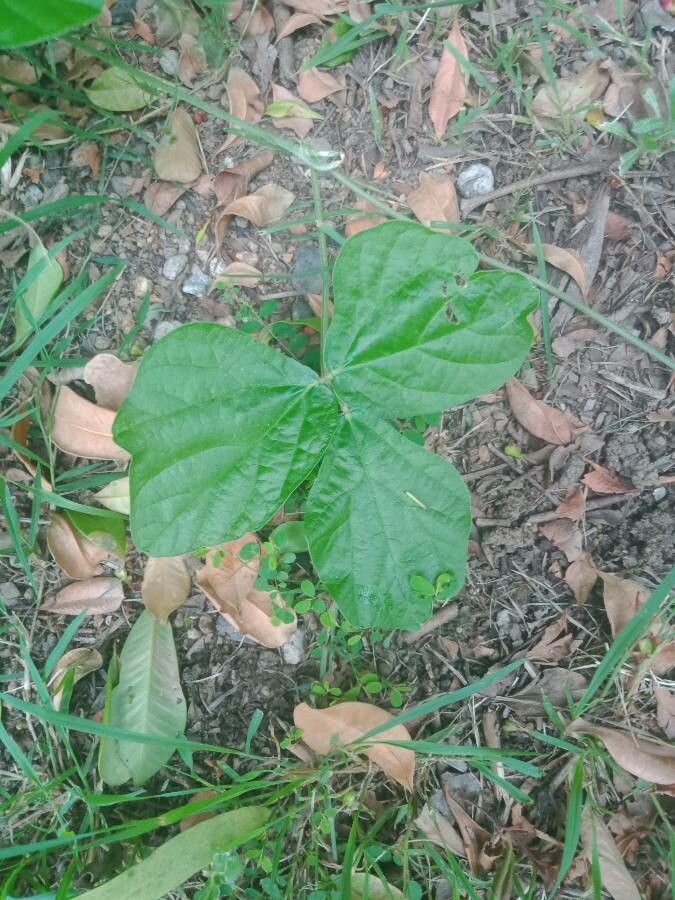
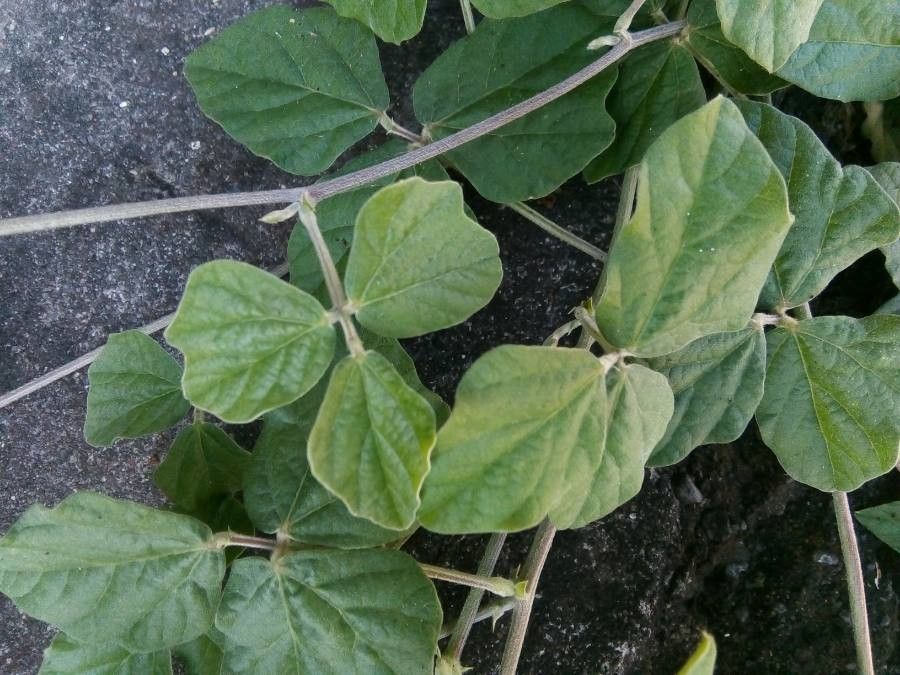
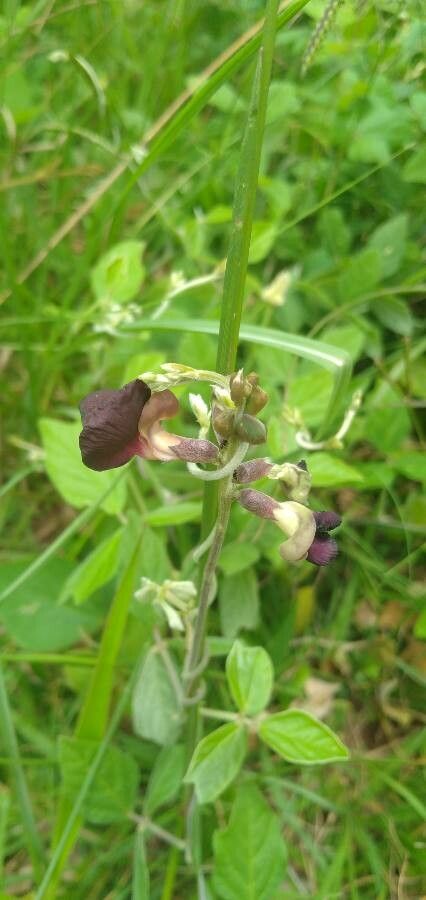
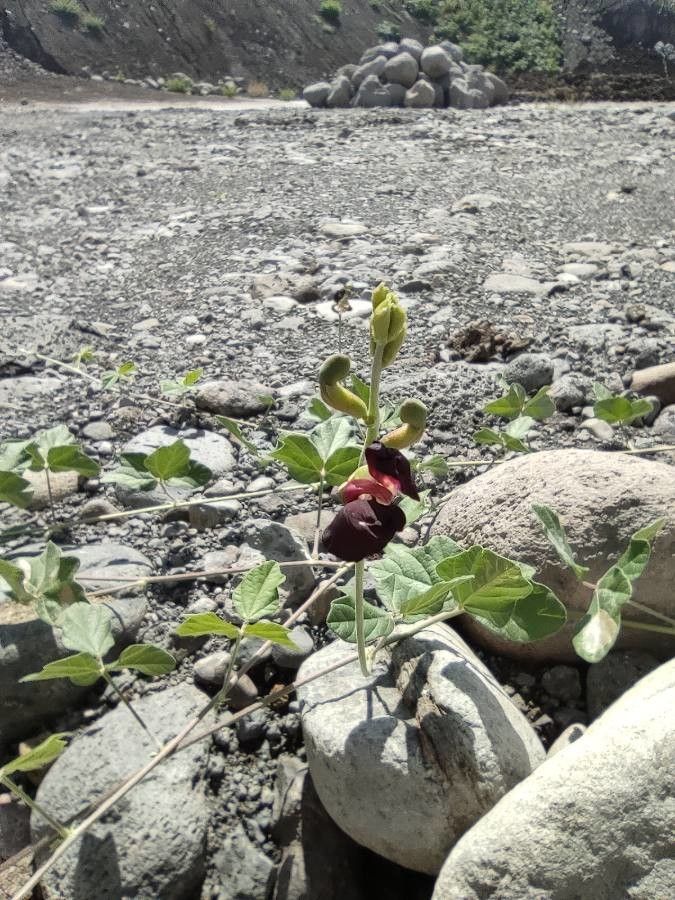
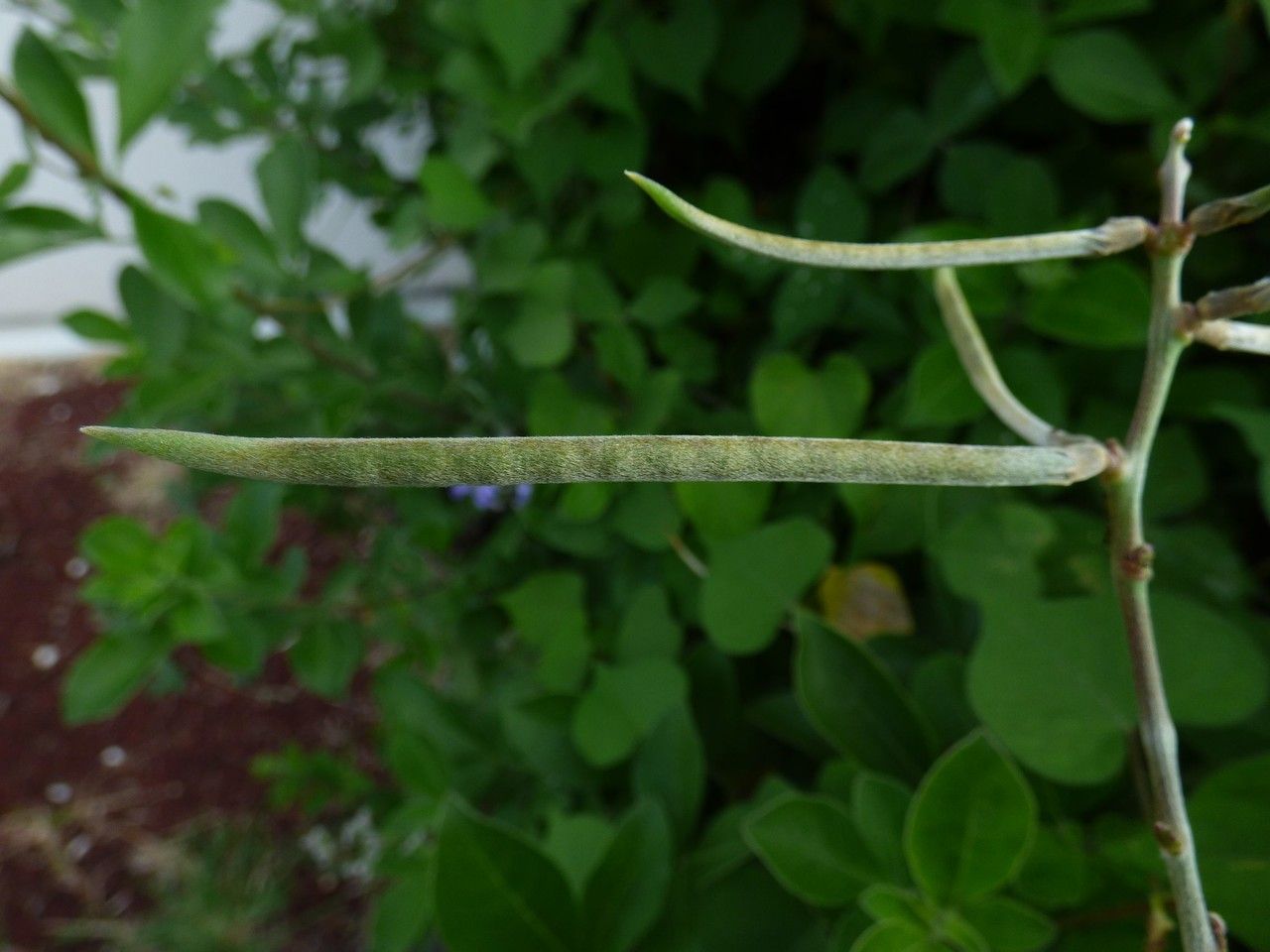
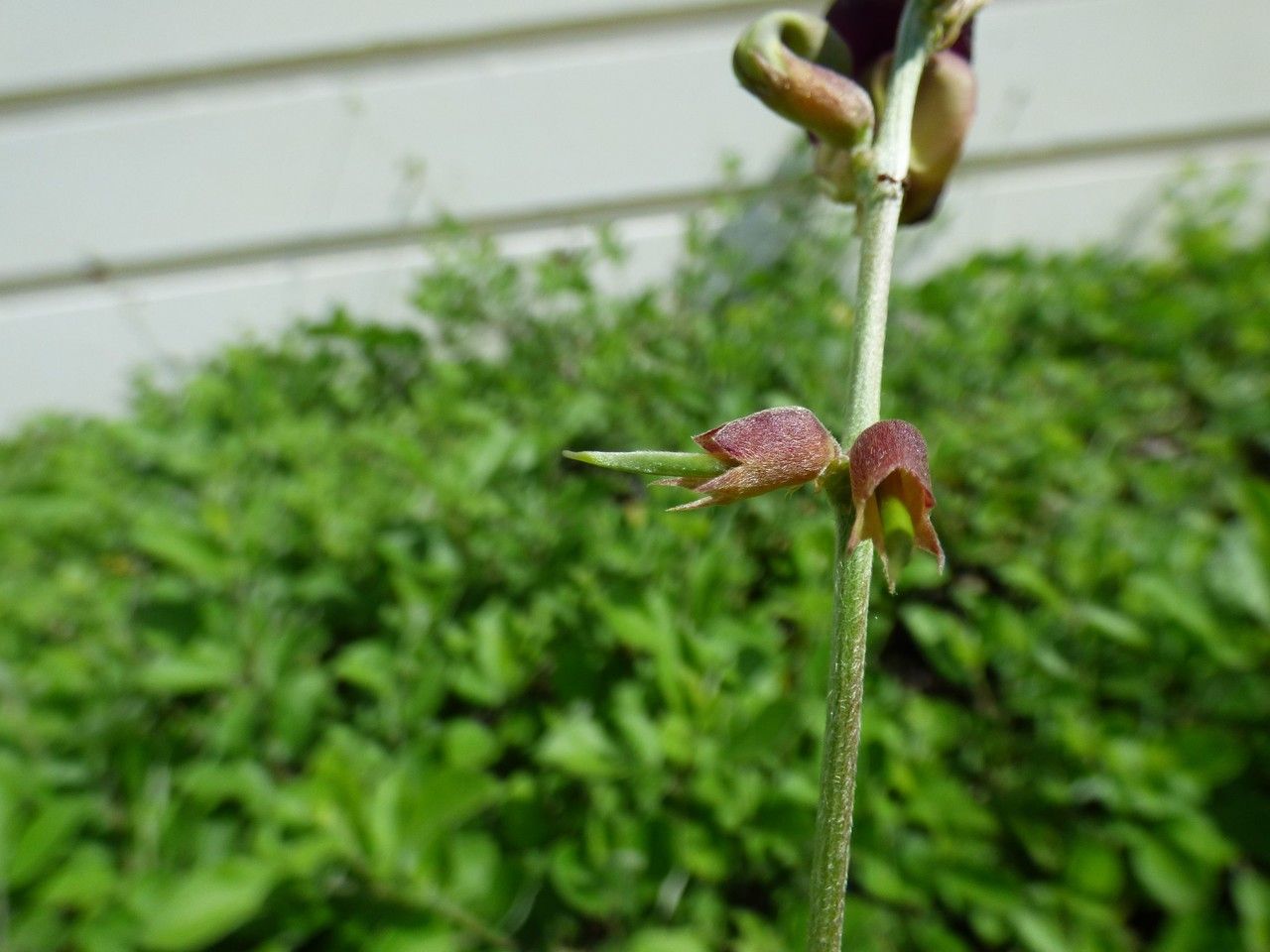
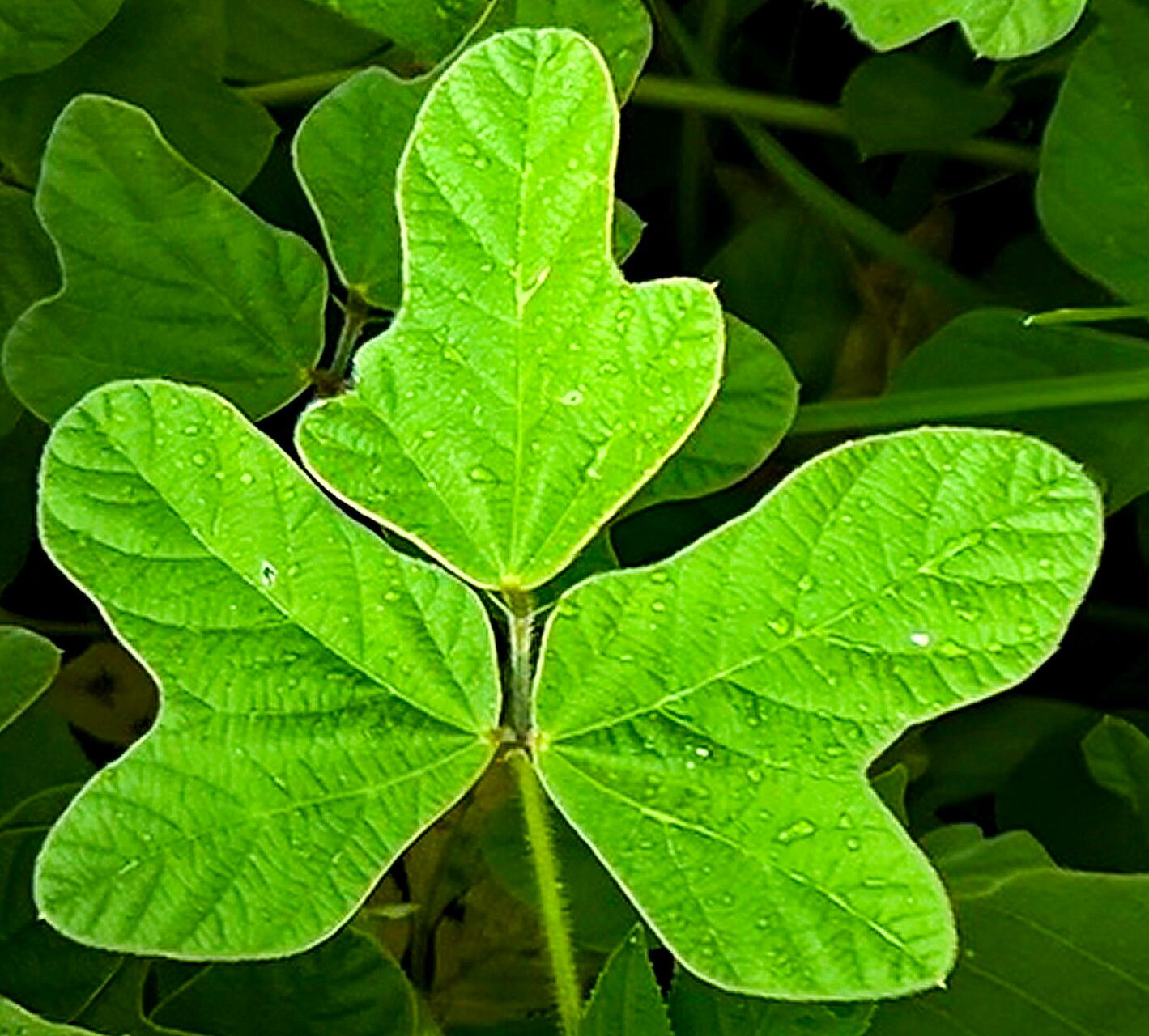
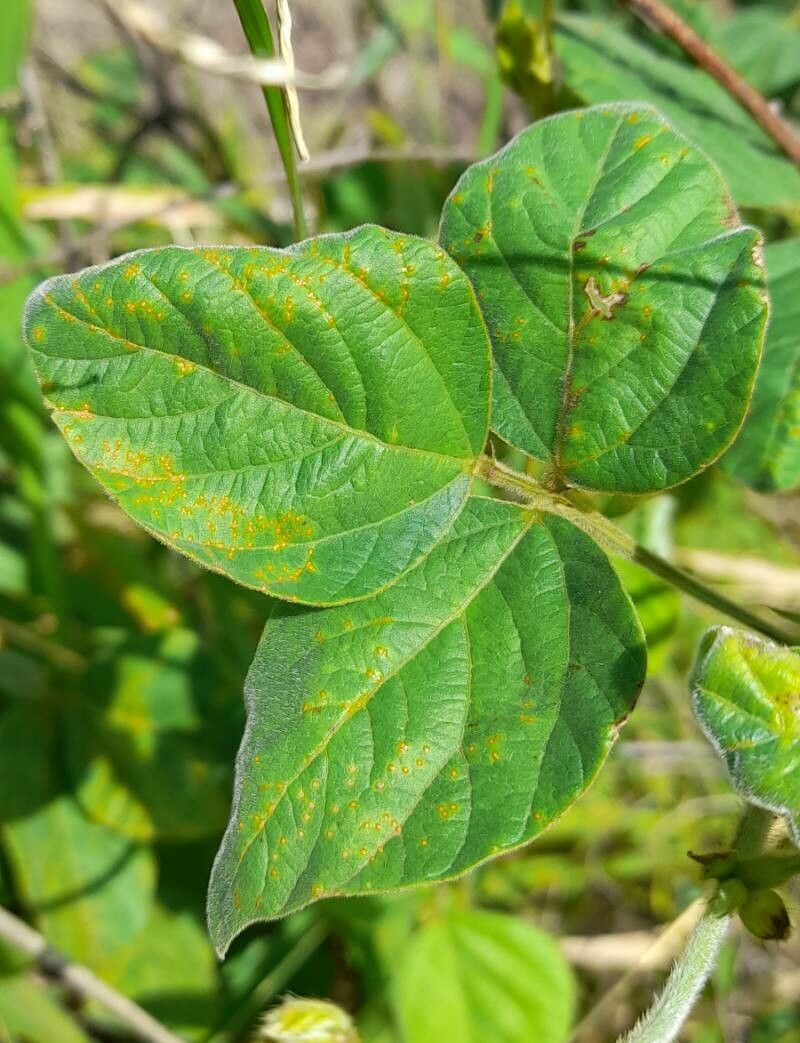
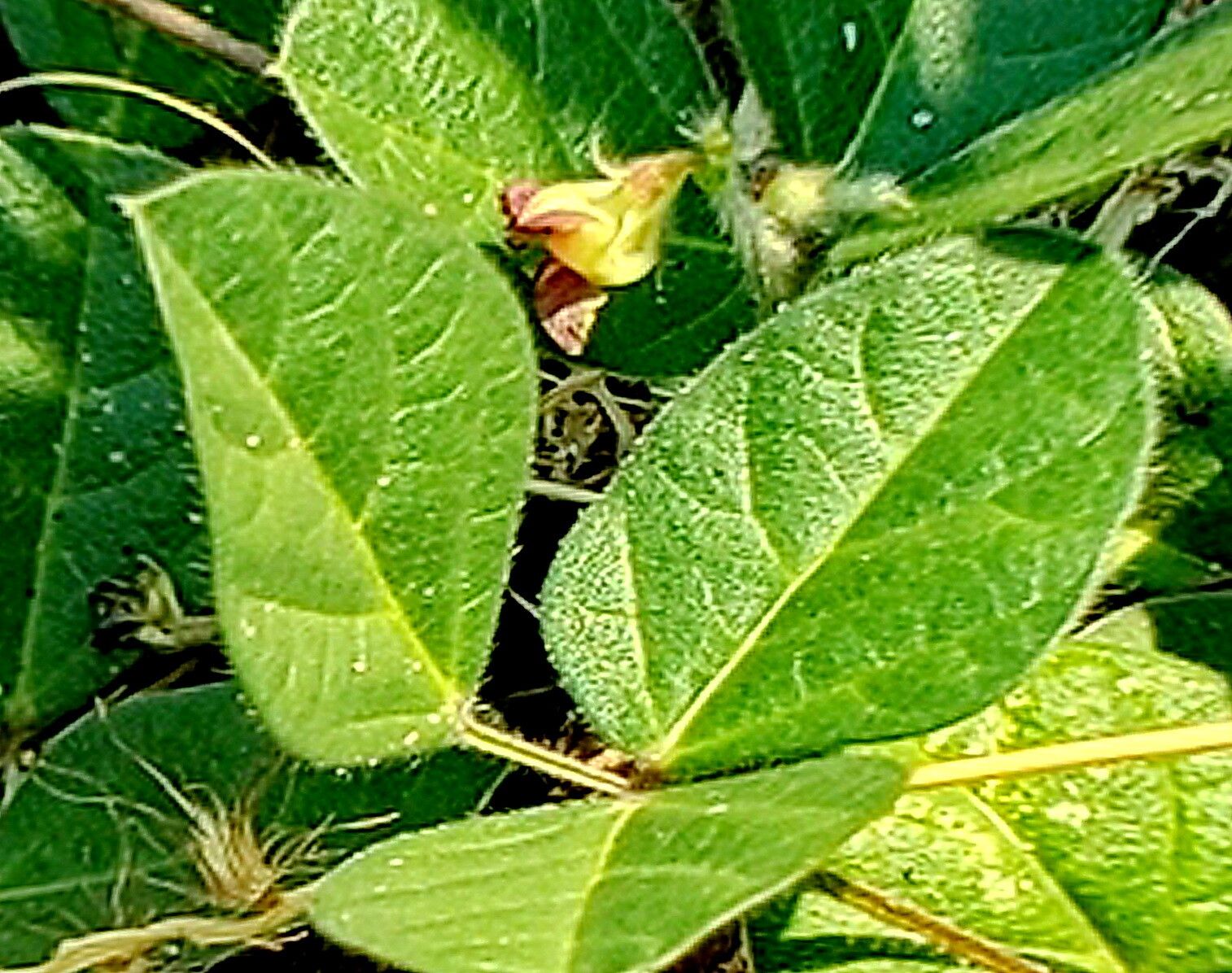
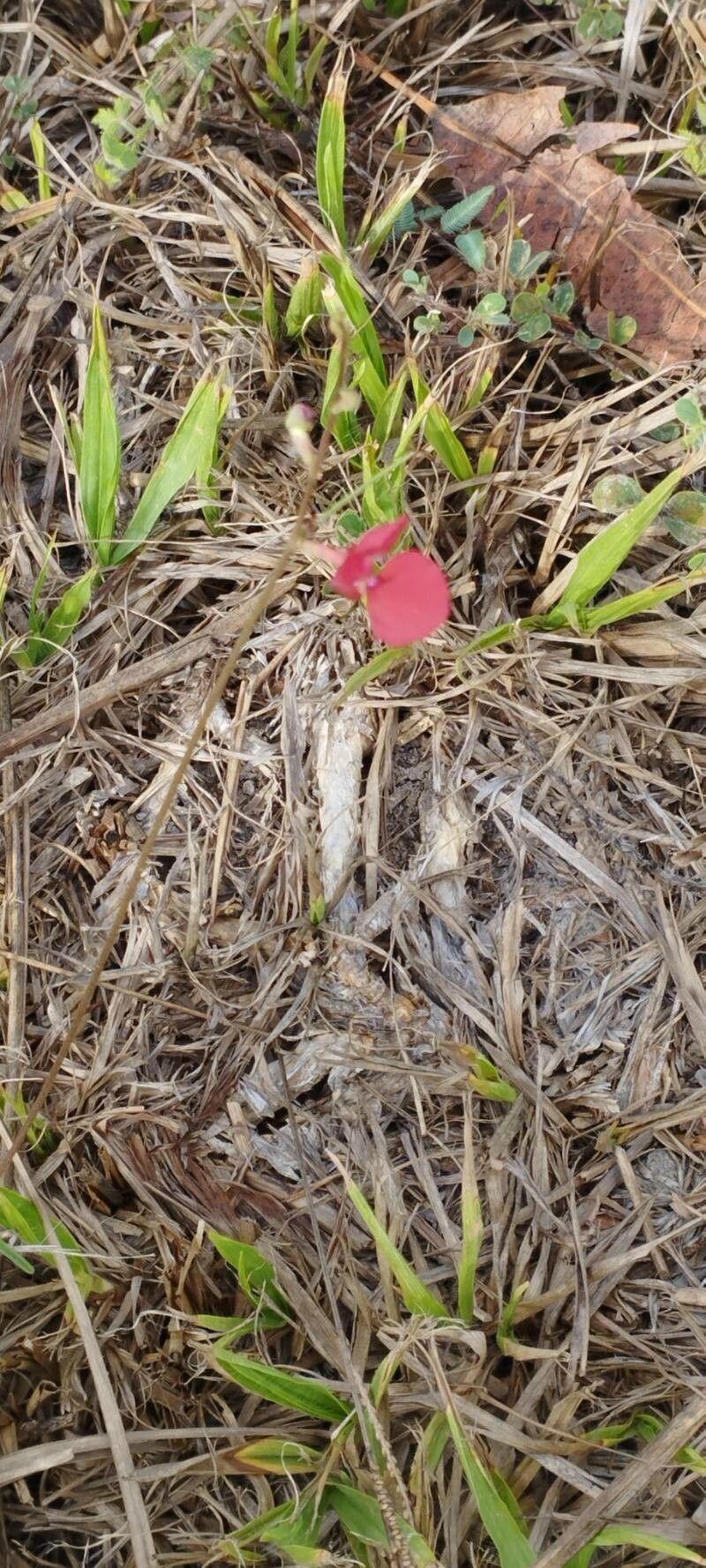
Macroptilium atropurpureum, commonly referred to as purple bush-bean, or siratro is a perennial legume recognized by its climbing, dense, green vines and deep purple flowers. The plant is indigenous to the tropical and subtropical regions of North, Central, and South America, as far north as Texas in the USA and as far south as Peru and Brazil. It has been introduced for use as a food for stock to many tropical regions around the world. It has become an invasive pest plant in a number of areas, including the north-eastern coast of Australia. Rich in protein, M. atropurpureum is commonly used for cattle pastures intercropped with grass, used in hay, or as a ground cover to prevent soil erosion and to improve soil quality.
Purple bushbean is fairly disease-resistant and typically not prone to illnesses. Nevertheless, it can be affected by pests and diseases present in its surroundings. These problems are generally mild. As for care, this plant needs moderate maintenance. It should be pruned regularly to preserve a neat appearance and promote healthy growth. Fertilizing can also encourage flowering. Purple bushbean is suitable for anyone with outdoor space, such as a garden or patio, and does not require extensive care experience. It may demand more attention when grown indoors.
How to keep Macroptilium Atropurpureum.
Light
Purple bushbean comes from bright, tropical regions where it flourishes in direct sunlight. It prefers full sun but can tolerate partial sun, doing well in lightly shaded areas.
Water
The Purple bush bean is well-suited for areas with varying rainfall and has a moderate tolerance for drought. To mimic its natural hydration cycle, it's best to water it weekly. When grown indoors, occasional misting can help maintain proper humidity. The plant thrives in well-draining soil, as overwatering can be harmful during its active growth phase.
Temperature
Purple bushbean originates from habitats where temperatures range from 68 to 100.4 °F (20 to 38 °C). It favors warmer conditions, particularly during growth periods. Adjustments to cold weather may be required in winter.
Fertilizer
Proper fertilization is essential for Purple bushbean's health and appearance. Fertilize Purple bushbean during the summer, repeating the treatment monthly throughout the season. Nutrients fuel growth and help maintain the plant's structures. Fertilizing boosts Purple bushbean's flowering, ensuring the best blooms.
Pruning
Purple bushbeans are characterized by their twining growth and striking purple flowers. To encourage blooming and maintain plant health, prune them between early and late spring. During pruning, remove any dead or damaged growth and trim overgrown areas to improve air circulation. Regular pruning not only boosts growth but also enhances the plant's ornamental beauty. Be sure to tailor your pruning practices to fit the specific growth cycle of the purple bushbean.
Botanical profile.
- Plant Type
- Herb
- Life Cycle
- Perennial
- Genus
- Macroptilium
- Family
- Fabaceae
- Hardiness Zone
- 9-11
- Mature Height
- 2.13 m to 4.88 m
- Mature Spread
- 4.88 m
- Leaf Color
- Green, Dark Green
- Leaf Type
- Semi-evergreen
- Flower Color
- Purple
- Flower Size
- 1.52 cm to 2.59 cm
- Bloom Time
- Summer, Fall
- Planting Time
- Spring, Summer, Autumn
- Harvest Time
- Late summer, Fall, Early winter
- Native Area
- Colombia, Belize, Honduras, Mexico, Guatemala, Bolivia, Venezuela, Peru, Brazil, El Salvador, Nicaragua, Ecuador, Costa Rica, Panama
Other names.
Reader questions.
How should I water my Purple bushbean?
To properly water the Purple bushbean, it is best to use filtered water at room temperature. Tap water may contain harmful particles that can negatively affect the plant's health. Since the Purple bushbean is accustomed to warm environments, it is important to avoid using cold water as it can shock the plant. Additionally, overhead watering should be avoided to prevent foliage problems. Instead, gently pour the filtered room temperature water onto the soil until it is completely soaked. This method is beneficial because it ensures the roots are hydrated and able to absorb the necessary nutrients while spreading through the soil.
What are the sunlight requirements for Purple Bushbean (Macroptilium atropurpureum)?
Purple Bushbean, known botanically as Macroptilium atropurpureum, thrives best under full sun conditions, which means it requires more than 6 hours of sunlight daily. It can also adapt to partial sun, receiving about 3-6 hours of sunlight a day. This plant's origin in bright, tropical environments means it's well-suited for direct sunlight, although it can tolerate and adapt to slightly shaded areas as well. It's crucial to observe the movement of sunlight through your garden to select spots that offer the ideal balance of light and shade, ensuring the plants' well-being and happiness.
What is the ideal temperature range for Purple bushbean?
Purple bushbean thrives in environments with a temperature range of 68 to 100.4°F (20 to 38°C). These plants prefer warmer temperatures, especially during growth periods. In winter, it's recommended to make adjustments to protect them from the cold, as they are extremely heat-loving plants. Outdoor-grown Purple bushbeans should be brought indoors in autumn to ensure they're kept in a warm environment, away from direct heater airflow, while maintaining temperatures above 20°C for optimal growth. Exposing Purple bushbeans to temperatures nearing 0°C can be harmful.
What should I do if I give too much or too little water to my Purple bushbean?
Overwatering and underwatering can harm your Purple bushbean, but overwatering is more common. When the plant receives too much water, its stems and leaves may wilt and turn yellow. Overwatering over time can also cause diseases like root rot, mold, and mildew, which can be fatal to the plant. Underwatering is less likely for the Purple bushbean since it is drought-tolerant, but still a possibility. When underwatering occurs, the leaves may become brittle and brown. It's important to recognize the signs of overwatering early to prevent irreversible damage, such as root rot. If you notice these signs, reduce your watering immediately and check the soil drainage. If the soil drains poorly, replace it with a well-draining potting mix. If your Purple bushbean is not receiving enough water, simply water more regularly until the signs improve.
How can artificial lighting supplement sunlight for indoor Purple Bushbean plants?
When natural sunlight is not sufficient, especially during winter or in less sunny spaces, artificial lighting can be a crucial solution for indoor Purple Bushbean plants. For optimal growth under artificial light, consider LED lights, which can be customized to supply the specific light wavelengths needed by plants. Full sun plants require 30-50W/sq ft of artificial light, partial sun plants need 20-30W/sq ft, and shade plants require 10-20W/sq ft. The light source should be placed 12-36 inches above the plant to mimic natural sunlight, and the plants typically need 8-12 hours of light per day.
How should Purple bushbeans be cared for in low temperatures?
Purple bushbean is not tolerant of cold and exhibits optimal growth when temperatures are maintained above 20°C. During the winter, care should be taken to keep the temperature above 0°C to prevent damage. Exposure to temperatures below -5°C can result in the leaves lightening in color. Following frost damage, leaves typically turn brown or black, and the plant might show signs of wilting and drooping. To recover a frost-damaged Purple bushbean, trim off the damaged parts and move the plant indoors to a warm location. It's beneficial to position the plant near a south-facing window for ample sunlight, ensuring it's not too close to heaters or air conditioning vents to avoid dry air.
How much should I water my Purple bushbean?
If your Purple bushbean plant is in a pot, you can check if it needs water by sticking your finger into the soil. If the top two to three inches are dry, it's time to water it. If you are growing the plant outdoors in the ground, you can use the same method to test the soil. When the top few inches of soil have dried out, it's time to water. In the spring and early fall, you'll likely need to water the plant about once a week. But during very hot weather, you may need to water it twice a week or more. However, mature and well-established Purple bushbeans are often able to withstand drought conditions.
What are common symptoms of light deficiency in Purple Bushbean plants?
Purple Bushbean plants showing symptoms of light deficiency may experience several issues, including smaller new leaves compared to mature ones, leggy or sparse growth due to elongated spaces between leaves or stems, faster drop of older leaves as a survival strategy, slowed or halted new leaf growth, and the appearance of lighter-colored or pale new leaves. Chlorosis, or the loss of leaf greenness indicating a breakdown of chlorophyll, is another symptom along with sunscald, leaf curling, wilting, and leaf scorching. Each of these symptoms points to inadequate light exposure or excessive sunlight.
What measures should be taken for Purple bushbeans in high temperatures?
During the summer, it's essential to keep Purple bushbeans' temperature below 38°C to prevent heat stress. When temperatures exceed 43°C, the plant is at risk of sunburn, indicated by a lightening of the leaf color. To protect and recover the plant from high temperature stress, trim away the sunburned and dried-up parts. Relocate the plant to a shaded area during the most intense sun exposure times, such as midday and afternoon. Ensure the soil remains moist by watering in the morning and evening to help mitigate the effects of excessive heat.
How much water does my Purple bushbean plant need?
To properly water your Purple bushbean, don't hesitate to give it a good amount of water. Check if the top 2-3 inches of soil are dry before watering. It's best to completely soak the soil when you water. Make sure to add enough water so that it flows out of the drainage holes at the bottom of the pot. If you don't see excess water draining, it means you haven't given enough water. However, be careful not to let water accumulate in the soil as it can harm the plant. On the other hand, if water doesn't drain properly from the pot, it's a sign of poorly draining soil, which is not good for the plant's health. If the plant is outside, one inch of rain per week should be enough.
What solutions exist for addressing light deficiency in Purple Bushbean plants?
To tackle light deficiency in Purple Bushbean plants, gradually introduce them to sunnier locations until they receive at least 6 hours of direct sunlight daily. For indoor plants not easily moved or too large, consider supplementing with artificial light by keeping a desk or ceiling lamp on for at least 8 hours daily or investing in professional plant grow lights. Outdoor plants should also be moved gradually to prevent sunburn. If sunlight is blocked by trees or buildings, try reducing obstructions by pruning or relocating the plant during its dormant period, ensuring it is moved carefully to a spot with ample sunlight and good drainage. While parts of the plant affected by insufficient sunlight may not recover, new growth should be healthy following these adjustments.
How should I water my Purple bushbean at different times when it is growing?
The water needs of the Purple bushbean can vary depending on its growth stages. In the first few years or after transplantation, it requires more water. During these stages, the plant focuses on developing new roots for future growth, so they need extra moisture. As the plant matures, it will need less water. Additionally, the bloom period may require increased watering since flower development utilizes a significant amount of moisture.