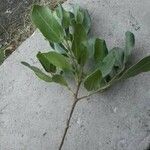
Maerua angolensis
Bushveld bead bean · Bead-bean · Ibiswa · Tchidzyambuzi · Umfusamvu
Description
Source: leafsnapMaerua angolensis is a 10m tall, occasionally deciduous tree of the Capparaceae or caper family, often growing on termitaria and in thickets fringing seasonal watercourses, up to 1800m. Though never common, it is widespread in tropical Africa and arid regions, being absent from high-rainfall regions.
Care Guide
💧 Water Every 7 days
The bead-bean tree is a drought-tolerant, evergreen plant native to arid regions. It requires watering only once every 2 to 3 weeks. This tree thrives in a variety of climates, preferring a balance of moisture and dryness. It is highly effective at retaining water and can adapt to different environmental conditions.
How much water does my Bead-bean tree need?
The Bead-bean tree typically needs about a gallon of water on a regular schedule. For potted plants, water them deeply until you see water dripping from the bottom of the pot. Then, wait for the soil to dry before watering again. To determine the amount of water given in a week, you can use a water calculator or moisture meter. During the flowering period, provide ample water but allow the moisture to evaporate to prevent root rot. If the Bead-bean tree is planted outdoors and receives sufficient rainfall, it may not need additional watering. However, when the tree is young or newly planted, ensure it receives 1-2 inches of rain per week. As the Bead-bean tree grows, it can rely solely on rainfall. Only in very hot weather or when there is no rainfall for 2-3 weeks should you consider giving the tree a thorough watering during the cooler parts of the day to prevent heat damage. Additional watering will be necessary during prolonged dry spells.
What do I need to be careful with when watering my Bead-bean tree at different times of the year, in different weather, or while it's growing?
If you are planting Bead-bean trees in the ground, they mostly rely on rain. However, if there hasn't been any rainfall for 2-3 weeks, you may need to water them deeply. It's best to water them in the morning during the summer, as a large temperature difference between the water and root system can stress the roots. Avoid watering the bushes when it's too hot outside. Start mulching them in the spring, when the ground is not too cold. The age of the plants is important. Newly planted ones often fail to grow due to lack of water, so make sure to water them enough. Once they are established, you can reduce the watering schedule. During the fall and winter, especially if there is a water-retaining material in the soil, water them less. The dry winds in those seasons can dry them out, and newly planted ones are particularly at risk of drought during windy winter, summer, and fall. Windy seasons require more watering. Plants in pots dry out faster, so they need to be watered more frequently. If you notice less blooming and drying leaves, it may be a sign that they need more water. Watering potted plants can be complex and the frequency may vary. Avoid letting the potted plants sit in water by not using containers with saucers, bowls, or trays. Too much watering in the fall can cause mottled or yellowish foliage. Regardless of the climate or season, it's important to prevent overwatering. When the Bead-bean tree starts flowering, you may want to increase the watering frequency, but once they are fully grown, you can reduce it again. Water them with an adequate amount of water every 3 to 5 days, but don't stick to a strict schedule. Check the soil moisture by sticking your finger in the pot or using a moisture meter if you're unsure. Too much watering can lead to root rot and plant death, so be cautious not to overwater or underwater regardless of the climate or season in your area.
☀️ Light Full sun
Bead-bean tree comes from open environments such as sunny meadows and forest edges that offer ample light. It thrives in Full Sun but can also tolerate Partial Sun, adapting well to various sunlight conditions.
What are the sunlight requirements for a Bead-bean tree?
A Bead-bean tree needs a generous amount of sunlight to thrive, ideally flourishing in conditions of full sun, which means it requires more than 6 hours of sunlight daily. However, it's also capable of adapting to partial sun exposure, about 3-6 hours of sunlight. It's essential to monitor the movement of sunlight through your garden to identify spots that offer an ideal balance of light and shade, ensuring the optimal growth and happiness of your plants.
How can artificial lighting support the growth of Bead-bean trees indoors?
When natural sunlight is not sufficient, especially during winter or in less sunny spaces, artificial lighting can be a vital supplement for indoor Bead-bean trees, promoting faster and healthier growth. LED lights are recommended due to their ability to simulate specific wavelengths needed by plants. Full sun plants require 30-50W/sq ft, partial sun plants need 20-30W/sq ft, and full shade plants need 10-20W/sq ft of artificial light. The light source should be placed 12-36 inches above the plant to mimic natural sunlight, and most plants will require 8-12 hours of light per day.
What are the common symptoms of light deficiency in Bead-bean trees?
When Bead-bean trees do not receive adequate sunlight, they may exhibit several symptoms indicating light deficiency. These symptoms include smaller new leaves, leggy or sparse growth, faster leaf drop, slower or halted growth, lighter-colored new leaves, and conditions like chlorosis and sunscald. Leaf curling, wilting, and leaf scorching are also signs that the plant is either getting too much sunlight or struggling under inadequate light conditions.
What solutions can be applied to address light deficiency in Bead-bean trees?
To remedy light deficiency for Bead-bean trees, gradually adjust the plant to receive at least 6 hours of direct sunlight daily. For indoor plants, consider using a south-facing window or artificial grow lights to ensure adequate light exposure for 8 hours daily. For outdoor plants, move them to sunnier spots progressively each week to avoid sunburn. For plants that have outgrown their location or are in heavily shaded areas, reducing obstructions like pruning nearby trees or transplanting the plant to a sunnier location might be necessary. It's important to note that while parts of the plant that have already been affected might not recover, new growth should be healthy following these adjustments for increased light exposure.
🌡️ Temperature 20–35°C
Bead-bean tree is fairly adaptable to temperature, able to endure higher heat and wider temperature fluctuations. In hot conditions, attention should be paid to watering and providing appropriate shade to avoid sunburn. However, Bead-bean tree is relatively sensitive to low temperatures; while it can tolerate some cold, excessively cold conditions may result in frost damage.
💨 Humidity
🪴 Soil 6-7
🌱 Fertilizer
The timing of fertilization is important for the Bead-bean tree. Apply fertilizer beginning in early spring and continue once a month until early summer. Fertilizer promotes attractive blooms and supplies energy both during dormancy and periods of active growth.
🪴 Pot & Repot
✂️ Pruning
The bead-bean tree is known for its distinctive, bead-like seeds and its ability to thrive in drought conditions. To promote healthy growth and flowering, prune the tree in early spring. During pruning, remove any dead branches and excess shoots. Be sure to sterilize your tools to prevent the spread of disease. Pruning in sync with the bead-bean tree's growth cycle helps maintain its vigor and resilience.
🌿 Propagating
🐛 Diseases & pets
☠️ Toxicity
Characteristics
- Plant Type
- Tree
- Life Cycle
- Perennial
- Genus
- Maerua
- Family
- Capparaceae
- Hardiness Zone
- 9
- Mature Height
- 10.06 m
- Mature Spread
- 3.05 m to 7.92 m
- Leaf Color
- Green, Dark Green
- Leaf Type
- Deciduous
- Flower Color
- White, Cream
- Flower Size
- 1.02 cm to 2.03 cm
- Bloom Time
- Late spring, Summer
- Planting Time
- Spring, Autumn
- Harvest Time
- Late summer, Fall