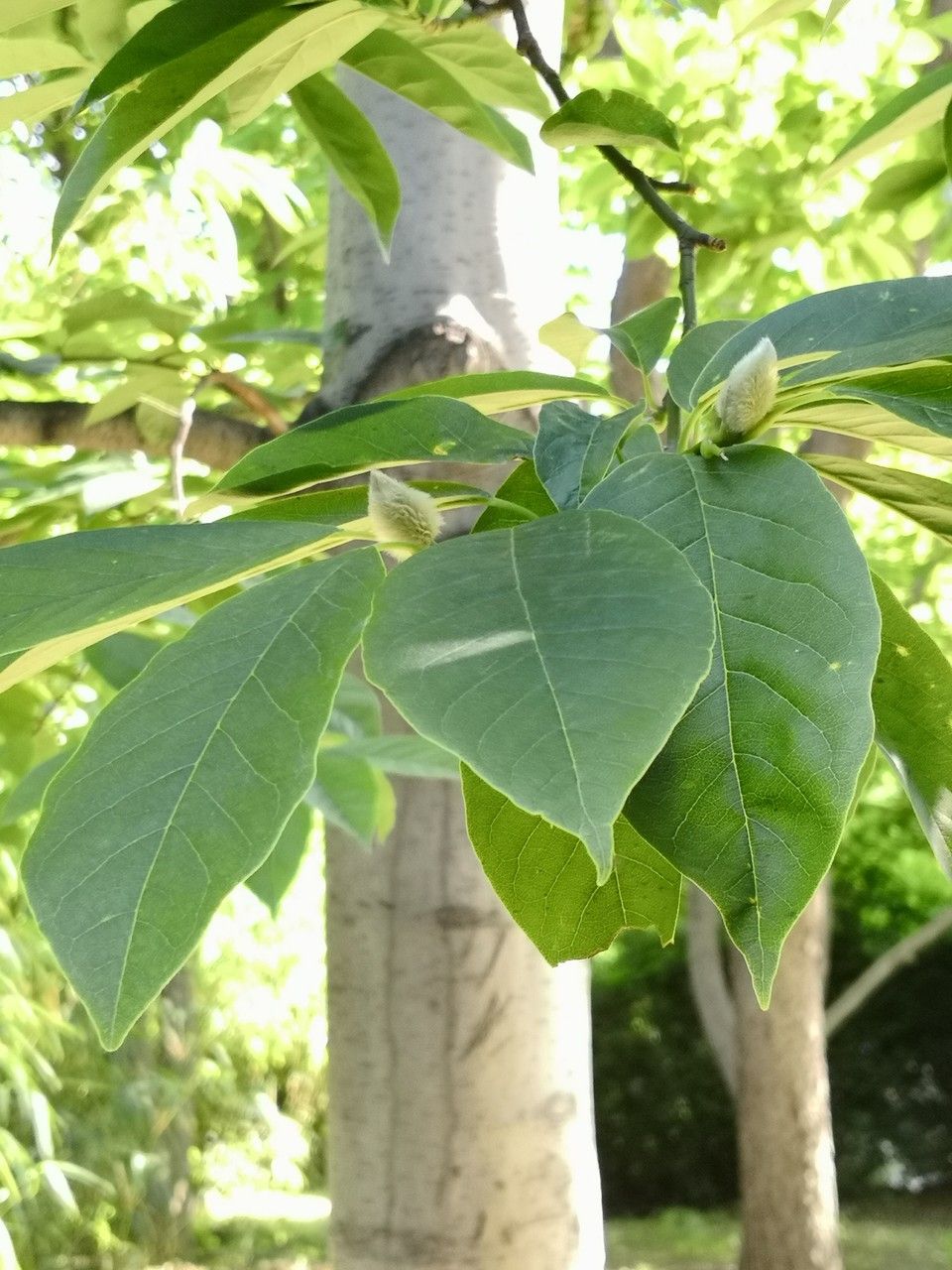
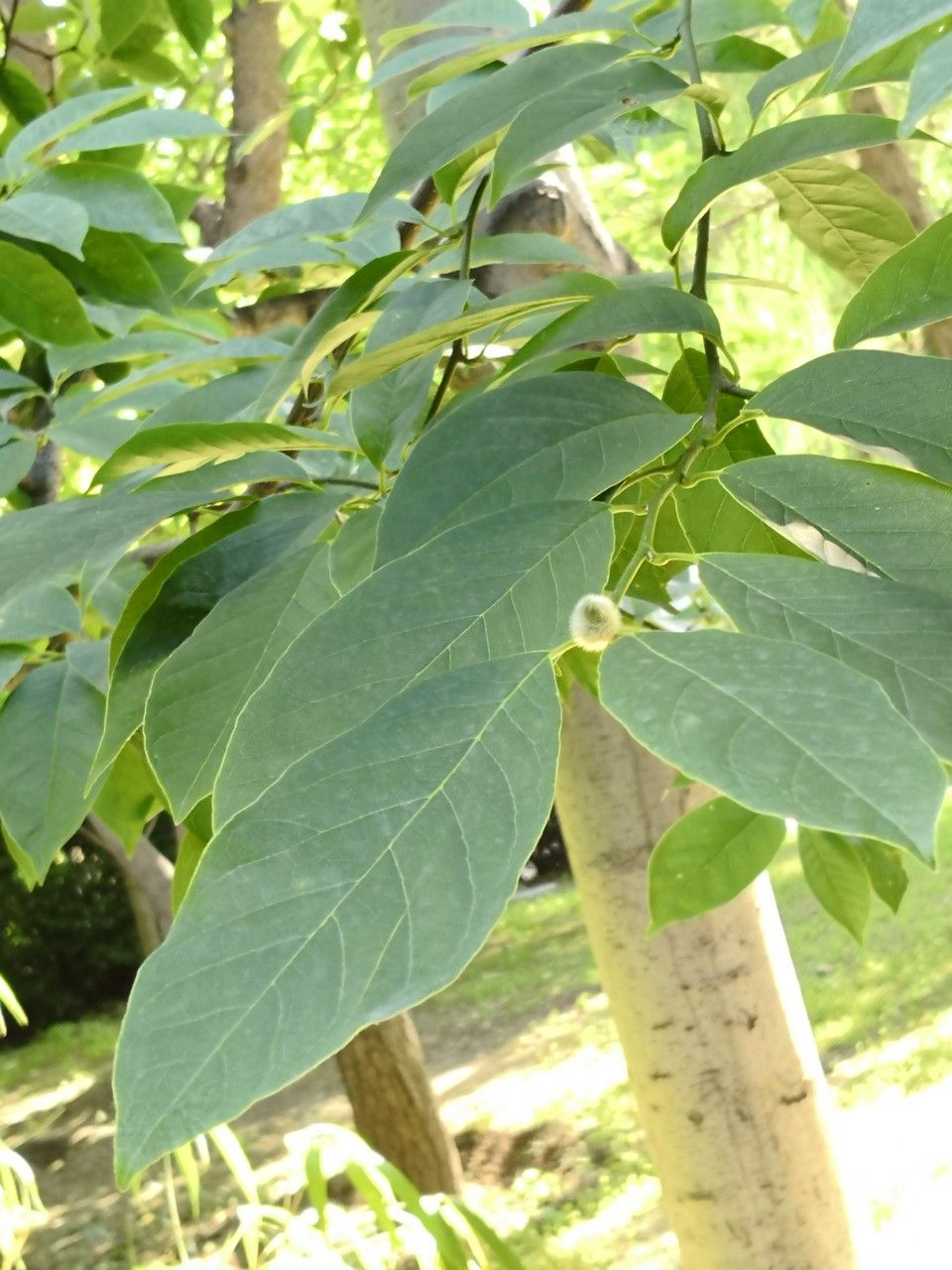
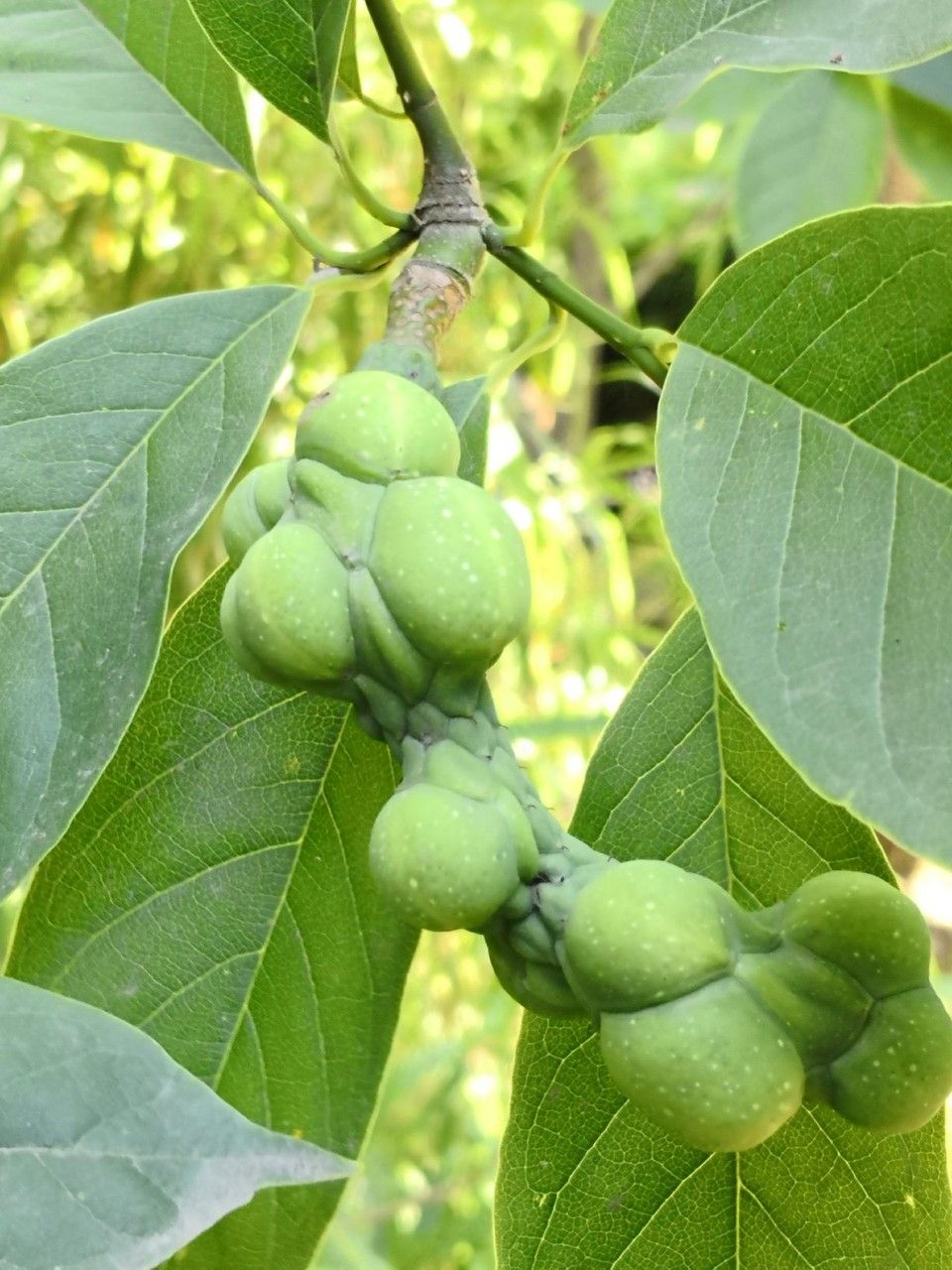
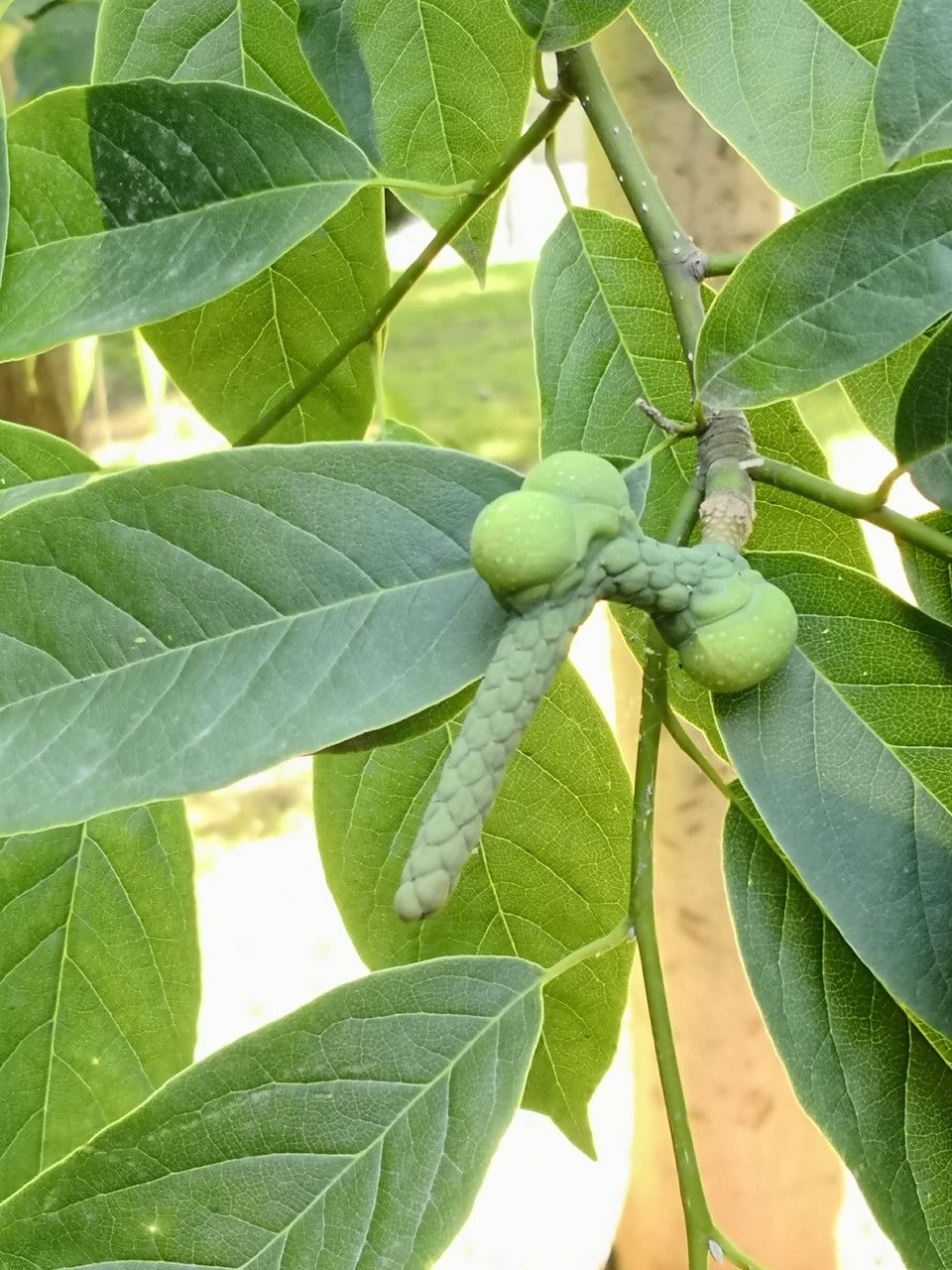
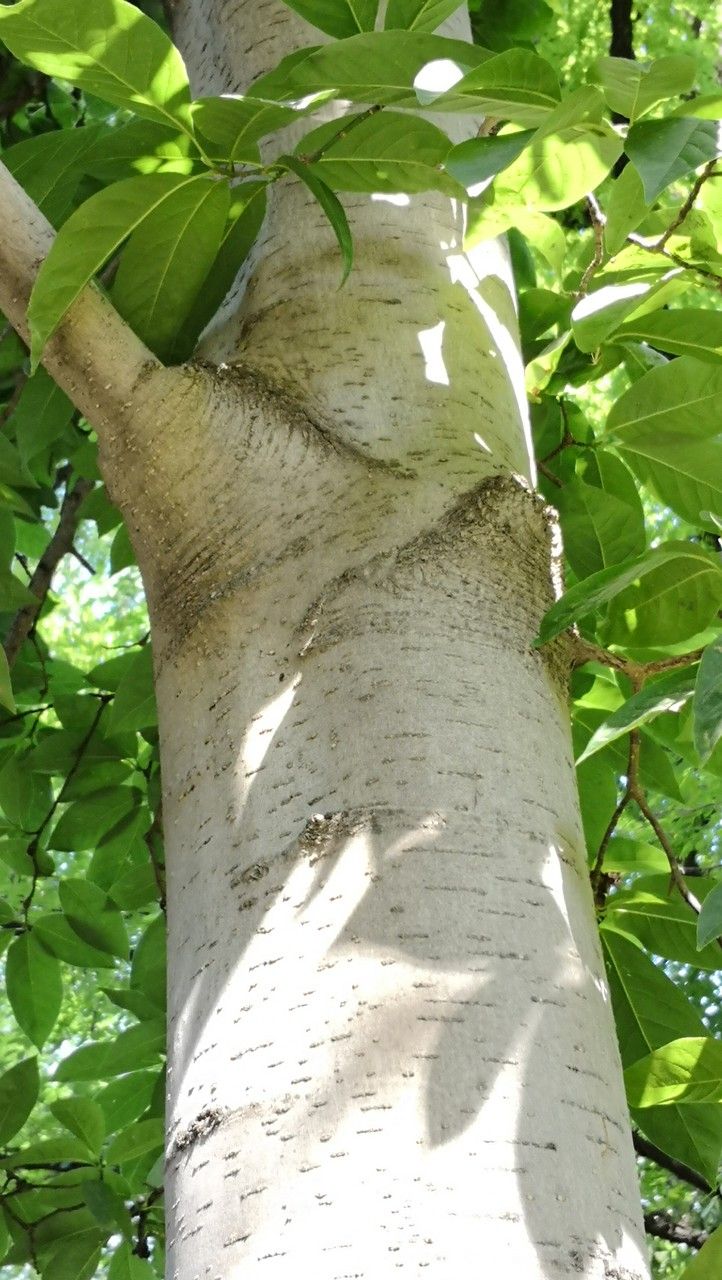
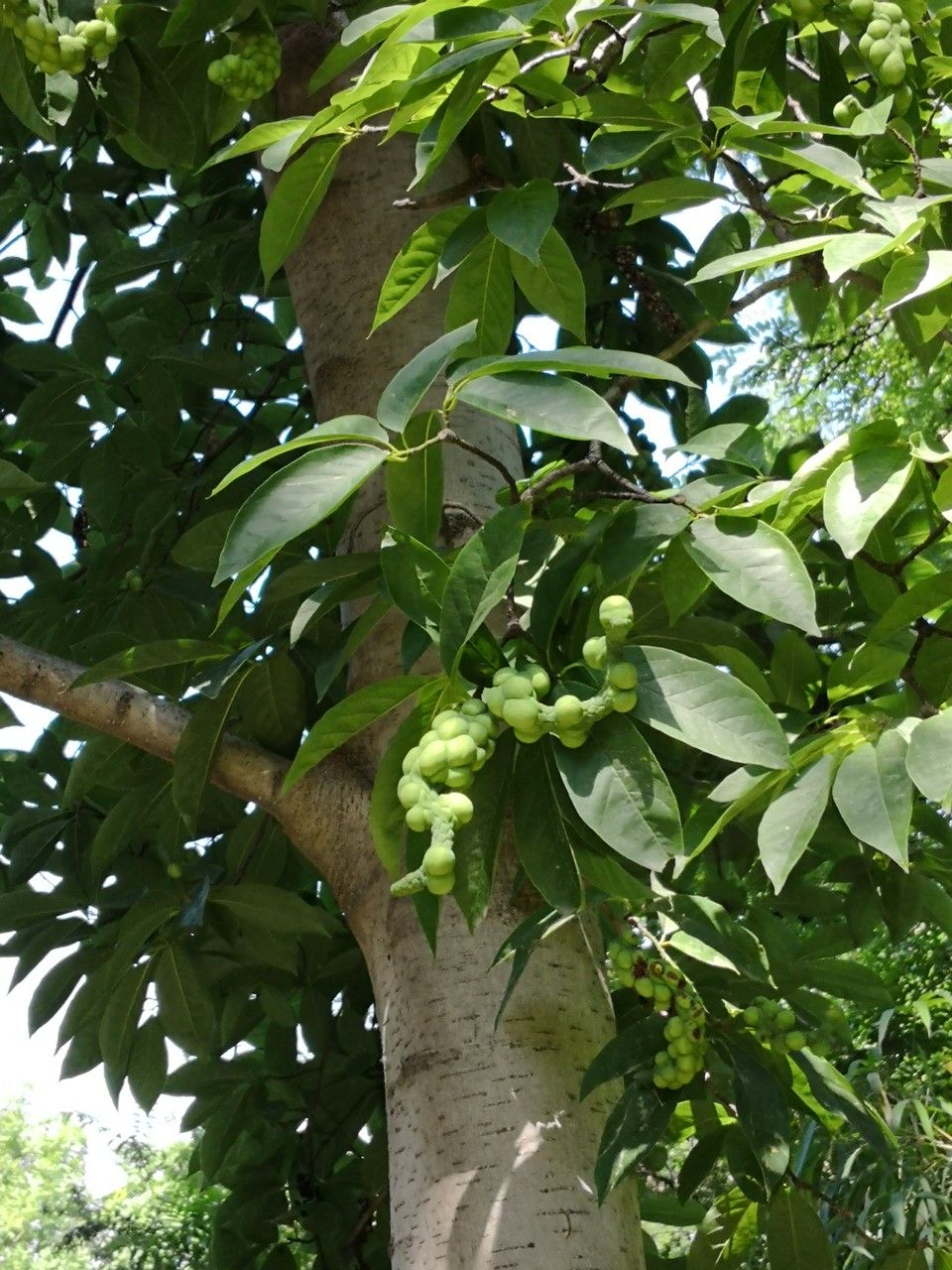
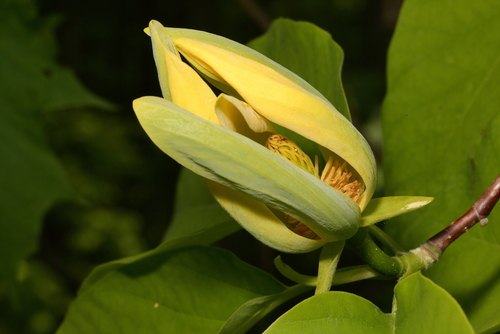
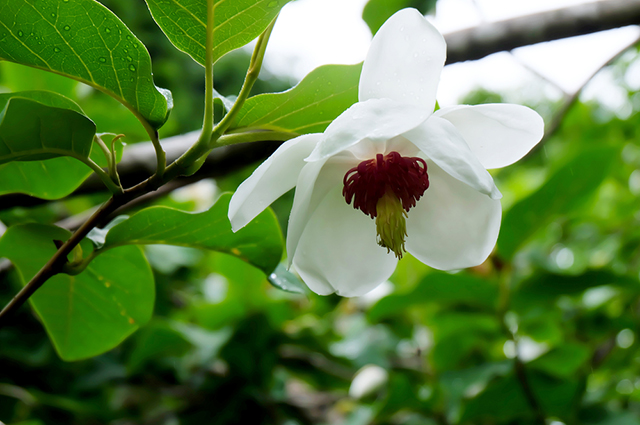
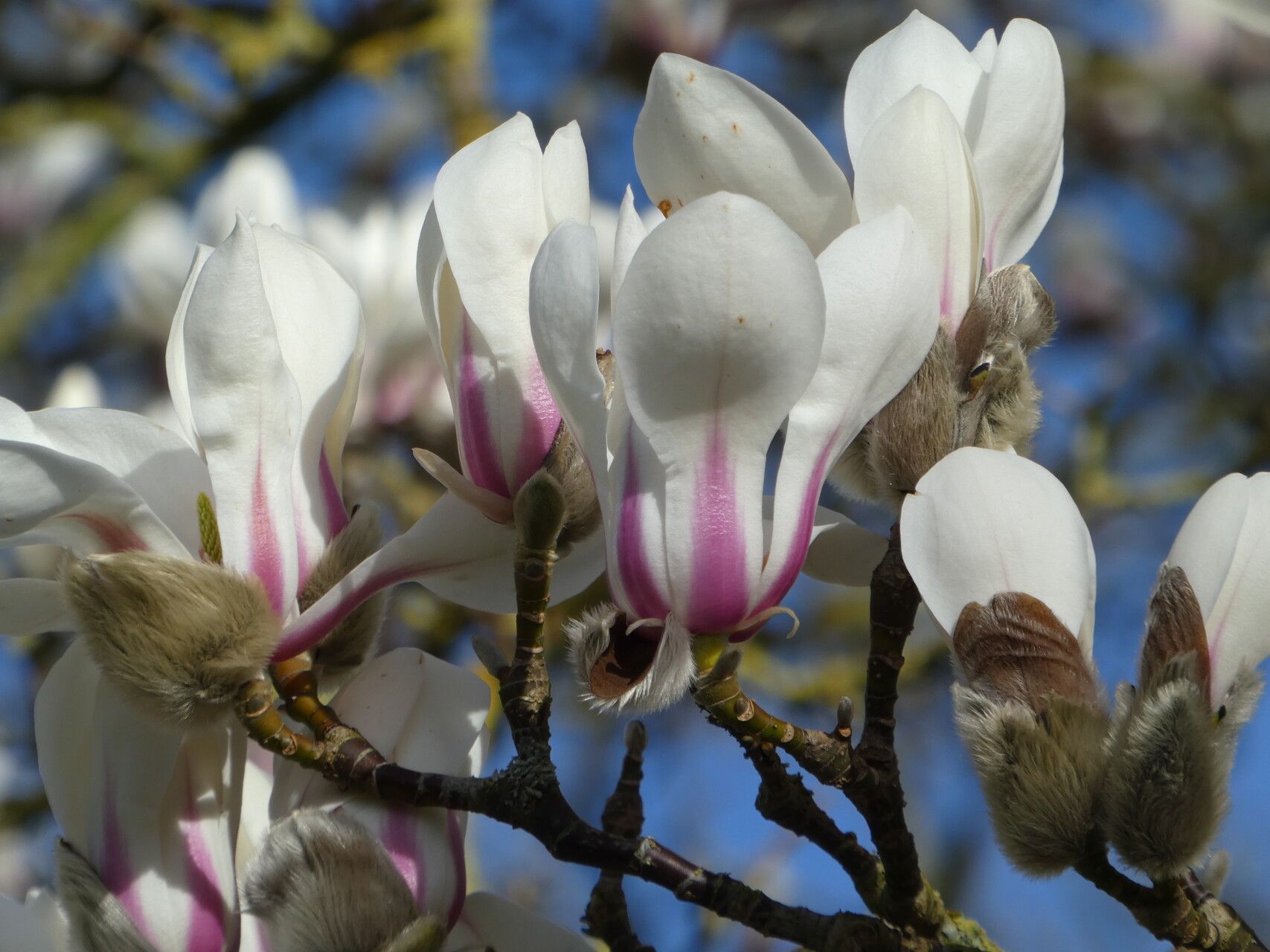
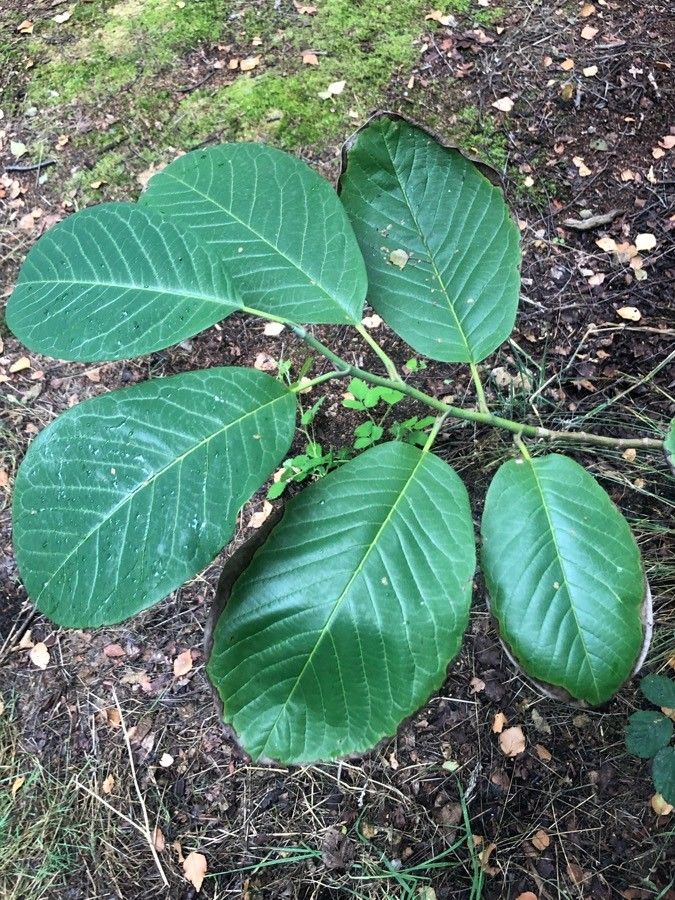
Magnolia amoena (common name Tianmu magnolia, so called from Tianmu Mountain where it grows) is a species of plant in the family Magnoliaceae. It is endemic to China. It is threatened by habitat loss.
Tienmu Magnolia is highly resistant to disease and generally not susceptible to illnesses. Regarding care, this plant is fairly low-maintenance. Planted outdoors, it needs little watering, and larger specimens usually do not require pruning. Smaller plants, however, should be pruned after they finish blooming. Tienmu Magnoliat is suitable for anyone with an outdoor area, such as a garden or deck, and does not demand much prior care experience.
How to keep Magnolia Amoena.
Light
The tienmu Magnolia performs best when it receives abundant sunlight for long periods each day, though it can also grow in sites with moderate sun exposure. This well-lit condition reflects its native habitat. Excessive sun can scorch the leaves, while too little may impede healthy growth and flower production.
Water
The Tienmu Magnolia thrives best in humid environments and requires moderate watering every 2 to 3 weeks. This evergreen plant, commonly cultivated outdoors, needs well-drained soil to prevent waterlogging, which can impede its growth.
Temperature
Tienmu Magnolia is highly adaptable to a variety of climates, from blistering summers to frosty winters. Nevertheless, it has an ideal temperature range for growth. If temperatures become too high, the plant is susceptible to heat and humidity stress, which can lead to its death. In locations where temperatures approach the lower bound of its cold tolerance, it is necessary to provide insulation to protect the plant.
Fertilizer
Proper timing is essential when fertilizing Tienmu Magnolia. Apply fertilizer in early spring and continue monthly until early summer. Fertilizer encourages attractive blooms and supplies energy both during dormant periods and active growth.
Pruning
The Tienmu Magnolia thrives with proper pruning, which includes removing dead branches and thinning out the canopy to improve airflow. The best time to prune is in early spring, right after the tree has finished flowering. This timing encourages vigorous growth and helps develop a strong structure, resulting in an attractive specimen.
Pot & Repot
Tienmu Magnolia is not suitable for potting, suggesting that it may need specific environmental conditions or more space than a pot can offer. Providing the right care and environment is essential for the plant's health and growth.
Botanical profile.
- Plant Type
- Tree
- Life Cycle
- Perennial
- Genus
- Magnolia
- Family
- Magnoliaceae
- Hardiness Zone
- 5-9
- Mature Height
- 11.89 m
- Mature Spread
- 4.88 m to 7.01 m
- Leaf Color
- Dark Green, Forest Green
- Leaf Type
- Deciduous
- Flower Color
- Pink, White
- Flower Size
- 6.35 cm
- Bloom Time
- Early spring, Mid spring
- Planting Time
- Spring, Winter
- Harvest Time
- Late summer, Early fall, Mid fall
- Native Area
- China
Reader questions.
How should I water my Tienmu Magnolia plant?
To promote excellent root development, place a garden hose at the base of the plant rather than directly spraying the leaves. If the plant is outdoors and in direct sunlight, the leaves will need more watering. For moistening the roots, you can use bubblers or soaker hoses attached to each plant. When adding or removing plants, use soaker hoses that cover the entire garden or bed to ensure deep root growth. After watering, make sure to drain any excess water and allow the soil to dry before watering again. To prevent diseases, it is best to water at ground level rather than spraying the leaves. On a sunny day, you can consider spraying water on the entire bush. Whether the Tienmu Magnolia is potted or in-ground, remember that it prefers deep watering rather than light sprinkling.
What are the sunlight requirements for the Tienmu Magnolia?
The Tienmu Magnolia, also known as Magnolia amoena, thrives best in environments that provide plenty of sunlight for substantial periods of the day, reflecting its native habitat requirements. It requires full sun, which is defined as more than 6 hours of sunlight per day, but it can also grow in partial sun conditions, which consist of about 3-6 hours of sunlight. Adequate sun exposure is vital for the plant's healthy growth and flower production, whereas too much sun can lead to leaf burn and insufficient sunlight might hamper the plant's growth. Observing how sunlight moves through your garden and choosing spots that offer a perfect balance of light and shade will ensure your plants' happiness.
How important is artificial lighting for indoor Tienmu Magnolia plants?
Artificial lighting plays a crucial role in the growth of indoor Tienmu Magnolia plants, especially when natural sunlight is insufficient, such as during winter or in less sunny indoor spaces. Artificial lights, particularly LED lights, can be customized to provide specific wavelengths of light needed by the plants, promoting faster and healthier growth. Full sun plants require 30-50W/sq ft, partial sun plants need 20-30W/sq ft, and full shade plants benefit from 10-20W/sq ft of artificial light. The light source should be placed 12-36 inches above the plant to mimic natural sunlight, and the duration should mirror natural daylight hours, typically 8-12 hours per day.
What are some symptoms of light deficiency in Tienmu Magnolia?
When Tienmu Magnolia does not receive optimal light conditions, it may exhibit several symptoms indicating a light deficiency. These symptoms include smaller new leaves, leggy or sparse growth, faster leaf drop, slower or no new growth, and lighter-colored new leaves. Additionally, chlorosis, sunscald, leaf curling, wilting, and leaf scorching are symptoms that can arise from either excessive sunlight or insufficient light exposure. Such conditions suggest the plant is struggling with the amount of sunlight it is receiving, affecting its ability to grow and stay healthy.
What are the solutions for Tienmu Magnolia facing insufficient sunlight?
To address insufficient sunlight for Tienmu Magnolia, both indoor and outdoor strategies can be employed. For indoor plants, gradually move them to a sunnier location each week to receive at least 6 hours of direct sunlight daily, or use artificial light, such as a desk lamp or professional plant grow lights, for at least 8 hours daily. For outdoor plants, similarly move them gradually to sunnier spots to avoid sunburn and ensure new growth is healthy. Additionally, if trees or other obstructions block sunlight, consider pruning them or transplanting smaller plants to a location with ample sunlight and good drainage during their dormant period, typically late winter or early spring.