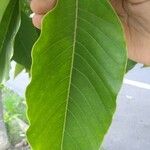
Magnolia champaca
Champak tree · Michelia · Champac · Champak · Joy Perfume Tree
Description
Source: leafsnapMagnolia champaca, known in English as champak (), is a large evergreen tree in the family Magnoliaceae. It was previously classified as Michelia champaca. It is known for its fragrant flowers, and its timber used in woodworking.
🌳 The flowers of the champak are prized for their scent and are widely used in the perfume industry. Mostly grown in tropical Asia, the flowers' aromatic essence is extracted to make 'champaca oil', which is an important component in many luxury and traditional fragrances. Besides their smell, the flowers are also employed in cultural and religious ceremonies in India, where they represent love and spiritual purity.
Care Guide
💧 Water
Champak thrives in high humidity, which is characteristic of its tropical origins, but it is also moderately drought-tolerant. Water it sparingly every 2-3 weeks, making sure to let the soil dry out between waterings. Although champak is generally grown outdoors, it requires ample water during the growing season to ensure optimal flowering and maintain overall health.
How much water does my Champak plant need?
When watering your Champak, remember that it doesn't always require a lot of water. If only a few inches of soil have dried out since the last watering, giving it about five to ten ounces of water is enough for healthy growth. You can also gauge the water volume based on the moisture of the soil. Note how many inches of soil have dried between waterings. To ensure your Champak gets enough moisture, water it until all the dry soil layers are moistened from the previous watering. If more than half of the soil is dry, you may need to give more water than usual. In such cases, continue watering until excess water drains from the pot's drainage holes. If your Champak is planted in an area with sufficient outdoor rainfall, it may not need additional watering. When young or newly established, it should receive 1-2 inches of rain per week. As it grows and becomes established, it can rely solely on rainwater. Only in hot weather with no rainfall for 2-3 weeks, consider giving your Champak a full watering to prevent stress.
What's the different way to water my Champak inside versus outside?
Your Champak may not need to be watered if it is growing outside and receives sufficient rainwater. However, if you live in an area with little to no rain, you should water the plant approximately every two weeks. If you live outside the plant's natural hardiness zone, it is recommended to grow it indoors. When grown indoors, it is important to monitor the soil moisture, as it can dry out faster when in a container or exposed to HVAC units like air conditioners. These factors can cause the plant to require more frequent watering compared to when grown outdoors.
How can I water my Champak plant the right way?
Your Champak doesn't have specific preferences for how you water it. You can use common tools like watering cans, hoses, or even cups. It's important to water directly into the soil, making sure to evenly moisten all areas to provide sufficient water for the whole root system. Using filtered water is recommended to avoid harmful particles from tap water. It's also better to use water at or slightly above room temperature, as extremely cold or hot water may shock the Champak. Nonetheless, the Champak typically responds well to any type of water.
What do I do if I give my Champak plant too much water or too little water?
Outdoor plants, especially newly planted ones or seedlings, can easily suffer from lack of watering. Remember to water them adequately for the first few months, especially when the tree is still small or recently planted. Once the roots are established, Champak plants can typically rely on rain for moisture most of the time. However, when Champak is planted in pots, overwatering becomes more likely. If you accidentally overwater your Champak, take immediate action to address the issue. Stop watering the plant right away to minimize the impact of overwatering. Then, remove the Champak from its pot to examine the roots. If you find no signs of root rot, you can safely return the plant to its pot. But if you notice any root rot, trim away the affected roots and consider using a fungicide to prevent further damage. Finally, repot the Champak in well-draining soil. Dealing with an underwatered Champak is relatively simple. Increase your watering frequency, as indicated by the drooping, drying, and falling leaves. Once properly watered, the leaves will regain their fullness quickly. Make sure to adjust your watering schedule promptly to avoid underwatering the plant.
How frequently should I water my Champak plant?
If your area doesn't get much rainfall, you'll need to water your outdoor plants every 2 weeks in the spring and fall, and more often in the summer. In the winter, you won't need to water them as much. However, if your Champak plant is young or newly planted, it will need more frequent watering to help it establish and grow. For potted plants, there are two ways to determine how often to water your Champak. You can set a predetermined schedule, such as watering once a week or every other week. However, this might not always work because it doesn't consider the specific growing conditions for your Champak. Another option is to base your watering frequency on the moisture in the soil. Wait until the top two to four inches of soil have dried out completely before watering again. This method is especially important during the summer when the plant's water needs are highest.
☀️ Light Full sun
Champak performs best in strong, unshaded sunlight but can tolerate partial light. In its natural environment it grows with uninterrupted sun, which supports healthy growth. Too much light or insufficient light can cause developmental problems, including stunted growth and dull flowers.
What are the sunlight requirements for Champak plants?
Champak plants require full sun, defined as more than 6 hours of sunlight daily, to thrive and can also manage with partial sun, or about 3-6 hours of sunlight. It's crucial to observe the movement of sunlight through your garden to ensure that you find the ideal spot that provides the right balance of light and shade, ensuring the plants' health and happiness.
What are the essentials for growing a healthy Champak plant?
Growing a healthy Champak plant necessitates intense, unshaded sun exposure, though the plant can survive in partial luminosity. In its natural habitat, continuous sunlight supports its healthy growth, helping prevent developmental issues like stunted growth and dull flowers. If natural light is insufficient, especially in winter or in darker spaces, artificial lighting can be an effective solution. LED lights, being customizable to provide specific wavelengths, are advisable. Full sun plants require 30-50W per square foot, partial sun plants 20-30W per square foot, and full shade plants 10-20W per square foot of artificial light. Placement should be 12-36 inches above the plant, with a duration mimicking natural daylight hours, typically 8-12 hours daily.
What signs indicate my Champak is not getting enough light?
Signs of insufficient light in Champak include the development of smaller new leaves compared to older ones, leggy or sparse growth, indicating a need for more light. Additionally, faster leaf drop and a halt in new growth are signs that the plant is trying to conserve resources due to low light. Lighter-colored new leaves and symptoms such as chlorosis, sunscald, leaf curling, wilting, and leaf scorching may also indicate issues with sunlight exposure, either too little or too much. These conditions show the plant's struggle with inadequate light conditions or overexposure, affecting their ability to photosynthesize and maintain overall health.
How can I address sunlight-related issues for my Champak plant?
To optimize growth and address sunlight-related issues for your Champak plant, consider the following solutions: Indoors, the plant should be gradually moved to a location receiving at least 6 hours of sunlight daily, utilizing a south-facing window to ensure maximum exposure. Artificial lights, like desk lamps or plant grow lights, can be used for at least 8 hours daily if the plant is not movable. Outdoors, moving plants incrementally to sunnier spots can help them adapt without experiencing sunburn. If obstacles like trees block sunlight, pruning or relocating the plant to a sunnier spot with good drainage may be necessary. It’s important to note that affected areas may not recover, but new growth will be healthy with adequate light exposure.
🌡️ Temperature 20–37.8°C
Champak naturally occurs in environments with temperatures between 68 and 100 °F (20 to 38 ℃). It prefers warm climates. In colder periods, adjusting its surrounding temperature to match this preference can improve its health and vigor.
What is the ideal temperature range for Champak to thrive in?
Champak thrives in warm climates, preferring an ideal temperature range from 68 to 100 °F (20 to 38 °C). It is a plant that loves heat, indicating that maintaining an environment within this temperature span can promote its health and vitality. During the colder seasons, it is crucial to adjust its surrounding temperature to mirror this preference to ensure its well-being.
How should Champak be cared for in the winter?
In the winter, it is advisable to maintain temperatures above 20°C to support Champak's growth. If Champak has been grown outdoors, it's recommended to bring it indoors as the seasons change to colder temperatures. Placing it near a bright window yet keeping it at a certain distance from heaters can help. It's important to avoid exposure to temperatures approaching 0°C, as these are detrimental to the plant.
What are the symptoms of Champak being exposed to low temperatures?
Exposure to low temperatures is not tolerated well by Champak, which prefers warmth, thriving best when the temperature is above 20°C. Symptoms of exposure to colder environments include a lightening of the leaves' color when the temperature falls below -5°C. After frost damage, the leaves may turn brown or black, with wilting and drooping being common symptoms. It's critical to keep the Champak above 0°C during winter to avoid such issues.
How can damage from low temperatures to Champak be addressed?
To address frost damage or exposure to low temperatures for Champak, trim off the frost-damaged parts and immediately move the plant to a warm environment indoors for cold protection. Choosing a spot near a south-facing window ensures ample sunlight but avoid placing the plant too close to heaters or air conditioning vents, which could cause the air to become excessively dry.
What signs indicate Champak is suffering from high temperatures?
Champak should ideally be kept below 38°C during the summer months. Should the temperature exceed 43°C, the leaves may lighten in color, and the plant becomes more vulnerable to sunburn. This observation underscores the need to manage Champak's exposure to high temperatures carefully.
💨 Humidity
🪴 Soil 6-7
🌱 Fertilizer
The best time to fertilize a Champak is in early spring, as it comes out of dormancy. This encourages overall growth and flower development. Fertilizing improves the foliage, stems, and branches and promotes flowers that are large, vibrant, and long-lasting. It also helps move nutrients from the roots to the flowers and enhances the plant’s health and resistance to disease.
Why should I add fertilizer to my Champak plant?
Champak plants require fertilization for overall health and well-being. By supplying energy and nutrients, they develop healthy foliage and strong stems and branches. Gardeners value the flowers of Champak plants, which can be enhanced through proper fertilization. The right fertilizer facilitates the transfer of fuel from the roots to the flowers, resulting in large, vibrant, and long-lasting blooms. In addition to promoting flower growth, fertilization also improves the plant's overall health, making it more resistant to diseases.
When should I fertilize my Champak plant?
The best time to fertilize a Champak plant is in early spring, when it is coming out of its dormant phase and getting ready to bloom. Feeding at this time will give the plant the energy it needs to grow and develop flowers. However, you can also feed the plant in the fall, although this feeding doesn't have to be as big as the spring one. Some gardeners also choose to fertilize when they first plant the Champak, but it's not always necessary.
When is the best time to not fertilize my Champak?
To properly care for your Champak plant, it is important to understand its specific fertilization needs throughout the year. During the winter, when the Champak is in a dormant phase, it does not require additional nutrients from fertilizers in order to develop new growth. In fact, fertilizing during this time can lead to negative effects caused by overfertilization. The optimal times to feed your Champak are in early spring and fall. This means that for most of the spring and summer seasons, your plant will not require any fertilizer. Additionally, it is advisable to abstain from fertilizing if your plant is exposed to excessively hot or dry conditions.
What kind of plant food does my Champak need?
Using a general-purpose fertilizer with even ratios of nitrogen, phosphorus, and potassium is usually okay. However, Champak plants tend to do better with a specific type of fertilizer. For Champaks, nitrogen and phosphorus are the most important nutrients and should be in higher amounts compared to potassium. A fertilizer with an N-P-K ratio of 10-10-8 or similar should work well. Additionally, applying organic materials like compost for at least one annual feeding can also be beneficial. If you decide to use fertilizer, granular fertilizer is most commonly used for Champak plants.
How can I make my Champak plant grow better?
Applying fertilizer for your Champak is a simple task that any gardener, regardless of experience level, can do. To use granular fertilizer, just sprinkle it on the soil after moistening it with water. Another option is to improve the soil by adding compost or manure. If you choose to do this, place some of the material on top of the soil and gently work it into the first few inches without disturbing the roots using a hand rake.
🪴 Pot & Repot
For Champak to thrive, it needs excellent drainage in its pots to prevent waterlogging and root rot. Make sure the pots have enough drainage holes and use well-draining soil to promote optimal growth.
✂️ Pruning
The Champak is a fragrant evergreen tree known for its glossy leaves and aromatic flowers. To encourage healthy growth, it is best to prune the tree between early and late winter. This helps remove any dead or crossing branches. Using clean, sharp tools will minimize stress on the tree and prepare it for vigorous growth and enhanced flowering in the spring.
🌿 Propagating
🐛 Diseases & pets
☠️ Toxicity
Characteristics
- Plant Type
- Tree
- Life Cycle
- Perennial
- Genus
- Magnolia
- Family
- Magnoliaceae
- Hardiness Zone
- 9-12
- Mature Height
- 10.06 m
- Mature Spread
- 4.88 m
- Leaf Color
- Green
- Leaf Type
- Evergreen
- Flower Color
- Yellow
- Flower Size
- 7.62 cm to 10.16 cm
- Bloom Time
- Late spring, Early summer, Mid summer
- Planting Time
- Spring, Autumn
- Harvest Time
- Mid summer, Late summer, Fall
- Native Area
- Nepal, Sri Lanka, India, Malaysia, Indonesia, Cambodia, Vietnam, Myanmar, Bhutan, Bangladesh, Laos, Thailand