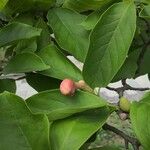
Magnolia denudata
Yulan Magnolia · Lilytree · Yulan · Magnolia yulan · Magnolia
Description
Source: leafsnapMagnolia denudata, the lilytree or Yulan magnolia (simplified Chinese: 玉兰花; traditional Chinese: 玉蘭花; pinyin: yùlánhuā; lit. 'jade orchid/lily'), is native to central and eastern China. It has been cultivated in Chinese Buddhist temple gardens since 600 AD. Its flowers were regarded as a symbol of purity in the Tang Dynasty and it was planted in the grounds of the Emperor's palace. It is the official city flower of Shanghai.
💡 The Yulan magnolia is the species of magnolia with the longest history of cultivation, dating back to at least 600 AD. Magnolia denudata was introduced to England in 1780, making it the first magnolia brought from Asia to the Western world.
🎭 Affection for nature, Nobility
Care Guide
💧 Water Every 7 days
The Yulan magnolia flourishes in conditions with moderate water levels, needing consistent moisture without becoming waterlogged. It should be watered every two weeks, with adjustments made during its dormancy in the colder months. Ideal for outdoor cultivation, the Yulan magnolia not only adds ornamental value to gardens but also calls for careful monitoring of seasonal watering schedules by gardeners.
What do I need to do if I give the Yulan magnolia plant too much or too little water?
An overwatered Yulan magnolia will exhibit yellowing, leaf drop, and wilting. The plant will also appear dull and unhealthy, with mushy stems. Adjusting your watering schedule is recommended when these signs appear. However, wilting can also indicate under watering, characterized by crispy and dry leaves. In such cases, check the soil moisture level and provide a thorough watering if necessary. Despite recovering with sufficient water, the damaged root system may still cause the plant to have yellow and dry leaves. Once the plant returns to normal, the yellowing will cease. For indoor Yulan magnolias, regularly check the moisture levels in the pot, preventing overwatering and addressing black spot signs by allowing the soil to dry out for a few days. Overwatering can lead to root rot, which requires transferring the plant to a different pot if discolored and slimy roots are present. Consequently, it's important to prevent root rot by avoiding overly soggy soil. When planting Yulan magnolias outdoors, ensure the soil is adequately moist, as excessively dry soil indicates under watering. Providing adequate water will aid in the plant's recovery.
What's the best way to water my Yulan magnolia?
To ensure excellent root development, place a garden hose at the base of the plant but avoid spraying the leaves directly. If the plant is outdoors and exposed to direct sunlight, the leaves will need more watering. You can use bubblers or soaker hoses to keep the roots moistened, and when adding or removing plants, use soaker hoses that cover the entire garden or bed to help roots grow deeply. After watering, make sure to drain any excess water and wait for the soil to dry before watering again. Watering at ground level is best to prevent diseases. On a sunny day, it's recommended to spray the entire bush with water. Whether the Yulan magnolia is potted or in the ground, remember to provide deep watering rather than light sprinkling.
How often do I need to water my Yulan magnolia?
The Yulan magnolia prefers deep and infrequent watering. If you have them planted in pots, it's important to soak them with a gallon of water each time because pots have limited water storage and the soil dries out quickly. In cold regions, water them every 3 to 5 days. It's best to water in the morning when the soil is dry. You can also check if watering is needed by examining the soil; if the top 2-3 inches are dry, it's time to give the plant a full watering. On hot days, you may need to check moisture daily as the heat can dry out the soil rapidly in the pot. If you have a garden, you'll need to irrigate the soil. In hot climates, watering once a week is sufficient. Only water when you notice that about 2 to 3 inches of soil become too dry. Take into consideration the amount of rainwater the plant has received to avoid overwatering and root rot. If there has been abundant rainfall, additional watering may not be necessary. The Yulan magnolia typically grows during spring and fall, so when they are outdoors, adding a layer of mulch 3 to 4 inches deep can help conserve water. Sandy soil drains faster, so plants in this type of soil should be watered more frequently. With clay soil, watering can be less frequent, allowing the plant to dry out for 2-3 days without developing root rot. You can mark the date on the calendar every time you water and pay attention to any drooping leaves, as this may indicate that watering is needed.
How much water does my Yulan magnolia need?
The Yulan magnolia typically requires about a gallon of water on a regular basis. For potted plants, it's recommended to water them deeply until you notice water dripping from the bottom of the pot. After that, wait for the soil to dry before watering again. To determine the amount of water given to your plant in a week, you can use a water calculator or a moisture meter. During the flowering period, it's important to provide plenty of water, but allow the moisture to evaporate afterwards to avoid root rot. If the Yulan magnolia is planted outdoors and receives sufficient rainfall, additional watering may not be necessary. However, when the Yulan magnolia is young or newly planted, ensure it receives 1-2 inches of rain per week. As the Yulan magnolia grows, it can rely solely on rainfall. Only during very hot weather or periods of no rainfall for 2-3 weeks, it is advisable to give the Yulan magnolia a thorough watering during cooler times of the day to prevent damage from high heat. Additional watering should be done during prolonged dry spells.
Should I water my Yulan magnolia more or less depending on the time of year or the weather?
To ensure proper care for your Yulan magnolia, it is important to consider its water needs in different seasons. During the spring and fall, the soil should be kept moist but not overly soggy. It is beneficial for the soil to alternate between dry and moist conditions for optimal growth. However, in the hot summer months, water can evaporate quickly, so additional watering may be required if there is a lack of rainfall. In the winter, the water requirements are generally lower because the Yulan magnolia becomes dormant. To facilitate moisture evaporation, consider using terracotta pots with well-draining but moisture-retentive soil. Once the plant starts to leaf out and go dormant, watering can be skipped as it can rely on fall and winter rains. Good drainage is essential, particularly during winter, to prevent waterlogging or drought stress. If the Yulan magnolia is in a pot, it has limited root growth and should be kept well-watered, especially in summer. It is preferable to water deeply once or twice a week to reach the entire root system, avoiding shallow sprinkling that may encourage fungal growth and does not reach the roots sufficiently. Even during dormancy in fall and winter, avoid letting the Yulan magnolia dry out completely. While it should not sit in water for extended periods, proper drainage is necessary to prevent winter damage. Applying mulch can help reduce stress, conserve water, and promote healthy blooms.
☀️ Light Full sun
Yulan magnolia grows best in full sun and can tolerate moderate sunlight. Coming from naturally sunlit habitats, too little light can restrict its growth, while too much may cause harm. Its light requirements can differ at various stages of development.
What are the sunlight requirements for optimal growth of Yulan magnolia?
Yulan magnolia requires abundant sunlight to thrive, ideally in conditions that replicate its natural environment. For optimal growth, it thrives best with maximum sun exposure and tolerates intermediate levels of sunlight. The plant should receive more than 6 hours of sunlight daily for full sun exposure, while about 3-6 hours of sunlight is considered partial sun. It's important to monitor the movement of sunlight through your garden to ensure that your Yulan magnolia receives the perfect balance of light and shade, promoting healthy growth and development.
How can artificial lighting support the growth of indoor Yulan magnolia plants?
When natural sunlight is insufficient for indoor Yulan magnolia plants, artificial lighting offers an effective solution to support their growth. LED lights are recommended due to their ability to be customized to provide specific wavelengths needed by the plants. For full sun plants, 30-50W/sq ft of artificial light is needed; partial sun plants require 20-30W/sq ft, and full shade plants need 10-20W/sq ft of artificial light. The light source should be placed 12-36 inches above the plant to mimic natural sunlight conditions, and most plants will benefit from 8-12 hours of light per day to promote faster, healthier growth.
What are common symptoms of improper lighting in Yulan magnolia?
Improper lighting can cause several symptoms in Yulan magnolia, indicating the plant's struggle to adapt to suboptimal light conditions. Symptoms include small or lighter-colored new leaves indicating a deficiency in sunlight and chlorophyll. Leggy or sparse growth, where the plant becomes thin and stretched due to increased spacing between leaves or stems, and the plant may exhibit a faster leaf drop as a survival mechanism to conserve resources. Chlorosis, or the yellowing of leaves, sunscald, leaf curling, and wilting can occur due to excessive sunlight. Leaf scorching, characterized by brown, dry, and crispy leaf edges, is a sign of too much direct sunlight.
What solutions are available for Yulan magnolia experiencing light-related symptoms?
For Yulan magnolia plants showing signs of light deficiency or overexposure, gradual adjustments to the light environment can promote recovery and healthy growth. Indoor plants may be moved to sunnier locations step by step, ensuring at least 6 hours of direct sunlight daily, or utilizing artificial lighting, such as desk lamps or grow lights, for at least 8 hours a day. Outdoor and ground plants benefit from a gradual relocation to brighter spots while avoiding sudden changes that could lead to sunburn. Reducing obstructions, like pruning branches that block sunlight, or transplanting smaller plants during their dormant period to sunnier locations with good drainage, can significantly improve light exposure. Affected parts may not recover, but new growth will be healthy with improved light conditions.
🌡️ Temperature 5–35°C
Yulan magnolia is native to regions where temperatures typically range from 68 to 95 ℉ (20 to 35 ℃). It prefers a warm climate. However, seasonal temperature adjustments might be needed to emulate its natural conditions.
What is the ideal climate for Yulan magnolia?
Yulan magnolia thrives in climates with temperatures generally ranging from 68 to 95 °F (20 to 35 °C), preferring a warm environment to mimic its indigenous conditions. Though it exhibits strong cold resistance and usually does not require special frost protection measures, in areas where winter temperatures are expected to drop below -25°C, it becomes necessary to protect the plant. This protection can be provided by wrapping the plant's trunk and branches with materials like non-woven fabric or cloth. Additionally, before the first freeze of autumn, it's recommended to water the plant abundantly to ensure the soil remains moist and enters a frozen state, which helps prevent water scarcity and drought for the plant during the colder months.
How does Yulan magnolia react to low temperatures, and what are the recommended solutions?
Yulan magnolia is cold-tolerant and performs best when temperatures stay above 20°C, requiring temperatures to be kept above 0°C during winter. If temperatures fall below -25°C, the plant might not show noticeable changes during winter, but in spring, the branches may become brittle, dry, and fail to produce new shoots. The recommended solution for this issue is to prune away any dead branches that have failed to produce new leaves in the spring.
What should be done if Yulan magnolia is exposed to high temperatures?
During the summer, Yulan magnolia should be kept in temperatures below 35°C. Exposure to temperatures above 38°C can cause the leaves to lighten in color and the tips to become dry and withered, increasing the plant's susceptibility to sunburn. The recommended actions include trimming away the sunburned and dried-up parts of the plant. Additionally, it's advisable to move the plant to a location that allows for shade during the midday and afternoon sun or to use a shade cloth. Ensuring the soil remains moist by watering in the morning and evening can also help mitigate the effects of high temperatures.
💨 Humidity
🪴 Soil 5-6
🌱 Fertilizer
Proper timing matters when fertilizing Yulan magnolia. Apply fertilizer in early spring and continue monthly until early summer. Fertilizer encourages attractive blooms and provides energy during both dormancy and active growth.
Why should I use fertilizer on my Yulan magnolia?
Fertilizing a Yulan magnolia is crucial for several reasons. Firstly, it promotes the growth of beautiful blooms. In order to ensure that your Yulan magnolia produces stunning flowers, it is recommended to fertilize it in early spring. Additionally, fertilizer provides the necessary energy for your Yulan magnolia to store in the ground during dormant phases. By giving your Yulan magnolia extra nutrients during fall planting or late spring, it will have more energy reserves to utilize when it starts growing actively again.
When should I fertilize my Yulan magnolia tree?
Timing is crucial for fertilizing Yulan magnolia. If the fertilizer is applied too early while the tree is dormant, it will not be effective and will be washed away by rain, causing waste and pollution. The first application of fertilizer should be in early spring, followed by monthly fertilization until early summer.
When is the best time to not use fertilizer on my Yulan magnolia?
To ensure optimal growth and blooming of Yulan magnolia, it is important to be mindful of the type of fertilizer used. Avoid using fertilizer with excessive nitrogen as it can result in abundant leaf production but limited blooms. Instead, opt for a fertilizer that has a lower nitrogen content compared to other nutrients. Additionally, refrain from fertilizing the Yulan magnolia after early autumn, as this can cause excessive growth just before winter. Similarly, avoid fertilizing during hot and dry periods, as dry soil hinders the effective delivery of fertilizer and stimulates growth that requires more water, which may not be readily available. It is advisable to apply fertilizer earlier in the season when temperatures are cooler. Lastly, keep in mind that Yulan magnolia can absorb fertilizer from neighboring plants or lawns, so be careful not to inadvertently provide the tree or shrub with a double dose of fertilizer.
What kind of fertilizer should I use for my Yulan magnolia?
For a Yulan magnolia, the ideal fertilizer should have a balanced mix of the three main plant nutrients, with slightly more phosphorus. Alternatively, you can improve the soil for your Yulan magnolia by adding organic materials like compost, worm castings, and manure. Experienced gardeners may also choose to supplement with water-soluble fertilizers containing phosphorus when the flower buds start to appear. This helps the flowers develop better, resulting in larger and longer-lasting blooms. There are various types of fertilizers that work well for Yulan magnolias, but liquid or powdered forms are considered some of the best. Regardless of the form you choose, it's important to dilute the fertilizer and apply it while watering your Yulan magnolia.
How should I fertilize my Yulan magnolia?
To properly fertilize your Yulan magnolia, it's essential to follow the specific directions for the fertilizer type and conduct some research. Avoid over-fertilizing, as it can be harmful, so determining the correct amount is crucial. A common guideline is to use the tree's age (if known) or trunk diameter to determine the amount of fertilizer needed. Generally, estimate using one-tenth of a pound of fertilizer per year or per inch of trunk, with a maximum of one pound. Apply granular or organic fertilizers, like blood meal, by sprinkling around the tree's base, extending all the way to the drip line (the area beneath the outermost branches). Ensure the fertilizer doesn't touch the trunk. Over time, the granules will break down and filter into the soil, where the roots can absorb them. After fertilizing, spread a one-inch layer of compost around the base of the tree and thoroughly water.
🪴 Pot & Repot 2-3 years
When repotting Yulan magnolia, select a container 1-2 inches (2.5–5.1 cm) larger that has good drainage. Use a well-draining potting mix. Repot in spring or fall, making sure the root ball sits slightly below the rim of the pot. Water thoroughly after repotting and place the plant in a warm spot with indirect sunlight.
✂️ Pruning
The Yulan magnolia, a deciduous tree, benefits from strategic pruning in early spring after it has flowered. To ensure the tree's health, remove any dead branches, thin out crowded areas to improve air circulation, and maintain an appealing shape. Light annual pruning encourages healthy growth and enhances the quality of blooms. Be cautious not to over-prune, as heavy pruning can stress the tree. For detailed techniques, consult expert guides.
🌿 Propagating
🐛 Diseases & pets
☠️ Toxicity
Characteristics
- Plant Type
- Tree, Shrub
- Life Cycle
- Perennial
- Genus
- Magnolia
- Family
- Magnoliaceae
- Hardiness Zone
- 5-9
- Mature Height
- 24.99 m
- Mature Spread
- 9.14 m to 11.89 m
- Leaf Color
- Green
- Leaf Type
- Deciduous
- Flower Color
- White
- Flower Size
- 10.16 cm to 15.24 cm
- Bloom Time
- Spring
- Planting Time
- Spring, Autumn
- Harvest Time
- Early summer, Mid summer
- Native Area
- Vietnam, China