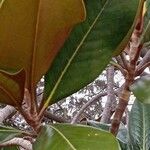
Magnolia grandiflora
ماگنولیای سفید، ماگنولیای تابستانه، · Southern magnolia · Evergreen Magnolia · Magnolia little gem · Bull bay
Description
Source: leafsnapMagnolia grandiflora, commonly known as the Southern magnolia or bull bay, is a large evergreen tree native to the southeastern United States. It is highly valued as an ornamental tree for its large, fragrant white flowers and glossy green leaves that remain on the tree year-round. The flowers can reach up to 12 inches in diameter and typically bloom in late spring or early summer. The Southern magnolia can grow up to 80 feet tall with a spread of 40 feet. It thrives in well-drained soil and full sun but can also tolerate some shade. The tree's bark is smooth and gray when young, gradually becoming rougher with age. In addition to its ornamental appeal, Magnolia grandiflora has been used medicinally by Native Americans for centuries. Its bark contains compounds with anti-inflammatory properties. Overall, Magnolia grandiflora is a beautiful and versatile plant that adds aesthetic value to landscapes and offers potential health benefits when used medicinally.
💡 The Southern magnolia is a majestic and magnificent tree with elegant, fragrant flowers. It is an excellent choice for planting along streets and is often found in historic buildings and Western-style courtyards.
🌳 Southern magnolia is admired not only for its beauty and the shade it provides but also serves as a wildlife banquet, offering protein-rich, reddish-brown seeds that sustain squirrels and birds. After feeding, these seeds become nesting supplies. Additionally, elemol, an oil extracted from southern magnolia, is used in perfumes and beauty products for its distinct, woodsy aroma.
🎭 Long life, womanliness, persistence, nobleness, loveliness, affection for nature
Care Guide
💧 Water Every 7 days
The Southern magnolia flourishes in humid subtropical areas, where it prefers a balance of moisture and dryness. While it can tolerate moderate drought, it typically needs watering every 1 to 2 weeks. As an evergreen, the Southern magnolia keeps its leaves throughout the year, which increases its water requirements during dry spells.
When should I water my Southern Magnolia?
Proper and timely watering of a Southern Magnolia is essential for its growth, flower production, and disease resistance. It's crucial to water the plant when the top 1 to 2 inches of soil around the base feel dry to the touch. Additionally, wilted, lackluster, or discolored leaves are signs the plant needs more water. During the pre-flowering stage, consistent watering is vital to prevent bud drop. Watering needs also increase with higher temperatures and sunlight exposure. However, watering too early or too late can either risk root diseases from over-watering or stunt growth and risk plant death from under-watering, respectively.
How should I water my Southern Magnolia?
Watering a Southern Magnolia correctly involves ensuring the soil is evenly moist but not waterlogged. An effective approach is deep watering, which wets the top 6-8 inches of soil, promoting deep root growth and avoiding weak root systems. It's recommended to use a watering can with a long, narrow spout for precise watering at the plant's base, which minimizes water contact with the foliage and reduces the risk of fungal diseases.
How much water does Southern Magnolia really need?
Southern Magnolia requires around 1-2 inches of water per week during the growing season, ensuring thorough hydration down to its shallow roots, which extend up to 12 inches deep. Signs of proper hydration include vibrant green leaves with a glossy surface. Conversely, wilting or yellowing leaves may suggest underwatering, while browning or fungal growth on leaves could indicate overwatering. Using organic mulch can improve water retention, regulate soil temperature, and suppress weeds.
What kind of water is best for Southern Magnolia?
Rainwater or distilled water is best for Southern Magnolia, as they are free from chlorine, fluoride, and harmful minerals. If unavailable, filtered or dechlorinated tap water is a satisfactory alternative. To mitigate tap water's chlorine content, let it sit for 24 hours before use. For high fluoride levels, consider using a water filter or reverse osmosis system. Southern Magnolia prefers room temperature water to avoid root shock or damage.
How do Southern Magnolia's watering needs change with the seasons?
Seasonal changes significantly affect Southern Magnolia's watering needs. In spring, as growth resumes, the plant requires more water than usual. Summer calls for maintaining moisture levels to support growth and reduce evaporation. By autumn, with slowed growth, watering should be reduced, ensuring the soil is slightly moist. In winter, the plant's dormancy period, water needs decrease further, and watering should be limited to when the soil is dry to the touch.
☀️ Light Full sun
Southern magnolia grows best when it gets abundant sunlight for most of the day, though it can tolerate partial shade. Native to areas where uninterrupted sunlight is common, it shows its best growth under those conditions. Long periods of shade or excessive exposure can both impair its health.
What are the sunlight requirements for Southern Magnolia?
Southern magnolia requires a significant amount of sunlight for ideal growth, thriving best in full sun conditions, which means it should receive above 6 hours of sunlight daily. It can also grow under partial sun, around 3-6 hours of sunlight. Observing how sunlight moves through your garden and selecting spots that offer a balance of light and shade is crucial to ensure the plant's well-being. While Southern magnolia is adept at growing in environments with unobstructed access to sunlight, it can also tolerate partial shade. However, both extended periods of deep shade and overexposure might negatively affect its health.
How can artificial lighting support Southern Magnolia's growth indoors?
In cases where natural sunlight is insufficient, especially during winter or in areas within your home that do not receive enough sunlight, artificial lighting provides an essential alternative for the growth of indoor Southern magnolia plants. LED lights are recommended due to their ability to offer specific wavelengths needed by plants. For plants that naturally require full sun, 30-50W per square foot of artificial light is beneficial, whereas partial sun plants do well with 20-30W per square foot, and full shade plants need 10-20W per square foot. The artificial light source should be placed 12-36 inches above the plant to closely simulate natural sunlight conditions, with 8-12 hours of light per day mimicking natural daylight hours to promote healthier, faster growth.
What are some common symptoms of light deficiency in Southern Magnolia?
When Southern magnolia receives inadequate light, it may present various symptoms indicating light deficiency. These include new leaves growing smaller than previous ones, leggy or sparse growth with longer spaces between leaves or stems, faster than usual leaf drop to conserve resources, delayed growth or cessation of new leaves indicating a survival mode due to poor light, and lighter-colored new leaves signifying a lack of chlorophyll. Additional adverse effects of improper sunlight exposure include chlorosis, or yellowing of leaves due to chlorophyll breakdown, sunscald marked by damaged plant tissues from intense sun exposure, leaf curling as a defense against water loss and damage from excessive sunlight, wilting from increased water loss and insufficient hydration, and leaf scorching characterized by brown, dry edges on leaves due to too much sunlight.
How can optimal sunlight conditions for Southern Magnolia be achieved?
To ensure Southern Magnolia receives optimal sunlight, gradually introduce the plant to sunnier locations, aiming for at least 6 hours of direct sunlight daily. For indoor plants, keeping them near a south-facing window and removing any light obstructions can help maximize sunlight exposure. If natural light is inadequate, incorporating artificial lighting such as desk lamps or professional grow lights for at least 8 hours a day can be beneficial. For outdoor plants, it's important to transition them cautiously to prevent sunburn, considering gradual relocation to sunnier spots. Where sunlight is obstructed, identifying and minimizing such obstructions, through actions like pruning trees, or even transplanting smaller plants to more sun-exposed locations during their dormant periods, can significantly improve sunlight availability.
🌡️ Temperature 15–35°C
The southern magnolia is a temperate woody species that prefers temperatures from 59 to 95 ℉ (15 to 35 ℃). It is native to warm, humid habitats and grows in USDA zones 7 to 9. During hot summers, it benefits from some afternoon shade. In cooler seasons, protection from frost may be necessary.
What is the preferred temperature range for a Southern Magnolia?
The Southern Magnolia, botanically known as Magnolia grandiflora, thrives in a temperature range of 59 to 95°F (15 to 35°C). This temperate woody plant is ideally suited to warm and humid environments, flourishing in USDA zones 7 to 9. It appreciates some afternoon shade during the hotter parts of the summer and might need frost protection when cooler seasons approach. Despite its strong cold resistance, in extreme winter conditions where temperatures are expected to drop significantly, precautionary measures to protect it from frost are advisable.
How do you protect the Southern Magnolia from winter conditions?
To shield the Southern Magnolia from harsh winter conditions, especially if temperatures are forecasted to plummet dramatically, you can wrap the plant's trunk and branches with insulating materials like non-woven fabric or cloth. It's recommended to water the plant abundantly before the first freeze in autumn, ensuring the soil remains moist and enters the frozen state preparedly. This approach helps prevent drought and water scarcity for the plant during the winter and early spring, maintaining its health and vigor.
What are the symptoms of exposure to low and high temperatures in Southern Magnolia, and how do you address them?
When exposed to temperatures below its cold tolerance limit, the Southern Magnolia's branches may become brittle and dry, and in spring, you might notice that no new shoots emerge. To mitigate this, prune away the dead branches that have not produced new leaves. On the other hand, high temperatures can cause the leaves to lighten in color, tips to dry and wither, and increase susceptibility to sunburn. To address this, trim away the sunburned and dried parts, consider relocating the plant to provide shade during intense sun, or use a shade cloth, and ensure the soil remains moist by watering it in the morning and evening.
💨 Humidity normal (40-60%)
This plant will thrive in moderate humidity, which is probably the level in your home. However, misting it a few times a week can be very beneficial. Make sure the room has good ventilation.
🪴 Soil 5-6
🌱 Fertilizer
To encourage healthy growth, apply fertilizer to your Southern magnolia in early spring. Regular fertilization improves its overall health, leading to vigorous growth, greater tolerance of tough conditions, and increased resistance to diseases and pests. Follow a consistent fertilization schedule for your Southern magnolia to ensure vibrant foliage with deep color and a lush appearance.
Why should I put fertilizer on my Southern magnolia tree?
If you own a Southern magnolia, regardless of the type, regular fertilization is important for its overall health. Providing the right nutrients can promote stronger growth and help your magnolia withstand challenging conditions, as well as resist diseases and pests. The foliage of your magnolia is particularly beautiful, so it's crucial to maintain it. To achieve this, create and follow a specific fertilization schedule for your Southern magnolia. This will encourage vibrant, deep-colored leaves and an overall luxurious appearance.
When should I fertilize my Southern magnolia?
To keep your Southern magnolia healthy and growing well, it's best to fertilize it for the first time in late winter or early spring. This gives it the nutrients it needs to thrive once the weather warms up. In warm climate regions, it can also be beneficial to give your magnolia another dose of fertilizer in early fall. This not only provides additional nutrients for the following growing season, but also helps your magnolia endure the winter without damage to its foliage. Fertilizing earlier in the year ensures that new branches have enough time to grow strong before the cold winter sets in.
When is it best to not add fertilizer to my Southern magnolia?
There are certain periods throughout the year when it is best to avoid fertilizing your Southern magnolia. The first of these periods falls between early and mid-winter when the plant is in its dormant state and does not require any nutrients. Additionally, it is not advisable to fertilize the magnolia during late spring and the entire summer. During this time, the weather is typically hotter and drier, which can have a detrimental effect on the plant if it is fertilized. To prevent any potential issues, it is recommended to stick to a fertilization schedule that involves feeding the magnolia only in early spring and early fall.
What kind of plant food does my Southern magnolia tree need?
Southern magnolias typically require a good amount of nitrogen, although phosphorus and potassium should not be overlooked. Providing a balanced fertilizer, like a 10-10-10 blend, can be effective as it contains all three important nutrients. However, a more specific nutrient ratio often leads to the best growth. Fertilizers slightly higher in nitrogen, such as a 10-6-4 ratio, tend to work well. When applying fertilizer, both granular and liquid options can be used.
How should I feed my Southern magnolia plant?
To fertilize your Southern magnolia with granular fertilizer, simply sprinkle it on the soil at the right time. The slow-release nature of granular fertilizer gradually releases nutrients into the soil. It's generally recommended to water your Southern magnolia lightly before applying fertilizer. Alternatively, you can use liquid fertilizer, although this is less common. With this method, mix the fertilizer with water and pour it onto the soil around the base of your Southern magnolia. Occasionally, it is helpful to perform a soil test before fertilizing to determine if any pH adjustments are necessary.
🪴 Pot & Repot Every 12 months
✂️ Pruning
Southern magnolia benefits from pruning performed between early and late winter. The focus should be on removing dead branches, thinning overcrowded areas, and shaping the tree for aesthetic purposes. This practice enhances airflow and light penetration, reducing the risk of disease. By encouraging these conditions, robust blooming is promoted, while avoiding heavy pruning helps to prevent stress on the tree.
🌿 Propagating
🐛 Diseases & pets
☠️ Toxicity
Magnolias are considered to be non-toxic or non-poisonous to dogs, cats, and other animals. This makes it perfect if you have pets like cats that like to climb on trees and nibble branches and leaves. It is still, however, recommended to practice pre-cautions. If your pets show any signs of irritation, it is still best to bring them to the vet.
Characteristics
- Plant Type
- Tree
- Life Cycle
- Perennial
- Genus
- Magnolia
- Family
- Magnoliaceae
- Hardiness Zone
- 7-10
- Mature Height
- 27.43 m to 36.88 m
- Mature Spread
- 10.06 m
- Leaf Color
- Green, Brown
- Leaf Type
- Evergreen
- Flower Color
- White, Cream
- Flower Size
- 15.24 cm to 30.48 cm
- Bloom Time
- Late spring, Early summer, Mid summer
- Planting Time
- Spring, Autumn
- Harvest Time
- Mid summer, Late summer, Fall
- Native Area
- Southeastern U.S.