Magnolia liliiflora
Lily Magnolia · Purple magnolia · Red magnolia · Woody-orchid · Jane magnolia
Description
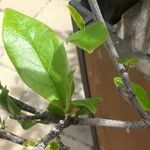
Source: leafsnapMagnolia liliiflora, commonly known as the lily magnolia or tulip magnolia, is a deciduous shrub or small tree belonging to the Magnoliaceae family. Native to China, this plant is widely cultivated worldwide for its stunning flowers and ornamental value. Typically, Magnolia liliiflora grows to a height of 10-15 feet with a spread of 8-12 feet. It has an upright growth habit with multiple stems forming a dense, rounded crown. The leaves are dark green, oblong or elliptical, and feature pointed tips. The most striking aspect of Magnolia liliiflora is its flowers, which bloom from late winter to early spring before the leaves emerge. These flowers are large, cup-shaped, and boast six petals ranging from deep pinkish-purple to reddish-purple on the outside, with a white interior. Magnolia liliiflora prefers well-drained soil and partial shade but can also tolerate full sun exposure. It requires regular watering during dry periods but can withstand short droughts once established. In addition to its ornamental appeal, Magnolia liliiflora has medicinal properties, primarily attributed to its bark extracts, which have been traditionally used to treat various ailments such as coughs, colds, and fever. Overall, Magnolia liliiflora is an excellent choice for gardeners seeking a beautiful flowering shrub or tree that adds early spring color while being relatively easy to grow and low-maintenance once established.
💡 The lily magnolia is one of the two parent species of the popular hybrid, Magnolia × soulangeana. This hybrid was first developed in France in 1820 through the crossing of Magnolia liliiflora and Magnolia denudata. This combination is still used to create the hybrid today.
🌳 The fragrant blooms of the lily magnolia have a particular use in aromatherapy, helping to relieve stress through their essential oils. Culinary enthusiasts also prize the plant, using the petals to lend a distinctive flavor to wine and tea. Furthermore, the strong wood of the lily magnolia is not merely decorative; it is turned into enduring furniture and intricate carvings.
🎭 Fondness for nature, purity, and innocence.
Care Guide
💧 Water Every 7 days
Lily magnolia, native to regions with distinct wet and dry seasons, needs watering every 1-2 weeks to help it manage moderate drought conditions and maintain balanced soil moisture. Usually cultivated outdoors, it blooms during the rainy season when it benefits from the increased availability of water.
When Should I Water My Lily Magnolia?
Watering your Lily Magnolia appropriately is crucial for its health and bloom. It's important to water when the top 1-2 inches of soil become completely dry. You can check soil dryness by inserting your finger into the soil near the plant; if the soil feels dry, it's time to water. Signs that your Lily Magnolia needs water include wilting leaves, reduced flowering, and the edges of leaves turning brown. However, be aware that both underwatering and overwatering carry risks. Underwatering can lead to dehydration and disease, while overwatering can cause root rot. Look for signs such as soggy soil and yellowing leaves to avoid overwatering.
How Should I Water My Lily Magnolia?
Lily Magnolia, a deciduous shrub, thrives with high-volume, low-frequency watering to mimic its natural Mediterranean environment. The best method involves watering the base of the plant directly with a watering can, soaker hose, or drip irrigation system, ensuring the soil has time to absorb the water deeply without runoff. Utilizing a soil meter can help avoid over or underwatering by checking the soil's moisture level. Water early in the day to reduce evaporation and promote deep root growth. Always aim to water the soil rather than the foliage to prevent fungal diseases.
How Much Water Does Lily Magnolia Really Need?
The water needs of a Lily Magnolia depend largely on the size of the plant and the conditions it's grown in. A well-balanced approach is required, providing enough water to keep the soil consistently moist but not waterlogged. Signs of optimal watering include healthy, green, erect leaves. Both underwatering and overwatering can harm the plant, leading to symptoms such as leaf wilt, crispy or yellow leaves, and in the worst-case scenarios, plant death or root rot. Ensure the water reaches the depth of the roots, considering more mature plants may require more water due to their larger root systems and foliage.
What Kind of Water is Best for Lily Magnolia?
Lily Magnolia prefers watering with distilled or rainwater, as these are free from harmful substances and minerals that could accumulate over time. If you're using tap water, let it sit for 24 hours to allow chlorine to evaporate, especially since Lily Magnolia is sensitive to chlorine and fluoride, which can cause damage like leaf tip burn. Avoid using hard or heavily chlorinated tap water as it can lead to mineral buildup in the soil. Water temperature is also important; room temperature water is ideal to avoid shocking the plant's roots.
How Do Lily Magnolia's Watering Needs Change with the Seasons?
Lily Magnolia's watering needs vary with the seasons. In spring, maintain moderate watering as growth picks up, increasing only if the weather is dry. Summer demands more water due to active flowering but avoid overwatering. In autumn, water less frequently as growth slows, ensuring the soil dries somewhat between waterings. Winter requires minimal watering, enough to prevent the roots from drying out completely, considering indoor conditions for potted plants. Always adjust based on weather conditions and rainfall.
☀️ Light Full sun
The lily magnolia performs best when it gets strong sunlight for much of the day, though it can also thrive in filtered or dappled sun. Its native habitat accounts for its preference for bright conditions. Excessive shading can impede its growth, while too much unfiltered sun can scorch the leaves.
What are the sunlight requirements for Lily Magnolia?
Lily Magnolia requires full sun, meaning it needs above 6 hours of sunlight daily to thrive optimally. It can also grow well in partial sun conditions, which equates to about 3-6 hours of sunlight. It's important to observe how sunlight moves through your garden to ensure the plants get a balanced exposure of light and shade, promoting their health and happiness.
Can Lily Magnolia grow in artificial lighting?
Yes, Lily Magnolia can grow under artificial lighting, especially when natural sunlight is insufficient, like during winter or in less sunny spaces. LED lights are recommended because they can be adjusted to provide the specific wavelengths of light the plants need. For full sun plants, 30-50W/sq ft is optimal, partial sun plants require 20-30W/sq ft, and full shade plants need 10-20W/sq ft. The light sources should be placed 12-36 inches above the plant, mimicking natural sunlight for about 8-12 hours per day.
What are the symptoms of inadequate light in Lily Magnolia?
When Lily Magnolia doesn't receive sufficient light, it may show several symptoms: small or lighter-colored new leaves indicating a reduction in growth and chlorophyll, leggy growth or sparse appearance due to elongated stems or leaves, early leaf drop conserving the plant's resources, chlorosis leading to yellow leaves from excessive sunlight, and physical damage like sunscald, leaf curling, wilting, and leaf scorching from overexposure to intense sunlight.
What solutions exist for correcting light issues with Lily Magnolia?
To address light deficiencies for indoor plants, gradually increasing sunlight by moving them to sunnier locations weekly is suggested, aiming for at least 6 hours of direct sunlight. If moving the plant isn't feasible, supplementing with artificial light for at least 8 hours daily is advised. For outdoor plants, avoid sudden changes in light exposure to prevent sunburn, moving them gradually to sunnier spots. Reducing obstruction like pruning trees or transplanting to sunnier locations with good drainage can also improve light exposure.
🌡️ Temperature 5–35°C
Lily magnolia favors a temperate climate with temperatures from 5 to 35 ℃ (41 to 95 ℉). It naturally occurs in areas that are mildly cool to warm, but can tolerate temperature changes across seasons. In colder seasons it may require additional protection to prevent damage.
What climate does Lily magnolia prefer?
Lily magnolia prefers a temperate climate with temperatures ranging from 5 to 35°C (41 to 95°F). It thrives in environments that are mildly cool to warm and can adjust to varying temperatures through different seasons. In colder seasons, it has strong cold resistance but may need additional protection if temperatures are expected to drop below its tolerance limit. Protection can include wrapping the trunk and branches with materials like non-woven fabric or cloth. It's also beneficial to water the plant abundantly before the first freeze of autumn to ensure the soil remains moist, entering winter in a frozen state which helps prevent drought and water scarcity.
How does Lily magnolia react to cold temperatures?
Lily magnolia is quite cold-tolerant and generally thrives when the temperature remains above its minimum tolerance level. However, if the temperature drops below a certain threshold (the exact temperature limit was not provided), there might not be noticeable changes during winter itself, but come spring, the branches could become brittle and dry, and the plant might fail to produce new shoots. To mitigate this, it is recommended to prune away any dead branches that do not produce new leaves in spring.
What should I do if Lily magnolia experiences high temperatures?
During summer, it's important to ensure that the temperature around Lily magnolia doesn't exceed its maximum tolerance level. Excessive heat can cause the leaves to lighten in color, tips to become dry and withered, and increase susceptibility to sunburn. To counteract these issues, trim away the sunburned and dried-up parts of the plant. It may be necessary to move the plant to a shadier location or use a shade cloth to protect it during the midday and afternoon sun. Additionally, watering the plant in the morning and evening helps keep the soil moist and supports the plant's health during hot conditions.
💨 Humidity normal (40-60%)
This plant will thrive in moderate humidity, which is probably the level in your home. However, misting it a few times a week can be very beneficial. Make sure the room has good ventilation.
🪴 Soil 5-7
🌱 Fertilizer
Proper timing is essential for fertilizing Lily magnolia. Start fertilizing in early spring and continue once a month until early summer. Fertilizer promotes lovely blooms and supplies energy both during dormancy and periods of active growth.
Why is it necessary to use fertilizer on my Lily magnolia?
Fertilizing your Lily magnolia is important for several reasons. Firstly, it will help produce beautiful blooms. It is best to fertilize in early spring to ensure excellent flowers during that season. Secondly, fertilizer provides the plant with energy that it can store in the ground during dormant growth phases. By giving it extra nutrients during fall planting or late spring, your Lily magnolia will have more energy to use once active growth resumes.
When should I fertilize my Lily magnolia?
The timing of fertilizing Lily magnolia is important. Applying fertilizer too early while the plant is still dormant is ineffective and can be washed away by rain, causing waste and pollution. To maximize effectiveness, apply the first application of fertilizer in early spring and continue once a month until early summer.
When is the best time to not put fertilizer on my Lily magnolia?
To ensure healthy bloom development, be cautious with the nitrogen content when fertilizing Lily magnolia. Opt for a fertilizer that has a lower nitrogen level compared to other nutrients. Refrain from fertilizing in late autumn to prevent excessive growth just before winter. It is also important to avoid fertilizing during hot and dry periods, as dry soil cannot effectively deliver fertilizer and excessive growth may require more water than what is available. It is most effective to apply fertilizer earlier in the season when temperatures are cooler. Lastly, be mindful that Lily magnolia can absorb fertilizer from nearby plants or lawns, so be careful to avoid unintentionally giving the tree or shrub a double dose of fertilizer.
What kind of fertilizer does my Lily magnolia plant need?
For a Lily magnolia, an ideal fertilizer is one that has a balanced mix of the three main plant nutrients, with slightly higher amounts of phosphorus. Some gardeners prefer to enhance the soil for their Lily magnolia by adding organic materials like compost, worm castings, and manure. When flower buds start to show, experienced gardeners often supplement their plants with water-soluble fertilizers containing phosphorus. This practice helps the flowers develop better, allowing them to grow larger and bloom for a longer period. Fertilizers come in various forms, but liquid and powdered fertilizers are considered some of the best options for Lily magnolia. Regardless of the form you choose, remember to dilute the fertilizer and apply it while watering your Lily magnolia.
How should I fertilize my Lily magnolia?
To properly fertilize your Lily magnolia, it's essential to follow specific directions for the type of fertilizer you're using. Over-fertilizing can harm the plant, so determining the correct amount is crucial. The general guideline is to use the tree's age (if known) or trunk diameter as a reference. Estimate about one-tenth of a pound of fertilizer per year or per inch of trunk, with an upper limit of one pound. For granular or organic fertilizers like blood meal, apply them by sprinkling the substance from the base of the tree to the drip line (the area beneath the outermost branches). Avoid letting the fertilizer come into direct contact with the trunk. Over time, the granules will break down and seep into the soil, allowing the roots to absorb the nutrients. After fertilizing, spread a layer of compost about an inch deep around the tree's base and thoroughly water it.
🪴 Pot & Repot 2-3 years
When repotting a Lily magnolia, pick a pot 1–2 inches (2.5–5.1 cm) larger with ample drainage. Use a well-draining potting mix. Repot in spring or fall, making sure the root ball sits slightly below the rim of the flower pot. Water thoroughly after repotting and place in a warm spot with indirect sunlight.
✂️ Pruning
Prune lily magnolia in late spring, right after it finishes flowering. Remove any dead or crossing branches to improve the plant's health and shape. Thinning the branches also helps with air circulation and prevents diseases. Avoid heavy pruning; instead, focus on gentle shaping each year to encourage growth and ensure it blooms well the following year.
🌿 Propagating
🐛 Diseases & pets
☠️ Toxicity
Magnolia liliiflora has no toxic effects reported.
Characteristics
- Plant Type
- Shrub
- Life Cycle
- Perennial
- Genus
- Magnolia
- Family
- Magnoliaceae
- Hardiness Zone
- 5-9
- Mature Height
- 4.88 m
- Mature Spread
- 2.44 m to 3.66 m
- Leaf Color
- Green
- Leaf Type
- Deciduous
- Flower Color
- Purple, Pink
- Flower Size
- 10.16 cm to 12.70 cm
- Bloom Time
- Mid spring, Late spring
- Planting Time
- Spring, Autumn
- Harvest Time
- Early summer, Mid summer
- Native Area
- China, Japan