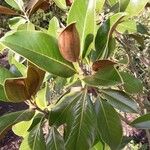
Magnolia virginiana
Sweetbay Magnolia · Swamp-laurel · Sweet bay · Laurel magnolia · Sweet magnolia
Description
Source: leafsnapMagnolia virginiana, most commonly known as sweetbay magnolia, or merely sweetbay (also laurel magnolia, swampbay, swamp magnolia, white bay, or beaver tree), is a member of the magnolia family, Magnoliaceae. It was the first magnolia to be scientifically described under modern rules of botanical nomenclature, and is the type species of the genus Magnolia; as Magnolia is also the type genus of all flowering plants (magnoliophytes), this species in a sense typifies all flowering plants.
🌳 An interesting fact about sweetbay magnolia is that during the American Revolution colonists used its leaves as a tea substitute, using the tree's aroma as part of their patriotic resistance to the British. In addition, because its wood is sturdy, the furniture industry regards sweetbay magnolia as an unconventional but practical material, frequently overlooked in standard accounts of timber.
🎭 Affection for nature, Nobility
Care Guide
💧 Water Every 1-2 weeks
Thriving in humid, swampy areas, the sweetbay magnolia prefers moist, well-drained soil and shows moderate drought tolerance once it is established. It needs watering every 1-2 weeks and benefits from mulching to retain moisture. This is especially important during the growing season to support its foliage and flowers.
How should I water my Sweetbay magnolia?
Your Sweetbay magnolia is not fussy about how you water it. You can use any common watering tool, like watering cans, hoses, or even cups. Regardless of which tool you use, make sure to water the soil directly and evenly. Filtering the water is a good idea to remove harmful particles from tap water. It is also better to use water that is at or slightly above room temperature, as extremely hot or cold water can be a bit of a shock for the Sweetbay magnolia. However, this plant usually responds well to any kind of water.
What should I do if I give too much or too little water to my Sweetbay magnolia?
Outdoor plants, especially newly planted ones or seedlings, are often at risk of not being watered enough. It is important to continue watering adequately for a few months after planting when the tree is small. Once the roots have established, Sweetbay magnolia plants can generally rely on rainwater. However, when these plants are in pots, overwatering becomes more likely. If you accidentally overwater your Sweetbay magnolia, it is important to address the situation promptly. First, stop watering the plant immediately to minimize the impact of overwatering. Then, remove the plant from its pot to inspect the roots. If no root rot is present, you can return the plant to its container. However, if you notice signs of root rot, trim away the affected roots and consider applying a fungicide to prevent further damage. Finally, repot the Sweetbay magnolia in well-draining soil. In the case of underwatering, simply water the plant more frequently. This is usually an easy fix, as the leaves will droop, dry out, and fall off when underwatered, but they will quickly recover with sufficient watering. It is important to adjust your watering frequency as soon as you notice underwatering.
How often do I need to water my Sweetbay magnolia?
If you live in an area with sufficient rainfall, most outdoor plants can grow without additional watering. However, if your area lacks rainfall, it is important to water your plants adequately every 2 weeks during the spring and fall, and more frequently in the summer. In the winter, when plants require less water, it is best to water them sparingly, and you may not need to water them at all. If you have a young or newly planted Sweetbay magnolia, it is recommended to water it more frequently to help it establish and grow. As for potted plants, there are two main approaches to determine watering frequency for your Sweetbay magnolia. One approach is to set a predetermined schedule of watering once every week or every other week. However, this may not always be suitable as it does not consider the specific conditions of your plant's growing environment. Alternatively, you can adjust the watering frequency based on the moisture of the soil. Ideally, wait until the top two to four inches of soil, which is about ⅓ to ½ depth of the pots, have completely dried out before watering again. Be mindful that during the summer when the plant's water needs are highest, a predetermined watering schedule may not be sufficient.
How much water does my Sweetbay magnolia tree require?
To water your Sweetbay magnolia effectively, you don't always have to use a lot of water. Instead, if only a few inches of soil have dried since the last watering, giving it about five to ten ounces of water each time can support healthy growth. You can determine the amount of water based on how moist the soil is. Keep track of how many inches of soil have dried between waterings. To ensure the plant gets enough moisture, water all the layers of dry soil since the last watering. If more than half of the soil is dry, consider giving more water. You'll know you've watered enough when excess water starts to drain from the pot's holes. If the Sweetbay magnolia is planted in a rainy outdoor area, it may not need additional watering. When it's young or establishing, it should receive 1-2 inches of rain per week. As it grows and establishes further, it can rely on rainwater alone except during hot weather with no rainfall for 2-3 weeks, then a full watering can prevent stress.
How can I know if I am giving enough water to my Sweetbay magnolia?
The Sweetbay magnolia is more likely to be overwatered, and there are clear signs to watch out for. If it's overwatered, its leaves will turn yellow, and it may lose some leaves too. Overwatering can also make the plant structure shrink and lead to root rot. On the other hand, if it's underwatered, it will start to wilt and its leaves may become brown and brittle. If you notice signs of either overwatering or underwatering, it's important to take action and restore your Sweetbay magnolia's health.
☀️ Light Full sun
Sweetbay magnolia does best when it receives ample light throughout the day and tolerates filtered sunlight. Its natural habitat is one where sunlight is common. Too much or too little light can harm the plant and hinder its growth and health.
What are the sun requirements for Sweetbay magnolia?
Sweetbay magnolia thrives in locations where it can receive a generous amount of light throughout the day. Full sun exposure is defined as above 6 hours of sunlight per day, while partial sun refers to about 3-6 hours of sunlight daily. It is advised to observe how sunlight moves through your garden to find the perfect balance of light and shade that ensures the health and happiness of your plants.
Why is the right amount of sunlight important for Sweetbay magnolia?
The right amount of sunlight is crucial for the Sweetbay magnolia, as it ideally handles filtered sunlight well and requires frequent exposure to thrive. Both an oversupply and a shortage of sunlight can be harmful, potentially hindering its growth and overall health. Observing the light patterns in your garden and choosing the right spot for your Sweetbay magnolia can make a significant difference in its development.
How can artificial lighting be used for Sweetbay magnolia?
For indoor Sweetbay magnolias or those in less sunny spaces, artificial lighting can serve as an important growth aid, especially during winter or in naturally low-light conditions. LED lights are recommended because they can be tailored to provide specific wavelengths needed for plant growth. Full sun plants require 30-50W/sq ft of artificial light, partial sun plants 20-30W/sq ft, and full shade plants 10-20W/sq ft. The light source should be placed 12-36 inches above the plant to mimic natural sunlight, with an advised duration of 8-12 hours of light per day to mimic natural daylight hours.
What are the symptoms of incorrect sunlight exposure for Sweetbay magnolia?
Sweetbay magnolia shows several symptoms when it experiences incorrect sunlight exposure. Symptoms of light deficiency include small and new leaves growing smaller than mature ones, leggy or sparse growth, faster leaf drop, slower or no new growth, and lighter-colored new leaves. Whereas, symptoms from too much sunlight include chlorosis, where leaves turn yellow and lose their green color, sunscald with damaged leaves or stems, leaf curling to minimize water loss, wilting from excessive water loss, and leaf scorching characterized by brown, dry edges on leaves.
What solutions can help Sweetbay magnolia receiving improper sunlight?
For Sweetbay magnolias dealing with improper sunlight, there are several solutions. Indoor plants can be gradually moved to a sunnier location each week, aiming for at least 6 hours of direct sunlight daily. Using a south-facing window and artificial light for at least 8 hours daily can also help. For outdoor plants, it's crucial to move them gradually to avoid sunburn. Pruning obstructive trees and transplanting smaller plants during their dormant period to sunnier locations with good drainage are effective strategies for plants in the ground.
🌡️ Temperature 5–35°C
The sweetbay magnolia does best in temperate climates and prefers temperatures between 41 and 95 °F (5 and 35 °C). In winter, temperatures should be kept above 23 °F (-5 °C) to prevent harm to the plant. In summer, ensure adequate watering to stop the plant from drying out during high temperatures.
What are the ideal growing conditions for Sweetbay Magnolia?
The Sweetbay Magnolia, known botanically as Magnolia virginiana, thrives in temperate growing environments, preferring temperatures ranging from 41°F (5°C) to 95°F (35°C). It exhibits strong cold resistance and generally does not require special frost protection. However, maintaining temperatures above 23°F (-5°C) during winter is important to prevent potential damage. In warmer months, ample water is crucial to avoid drying out due to high temperatures. If winter temperatures are expected to plummet below -25°C, it's advisable to protect the plant by wrapping its trunk and branches with non-woven fabric or cloth, and ensure abundant watering before the first freeze of autumn to keep the soil moist.
What should I do if my Sweetbay Magnolia experiences low temperatures?
Sweetbay Magnolia is notably cold-tolerant, performing best when temperatures remain above 5°C and should ideally stay above -20°C during winter. Exposure to temperatures below -25°C might not show immediate damage during winter, but can result in brittle and dry branches in spring, with no new shoots emerging. To mitigate this, prune away any dead branches that have not produced new leaves come spring to promote the health and growth of your Sweetbay Magnolia.
How can I protect my Sweetbay Magnolia from high temperatures?
During the summer, it's important to keep your Sweetbay Magnolia below 35°C. Exceeding 41°C may cause the leaves to lighten in color, tips to dry and wither, and increase susceptibility to sunburn. To protect your plant, trim away the sunburned and dried-up parts and consider moving it to a shaded location or use a shade cloth to protect it from the midday and afternoon sun. Additionally, watering the plant in the morning and evening will help keep the soil moist and reduce stress from the heat.
💨 Humidity normal (40-60%)
This plant will thrive in moderate humidity, which is probably the level in your home. However, misting it a few times a week can be very beneficial. Make sure the room has good ventilation.
🪴 Soil 5-6
🌱 Fertilizer
Proper timing is essential when fertilizing Sweetbay magnolia. Begin fertilizing in early spring and continue monthly through early summer. Fertilizer promotes attractive blooms and supplies energy during both dormant and active growth phases.
Why should I put fertilizer on my Sweetbay magnolia?
To improve your Sweetbay magnolia's blossoms, it is important to fertilize it for a few reasons. Firstly, fertilizer will enhance the production of beautiful blooms. Secondly, applying fertilizer in early spring is key to ensuring excellent flowers during that season. Additionally, fertilizer provides the necessary energy for your Sweetbay magnolia to store in the ground during dormant growth phases. By giving it extra nutrients during fall planting or late spring, your Sweetbay magnolia will accumulate more energy to use once active growth resumes.
When should I fertilize my Sweetbay magnolia tree?
To effectively fertilize Sweetbay magnolia, timing is crucial. It's important not to apply fertilizer too early when the plant is still dormant, as it will not be effective and can be washed away by rainwater, leading to waste and pollution. Instead, the first application of fertilizer should be done in early spring, and then continue to fertilize every month until early summer.
When is it not a good idea to apply fertilizer to my Sweetbay magnolia?
To help Sweetbay magnolia thrive, it's important to be mindful of the type and timing of fertilizer used. Avoid using a fertilizer high in nitrogen, as this can result in plenty of leaves but few blooms. Instead, opt for a fertilizer that contains a lower level of nitrogen compared to other nutrients. In addition, refrain from fertilizing after early autumn when winter is approaching, as excessive growth during this time can be detrimental. It's also important to avoid fertilizing the tree during hot and dry periods, as dry soil is less effective at delivering fertilizer and growth stimulation may lead to increased water needs. For best results, apply fertilizer earlier in the season when temperatures are cooler. Lastly, be cautious of inadvertently giving the tree a double-dose of fertilizer, as Sweetbay magnolia can absorb fertilizer that has been applied to nearby plants or lawns.
What kind of fertilizer should I use for my Sweetbay magnolia tree?
The ideal fertilizer for a Sweetbay magnolia is one that has a balanced mix of the three main plant nutrients, with slightly higher amounts of phosphorus. Alternatively, some gardeners choose to improve their Sweetbay magnolia's soil by adding organic materials like compost, worm castings, and manure. Experienced gardeners sometimes use water-soluble fertilizers containing phosphorus 1-2 times when the flower buds start to appear. This helps the flowers develop better, grow larger, and bloom longer. Fertilizers for Sweetbay magnolia come in various forms, but liquid or powdered options are often considered the best. Regardless of the form used, dilute the fertilizer and apply it while watering the Sweetbay magnolia.
How should I fertilize my Sweetbay magnolia tree?
To ensure the proper growth of your Sweetbay magnolia, it's crucial to follow the directions for the specific type of fertilizer you're using. To avoid over-fertilizing, determining the correct amount is important. A general guideline is to use the age of the tree or the trunk diameter as a reference. Typically, you can estimate using one-tenth of a pound of fertilizer per year or per inch of trunk, with a maximum of one pound. Granular fertilizers and organic options like blood meal should be applied by sprinkling them around the base of the tree, extending all the way to the drip line. It's essential to avoid letting the fertilizer come into direct contact with the trunk. Over time, the granules will break down and filter into the soil, where the roots can absorb them. Once you've fertilized, it's a good idea to spread a one-inch layer of compost around the base of the tree and thoroughly water the area.
🪴 Pot & Repot 2-3 years
When repotting Sweetbay magnolia, select a pot 1-2 inches (2.5–5.1 cm) larger that has ample drainage. Use a well-draining potting mix. Repot in spring or fall, making sure the root ball is slightly lower than the rim of the flower pot. Water thoroughly after repotting and place it in a warm spot with indirect sunlight.
✂️ Pruning
The Sweetbay Magnolia is known for its fragrant white flowers and semi-evergreen leaves. To encourage healthy growth and flowering, prune the tree during its dormant period, from early to late winter. Focus on removing dead or crowded branches. Make clean cuts just above the buds to minimize the risk of disease and to maintain an attractive, well-structured plant.
🌿 Propagating
🐛 Diseases & pets
☠️ Toxicity
Magnolia trees, particularly the Sweetbay Magnolia, are deemed non-toxic to dogs, cats, and other animals. This is ideal if you have pets who like to climb trees and munch on branches and leaves, such as cats. It is still, however, recommended to practice precautions. If your pets show any signs of irritation, it is still best to bring them to the vet.
Characteristics
- Plant Type
- Tree
- Life Cycle
- Perennial
- Genus
- Magnolia
- Family
- Magnoliaceae
- Hardiness Zone
- 5-10
- Mature Height
- 29.87 m
- Mature Spread
- 3.05 m to 10.06 m
- Leaf Color
- Green, Blue, White, Silver
- Leaf Type
- Evergreen, Semi-evergreen
- Flower Color
- White
- Flower Size
- 7.62 cm to 15.24 cm
- Bloom Time
- Late spring, Early summer, Mid summer
- Planting Time
- Spring, Autumn
- Harvest Time
- Mid summer, Late summer
- Native Area
- North America