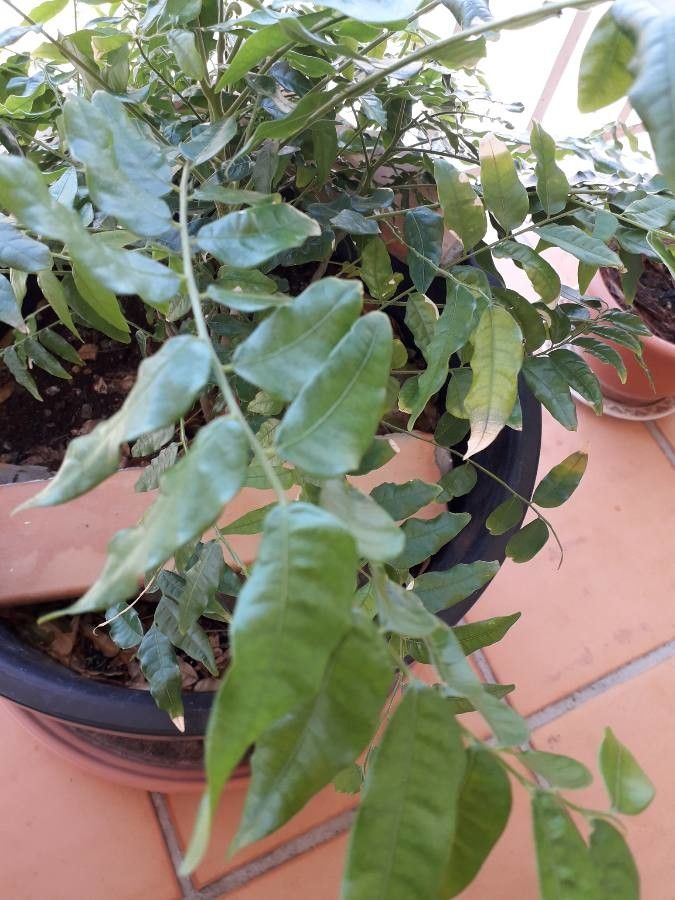
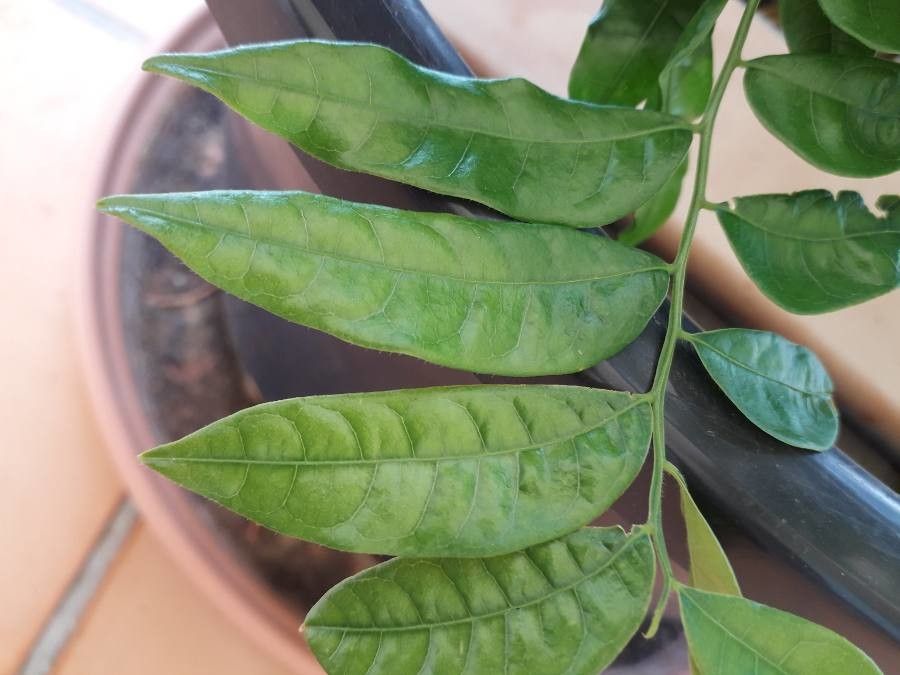
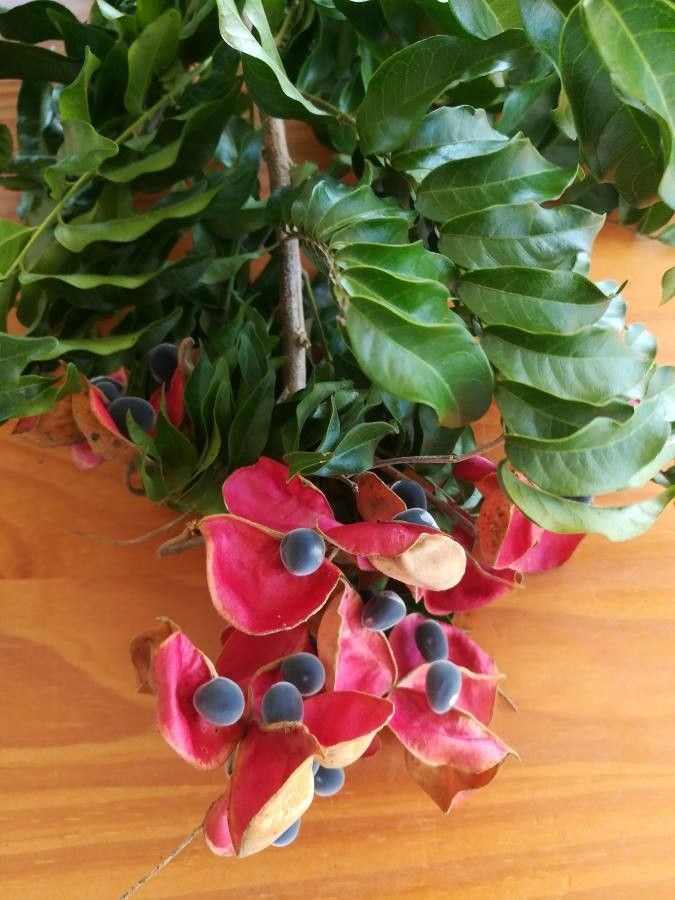
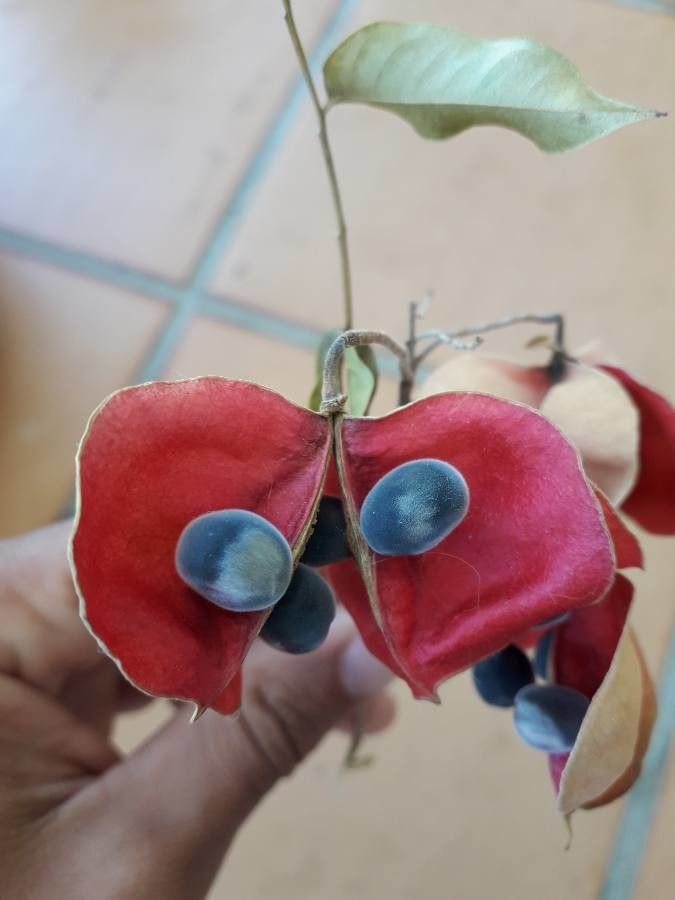
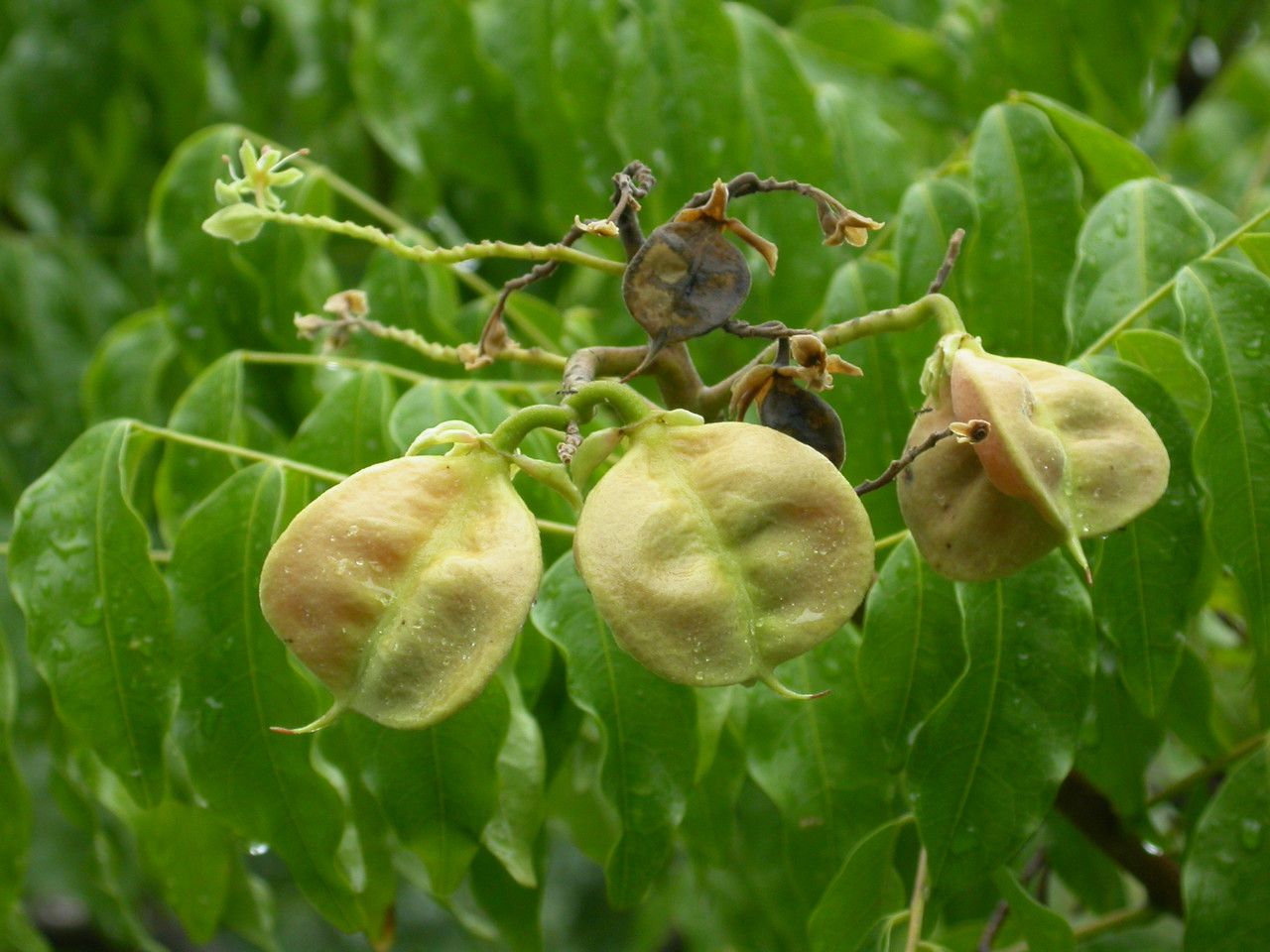
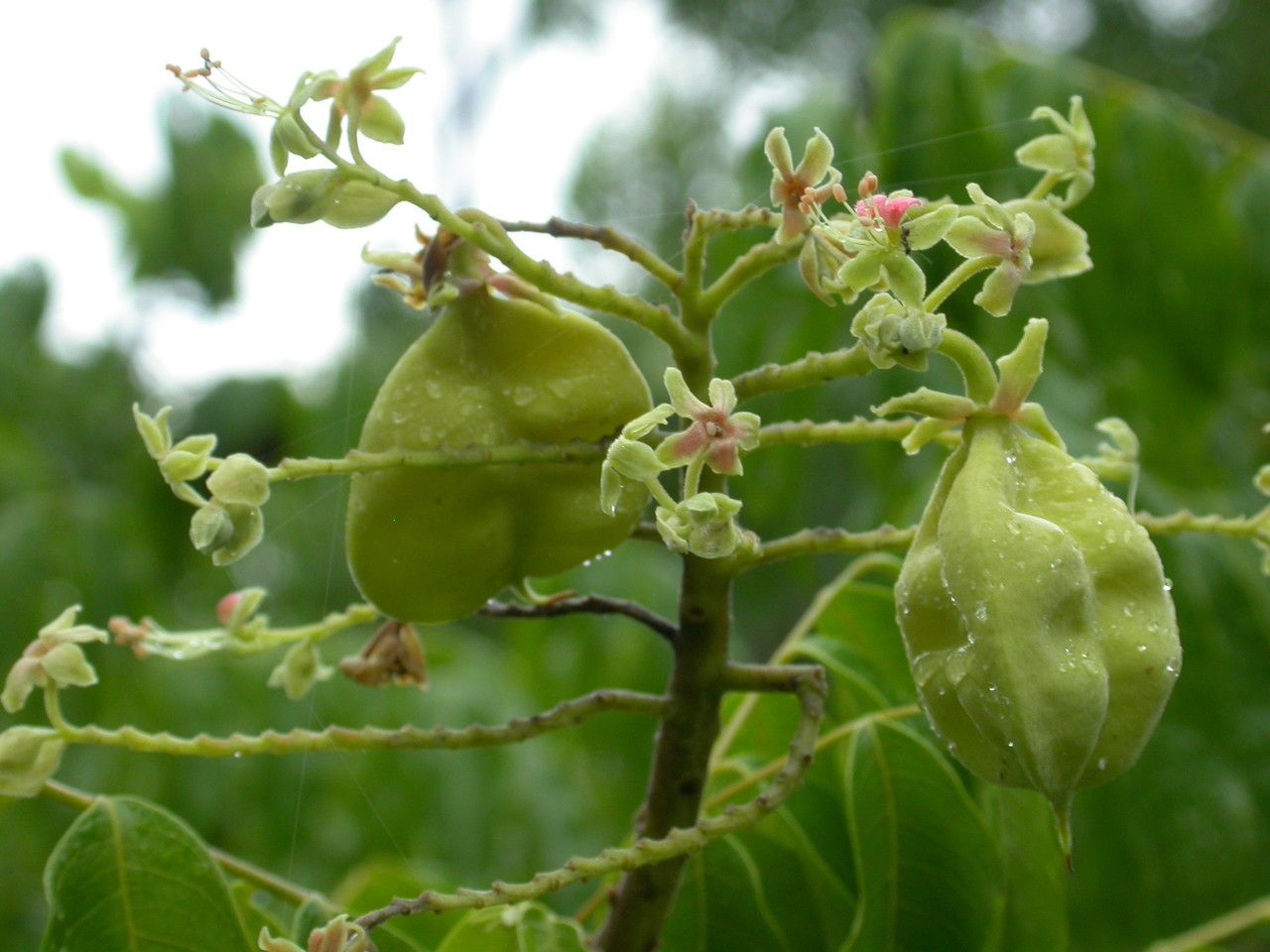
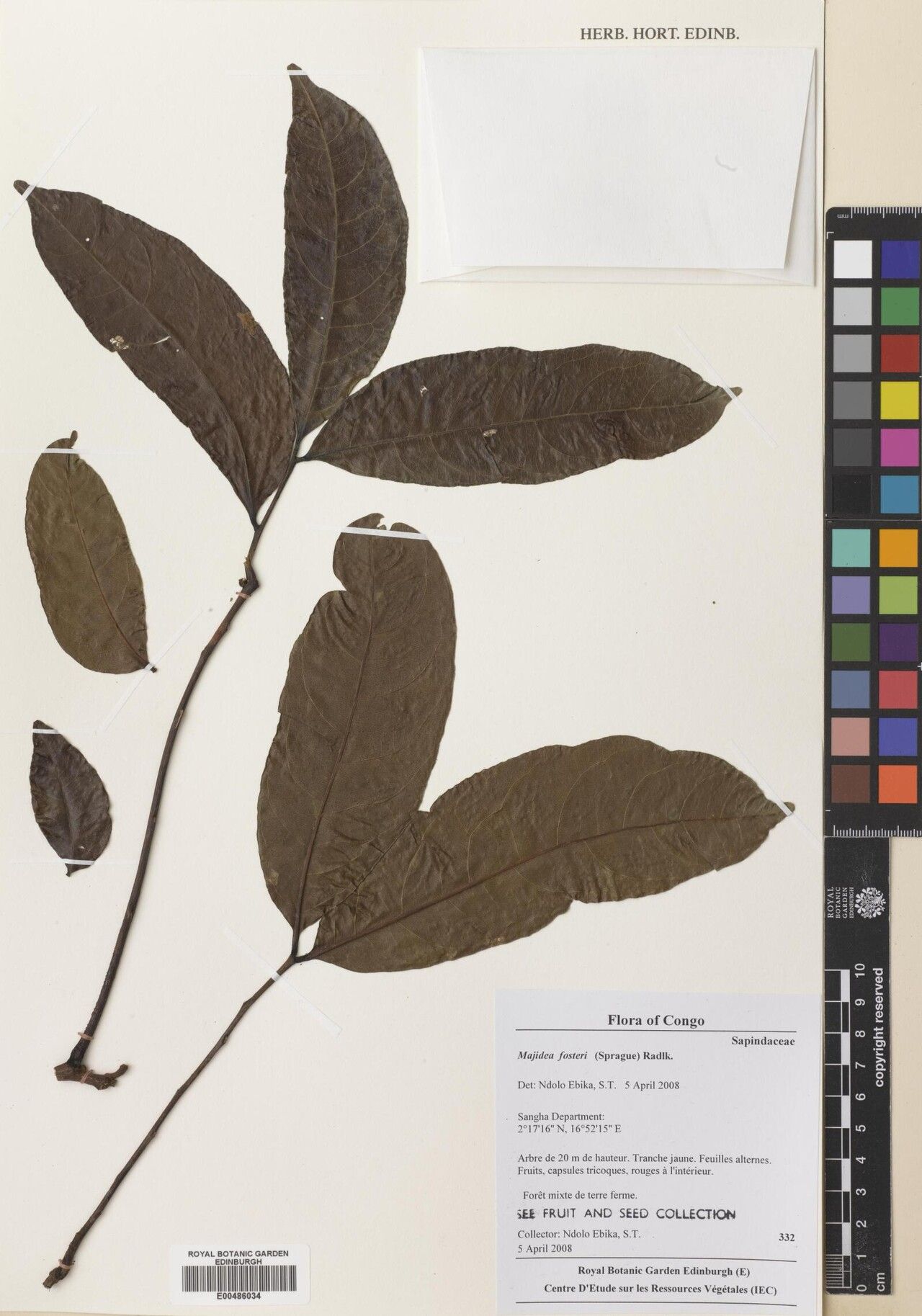
Majidea zangueberica (also known as the mgambo tree, black pearl tree or velvet seed tree) is a small tree of the family Sapindaceae. The tree is native to East Africa and grows up to 5 metres (16 ft) tall.
Velvet-seed has good disease resistance and is generally not prone to diseases. Regarding care, this plant is fairly low maintenance. When grown outdoors it needs minimal watering, and larger plants typically do not require pruning. Smaller plants, however, should be pruned after they have finished blooming. Velvet-seed is suitable for anyone with outdoor space, such as a garden or a deck, and does not demand much experience in plant care.
How to keep Majidea Zanguebarica.
Light
Velvet-seed does best when it gets a substantial amount of sun throughout the day. This corresponds to its natural environment, which is generally rich in sunlight. Lack of adequate sun can slow its growth. By contrast, an abundance of sun does not harm the plant.
Water
Velvet-seed is well-suited for arid regions due to its high drought tolerance. To mimic its natural conditions, it only needs watering once every 2-3 weeks. This makes it an excellent choice for xeriscaping, as it aligns its growth with seasonal rains, making it perfect for low-water garden designs.
Temperature
Velvet-seed is native to tropical areas, where conditions are generally warm and humid. Consequently, it is well-suited to high heat and moisture. It does not cope well with abrupt temperature shifts and prefers a steady thermal environment, so preventing temperature fluctuations indoors is important. It normally cannot withstand cold and needs higher temperatures to grow. If the surrounding temperature falls too low, the plant may stop growing or even die.
Fertilizer
The best time to fertilize a Velvet-seed is in early spring, when it emerges from dormancy. This encourages overall growth and flower development. Fertilizing improves the foliage, stems, and branches, while encouraging large, vibrant, and long-lasting flowers. It also helps move nutrients from the roots to the blooms and enhances the plant's health and resistance to disease.
Pruning
To improve the growth of velvet-seed plants, it's beneficial to prune them in early spring. Start by removing any dead or damaged branches to improve air circulation and light exposure. Next, trim any overgrown stems to shape the plant and encourage new growth. Regular pruning also helps reduce pests and enhances the overall health of the plant, as confirmed by reputable horticultural sources.
Botanical profile.
- Plant Type
- Tree, Shrub
- Life Cycle
- Perennial
- Genus
- Majidea
- Family
- Sapindaceae
- Hardiness Zone
- 10-12
- Mature Height
- 10.06 m to 14.94 m
- Mature Spread
- 4.88 m to 7.92 m
- Leaf Color
- Dark Green
- Leaf Type
- Semi-evergreen
- Flower Color
- Green, Yellow, Red
- Flower Size
- 0.51 cm to 0.76 cm
- Bloom Time
- Summer
- Planting Time
- Spring, Summer
- Harvest Time
- Late summer, Early fall, Mid fall
Other names.
Reader questions.
What are the sunlight requirements for Velvet-seed?
Velvet-seed, botanically known as Majidea zanguebarica, requires above 6 hours of sunlight daily to thrive optimally. Being native to environments abundant in sunlight, Velvet-seed's growth may be stifluenced by the amount of sunlight it receives. Too much or too little sunlight can affect its health, so observing how sunlight moves through your garden to find a balance of light and shade is crucial for ensuring the plant's happiness.
How does artificial lighting support Velvet-seed's growth indoors?
Indoor Velvet-seed plants require adequate lighting, especially when natural sunlight is insufficient, such as in winter or less sunny spaces. Artificial lights, particularly LED lights, are beneficial because they can be customized to provide specific wavelengths needed for optimal growth. For successful indoor growth, full sun plants need 30-50W/sq ft of artificial light, partial sun plants require 20-30W/sq ft, and full shade plants need 10-20W/sq ft. The light source should be placed 12-36 inches above the plant, mimicking natural sunlight as closely as possible, and should be kept on for 8-12 hours per day depending on the plant species.
What are some symptoms of improper sunlight exposure in Velvet-seed?
Velvet-seed may exhibit several symptoms if it doesn't receive appropriate sunlight levels, including small and lighter-colored new leaves, leggy or sparse growth, faster leaf drop, and a halt in new growth, indicating insufficient sunlight. Conversely, exposure to excessive sunlight can lead to chlorosis, sunscald, leaf curling, wilting, and leaf scorching, which are signs of overexposure. These symptoms vary but generally affect the plant's overall health and appearance.
What solutions can combat insufficient sunlight for Velvet-seed?
To combat insufficient sunlight for indoor Velvet-seed plants, gradually move them to a sunnier location each week until they receive at least 6 hours of direct sunlight daily, using south-facing windows for maximum exposure. Artificial lighting such as grow lights or keeping a lamp on for at least 8 hours daily can also help. For outdoor Velvet-seed plants, it's key to gradually adapt them to more sunlight to prevent sunburn. Reducing obstructions like pruning trees and transplanting smaller plants during their dormant period can significantly improve sunlight access. Unfortunately, parts of the plant already affected by insufficient sunlight might not recover, but new growth will be healthy with improved light exposure.