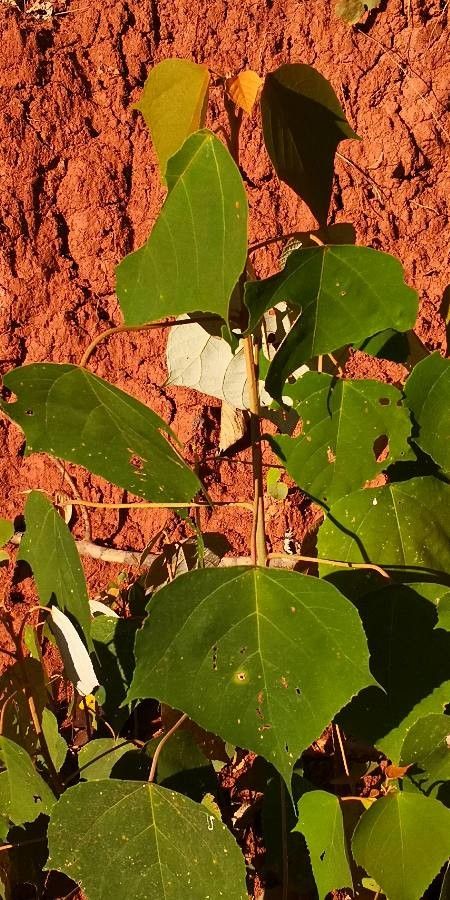
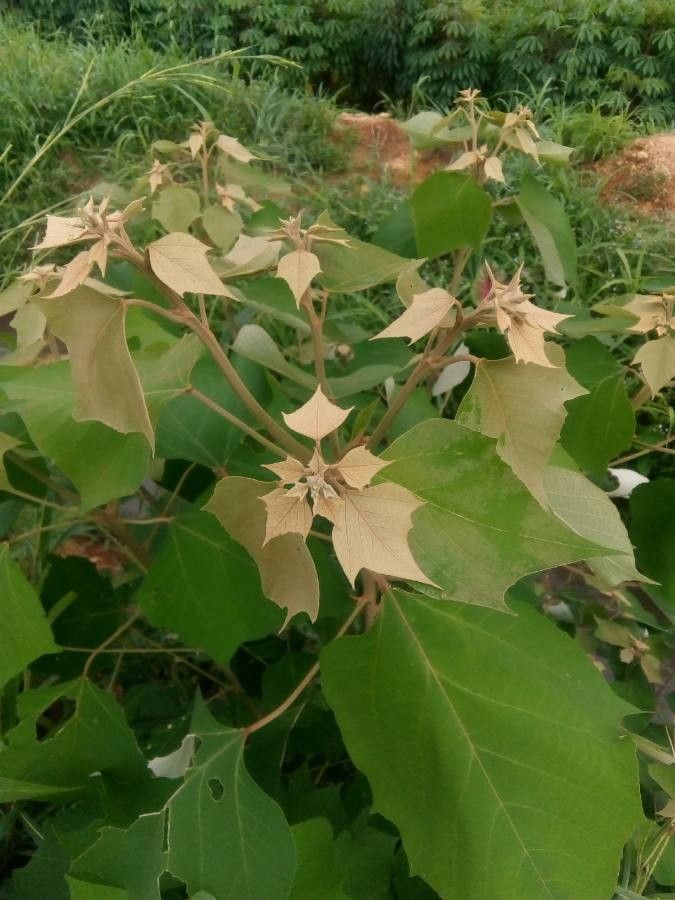
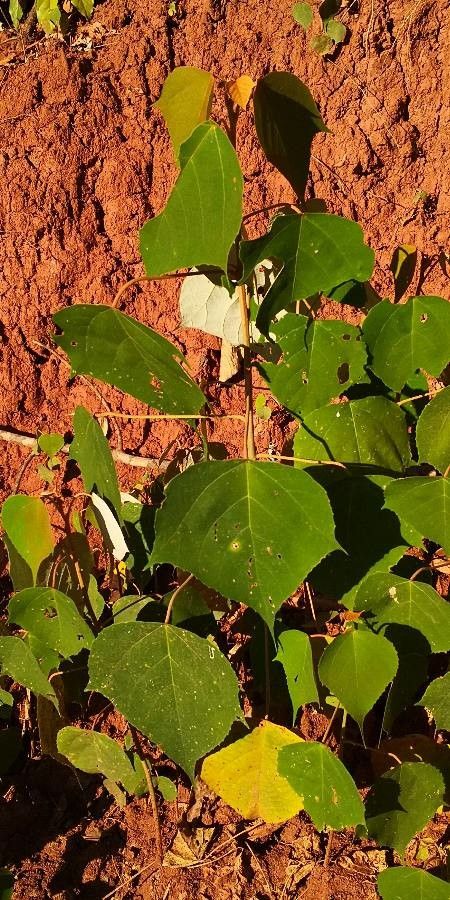
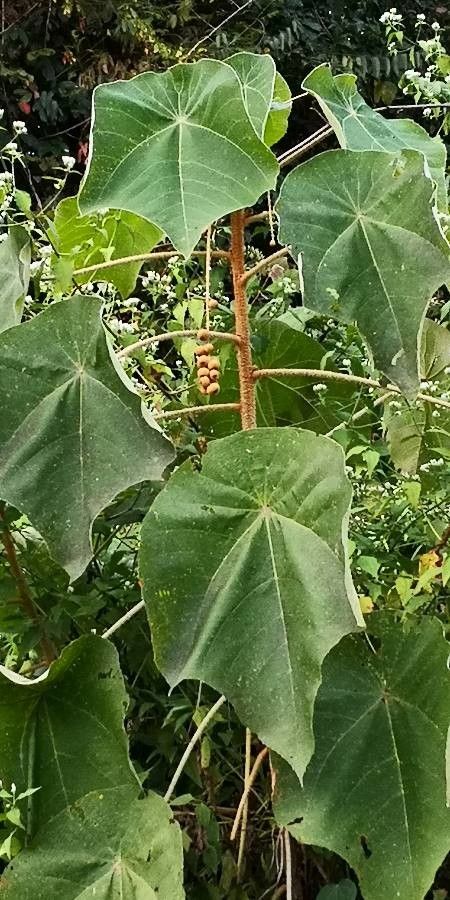
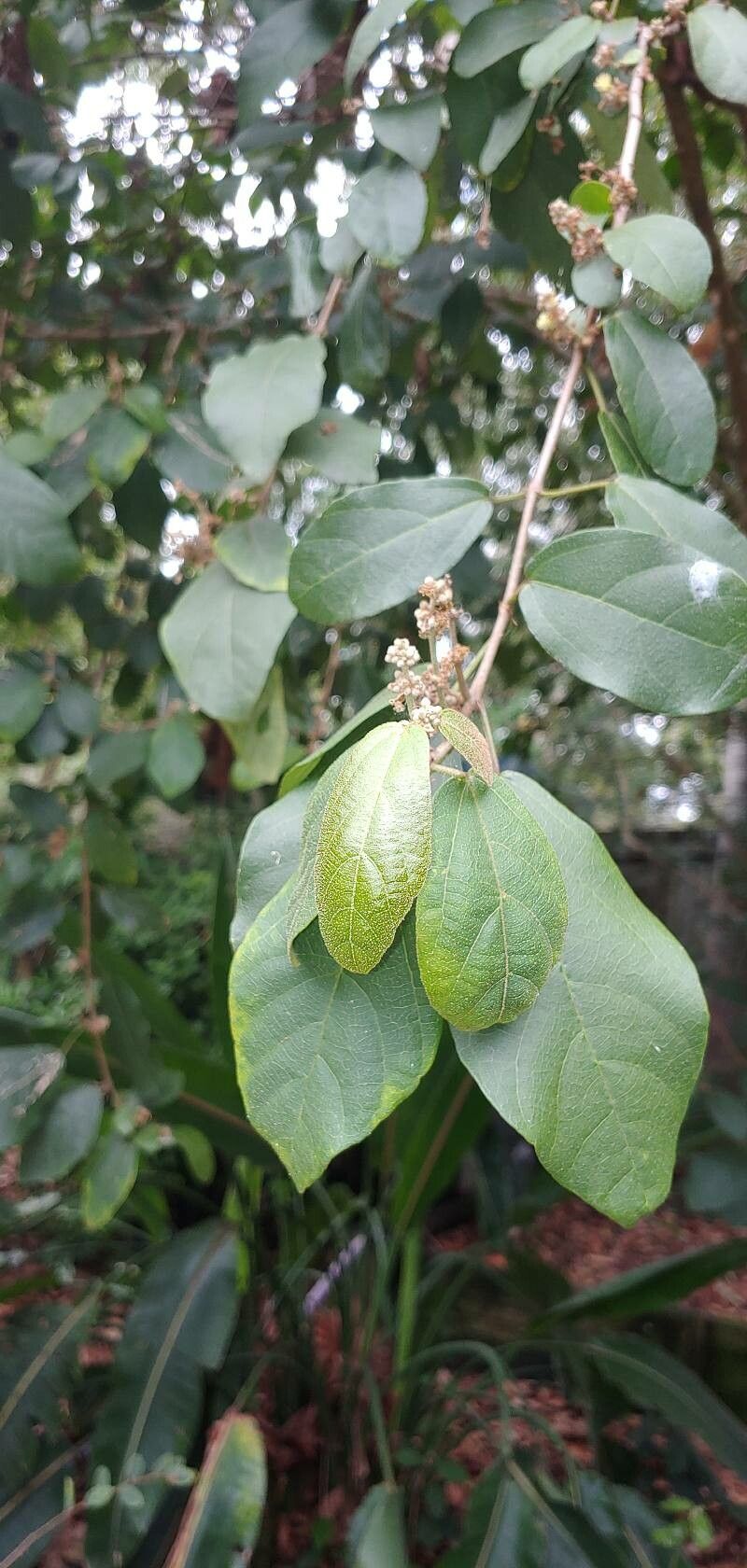
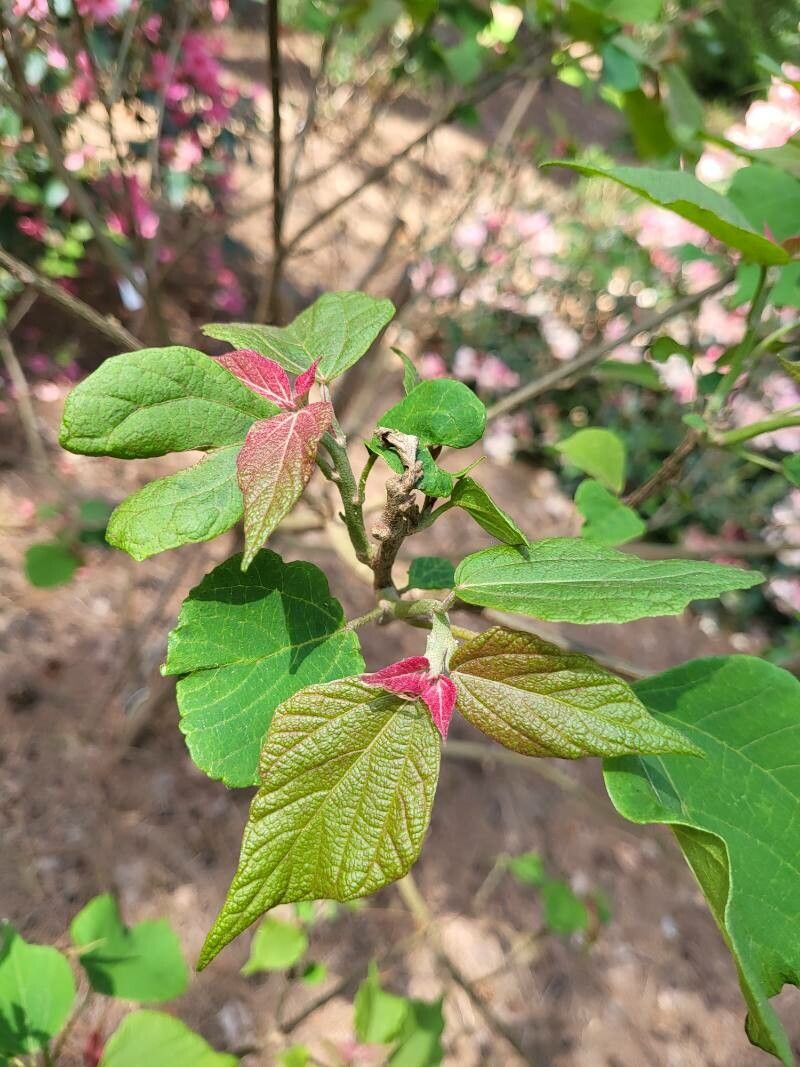
The white-backed leaf has strong resistance to disease and is generally not prone to illnesses. In terms of care, this plant is fairly low maintenance. When grown outdoors it needs little watering, and larger specimens typically do not require pruning. Smaller plants, however, should be pruned after they have finished blooming. The white-backed leaf is suitable for anyone with outdoor space, such as a garden or deck, and does not demand extensive plant-care experience.
How to keep Mallotus Apelta.
Light
White-backed leaf comes from open habitats, like sunny meadows and forest edges, which offer abundant light. It does best in Full Sun but will also tolerate Partial Sun, showing good adaptability to various light conditions.
Water
The white-backed leaf plant requires moderate watering every 2-3 weeks and thrives in conditions of balanced humidity. It originates from regions with consistent rainfall, which allows it to adapt to slight periods of dryness. Being an evergreen, the white-backed leaf retains its leaves year-round, making it less dependent on frequent watering compared to deciduous plants.
Temperature
White-backed leaf is native to habitats with moderate temperatures, thriving in conditions from 59 to 89.6°F (15 to 32℃). Seasonal adjustments may be necessary to keep this optimal temperature range.
Fertilizer
Applying fertilizer at the proper time is essential for White-backed leaf. Apply it in early spring and continue once a month until early summer. Fertilizer encourages attractive blooms and supplies energy during both dormant and active growth periods.
Pruning
The white-backed leaf plant is known for its distinctive white-backed leaves and benefits from annual pruning in early spring to promote new growth. Be sure to remove any dead, diseased, or crossing branches to improve airflow and increase light penetration. Proper pruning not only ensures healthy growth but also enhances the plant's appearance. However, heavy pruning outside the recommended season can stress the plant.
Botanical profile.
- Plant Type
- Tree, Shrub
- Life Cycle
- Perennial
- Genus
- Mallotus
- Family
- Euphorbiaceae
- Hardiness Zone
- 7
- Mature Height
- 0.91 m to 3.96 m
- Mature Spread
- 2.13 m to 3.96 m
- Leaf Color
- Green, Dark Green
- Leaf Type
- Deciduous
- Flower Color
- White, Green
- Flower Size
- 15.24 cm to 30.48 cm
- Bloom Time
- Early summer, Mid summer
- Planting Time
- Spring, Summer
- Harvest Time
- Late summer, Early fall, Mid fall
- Native Area
- Vietnam, China
Reader questions.
What are the sunlight requirements for White-backed leaf plants?
White-backed leaf plants require full sun, which means they need more than 6 hours of sunlight daily, but they can also tolerate partial sun, with about 3-6 hours of sunlight. It's important to observe how sunlight moves through your garden to ensure the plants receive the right balance of light and shade, promoting their growth and happiness.
What is the native environment and optimal temperature range for the White-backed leaf?
The White-backed leaf, known botanically as Mallotus apelta, thrives in environments with moderate temperatures. It prefers conditions ranging from 59 to 89.6°F (15 to 32°C) and flourishes within this temperature range. Seasonal adjustments may be necessary to keep the temperature within these limits. The plant has a strong cold resistance, making it adaptable to various climates without needing special frost protection measures during most winters.
How do White-backed leaf plants adapt to different lighting conditions?
Originating from open environments such as sunny meadows and forest edges, White-backed leaf plants thrive in ample light. They are well-adapted to full sun conditions but can also tolerate partial sun. In indoor settings or less sunny spaces, artificial lighting can be used to provide the necessary lighting, especially in winter. LED lights are recommended for their customizable wavelengths, with full sun plants needing 30-50W/sq ft, partial sun plants 20-30W/sq ft, and full shade plants 10-20W/sq ft of artificial light.
How should White-backed leaf be protected during severe winter conditions?
Although the White-backed leaf has strong cold resistance, if winter temperatures are expected to drop below -15°C, it is important to take steps to protect the plant. Protecting the plant can be achieved by wrapping its trunk and branches with non-woven fabric or cloth. Additionally, watering the plant abundantly before the first freeze in autumn, ensuring the soil is moist when it enters a frozen state, helps prevent drought and water scarcity for the plant during the winter and early spring.
What symptoms indicate insufficient light exposure in White-backed leaf plants?
Symptoms of insufficient light in White-backed leaf plants include small or immature leaves, leggy or sparse growth, faster leaf drop, slower or halted new growth, lighter-colored new leaves, chlorosis or yellowing of leaves due to excessive sunlight, sunscald, leaf curling as a defense against excessive sunlight, wilting from water loss, and leaf scorching. These signs suggest the plant is not receiving enough sunlight to thrive.
What are the symptoms and solutions for White-backed leaf exposed to low temperatures below its tolerance?
White-backed leaf is cold-tolerant and thrives best when temperatures are above 15°C but should be kept above -10°C during winter. Exposure to temperatures below -15°C might not show immediate damage during winter, but by spring, the branches could become brittle and dry, with no new shoots emerging. The solution for such damage is to prune away any dead branches that have failed to produce new leaves in spring.
How can I address insufficient light exposure for indoor and outdoor White-backed leaf plants?
To ensure White-backed leaf plants receive adequate light, gradually move them to sunnier locations, ensuring they get at least 6 hours of direct sunlight daily. Use south-facing windows for indoor plants, and keep curtains open during the day. If moving the plant is not possible, consider artificial grow lights for additional illumination. For outdoor plants, avoid sudden light intensity changes to prevent sunburn. If trees block sunlight, pruning can help increase sun exposure. For smaller plants, consider transplanting during their dormant period to a location with better sunlight and drainage.
How does high temperature affect the White-backed leaf, and what are the solutions?
During summer, it's critical to maintain the White-backed leaf's temperature below 32°C. Temperatures exceeding 35°C can cause the leaves to lighten in color, lead to dry and withered tips, and increase the plant's susceptibility to sunburn. To mitigate these issues, trim away the sunburned and dried parts, move the plant to a shaded location to protect it from midday and afternoon sun, or use a shade cloth. Additionally, watering the plant in the morning and evening helps keep the soil moist, further protecting the plant from high temperature stress.