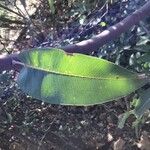
Malosma laurina
Laurel sumac
Description
Source: leafsnapMalosma laurina, commonly known as laurel sumac, is a shrub or small tree native to California and Baja California. This plant belongs to the Anacardiaceae family and can grow up to 20 feet tall. It features a dense crown of glossy green leaves that release a pleasant aroma when crushed. The leaves are leathery and have a waxy coating that helps the plant retain moisture during dry conditions. In the spring, laurel sumac produces small white flowers, which are followed by clusters of red berries in the fall. These berries serve as food for birds and other wildlife. Laurel sumac is drought-tolerant and can thrive in various soil types, including sandy and rocky soils. While it prefers full sun, it can also tolerate partial shade. Native Americans have used laurel sumac for medicinal purposes such as treating colds, coughs, sore throats, skin irritations, and wounds. Overall, Malosma laurina is an attractive ornamental shrub with its glossy green foliage, making it an excellent choice for landscaping. Additionally, it provides ecological benefits as a food source for wildlife, making it an ideal addition to any garden or landscape design project.
🎭 Ambition, Success, Renown
Care Guide
💧 Water
☀️ Light Full sun
🌡️ Temperature 20–37.8°C
💨 Humidity
🪴 Soil 6-7
🌱 Fertilizer
🪴 Pot & Repot
✂️ Pruning
🌿 Propagating
🐛 Diseases & pets
☠️ Toxicity
Characteristics
- Plant Type
- Tree
- Life Cycle
- Perennial
- Genus
- Malosma
- Family
- Anacardiaceae
- Hardiness Zone
- 9-10
- Mature Height
- 3.05 m to 4.88 m
- Mature Spread
- 3.05 m to 4.57 m
- Leaf Color
- Green, Red, Bronze
- Leaf Type
- Evergreen
- Flower Color
- White
- Flower Size
- 2.54 cm
- Bloom Time
- Early summer, Mid summer
- Planting Time
- Spring
- Harvest Time
- Mid summer, Late summer
- Native Area
- Mexico