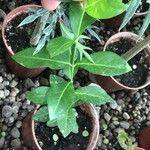
Malpighia glabra
Barbados cherry · Wild crapemyrtle · Acerola · Huesito · West Indian cherry
Description
Source: leafsnapMalpighia glabra, commonly known as acerola or Barbados cherry, is a small tree or shrub belonging to the Malpighiaceae family. It is native to the Caribbean, Central America, and northern South America. The plant can grow to a height of 3-5 meters and features a spreading canopy with glossy green leaves that are 2-6 cm long. The acerola fruit is small and red, with a diameter of about 1-2 cm. It boasts a sweet-tart flavor and is rich in vitamin C, antioxidants, carotenoids, and flavonoids. The fruit can be eaten fresh or used in various culinary applications, such as jams, jellies, juices, and smoothies. The plant prefers well-drained soil and full sun exposure but can also tolerate partial shade. It requires regular watering but should not be overwatered as this may lead to root rot. Acerola offers various medicinal benefits due to its high vitamin C content, which helps boost immunity and fight off infections. It also aids in digestion thanks to its fiber content, reduces inflammation due to its antioxidant properties, and may help prevent cancer owing to the presence of carotenoids with anti-cancer properties. Overall, the Malpighia glabra plant is an attractive ornamental tree that produces delicious, nutrient-packed fruits. It makes an excellent addition to any garden or landscape design, providing numerous health benefits for human consumption as well.
🌳 Wild crapemyrtle is appreciated not only for its ornamental beauty but also because its berries spark culinary creativity around the world. Surprisingly, although some may overlook the plant beyond traditional uses, its fruit—rich in vitamin C—has a tart, bright flavor that suits jams, jellies, and beverages. Beyond the kitchen, there is promising potential to use wild crapemyrtle extracts as natural, food-preserving antioxidants due to their high polyphenolic content.
Care Guide
💧 Water Every 7 days
The wild crapemyrtle is native to tropical regions where it thrives in high humidity and consistent moisture. It prefers to be watered every 1-2 weeks and can tolerate short periods of dryness. Typically grown outdoors, it benefits from sunlight and natural rainfall, which mimic its native climate and help maintain soil moisture and plant health.
How should I water my Wild crapemyrtle?
Your Wild crapemyrtle is not picky when it comes to watering. You can use any common watering tool, such as watering cans, hoses, or cups, to water the plant. It's best to water the plant by applying water directly to the soil. Make sure to evenly moisten all areas of the soil to give the root system sufficient water. Using filtered water is recommended to avoid harmful particles in tap water. Additionally, using water that is at or slightly above room temperature is beneficial, as very cold or hot water can shock the plant. However, the Wild crapemyrtle generally responds well to any type of water.
What should I do if I give too much or too little water to my Wild crapemyrtle?
When caring for outdoor plants, especially newly planted ones or seedlings, it is important to be aware of the risk of not watering them enough. Make sure to water them adequately for the first few months after planting, as this is crucial for their growth. Once the roots are established, wild crapemyrtle plants can rely on rainwater most of the time. When wild crapemyrtle is planted in pots, overwatering is a common issue. If you accidentally overwater your plant, it is important to address the situation promptly. First, stop watering the plant immediately to minimize the impact of overwatering. Then, remove the plant from its pot and inspect the roots. If no root rot is detected, you can return the plant to its container. However, if root rot is present, trim away the affected roots and consider applying a fungicide to prevent further damage. Lastly, repot the plant in well-draining soil. In the case of underwatering, the solution is simple: water the plant more frequently. When a wild crapemyrtle is underwatered, its leaves may droop, dry out, and fall off. However, with sufficient watering, the leaves will regain their fullness relatively quickly. It is crucial to adjust your watering frequency as soon as you notice signs of underwatering.
How frequently should I water my Wild crapemyrtle?
If your area doesn't get enough rainfall, consider watering your outdoor plants every two weeks in spring and fall, and more frequently in the summer. In the winter, when plants need less water, water sparingly and you may not need to water at all. Young or newly planted Wild crapemyrtle plants need more frequent watering to help them establish and grow. When it comes to potted plants, you can either follow a set watering schedule, such as once a week or every other week, or you can adjust based on the moisture levels of the soil. In general, it's best to wait until the top few inches of soil have dried out before watering again.
How much water does my Wild crapemyrtle require?
Watering your Wild crapemyrtle may not require a lot of water. If only a few inches of soil have dried since your last watering, giving it about five to ten ounces of water each time will promote healthy growth. You can gauge the amount of water needed based on soil moisture. Take note of how many inches of soil have dried between waterings. To ensure your Wild crapemyrtle receives sufficient moisture, water it enough to moisten all the soil layers that have dried since the last watering. If over half of the soil has become dry, consider giving it more water than usual. In such cases, continue watering until you see excess water draining from the pot's drainage holes. If your Wild crapemyrtle is planted in a region with abundant outdoor rainfall, it may not require additional watering. For young or newly established plants, provide 1-2 inches of rain per week. As the plant grows and becomes established, it can rely solely on rainwater. Only in hot weather and prolonged periods without rain for 2-3 weeks should you consider giving it a full watering to prevent stress.
How do I know if I am watering my Wild crapemyrtle enough?
The Wild crapemyrtle commonly faces issues with overwatering, which can be identified by yellowing leaves, leaf drop, shriveling plant structure, and potential root rot. Conversely, underwatering can cause wilting, brown or brittle leaves. Whether signs of overwatering or underwatering are observed, it is important to take action and restore the health of the Wild crapemyrtle.
☀️ Light Full sun
Wild crapemyrtle flourishes when it receives abundant light all day. In environments with a steady supply of light, these plants develop vigorously and stay healthy. If light is scarce, wild crapemyrtle can adjust, but too much shade can inhibit growth and may produce harmful effects.
What are the sunlight requirements for Wild crapemyrtle?
Wild crapemyrtle thrives in conditions that offer full sun, meaning above 6 hours of sunlight daily, but can also grow in partial sun, with about 3-6 hours of sunlight. It's vital to observe how sunlight moves through your garden to ensure plants get an ideal balance of light and shade, fostering their growth and health. For optimal development, these plants benefit significantly from abundant light exposure throughout the day. However, they can adapt to less sunny conditions, though excessive shade might restrict their growth and can have negative effects.
How can artificial lighting benefit indoor Wild crapemyrtle plants?
Indoor Wild crapemyrtle plants require adequate lighting for optimal growth, especially when natural sunlight is scarce, like in winter or less sunny spaces. Artificial lighting serves as an essential alternative, promoting faster, healthier growth. LED lights are recommended for being customizable to the specific light wavelengths needed. Full sun plants need 30-50W/sq ft, partial sun plants 20-30W/sq ft, and full shade plants 10-20W/sq ft of artificial light. The light source should be placed 12-36 inches above the plant to mimic natural sunlight, and most plants will benefit from 8-12 hours of light per day.
What are the symptoms of insufficient light in Wild crapemyrtle?
Insufficient light can cause several symptoms in Wild crapemyrtle, such as smaller new leaves, leggy or sparse growth, faster leaf drop, slower or no new growth, lighter-colored new leaves, chlorosis (leaves turning yellow due to chlorophyll breakdown), sunscald (damage from intense sun exposure), leaf curling as a defense against extreme sunlight, wilting from increased water loss, and leaf scorching characterized by brown, crispy leaf edges. These symptoms highlight the plant's struggle under inadequate lighting conditions.
What solutions can address insufficient light conditions for Wild crapemyrtle?
To address insufficient light for Wild crapemyrtle, gradual relocation to sunnier spots is advised, aiming for at least 6 hours of direct sunlight. Utilize south-facing windows and keep curtains open during the day. If the plant is large or immobile, consider artificial lighting, keeping lights on for a minimum of 8 hours daily. Outdoors, adjust the plant's position gradually to prevent sunburn. Obstructions blocking sunlight should be minimized by pruning or transplanting smaller plants to sunnier locations with good drainage during their dormant period, ensuring new growth is healthy.
🌡️ Temperature 20–37.8°C
Wild crapemyrtle originates from warm regions and requires temperatures of 68 to 100.4 °F (20 to 38 ℃). It favors warmer conditions and may need temperature adjustment or protection during cooler seasons.
What is the native environment of Wild crapemyrtle?
Wild crapemyrtle, with its botanical name Malpighia glabra, is native to warm regions and thrives in temperatures ranging from 68 to 100.4 °F (20 to 38 °C). It is extremely heat-loving and requires warmer environments to flourish. During cooler seasons or in locations that do not consistently meet these temperature requirements, it may be necessary to adjust the environment or provide protection to ensure the plant's health and growth.
How should Wild crapemyrtle be cared for in cooler temperatures?
In cooler temperatures, especially during autumn and winter, it is advisable to bring outdoor-grown Wild crapemyrtle indoors. Placing it near a bright window will provide it with sufficient light, yet it should be kept a certain distance from heaters to avoid damage. Maintaining temperatures above 20°C is beneficial for the plant's growth, while temperatures nearing 5°C can be harmful. Proper temperature adjustment and placement can protect the plant from cold damage.
What are the symptoms of low temperature exposure in Wild crapemyrtle?
Exposure to low temperatures can significantly affect Wild crapemyrtle. When the temperature falls below 1°C, the leaves may lighten in color before the onset of frost damage, which eventually turns the color to brown or black. Symptoms including wilting and drooping are common signs of distress. It is crucial to keep the plant in temperatures above 20°C, especially during winter, to prevent these harmful effects.
What steps should be taken if Wild crapemyrtle is damaged by frost?
If Wild crapemyrtle suffers from frost damage, the affected parts should be trimmed off immediately. The plant should then be moved to a warmer environment indoors for protection against further cold exposure. Placing it near a south-facing window ensures that it receives ample sunlight, but care should be taken to avoid direct exposure to heaters or air conditioning vents that can cause the air to become excessively dry.
How does high temperature affect Wild crapemyrtle?
High temperatures can also pose a threat to Wild crapemyrtle. When temperatures exceed 38°C, it is important to keep the plant out of excessively hot conditions. Exposure to temperatures above 43°C can cause the leaves to lighten, making the plant more susceptible to sunburn. High temperature stress requires appropriate measures to protect the plant and ensure its well-being.
💨 Humidity
🪴 Soil 5-6
🌱 Fertilizer
Use organic fertilizers (e.g., fish emulsion, compost) rather than chemical fertilizers for Wild crapemyrtle. Give young plants higher levels of nitrogen and phosphorus in spring. Incorporate compost or fertilizer into the soil before or after planting. For mature plants, supplement in spring with a balanced fertilizer or one aimed at a specific deficiency. Nutrient deficiency causes small leaves, short branches, yellow or bronze leaves, acidic fruits, premature fruit fall, and splitting.
Why is it important to fertilize my Wild crapemyrtle?
If the soil in your area is rich, you may not need to fertilize. However, if the soil lacks nutrients, a Wild crapemyrtle may not produce enough leaves, flowers, and fruits. Conducting a soil test is the best way to determine the nutrient levels in the soil. Nutrient deficiency in Wild crapemyrtle can cause small leaves, short branches, yellowing or bronze leaves, and less tasty fruits due to increased acidity. Certain nutrient deficiencies can also lead to premature fruit drop or splitting.
When should I fertilize my Wild crapemyrtle plant?
To promote healthy leaf and root growth for young Wild crapemyrtle, it is recommended to provide them with higher levels of nitrogen and phosphorus fertilizer. The ideal time to apply fertilizer is during the spring of their first growing season. It is advisable to mix compost or another type of fertilizer into the soil either before or right after planting. For mature plants, it is recommended to supplement with a balanced fertilizer or one specifically designed to address soil deficiencies in your area, as needed, throughout the spring and summer. Fertilizing should be avoided during the autumn and winter seasons.
When is the best time to not fertilize my Wild crapemyrtle?
To ensure the health of Wild crapemyrtle, it's important to avoid fertilizing after pruning, when it's dealing with disease, insects, or stress. Fertilizer is only effective for addressing nutrient deficiencies in the soil, and cannot resolve other underlying problems. It is essential to accurately diagnose the issue to avoid adding fertilizer when another cause might be the culprit. Additionally, refrain from fertilizing during winter or during excessively hot and dry periods in the summer.
What kind of fertilizer does my Wild crapemyrtle plant need?
Most types of Wild crapemyrtle thrive in tropical locations with abundant decaying organic matter. They can benefit from fertilizer to meet their macronutrient and micronutrient needs. If you're growing Wild crapemyrtle for fruit, a high-phosphorus organic fertilizer like mushroom compost, bone meal, and poultry manure can help produce delicious and well-formed fruits. When purchasing fertilizer, look for the NPK number on the label, which represents the ratio of nitrogen, phosphorus, and potassium. Low nitrogen is often a common soil nutrient deficiency, but a soil test can accurately determine the specific nutrients lacking in your soil and guide you in supplementing them.
How can I fertilize my Wild crapemyrtle plant?
When using fertilizer, it's important to follow the instructions provided. It is always better to use too little fertilizer rather than too much, so it's recommended to be conservative when adding fertilizers. This is especially true for chemical fertilizers, which tend to be more concentrated compared to organic fertilizers. Liquid fertilizers are typically mixed with water and used to water the Wild crapemyrtle. On the other hand, granular or dry fertilizers can be spread around the base of the plant. However, it is important to ensure that no fertilizer comes into direct contact with any part of the plant. For the growing season, it is common practice to use fertilizer once every 2-3 weeks. Organic fertilizers can either be mixed into the soil before planting or spread as a layer over the top of the soil for both newly-planted or mature plants.
🪴 Pot & Repot 2-3 years
Repot wild crapemyrtle every 2 to 3 years during the spring by using a larger container. Ensure the plant has well-draining soil and receives plenty of sunlight after repotting. Water the plant regularly, but be careful not to overwater, as wild crapemyrtle is sensitive to excess moisture. By following these care guidelines, you can promote robust growth in the upcoming season.
✂️ Pruning
The wild crapemyrtle is an evergreen shrub known for its colorful berries and glossy leaves. To maintain its health, prune the plant from early to late spring. This involves removing dead or overcrowded branches to improve airflow and light penetration. Make sure to use clean tools to prevent the spread of disease. For the best care practices, consult reliable sources.
🌿 Propagating
🐛 Diseases & pets
☠️ Toxicity
Characteristics
- Plant Type
- Tree, Shrub
- Life Cycle
- Perennial
- Genus
- Malpighia
- Family
- Malpighiaceae
- Hardiness Zone
- 10-12
- Mature Height
- 6.1 m
- Mature Spread
- 6.1 m
- Leaf Color
- Green
- Leaf Type
- Evergreen
- Flower Color
- Pink
- Flower Size
- 1.02 cm to 2.03 cm
- Bloom Time
- Late spring, Early summer, Mid summer
- Planting Time
- Spring, Autumn
- Harvest Time
- Mid summer, Late summer
- Native Area
- Colombia, Belize, Cuba, Honduras, Mexico, Guatemala, Venezuela, Peru, El Salvador, Nicaragua, Costa Rica, Panama, Jamaica