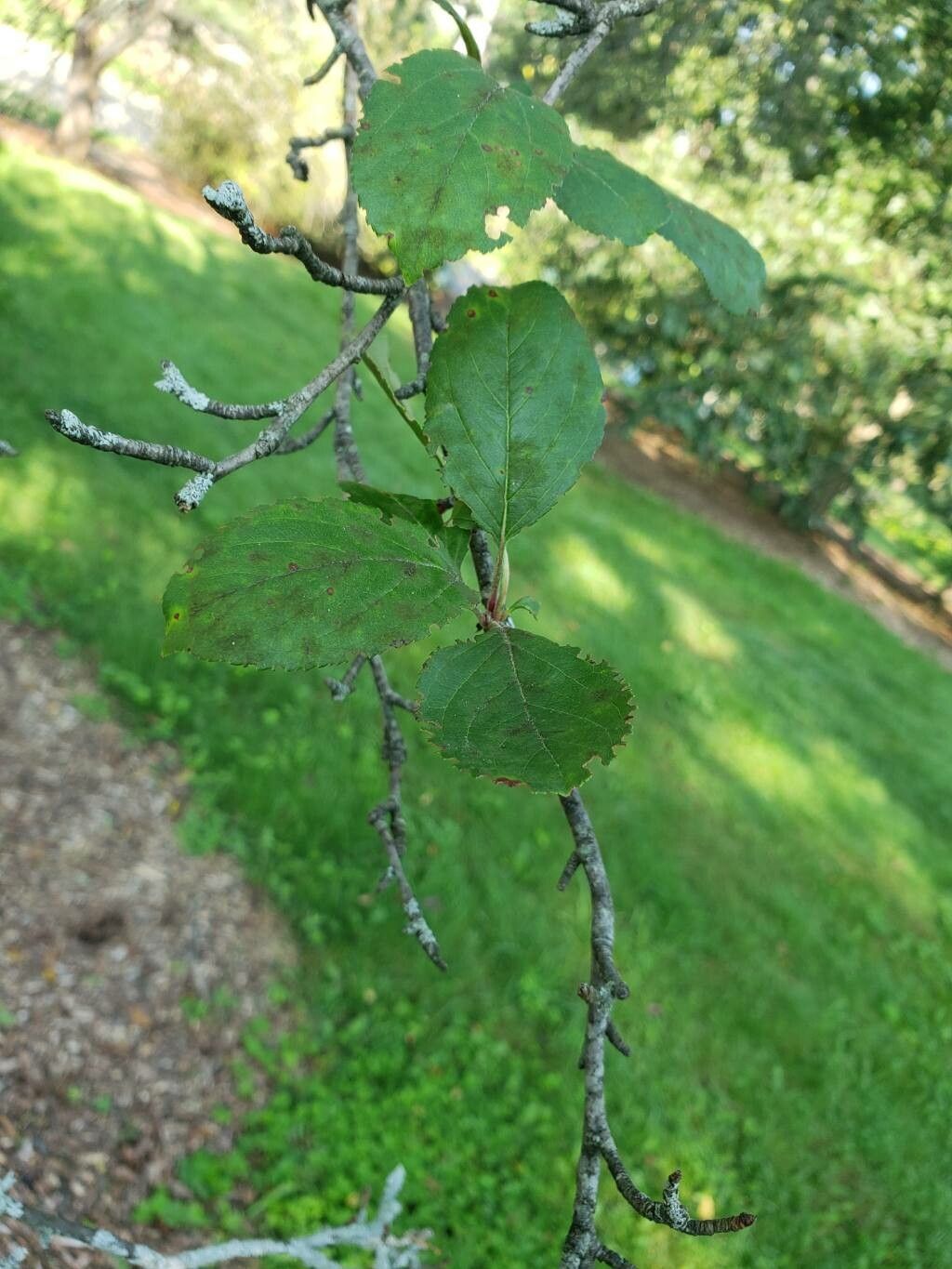
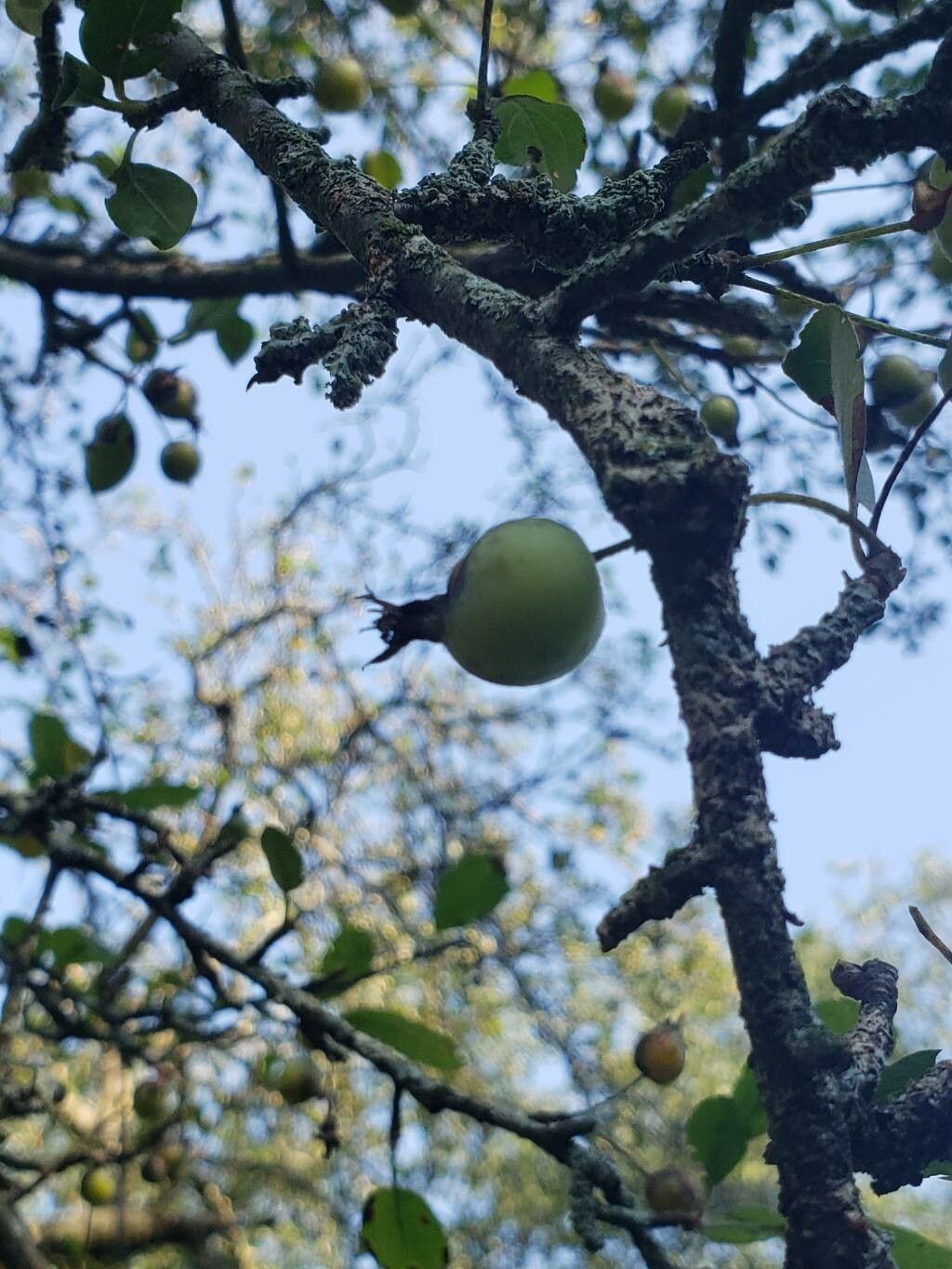
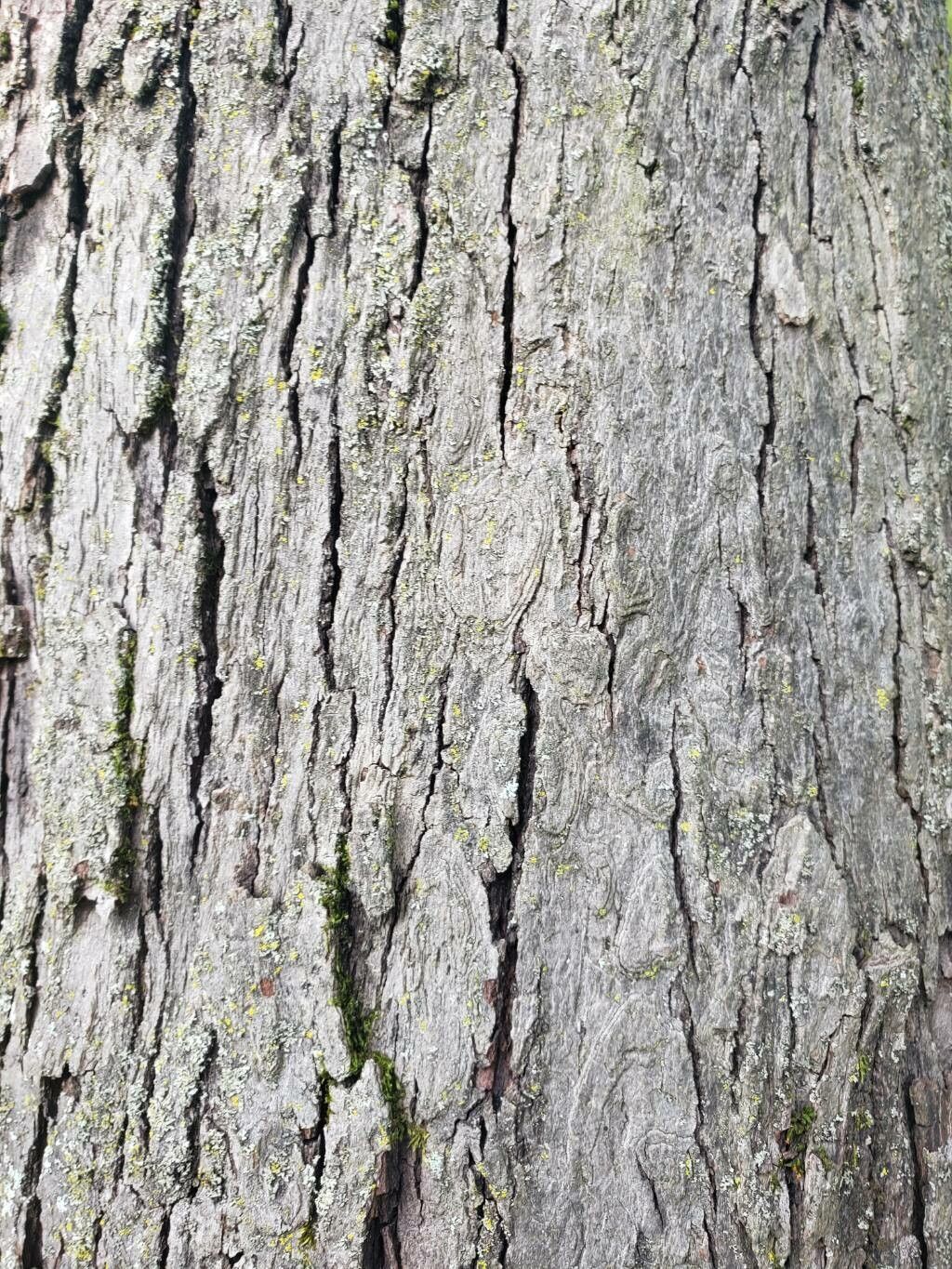
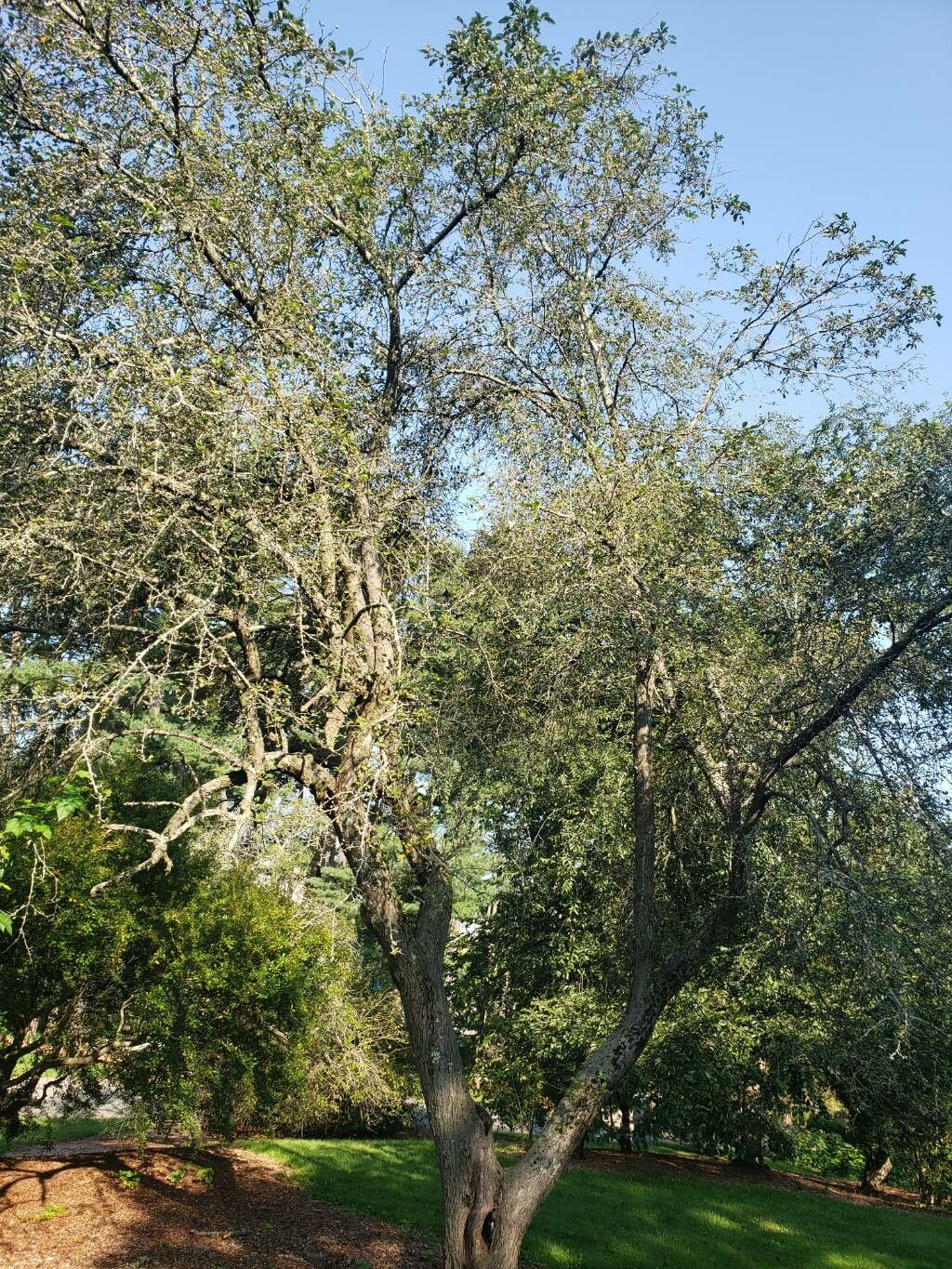
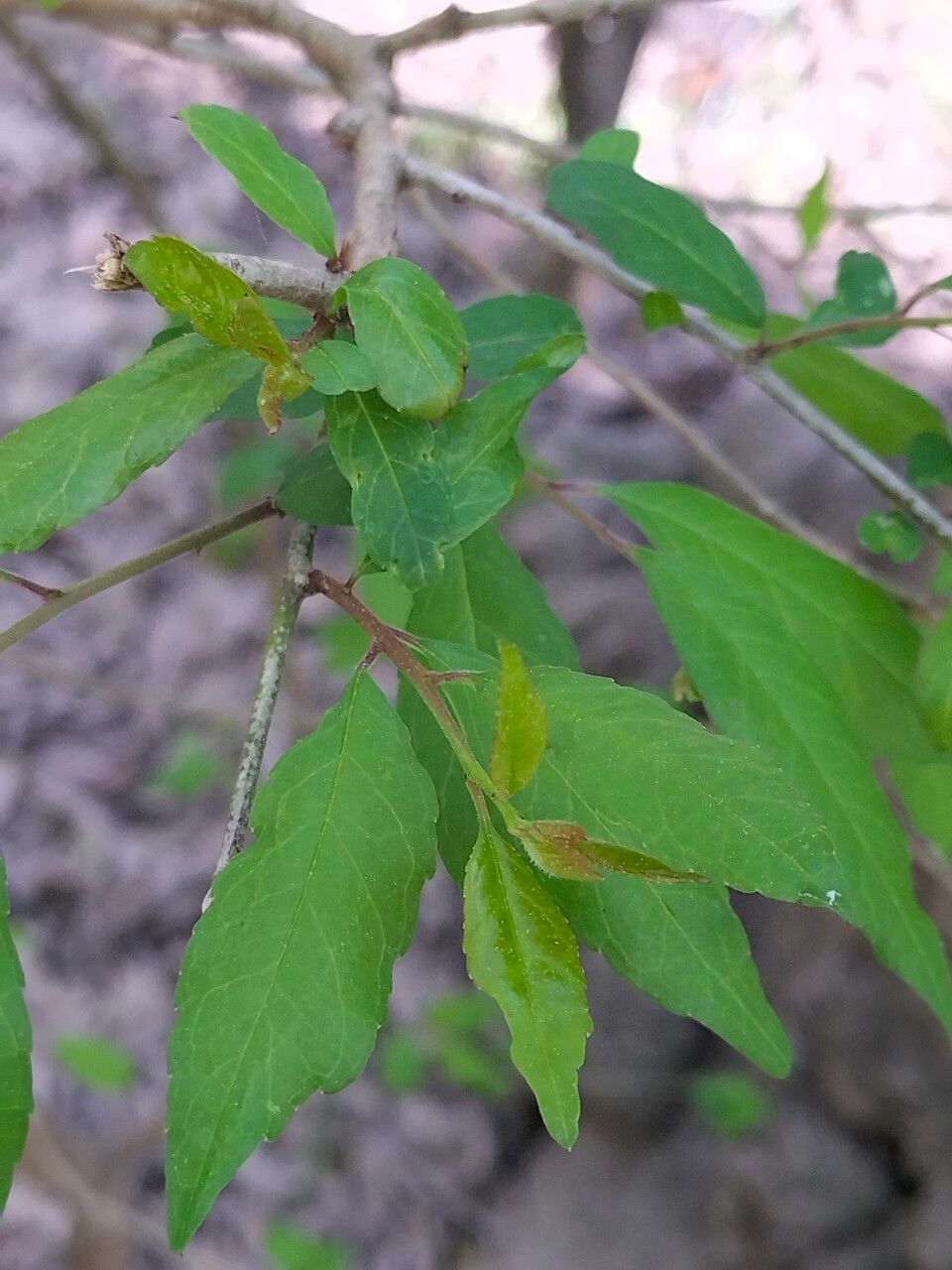
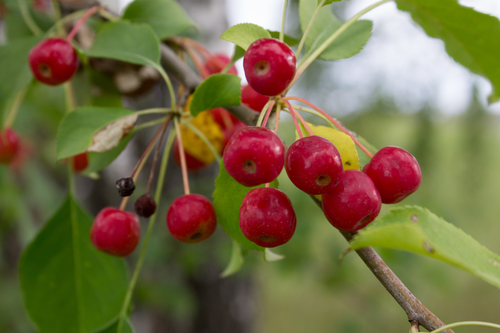
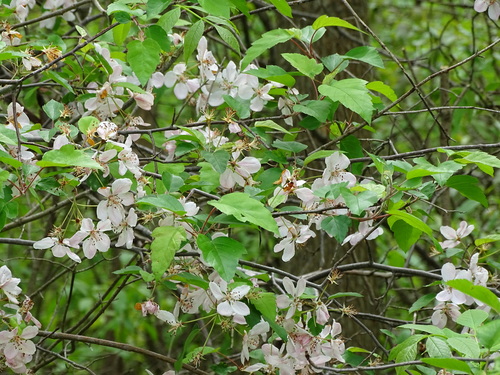
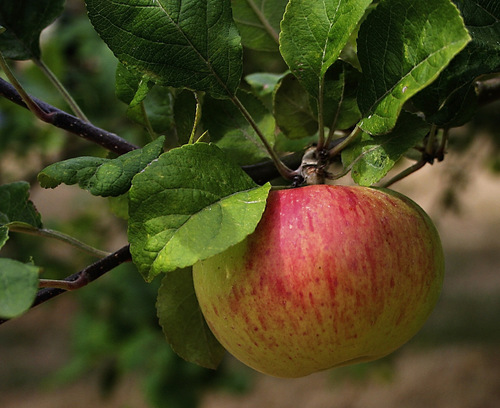
Malus asiatica, also known as neunggeum apple or Chinese pearleaf crabapple, is a species in the genus Malus under the family Rosaceae. It is native to China and Korea.
Chinese pearleaf crabapple has strong resistance to disease and is generally not easily affected by illnesses. In terms of maintenance, this plant is fairly low-maintenance. When planted outdoors it needs only light watering, and larger plants typically do not require pruning. Smaller plants, however, should be pruned after they finish blooming. Chinese pearleaf crabapplet is suitable for anyone who has an outdoor space, such as a garden or a deck, and does not demand much plant-care experience.
How to keep Malus Asiatica.
Light
Chinese pearleaf crabapple grows best with full sun for most of the day, though it can tolerate a certain amount of shade. In its original growing environment, it mostly occurred in areas with plenty of daylight. Too little sun can lead to poor growth, while too much may damage the plant.
Water
The Chinese pearleaf crabapple grows best in temperate regions with moderate moisture levels. For optimal health, water the plant every 2 to 3 weeks, allowing the soil to dry out slightly in between waterings. Although the plant can withstand short periods of dryness, it’s important to adjust your watering schedule according to the growing season to enhance both fruit production and foliage quality.
Temperature
Chinese pearleaf crabapple comes from temperate zones and prefers temperatures of 41 to 89.6 °F (5 to 32 ℃). As seasons shift, it's advisable to make moderate temperature adjustments to align with the plant's natural preferences.
Fertilizer
The Chinese pearleaf crabapple needs adequate nutrients to produce the best fruit. Apply fertilizer in early spring to encourage new growth and flowering. Regular feeding keeps the plant healthy, results in more flavorful fruit, and prevents nutrient deficiency problems like yellow leaves and poor fruit production.
Pruning
The Chinese pearleaf crabapple is valued for its attractive blossoms and fruit. To maximize its ornamental appeal, proper pruning techniques are essential. Start by removing any dead branches, then thin out crowded areas to allow for better air circulation. Shaping the tree will also enhance its overall appearance. For best results, prune in early spring, which promotes healthy growth, reduces disease risk, and boosts both flower and fruit production, enhancing its beauty and productivity.
Botanical profile.
- Plant Type
- Tree
- Life Cycle
- Perennial
- Genus
- Malus
- Family
- Rosaceae
- Hardiness Zone
- 4-8
- Mature Height
- 3.96 m to 6.1 m
- Mature Spread
- 3.05 m to 6.1 m
- Leaf Color
- Green, Dark Green
- Leaf Type
- Deciduous
- Flower Color
- White, Pink
- Flower Size
- 3.05 cm to 4.06 cm
- Bloom Time
- Mid spring, Late spring
- Planting Time
- Spring, Summer
- Harvest Time
- Late summer, Early fall, Mid fall
- Native Area
- China
Other names.