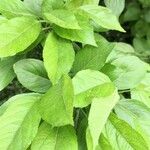
Malus spectabilis
Chinese crab · Chinese flowering apple · Asiatic apple · Chinese Crab Apple · Chinese flowering crab apple
Description
Source: leafsnapMalus spectabilis (Chinese: 海棠; pinyin: hǎitáng) is a species of crabapple known by the common names Asiatic apple, Chinese crab, and Chinese flowering apple. It is endemic to China, and native within the Provinces of Hebei, Jiangsu, Liaoning, Qinghai, Shaanxi, Shandong, Sichuan, Yunnan, and Zhejiang.
🌳 Beyond its visual charm, chinese Crabapple is prized by bees for its nectar. That nectar helps produce a unique honey, gently flavored with the plant's aromatic character. Beekeepers value this honey for its outstanding flavor and quality. Furthermore, chinese Crabapple is grown as an ornamental and has been incorporated into traditional festivals and ceremonies because of its showy blooms.
Care Guide
💧 Water
The Chinese Crabapple, a plant native to East Asia, thrives in moderate humidity and prefers consistent moisture without becoming waterlogged. It should be watered every two weeks, especially during its blooming period in spring. When cultivated outdoors, the Chinese Crabapple is a beautiful, ornamental deciduous plant that displays vibrant flowers if properly hydrated during its growing season.
How should I water my Chinese Crabapple tree?
- To promote excellent root development, it's helpful to place a garden hose at the base of the plant. Avoid spraying the leaves directly because they need less water compared to the roots, especially if they're outdoors and exposed to direct sunlight. - Using bubblers can be effective for moisturizing the roots. Attach them to each plant as needed. - Soaker hoses are a great option for watering the entire garden or bed, especially when adding or removing plants. They help the roots to grow deep. After watering, remember to drain any excess water and wait for the soil to dry before watering again. - Watering at ground level is recommended to prevent diseases. However, on a sunny day, spraying the whole bush with water can be beneficial. - Whether the Chinese Crabapple is in a pot or in the ground, it prefers deep watering rather than light sprinkling.
What should I do if I give the Chinese Crabapple tree too much or too little water?
An overwatered Chinese Crabapple can have yellow leaves that drop off and wilt. The plant may also appear dull and unhealthy, with mushy stems. When these signs start to show, it's best to adjust your watering schedule accordingly. Wilting can also be a sign of under watering, characterized by crispy and dry leaves. For dry soil, simply watering may not be enough; a thorough watering is needed. However, even with sufficient water, the Chinese Crabapple may still have dry and yellow leaves for a few days due to damaged roots. Once the plant returns to normal, the yellowing of leaves will stop. When keeping the Chinese Crabapple indoors, always check the moisture levels and avoid overwatering. Look out for black spots, and if present, allow the soil in the pot to dry out for a few days. Overwatering can lead to root rot, so consider transferring the plant to a different pot if you see discolored and slimy roots. Prevent root rot by ensuring the soil doesn't become too soggy. When planting the Chinese Crabapple outdoors, dig a little deeper and use your fingers to check for dry soil, which may indicate underwatering. Adequate watering is necessary for the plant to recover.
How often do I need to water my Chinese Crabapple?
The Chinese Crabapple prefers deep and infrequent watering. If they are planted in pots, it is important to soak them with a gallon of water each time. The soil in pots tends to dry out faster, so watering is necessary every 3 to 5 days in cold regions. It is best to water them in the morning when the soil is dry, both indoors and outdoors. To check if watering is needed, simply examine the soil inside. When the top 2-3 inches of soil are dry, it is time to give the plant a thorough watering. During hot days, it is important to check the moisture daily as the soil in the pot can dry out quickly due to the heat. In gardens, irrigation of the soil is also necessary. In hot climates, watering once a week is recommended. Only water when you observe that about 2 to 3 inches of soil have become too dry, whether indoors or outdoors. Take into account the amount of rainfall the plant receives and avoid overwatering to prevent root rot. If there is already significant rainfall, additional watering may not be necessary. Chinese Crabapple plants generally grow during spring and fall. When they are outdoors, adding a 3 to 4-inch layer of mulch can help conserve water. Sandy soil tends to drain faster, so plants in such soil require more frequent watering. On the other hand, plants in clay soil need less frequent watering and can go 2-3 days without water to avoid root rot. To keep track of watering, it can be helpful to mark the calendar on the days the plants are watered. If you notice the leaves starting to droop, this could indicate that you are a day late in watering.
How much water does my Chinese Crabapple tree need?
The Chinese Crabapple generally needs about a gallon of water on a regular schedule. For potted plants, water them deeply until the water drips from the bottom of the pot, then wait for the soil to dry before watering again. You can use a water calculator or moisture meter to determine how much water your plant needs in a week. During the flowering period, provide plenty of water but allow the moisture to evaporate to prevent root rot. If the Chinese Crabapple is planted outside where there is sufficient rainfall, you may not need to water it additionally. However, when it is young or newly planted, ensure it receives 1-2 inches of rain per week. As the Chinese Crabapple grows, it can rely solely on rainfall, except during very hot weather or if there is no rain for 2-3 weeks. In these cases, water the Chinese Crabapple during cooler times of the day to avoid heat damage. Additional watering will be necessary during prolonged dry periods.
Should I water my Chinese Crabapple tree more or less depending on the time of year or the weather?
The Chinese Crabapple thrives in outdoor environments with rain, only needing additional watering during persistent dry weather. During the spring and fall growing seasons, it requires consistently moist soil but not saturated. Alternating dry and moist soil conditions promote healthy growth. In the summer, hot weather causes water to evaporate quickly, so regular watering is necessary if there is a lack of rainfall. However, during winter when the plant goes dormant and loses its leaves, it requires less water. Using a well-draining soil mixture like terracotta helps water evaporate faster. Once the Chinese Crabapple starts leafing out and going dormant, no watering is needed as it can rely on the fall and winter rains. Good drainage is crucial year-round to prevent ponding and ensure the plant's health. When planted in pots, extra care should be given to water the Chinese Crabapple, especially in summer, to keep the limited roots well-hydrated. Deep soaking once or twice a week is recommended, avoiding shallow sprinkles that reach only the leaves. Even in dormancy, the Chinese Crabapple should not be allowed to dry out completely during fall and winter. However, overwatering should be avoided as the plant can suffer if it sits in water for too long. Applying mulch helps reduce stress, conserve water, and promote healthy blooms.
☀️ Light Full sun
The Chinese crabapple thrives in a spot with plenty of light to encourage vigorous growth. It can also tolerate areas with moderate sun exposure, which adds to its hardiness. Its preference for abundant light reflects its origins in sun-rich habitats. Too much exposure can produce sunburn symptoms, while too little sunlight can impede its flowering.
What are the sunlight requirements for a Chinese Crabapple?
The Chinese Crabapple requires full sun, which means it needs above 6 hours of sunlight daily, for robust growth. It can also adapt to partial sun, about 3-6 hours of sunlight. This ample light supply supports its evolutionary development in sun-rich ecosystems. However, too much exposure may lead to sunburn, while insufficient sunlight can impede its flowering process. It's important to observe the movement of sunlight through your garden to find the ideal balance of light and shade for your plants.
How does artificial lighting support plant growth?
Indoor plants, including the Chinese Crabapple, require adequate lighting for optimal growth, especially when natural sunlight is not sufficient. This can be due to factors like the season or the location of the plant within a space. Artificial lighting, such as LED lights, can be vital in promoting faster and healthier growth by offering the specific wavelengths of light needed by the plants. Full sun plants need 30-50 watts per square foot of artificial light, partial sun plants need 20-30 watts per square foot, and full shade plants need 10-20 watts per square foot. The light source should be placed 12-36 inches above the plant to mimic natural sunlight, ensuring it receives 8-12 hours of light per day.
What are the signs of light deficiency in Chinese Crabapple plants?
Chinese Crabapple plants may show several symptoms when they suffer from light deficiency. These include smaller new leaves compared to older ones, leggy or sparse growth, faster leaf drop, slower or no new growth, and lighter-colored new leaves. Other symptoms like chlorosis, sunscald, leaf curling, wilting, and leaf scorching indicate both excess and insufficient light exposure. These signs reflect the plant's struggle with inadequate sunlight, leading to reduced chlorophyll and essential nutrient production, or damage from excessive sunlight.
What are the recommended solutions for light deficiency in Chinese Crabapple plants?
To address light deficiency in Chinese Crabapple plants, gradually increase their exposure to sunlight. For indoor plants, move them to sunnier locations weekly, aiming for at least 6 hours of direct sunlight daily. Utilize south-facing windows and keep curtains open to maximize sunlight. If moving the plant is not feasible, consider using artificial lighting such as desk lamps or grow lights for at least 8 hours a day. For outdoor plants, also increase sunlight exposure gradually to prevent shock. Additionally, pruning obstacles like tree branches can enhance light access, and for small plants, transplanting during their dormant period can improve exposure. It's important to note that parts of the plant already affected by insufficient light may not recover, but new growth should be healthy.
🌡️ Temperature 5–32.2°C
Chinese Crabapple is adapted to grow in environments with temperatures ranging from 41 to 89.6°F (5 to 32°C). This temperature range matches the native climates where the Chinese Crabapple originates. In colder periods, protection from frost is recommended.
What are the ideal growing conditions for Chinese Crabapple (Malus spectabilis)?
Chinese Crabapple (Malus spectabilis) is well-suited to environments with temperatures ranging from 41 to 89.6°F (5 to 32°C), which reflects its native climate conditions. The plant is robust against cold and generally does not require special frost protection measures during winter. However, if temperatures are forecasted to plummet below -30°C, it's crucial to protect the tree by wrapping its trunk and branches with insulating materials like non-woven fabric or cloth. Additionally, watering the plant generously before the first autumn freeze to keep the soil moist is advisable. This preparation helps the soil enter a frozen state, which aids in preventing drought and water scarcity for the plant during the winter and early spring.
How does low temperature affect Chinese Crabapple and what are the solutions?
Chinese Crabapple is cold-tolerant, thriving best when temperatures are kept above 5°C and should ideally be maintained above -25°C during winter. If temperatures dip below -30°C, the tree may not show immediate signs of distress during winter, but come spring, the branches may become brittle and dry, with no new shoots emerging. To address this, it is recommended to prune away any dead branches that have failed to produce new leaves in the spring. This pruning helps encourage healthy growth and maintains the vitality of the plant.
How does high temperature affect Chinese Crabapple and what solutions can be applied?
During the summer, it's important to keep Chinese Crabapple below 32°C. Exposure to temperatures above 35°C can lead to lighter leaf coloration, withered and dry tips, and an increased risk of sunburn for the plant. To mitigate these issues, trim away any sunburned or dried-up parts of the plant. Moving the plant to a location with shade during the midday and afternoon sun, or utilizing a shade cloth, can provide necessary protection. Additionally, watering the plant in the morning and evening helps keep the soil adequately moist, supporting the overall health of the Chinese Crabapple.
💨 Humidity
🪴 Soil 6-7
🌱 Fertilizer
Timing is essential for fertilizing Chinese Crabapple. Apply fertilizer in early spring and continue monthly through early summer. Fertilizer supports the production of lovely blooms and supplies energy during both dormant and active growth phases.
Why is it important to add fertilizer to my Chinese Crabapple tree?
Fertilizing a Chinese Crabapple is important for several reasons. One obvious benefit is that it helps the tree produce beautiful blooms. Fertilizing in early spring is particularly effective for ensuring abundant flowers during that season. Additionally, fertilizing gives the tree extra energy to store in the ground during its dormant phases. Providing the tree with nutrients during the fall or late spring planting process helps it store more energy to use when it resumes active growth.
When should I fertilize my Chinese Crabapple tree?
To effectively fertilize the Chinese Crabapple tree, timing is crucial. Fertilizing too early, while the tree is still dormant, will render the fertilizer ineffective and it will be washed away by rainwater leading to wastage and pollution. The first application of fertilizer should be done in early spring, followed by monthly applications until early summer.
When should I not put fertilizer on my Chinese Crabapple?
To ensure the optimal growth and blooming of Chinese Crabapple, it's important to be mindful of the type and timing of fertilizer used. Avoid using fertilizer with high nitrogen content, as this can result in excessive leaf development but fewer blooms. Instead, opt for a fertilizer with lower levels of nitrogen compared to other nutrients. Furthermore, refrain from fertilizing the tree after early autumn, as this can cause rapid growth right before winter, which may be detrimental. Additionally, avoid fertilizing during hot and dry periods, as dry soil does not effectively deliver nutrients and can stimulate growth that requires more water, which may not be available. It is generally best to fertilize earlier in the season when temperatures are cooler. Lastly, be cautious about inadvertently applying fertilizer that may have been used on nearby plants or lawns, as Chinese Crabapple can absorb the excess and potentially receive a double-dose of nutrients.
What kind of fertilizer does my Chinese Crabapple tree need?
To provide the ideal fertilization for your Chinese Crabapple, opt for a balanced mixture of the three main plant nutrients, with slightly more phosphorus. Alternatively, you can enrich the soil of your Chinese Crabapple by incorporating organic materials like compost, worm castings, and manure. Experienced gardeners may consider supplementing their routine with water-soluble fertilizers containing phosphorus when the flower buds begin to emerge. This helps optimize flower development, resulting in larger and longer-lasting blooms. There is a wide variety of fertilizers available for Chinese Crabapple, and most options will work effectively. However, some of the top choices typically come in liquid or powdered form. Regardless of the type you choose, make sure to dilute the fertilizer and apply it while watering your Chinese Crabapple for optimal results.
How should I fertilize my Chinese Crabapple?
To properly fertilize your Chinese Crabapple, it's essential to follow the instructions for the specific fertilizer type and conduct some research. Avoid over-fertilizing, as this can be harmful. To determine the appropriate amount, consider the age of the tree or the trunk diameter. Generally, use an estimate of one-tenth of a pound of fertilizer per year or per inch of trunk, with a maximum of one pound. For granular or organic fertilizers like blood meal, apply them by sprinkling around the tree's base up to the drip line (the area beneath the farthest-reaching branches). Avoid direct contact with the trunk. Over time, the granules will break down and seep into the soil, reaching the roots. After fertilizing, spread a one-inch layer of compost around the base of the tree and thoroughly water it.
🪴 Pot & Repot
✂️ Pruning
To improve the health and appearance of Chinese Crabapple trees, it's beneficial to prune them in early spring. This enhances airflow and sunlight penetration. Start by removing any dead or crossing branches, then shape the tree by trimming it, aiming to maintain an open center for improved flowering. Make sure to use clean tools to prevent the spread of disease. Regular maintenance will ensure the tree remains healthy and visually appealing.
🌿 Propagating
🐛 Diseases & pets
☠️ Toxicity
Characteristics
- Plant Type
- Tree
- Life Cycle
- Perennial
- Genus
- Malus
- Family
- Rosaceae
- Hardiness Zone
- 4-8
- Mature Height
- 7.92 m
- Mature Spread
- 9.14 m
- Leaf Color
- Green, Dark Green
- Leaf Type
- Deciduous
- Flower Color
- Pink, White
- Flower Size
- 4.06 cm to 5.08 cm
- Bloom Time
- Mid spring, Late spring
- Planting Time
- Spring
- Harvest Time
- Mid summer, Late summer
- Native Area
- China