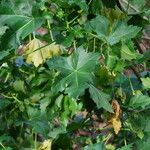
Malva assurgentiflora
Island mallow · Californian mallow · Island rose
Description
Source: leafsnapMalva assurgentiflora, commonly known as Island Mallow or Tree Mallow, is a perennial plant that belongs to the Malvaceae family. It is native to California's Channel Islands and can also be found in other coastal areas of California and Baja California. The plant can grow up to 6 feet tall and features a woody stem with large, lobed leaves that are green on top and grayish-white underneath. The flowers are pink or purple and have five petals that form a cup-shaped bloom. Island Mallow prefers full sun exposure but can tolerate partial shade. It thrives in well-drained soils but can also survive in poor soils, as long as they are not waterlogged. Native Americans have used the plant for medicinal purposes, treating conditions such as sore throats, coughs, wounds, and skin irritations. Island Mallow serves as an important food source for various wildlife, including birds and butterflies. It is also a popular ornamental plant in landscaping due to its attractive flowers. Overall, Malva assurgentiflora is a hardy perennial species with beautiful blooms that offer ecological benefits while enhancing the aesthetic appeal of gardens and landscapes.
Care Guide
💧 Water Every 7 days
Island mallow flourishes in coastal areas where there's a steady supply of moisture, preferring moderate levels of hydration. To replicate its natural environment, it should be watered weekly. As an evergreen plant, island mallow grows best outdoors where it can benefit from natural rainfall, which helps maintain its lush foliage throughout the year.
☀️ Light Full sun
Island mallow does best in locations with strong, abundant sunlight for most of the day. It can tolerate lower levels of sun, but not a complete absence of it. Its native habitat consists of areas with plentiful sun. Too much or too little sunlight can impede its healthy growth.
What are the sunlight requirements for Island mallow?
Island mallow requires robust and abundant sunlight for most of the day to thrive, reflecting its origin in sunny environments. It needs full sun, defined as over 6 hours of sunlight daily, or partial sun, which amounts to about 3-6 hours of sunlight. However, too much or too little sunlight might hinder its growth. It's important to observe the movement of sunlight through your garden to find locations that offer the right balance of light and shade, promoting the plant's well-being.
How can artificial lighting be used for Island mallow?
Artificial lighting serves as an essential solution for Island mallow's growth when natural sunlight is insufficient, especially during winter or in less sunny spaces. For optimal growth under artificial light, it's recommended to choose the right type of light such as LED, which can be tailored to provide the specific wavelengths your plants need. Full sun plants require 30-50W/sq ft, partial sun plants need 20-30W/sq ft, and full shade plants need 10-20W/sq ft of artificial light. Position the light source 12-36 inches above the plant, mimicking natural sunlight, and ensure it receives 8-12 hours of light per day.
What symptoms indicate insufficient light for Island mallow?
Insufficient light can cause several noticeable symptoms in Island mallow, including smaller new leaves, leggy or sparse growth, accelerated leaf drop, and delayed or halted growth. Additionally, insufficient light can lead to lighter-colored new leaves, suggesting a lack of chlorophyll and essential nutrients. When exposed to too much light, symptoms like chlorosis, sunscald, leaf curling, wilting, and leaf scorching might occur, indicating damage and stress due to excessive sunlight exposure.
What solutions can alleviate light-related issues for Island mallow?
To address light-related issues in Island mallow, consider gradually moving indoor plants to sunnier locations to ensure they receive at least 6 hours of direct sunlight daily, utilizing a south-facing window for maximum exposure. For plants that are large or hard to move, using artificial light such as desk or ceiling lamps for at least 8 hours daily or investing in professional grow lights can be beneficial. Outdoors, gradually relocate plants to sunnier spots avoiding sudden changes to prevent sunburn. If sunlight is obstructed, prune trees or consider transplanting smaller plants to brighter locations with good drainage, predominantly during their dormant period in late winter or early spring.
🌡️ Temperature 20–37.8°C
Island mallow comes from areas with moderate temperatures. Its ideal temperature range is 68 to 100.4 °F (20 to 38 °C). To promote healthy growth across seasons, gradually adjust temperatures to suit its preferences.
What is the native climate of Island mallow?
Island mallow, or Malva assurgentiflora, is native to regions with moderate temperatures. It thrives in temperatures ranging between 68 to 100.4 °F (20 to 38 °C). Since it is extremely fond of heat, it requires careful attention during the change of seasons to ensure that it is gradually acclimated to temperature changes that match its preferences. During the colder months, particularly in autumn, it is advisable to move outdoor-grown Island mallows indoors, positioning them near bright windows while keeping them a safe distance from heaters. Throughout winter, maintaining the temperature above 20°C is crucial, as the plant is susceptible to damage at temperatures approaching 0°C.
How does low temperature affect Island mallow, and what are the solutions?
Island mallow is highly sensitive to low temperatures, flourishing best when the temperature remains above 20°C. It is vital to keep the plant above 0°C during winter to prevent damage. If temperatures drop below -5°C, the leaves may start to lighten in color, progressing to a brown or black tone after frost damage, accompanied by signs of wilting and drooping. Should frost damage occur, the affected parts of the plant should be trimmed off, and the plant should be moved immediately to a warm environment indoors for protection against the cold. For optimal growth and health, placing the Island mallow near a south-facing window ensures ample sunlight, but it should not be placed directly near heaters or air conditioning vents, as this can lead to excessively dry air around the plant.
How does high temperature affect Island mallow, and what solutions can help?
During the summer months, it is recommended that the temperature around Island mallow be kept below 38°C to prevent stress and damage to the plant. Exposure to temperatures above 43°C can cause the leaves to lighten in color and increase susceptibility to sunburn. To mitigate damage from high temperatures, sunburned and dried parts of the plant should be trimmed away. Moving the plant to a location that provides shade during the peak intensity of the midday and afternoon sun can also protect it. Adequate watering in the morning and evening will help keep the soil moist, further reducing stress on the plant under high temperatures.
💨 Humidity
🪴 Soil 6-7
🌱 Fertilizer
Proper fertilization is vital for Island mallow's health and appearance. Fertilize Island mallow during summer, repeating the application monthly throughout the season. Nutrients fuel growth and help maintain the plant's components. Fertilization boosts Island mallow's flower display, ensuring the best blooms.
🪴 Pot & Repot 2-3 years
Repot your island mallow every 2-3 years in the spring to support its growth and improve its blooms. Choose a pot that is slightly larger than the root ball. Keep the soil moist, but be careful not to overwater. Make sure the plant receives adequate sunlight. Taking proper care during repotting is essential for the island mallow to thrive.
✂️ Pruning
The island mallow is known for its large, glossy leaves and attractive pinkish-purple flowers. To maintain its health and appearance, it is best to prune the plant from late winter to early spring. Use sharp tools to cut away dead branches, which will promote better air circulation and light penetration. These steps not only enhance the plant's ornamental value but also support healthier growth and more abundant flowering. For specific advice tailored to your region, consult local horticultural resources.
🌿 Propagating
🐛 Diseases & pets
☠️ Toxicity
Characteristics
- Plant Type
- Herb, Shrub
- Life Cycle
- Perennial
- Genus
- Malva
- Family
- Malvaceae
- Hardiness Zone
- 9-11
- Mature Height
- 0.91 m to 3.96 m
- Mature Spread
- 3.05 m to 6.1 m
- Leaf Color
- Green, Blue, Yellow
- Leaf Type
- Evergreen
- Flower Color
- Pink
- Flower Size
- 2.54 cm to 5.08 cm
- Bloom Time
- All year round
- Planting Time
- Spring, Summer, Autumn, Winter
- Harvest Time
- All year round