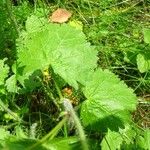
Malva moschata
پنیرک · Musk-mallow · Mauve Musquée · Musk Cheeseweed · Musk Plant
Description
Source: leafsnapMalva moschata, commonly known as musk mallow, is a perennial herbaceous plant belonging to the family Malvaceae. Native to Europe and Asia, it has also become naturalized in North America. The plant can grow up to 1 meter tall and features a woody base with multiple soft-haired stems. Its leaves are alternate, heart-shaped with serrated edges, and possess long petioles. The flowers of Malva moschata are either pink or white, boasting five petals that form a cup-shaped bloom up to 5 cm wide. They have a musky scent that attracts bees and butterflies for pollination. The plant produces fruit that is a round or oval-shaped capsule containing numerous seeds. Musk mallow prefers well-drained soil in full sun or partial shade but is capable of tolerating poor soil conditions and drought once established. It can be propagated by seeds or by dividing the root ball in spring. Historically, the plant has been used for its medicinal properties. Its anti-inflammatory attributes help soothe skin irritations such as eczema, psoriasis, and insect bites when applied topically. Additionally, musk mallow flowers can be used in culinary applications, such as making tea or adding a pleasant flavor to desserts, thanks to their sweet fragrance reminiscent of rose petals. Overall, Malva moschata is an attractive ornamental herbaceous perennial that adds beauty and fragrance to gardens while also offering medicinal benefits when used properly.
💡 Floriography, the proper term for the Victorian language of flowers, refers to a type of secret code that people used during the Victorian era and earlier. This coded form of communication allowed individuals to express feelings that might otherwise be considered inappropriate. For instance, the musk mallow, which represented a sweet disposition, was often given to young ladies.
🌳 Apart from their decorative role in gardens and wildflower mixes, musk mallow flowers have been investigated for their potential as a source of natural dye. The delicate hues obtained from musk mallow are prized by artisanal textile producers pursuing environmentally friendly dyeing methods.
🎭 Pleasant disposition
Care Guide
💧 Water Every 3 days
Musk mallow, native to temperate regions, thrives when it receives consistent moisture, though it can tolerate moderate drought. It's important to water it weekly, ideally in sync with natural rainfall in outdoor environments. As an herbaceous perennial, musk mallow requires sufficient water during the growing season to ensure optimal growth and blooming.
How should I water my Musk mallow plant?
To properly water the Musk mallow, it is recommended to use filtered water at room temperature or slightly warmer. Tap water may contain harmful particles, so filtered water is preferable. The Musk mallow is accustomed to warm conditions, so using cold water can be a shock to its system. It is also advisable to avoid overhead watering, as it can lead to issues with the foliage. Instead, gently water the soil with filtered room temperature water until it is thoroughly soaked. This helps to nourish the roots and promote their spread, aiding in the collection of necessary nutrients.
What do I do if I give my Musk mallow plant too much water or too little water?
Both overwatering and underwatering can harm the health of your Musk mallow, but overwatering is a more common problem. When Musk mallow receives too much water, its stems and leaves may wilt and turn yellow. Prolonged overwatering can also cause diseases like root rot, mold, and mildew, which can ultimately kill the plant. Underwatering is less likely but still possible for Musk mallow, as it can tolerate some drought. If underwatering occurs, the leaves may become brittle and brown. It is important to recognize the signs of overwatering early, as some diseases like root rot may become irreversible if not addressed promptly. If you notice early signs of overwatering, reduce watering immediately. Check the soil quality and replace it with a well-draining potting mix if it drains poorly. Conversely, if the Musk mallow shows signs of insufficient water, simply increase watering until the signs improve.
How often do I need to water my Musk mallow?
If your Musk mallow is in a pot, you can check if it needs water by sticking your finger in the soil. If the top two to three inches of soil are dry, it's time to water it. If you are growing your Musk mallow outdoors in the ground, you can use the same method to test the soil. If the top few inches of soil are dry, it's time to water it. Generally, in the spring and early fall, you'll need to water this plant about once per week using this method. However, during extremely hot weather, you may need to water it twice or even more per week. It's worth noting that mature and well-established Musk mallow plants can handle dry conditions well.
How much water does my Musk mallow plant require?
When watering your Musk mallow, don't be hesitant to give it a generous amount of water. Wait until the top few inches of soil are dry before watering and then make sure to fully saturate the soil. The water should be enough to flow through the drainage holes at the bottom of the pot. If you don't see excess water draining, it means you haven't watered enough. However, be careful not to let water accumulate in the soil, as this can harm the plant. On the other hand, if water isn't draining well from the pot, it could be due to poorly draining soils, which is bad for the plant. If the plant is outside, about 1 inch of rain per week should be sufficient.
How should I give water to my Musk mallow as it grows?
The water needs of the Musk mallow can vary depending on its growth stages. In the first few years and after transplanting, it requires more water because it is focused on developing new roots. These roots need extra moisture to support future growth. However, as the plant matures, it will need less water. Another stage that requires more water is during the blooming period when the flowers are developing. Providing more water during this time will help the Musk mallow thrive.
☀️ Light Full sun
Musk mallow grows best when given full sun. It can, however, tolerate limited sunshine. Its native habitat explains this preference for abundant sunlight. Too little light may impede its growth, while too much can also cause stress to the plant.
What are the sunlight requirements for Musk mallow?
Musk mallow requires full sun, which means it needs more than 6 hours of sunlight daily, but it can also survive in partial sun with about 3-6 hours of sunlight. It's essential to observe how sunlight moves through your garden to find the perfect spot that provides the right balance of light and shade for your plants. This balance ensures their health and happiness. Originating from habitats that receive abundant sunlight, Musk mallow has a strong affinity towards sunlight. However, too little sunshine might impede its growth, while too much can cause stress to the plant.
How can you supplement natural sunlight for indoor Musk mallow plants?
Indoor Musk mallow plants require adequate lighting, especially when natural sunlight is insufficient. Artificial lights can offer a vital solution, promoting healthier growth. LED lights, providing specific wavelengths of light, are ideal for this purpose. Full sun plants need 30-50W/sq ft, partial sun plants need 20-30W/sq ft, and full shade plants 10-20W/sq ft of artificial light. The light source should be placed 12-36 inches above the plant, simulating natural sunlight. The duration of artificial lighting should mimic natural daylight hours, generally 8-12 hours per day, ensuring the plants receive the optimal amount of light for healthy growth.
What are common symptoms of inadequate lighting for Musk mallow?
When Musk mallow is grown in inadequate lighting conditions, it may exhibit symptoms such as smaller new leaves compared to older ones, leggy or sparse growth, faster leaf drop, slower or no new growth, lighter-colored new leaves, chlorosis, and sunscald. Chlorosis is where leaves lose their green color, turning yellow due to chlorophyll breakdown, while sunscald appears as pale, bleached, or necrotic areas from intense sunlight exposure. Other symptoms include leaf curling as a defense mechanism to reduce water loss, wilting from excessive transpiration, and leaf scorching, characterized by brown, dry edges on leaves.
What solutions are available for Musk mallow experiencing inadequate sunlight?
For indoor Musk mallow plants, gradually move them to a sunnier location each week until they receive at least 6 hours of direct sunlight daily. A south-facing window is ideal, and keeping curtains open during the day maximizes sunlight exposure. If the plant is large or not easily movable, consider using artificial light, keeping a lamp on for at least 8 hours daily or investing in professional plant grow lights. For outdoor plants, similarly, move them gradually to sunnier spots to avoid sunburn, allowing them to adapt to increased light intensity. If sunlight is obstructed by trees or buildings, consider pruning or relocating smaller plants to areas with better sunlight exposure and good drainage during their dormant period, typically late winter or early spring.
🌡️ Temperature 5–32.2°C
Musk mallow comes from temperate regions and does best in temperatures of 68 to 95 °F (20 to 35 ℃). Seasonal temperature adjustments may be needed for vigorous growth. Remember to keep it cooler during winter.
What is the native environment for Musk mallow?
Musk mallow (Malva moschata) is native to temperate environments, specifically thriving in temperatures ranging from 68 to 95 °F (20 to 35 °C). This plant requires seasonal adjustments in temperature for strong growth, favoring cooler conditions during winter. Despite its strong cold resistance, requiring no special frost protection in most cases, it's crucial to provide additional care if winter temperatures are expected to drop below -30°C.
How should you protect Musk mallow in extremely cold winters?
In regions where winter temperatures are forecasted to plunge below -30°C, protecting Musk mallow becomes important. This protection can be provided by covering the plant with insulating materials such as soil or straw. Additionally, watering the plant abundantly before the first freeze in autumn ensures the soil around it remains moist and enters a frozen state, which helps in preventing drought and water scarcity during the winter and early spring months.
What are the symptoms and solutions for Musk mallow when exposed to low temperatures?
Musk mallow is remarkably tolerant of low temperatures, thriving best when it's maintained above 20°C and kept above 0°C during winter. However, exposure to temperatures below -30°C can lead to reduced or even absent sprouting in the spring, without notable changes during the winter. The recommended solution for this issue is to remove the parts of the plant that have failed to sprout in the spring.
What are the symptoms and solutions for Musk mallow when exposed to high temperatures?
During the summer, it's crucial to keep Musk mallow's temperature below 35°C. Temperatures exceeding 38°C can cause the leaves to lighten in color, curl, become prone to sunburn, and in severe cases, the entire plant may wilt and dry out. To alleviate these issues, you should trim away the sunburned and dried parts of the plant, relocate the plant to a shaded area, or use a shade cloth to protect it from direct midday and afternoon sun. Ensuring the soil remains moist by watering the plant in the morning and evening is also beneficial.
💨 Humidity
🪴 Soil 6-7
🌱 Fertilizer
One application of fertilizer in spring is typically adequate for Musk mallow, though multiple feedings can boost growth to its fullest. Fertilize every month to every one and a half months. Fertilization improves the leaves' appearance and function, helping to maintain uniform color and a healthy texture. It also promotes root development and nutrient uptake for sustained plant health.
Why should I put fertilizer on my Musk mallow?
The main structure of the Musk mallow is made up of its leaves. Fertilization is crucial for ensuring that these leaves look great and perform well. Proper fertilization will help the Musk mallow maintain consistent color and a healthy texture in its leaves. Additionally, fertilization also benefits the root system of the plant. It helps generate new roots and maintain existing ones, improving the plant's ability to absorb soil nutrients both now and in the future.
When should I fertilize my Musk mallow plant?
If you grow Musk mallow outdoors, it will start new growth in early spring. This is when you should begin fertilizing for the year. Normally, one round of fertilizer in spring is sufficient for Musk mallow. However, if you want to maximize growth, you can fertilize multiple times throughout spring and early summer. If you choose this option, feed your Musk mallow approximately once every month to a month and a half.
When is it not a good idea to fertilize my Musk mallow plant?
During the late fall and winter, your Musk mallow goes into a dormant phase and stops producing new growth. During this time, it's best to avoid fertilizing it. In the spring and summer, if you choose to fertilize it, start reducing the amount as summer approaches because the plant's growth rate slows down. It's not a good idea to fertilize your Musk mallow when the weather is unseasonably hot or when the soil is extremely dry. Fertilizing in those conditions can stress the plant and cause it to die early.
What kind of fertilizer does my Musk mallow plant need?
Choosing the best fertilizer for a Musk mallow is simple. These plants thrive on a general-purpose garden fertilizer with equal amounts of nitrogen, phosphorus, and potassium, such as a 10-10-10 ratio. Avoid high-nitrogen fertilizers if unsure. The best fertilizers are granular and slow-release, making them easy to apply to the soil. Additionally, using organic soil amendments like compost can be beneficial for feeding your Musk mallow.
How do I make my Musk mallow plant grow better?
To ensure healthy growth, wait until your Musk mallow sprouts its first leaves in early spring. Then, apply a balanced slow-release fertilizer to the soil around the plant's base. If desired, you can repeat this process later in the season. Remember to apply the fertilizer to the soil, not directly on the plant, which may involve moving some leaves to access the soil. Additionally, it's a good idea to water your Musk mallow before and after fertilizing.
🪴 Pot & Repot 2-3 years
When repotting Musk mallow, pick a pot 1-2 inches (2.5–5.1 cm) larger with good drainage. Use a well-draining potting mix. Repot in spring or fall, making sure the root ball sits slightly below the rim of the flower pot. Water thoroughly after repotting and keep it in a warm spot with indirect sunlight.
✂️ Pruning
Musk mallow is characterized by its soft pink flowers and finely divided leaves. To promote a bushier shape, practice deadheading and early-season pruning. The best time to prune is from early to late spring, which helps manage the plant's size and maintain its health, ensuring vibrant displays in your garden.
🌿 Propagating
🐛 Diseases & pets
☠️ Toxicity
Malva moschata has no toxic effects reported.
Characteristics
- Plant Type
- Herb
- Life Cycle
- Perennial, Annual
- Genus
- Malva
- Family
- Malvaceae
- Hardiness Zone
- 4-8
- Mature Height
- 0.3 m to 1.22 m
- Mature Spread
- 30 cm to 61 cm
- Leaf Color
- Green
- Leaf Type
- Deciduous
- Flower Color
- Pink, White
- Flower Size
- 3.30 cm to 5.08 cm
- Bloom Time
- Early summer, Mid summer
- Planting Time
- Spring
- Harvest Time
- Mid summer
- Native Area
- Turkey, Austria, Slovakia, Montenegro, Croatia, Slovenia, Belarus, Russia, Germany, Romania, Belgium, France, Netherlands, Czech Republic, Bulgaria, Poland, Greece, Ukraine, Serbia, Italy, Spain, Switzerland, Albania, United Kingdom