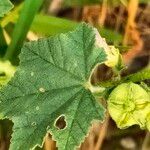
Malva nicaeensis
Mallow-of-Nice · French mallow · Bull mallow · Southern Mallow · Bull Cheeseweed
Description
Source: leafsnapMalva nicaeensis is a species of flowering plant in the mallow family known by the common names bull mallow and French mallow.
Care Guide
💧 Water
Bull mallow thrives in temperate regions and requires moderate watering to maintain consistent moisture without becoming waterlogged. While it can endure short periods of dryness, it prefers well-drained, humid soils. Watering the plant weekly is recommended, especially during the active growing season, to ensure optimal growth and vitality.
How should I water my Bull mallow plant?
To water Bull mallow, there are several options you can choose from. You can use a garden hose with a spray nozzle, a watering can, or any other common watering tool. This plant is not very particular about the type of water it receives - it can survive on rainwater, tap water, or even filtered water. However, it's generally best to avoid watering from overhead, as this can harm the leaves and flowers and potentially lead to disease. Instead, it's often recommended to set up a drip irrigation system, which works well for Bull mallow as it provides even and direct water to the soil. If you have a Bull mallow growing in a container, you can use a similar watering approach but with different tools. To water a container-grown Bull mallow, simply use a cup, watering can, or tap water to apply water directly to the soil.
What should I do if I give my Bull mallow too much water or too little water?
If you notice that your Bull mallow lacks moisture, the remedy is simple: water it more regularly. On the other hand, overwatering can be a serious problem. If your Bull mallow is overwatered, it can become vulnerable to diseases that may lead to its decline and death. To prevent this, it's important to choose a suitable location for your plant that receives plenty of sunlight and has good drainage. This will help dry the soil and prevent water from pooling. If you have overwatered a Bull mallow that is in a pot, consider changing it to a new pot with better drainage. When repotting, use loose soil and a pot that drains efficiently.
How frequently do I need to water my Bull mallow plant?
Bull mallow needs regular watering throughout the growing season. In the spring, water about once a week. As the season gets warmer, you may need to water two to three times a week. It's important not to exceed this watering rate as it can harm the plant. Keep the soil moist but not wet. If you have a potted Bull mallow, you'll need to water it more often as the soil in a pot dries faster. Generally, water a container-grown plant a few times per week, compared to just once a week for an in-ground plant.
How much water does my Bull mallow plant need?
Here are some tips for determining how much water to give to your Bull mallow: 1. Soil Feeling Method: Some gardeners prefer to assess the soil moisture by touching it. This method suggests watering until the top six inches of soil feel moist. 2. Set Measurement Method: Another approach is to use a specific measurement. Generally, Bull mallow plants require about two gallons of water per week, depending on the temperature and how quickly the soil dries out. However, be cautious not to overwater if your plant needs less than two gallons per week. 3. Container Growing: When growing Bull mallow in a container, a different method is necessary. Make sure to water enough to wet all the dry layers of soil. You can check the moisture level by sticking your finger into the soil, or water until you observe a slight excess water drainage from the pot holes.
How can I know if I'm watering my Bull mallow enough?
Avoiding overwatering your Bull mallow can be somewhat challenging due to its deep root system that requires weekly soil moistening. However, Bull mallow is highly prone to root rot and browning if overwatered. Underwatering is less of a concern as these plants can survive without additional watering for some time. Nevertheless, if deprived of water for too long, the plant may wilt and its leaves may become dry.
☀️ Light Full sun
The bull mallow does best with plenty of sunlight, which is essential for its healthy growth. It comes from environments where sunshine is abundant. Nonetheless, bull mallow can also adjust to situations in which the sun is somewhat reduced. Excessive shade can impede growth, while too much sun may scorch some leaves.
What are the sunlight requirements for Bull Mallow?
Bull mallow requires full sun, meaning it thrives best in environments with above 6 hours of direct sunlight daily. However, it can also adapt to partial sun conditions, where it would receive about 3-6 hours of sunlight. It's essential to observe how sunlight moves through your garden to find the perfect spot that provides the right balance of light and shade, ensuring the plant's health and happiness.
Can Bull Mallow grow with artificial lighting, and how?
Yes, Bull Mallow can grow with artificial lighting, especially when natural sunlight is insufficient. Indoor plants should consider using LED lights, which can be customized to provide specific wavelengths needed for the plant's growth. For optimal growth, full sun plants require 30-50W/sq ft, partial sun plants need 20-30W/sq ft, and full shade plants should have 10-20W/sq ft of artificial light. The light source should be placed 12-36 inches above the plant to mimic natural sunlight, and the duration should mimic natural daylight hours, generally 8-12 hours per day.
What are the common symptoms of light deficiency or excessive exposure in Bull Mallow?
Bull mallow exposed to inadequate light may show symptoms such as smaller new leaves, leggy or sparse growth, faster leaf drop, slower or no new growth, and lighter-colored new leaves. Excessive sunlight can cause chlorosis, sunscald, leaf curling, wilting, and leaf scorching. These symptoms indicate the plant's struggle with the imbalance of light, affecting its ability to grow healthily.
What are effective solutions for Bull Mallow struggling with light conditions?
For indoor Bull Mallow, gradually move the plant to a sunnier location each week until it receives at least 6 hours of direct sunlight daily. If moving the plant isn't feasible, consider using artificial light, keeping it on for at least 8 hours daily. Outdoors, find the best spot for sunlight exposure, making adjustments gradually to avoid sunburn. Reducing obstructions, like pruning trees, can help increase sunlight. If transplanting smaller plants, do so during their dormant period, ensuring a location with ample sunlight and good drainage. Remember, while parts of the plant affected by insufficient light may not recover, new growth should be healthy with improved light conditions.
🌡️ Temperature 10–35°C
For Bull mallow, moderate temperatures similar to what people typically find comfortable are ideal. It prefers conditions that are neither excessively hot nor cold. The main concern with high temperatures is the risk of sunburn, so in summer it's recommended to provide some shade to prevent excessive heat. When temperatures fall, Bull mallow becomes dormant. To maintain continuous growth, higher temperatures must be kept during the winter. Frost can damage the plant and should be avoided.
What is Bull Mallow?
Bull Mallow, with its botanical name Malva nicaeensis, is the focus of this information. However, details regarding its essentials, symptoms, or additional attributes have not been provided at this time.
💨 Humidity
🪴 Soil 6-7
🌱 Fertilizer
To maximize yield and flavor of Bull mallow, provide ample nitrogen during the entire growth cycle, from pre-planting through harvest. Plants that are well watered and fertilized develop abundant, healthy leaves and have less bitterness. Before planting, amend the soil with organic matter such as compost or manure, preferably 2 to 8 weeks beforehand.
🪴 Pot & Repot
✂️ Pruning
Bull mallow is a resilient, herbaceous plant with rounded, lobed leaves and pinkish-purple flowers. To manage its growth and improve airflow—thus reducing the risk of disease—prune the plant in early to late spring. For detailed pruning techniques tailored to your local climate, refer to horticultural guides.
🌿 Propagating
🐛 Diseases & pets
☠️ Toxicity
Characteristics
- Plant Type
- Herb
- Life Cycle
- Annual, Biennial
- Genus
- Malva
- Family
- Malvaceae
- Hardiness Zone
- 6-9
- Mature Height
- 49 cm
- Mature Spread
- 30 cm to 61 cm
- Leaf Color
- Light Green, Forest Green
- Leaf Type
- Semi-evergreen
- Flower Color
- Pink
- Flower Size
- 1.27 cm to 1.52 cm
- Bloom Time
- Late spring, Summer
- Planting Time
- Spring
- Harvest Time
- Mid summer, Late summer, Early fall, Mid fall
- Native Area
- Libya, Egypt, Turkey, Tajikistan, Tunisia, United Arab Emirates, Cyprus, Bulgaria, Armenia, Greece, Croatia, Slovenia, Morocco, Lebanon, Uzbekistan, Russia, Afghanistan, Iraq, Portugal, Syria, Italy, Spain, Iran, Albania, Azerbaijan, Algeria, Qatar, Turkmenistan, France