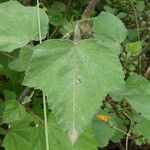
Malva olbia
Lavatera · Tree lavatera · Hyeres Tree-mallow
Description
Source: leafsnapMalva olbia, commonly known as Italian Mallow, is a perennial plant belonging to the Malvaceae family. Native to Italy and other parts of Europe, it has been introduced worldwide as an ornamental plant. The plant can grow up to 1 meter tall and features a bushy appearance with deeply lobed, green leaves. Its flowers are pink or purple, with five petals forming a cup-shaped bloom. Italian Mallow thrives in well-drained soil with full sun exposure but can also tolerate partial shade. It blooms from late spring through summer, attracting bees, butterflies, and other pollinators with its nectar-rich flowers. For centuries, Italian Mallow has been valued for its medicinal properties, particularly its anti-inflammatory effects. The leaves can be used topically or brewed into tea for internal use. Overall, Malva olbia is a visually appealing perennial that adds vibrant color to any garden while offering medicinal benefits.
Care Guide
💧 Water Every 7 days
The Mediterranean mallow is well-suited to Mediterranean climates, thriving in drier soils due to its drought tolerance. It should be watered every 2-3 weeks, ensuring the soil is allowed to dry out between waterings. When grown indoors, the plant benefits from bright light, which promotes growth and meets its moderate water requirements without causing excess moisture.
How should I water my Mediterranean mallow plant?
To ensure excellent root development, consider these watering tips for your plants: - Place a garden hose at the base of the plant instead of directly spraying the leaves. If the plants are outdoors and receive direct sunlight, the leaves may need more watering. - Use bubblers to moisten the roots of each plant or soaker hoses that cover the entire garden or bed. This will help push the roots deeper into the soil. - After adding or removing plants, make sure to drain any excess water and allow the soil to dry before watering again. - When watering, it's best to water at ground level to prevent diseases from spreading. - On sunny days, consider spraying the entire bush with water. - Whether your plants are potted or in the ground, keep in mind that Mediterranean mallow prefers deep watering rather than light sprinkling.
What can happen if I give Mediterranean mallow too much or too little water?
An overwatered Mediterranean mallow will have yellow leaves that eventually drop off and wilt. The plant may also appear dull and unhealthy, with mushy stems. If you notice these signs, adjust your watering schedule accordingly. However, wilting can also indicate under watering, which results in crispy and dry leaves. In this case, check the soil and provide a thorough watering when it's dry. This will help the Mediterranean mallow recover, but it may still show dryness and yellow leaves for a few days due to root damage. Once the plant returns to normal, the yellowing of leaves will stop. When growing the Mediterranean mallow indoors, always check the moisture levels in the pot and avoid overwatering. Look out for black spots, and if present, allow the soil to dry by withholding watering for a few days. Overwatering can cause root rot, so transfer the plant to a different pot if you observe discolored and slimy roots. Prevent root rot by avoiding excessively soggy soil. When planting the Mediterranean mallow outdoors, ensure the soil is adequately moist by checking with your fingers. If the soil feels too dry, it may indicate underwatering, and you should provide adequate watering to aid in the plant's recovery.
How many times do I need to water my Mediterranean mallow?
The Mediterranean mallow prefers deep and infrequent watering. If planted in pots, it is important to soak them in a gallon of water each time, as the water storage in pots is limited and the soil dries out quickly. In cold regions, watering is necessary every 3 to 5 days. It is best to water the plants early in the morning when the soil is dry, both outdoors and indoors. Checking the soil moisture is also helpful - if the top 2-3 inches of soil are dry, it's time to water the plant thoroughly. During hot days, checking the moisture daily might be necessary as the heat can rapidly dry out the pot soil. If you have a garden, irrigating the soil is important too. In hot climates, watering once a week is advised. Only water when you notice about 2 to 3 inches of soil becoming too dry, indoors or outdoors. Be mindful of rainwater on the plant and avoid overwatering to prevent root rot. If there is sufficient rainfall, additional watering may not be necessary. Mediterranean mallow usually grows during spring and fall. When outdoors, adding a 3 to 4-inch layer of mulch can help conserve water. Sandy soil requires more frequent watering due to its quick drainage, while clay soil requires less frequent watering to prevent root rot. It may be helpful to mark the watering dates on a calendar and pay attention to any drooping leaves, which could indicate a need for sooner watering.
How much water should I give my Mediterranean mallow plant?
The Mediterranean mallow typically requires a gallon of water on a regular schedule. For potted plants, water them deeply until water is dripping from the bottom of the pot. Allow the soil to dry before watering again. To determine the amount of water given to your plant in a week, use a water calculator or moisture meter. During the flowering period, provide sufficient water but allow it to evaporate to prevent root rot. If the Mediterranean mallow is planted outdoors with enough rainfall, it may not need additional watering. However, when the plant is young or newly planted, make sure it receives 1-2 inches of rain per week. As the Mediterranean mallow grows, it can rely solely on rainfall. Only water it fully during cooler moments of the day if there is extreme heat or no rainfall for 2-3 weeks to prevent heat damage. Additional watering will be necessary during prolonged dry spells.
Do I need to water my Mediterranean mallow more or less depending on the time of year or the weather?
The Mediterranean mallow prefers rainwater but may need watering during persistent dry weather. In the spring and fall, the soil should be kept moist but not soaked to promote growth. During the summer, hot weather and lack of rain may require more frequent watering to keep the plant moist. In winter, the plant needs less water as it becomes dormant. Good drainage is important throughout the year, especially in winter. When potted, the plant has limited root growth and should be well-watered in summer to avoid cold and wet roots. Deep soakings once or twice a week are preferred over shallow sprinkles. Avoid allowing the plants to dry out completely in fall or winter. Excessive water can lead to plant death in winter, so ensure proper drainage. Applying mulch can help conserve water and promote healthy blooms.
☀️ Light Full sun
Mediterranean mallow does best when it gets uninterrupted sun all day, though it can tolerate stretches of shaded light. Coming from a bright-light environment, the plant's health and growth can suffer if light is insufficient or excessive, leading for example to changes in leaf color or diminished flowering.
How many hours of sunlight per day does Mediterranean mallow need to grow healthily?
To ensure healthy growth, Mediterranean mallow should receive at least 3-6 hours of sunlight each day. This is the minimum requirement, but most plants that tolerate some shade can also do well in full sun. These plants are more adaptable because they need less light for photosynthesis compared to those that require full sun or partial shade.
What kind of sunlight does Mediterranean mallow require?
To ensure the optimal growth of Mediterranean mallow, it thrives when exposed to either full or partial sun. Specifically, it thrives when it receives direct morning light. However, during the summer, it is crucial to protect the plant from the intense afternoon sun as an excess of hot afternoon sun can lead to burnt leaves and negatively impact its appearance and overall health.
Can the sun harm Mediterranean mallow plants? How can you keep Mediterranean mallow safe from sun and heat damage?
When Mediterranean mallow plants are moved from indoors to outdoors, they can easily get damaged by direct sunlight. To prevent this, it's best to gradually move the pots from a shaded area to a brighter spot. However, it's important to note that even if the plants are used to the summer sun, they can still be harmed by intense heat. During a heatwave, it's crucial to keep the soil consistently moist to help the plants handle the excessive heat. To protect the sensitive Mediterranean mallow during extreme weather events, you can either move the plants in containers to areas with afternoon shade or use a shade cloth to cover them.
Should I keep Mediterranean mallow away from the sun?
Mediterranean mallow benefits from bright morning sun and some full sun exposure. However, it cannot handle the harsh, hot midday sun of summer. If planted in the ground, the plant will gradually adapt to the increasing intensity of the summer sun. However, when a potted plant is moved from indoors or a protected location to a spot with direct summer sun in the hottest part of the day, it can suffer injury. To protect the plant from the strong afternoon sun, it is best to plant or place it in a location that is shaded at midday. This can be achieved by positioning it under taller trees or plants, or by using a building or landscape feature for shade.
What happens if Mediterranean mallow doesn't get enough sunlight?
If Mediterranean mallow doesn't get enough sunlight, it may appear pale green or have drooping, yellow leaves. While losing some leaves is normal, it's concerning if the plant is not growing new ones to replace them. Inadequate light can also result in weak, pale new growth that attracts insects. To improve the plant's health, it is important to take note of these signs and adjust the lighting conditions accordingly.
🌡️ Temperature 5–35°C
Mediterranean mallow is native to regions with mild climates and thrives best in temperatures ranging from 41 to 95 °F (5 to 35 °C). Seasonal temperature variations should be taken into account for optimal growth.
What is the ideal temperature range for Mediterranean mallow?
Mediterranean mallow thrives in regions with mild climates, ideally flourishing within a temperature range of 41 to 95 °F (5 to 35 °C). Seasonal adjustments in temperature should be taken into consideration for optimal growth. This plant exhibits strong cold resistance, thus special frost protection measures are not typically necessary during winter. However, abundant watering before the first freeze in autumn is recommended to ensure the soil remains moist and enters a frozen state, which helps prevent drought and water scarcity during winter and early spring.
How does low temperature affect Mediterranean mallow and what are the solutions?
Mediterranean mallow is cold-tolerant and best thrives when the temperature is kept above 5°C. During winter, temperatures should be kept above -20°C. Exposure to temperatures below -25°C might not show immediate changes during winter, but in spring, the branches may become brittle, dry, and fail to produce new shoots. The solution for this situation involves pruning away any dead branches in the spring that have failed to produce new leaves.
What are the effects of high temperature on Mediterranean mallow and how can they be mitigated?
During the summer, it is essential to maintain the temperature below 35°C for Mediterranean mallow. When temperatures exceed 38°C, the leaves can lighten in color, tips may dry and wither, and the plant becomes more susceptible to sunburn. Solutions include trimming away the sunburned and dried-up parts, moving the plant to a shaded location, especially from the midday and afternoon sun, or using a shade cloth. Additionally, watering the plant in the morning and evening will help keep the soil moist and assist in prevention of further damage.
💨 Humidity
🪴 Soil 6-7
🌱 Fertilizer
The timing of fertilizing Mediterranean mallow is important. Fertilize in early spring and then once a month through early summer. Fertilizer promotes attractive blooms and provides energy during both dormant and active growth phases.
🪴 Pot & Repot
✂️ Pruning
Mediterranean mallow is a hardy perennial plant that produces pink or white flowers. To encourage growth and flowering, it's best to prune it in early spring. Start by removing any dead branches and thinning out crowded areas to improve airflow. By cutting above healthy buds, you can promote a bushier plant, which enhances its vigor and ornamental appeal.
🌿 Propagating
🐛 Diseases & pets
☠️ Toxicity
Characteristics
- Plant Type
- Shrub
- Life Cycle
- Perennial
- Genus
- Malva
- Family
- Malvaceae
- Hardiness Zone
- 5-9
- Mature Height
- 0.91 m to 3.05 m
- Mature Spread
- 0.91 m to 1.22 m
- Leaf Color
- Green, Blue
- Leaf Type
- Deciduous
- Flower Color
- Pink, Purple, Red
- Flower Size
- 5.08 cm to 6.35 cm
- Bloom Time
- Late spring, Early summer, Mid summer
- Planting Time
- Spring, Autumn
- Harvest Time
- Mid summer
- Native Area
- Libya, Tunisia, Portugal, Italy, Spain, Algeria, Morocco, France