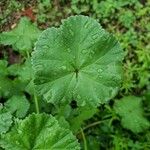
Malva pusilla
پنیرک برگ گرد · پنیرک · Dwarf mallow · Small mallow · Low mallow
Description
Source: leafsnapMalva pusilla, also known as Malva rotundifolia (the latter of which is now officially rejected by botanists), the low mallow, small mallow, or the round-leaved mallow, is an annual and biennial herb species of the Mallow genus Malva in the family of Malvaceae. Malva is a genus that consists of about 30 species of plants. This genus consists of plants named mallows. Mallows grow in many regions, including temperate, subtropical, and tropical areas.
🎭 Affection, protection and health, guardian of a home, national and spiritual roots
Care Guide
💧 Water Every 3 days
Low mallow thrives in temperate regions where there is moderate moisture. It prefers soil that remains consistently hydrated but not waterlogged. To keep it healthy, it should be watered weekly. Although it is usually grown outdoors, the plant's growth season depends on receiving enough rainfall or supplemental watering to maintain its vitality.
How should I water my Low mallow plant?
There are a few different ways you can water Low mallow plants. You can use a garden hose with a spray nozzle, a watering can, or any other common watering tool you have. Low mallow isn't too particular about the type of water it receives - it can survive on rainwater, tap water, or filtered water. However, it's generally best not to water this plant from above as it can harm the leaves and flowers and might even lead to disease. Instead, setting up a drip irrigation system works well for watering Low mallow plants as it provides even and direct water to the soil. If you have a Low mallow growing in a container, you can use a similar method but adjust the tools you use. Simply use a cup, watering can, or tap water to directly water the soil in the container.
What should I do if I give my Low mallow plant too much water or too little water?
To address the issue of underwatering Low mallow, the solution is simple. When you notice your plant is lacking moisture, water it regularly. However, overwatering can be more problematic. If not detected early, it can lead to diseases, decline, and ultimately death of the plant. To prevent this, choose a suitable location with ample sunlight to dry the soil and good drainage to prevent waterlogging. If you have overwatered a potted Low mallow, consider transferring it to a new pot with better drainage. When repotting, use loose soil and a pot that drains efficiently.
How frequently should I water my Low mallow plant?
Low mallow requires regular watering throughout the growing season. In the spring, water once a week, but as the season progresses and it gets warmer, you may need to water two to three times a week. However, exceeding this rate can harm the plant. It's important to keep the soil moist but not wet, regardless of how often you water. When it comes to potted low mallow, you should increase the watering frequency compared to ground plants, as the soil in pots can dry out faster. In most cases, water container-grown low mallow a few times per week, rather than just once per week for in-ground plants.
How much water does my plant called Low mallow need?
Determining the appropriate amount of water for your Low mallow can be done in a few different ways. One option is to gauge soil moisture by feeling it with your hands. This method suggests watering until the top six inches of soil feels damp. Another approach is to use a specific measurement. Typically, a Low mallow requires around two gallons of water per week, but this can vary based on temperature and how quickly the soil dries out. However, sticking strictly to this guideline may lead to overwatering if your plant needs less water. When growing a Low mallow in a container, a different method is required. In this case, watering should be enough to moisten all dry layers of soil. You can check this by inserting your finger into the soil or noticing a slight trickle of excess water coming out of the pot's drainage holes.
How can I know if I'm giving enough water to my Low mallow plant?
Avoiding overwatering Low mallow can be quite challenging. While these plants need to have their soil moistened weekly due to their deep roots, they are also highly prone to root rot. Overwatering can result in browning of the plant. Underwatering is less of a concern, as Low mallow can survive without regular watering for some time. However, if you neglect to provide water for too long, the plant will likely wilt, and the leaves may become dry.
☀️ Light Full sun
Low mallow performs best when exposed to plentiful sunlight each day. It can, however, tolerate environments with reduced light. Both excess and insufficient sunlight can affect its health and growth. Since it originates from areas with abundant sun, it requires adequate sunlight throughout its different growth stages.
What are the sunlight requirements for Low Mallow?
Low Mallow (Malva pusilla) thrives with substantial amounts of daily sunlight exposure but can also withstand environments with lesser sunlight. The plantbenefits from full sun, defined as above 6 hours of sunlight daily, or partial sun, about 3-6 hours of sunlight. It's important to monitor the sunlight's movement through your garden to find the optimal balance of light and shade, ensuring your plants grow happy and healthy. During stages where natural sunlight is insufficient, such as winter or in less sunny spaces, artificial lighting can compensate. LED lights are recommended for their ability to be customized to the specific needs of the plant, with 30-50W/sq ft for full sun plants, 20-30W/sq ft for partial sun plants, and 10-20W/sq ft for full shade plants.
What symptoms indicate that Low Mallow is not getting enough light?
When Low Mallow does not receive enough light, several symptoms may appear. These include smaller new leaves, leggy or sparse growth, faster leaf drop, and a halt in new growth altogether, indicating the plant has entered survival mode due to inadequate light. Leaves may also show signs of chlorosis, turning yellow due to a breakdown of chlorophyll, which affects photosynthesis. Insufficient light can also lead to lighter-colored new leaves, indicating a lack of chlorophyll and essential nutrients. Careful monitoring for these signs is key to ensuring Low Mallow's health and growth.
How does excessive sunlight affect Low Mallow?
Excessive sunlight can lead to several adverse effects on Low Mallow, including chlorosis, where leaves lose their green color, and sunscald, showcasing damage with pale, bleached areas on the plant tissue. Symptoms like leaf curling and wilting are defense mechanisms against overexposure, aiming to minimize water loss. Leaf scorching, identified by brown and crispy leaf edges, indicates reduced photosynthesis and overall plant health. It's crucial to provide the right amount of sunlight to avoid these detrimental effects.
What solutions can help Low Mallow with insufficient or excessive sunlight?
To address insufficient sunlight, gradually move Low Mallow to a sunnier location each week, aiming for at least 6 hours of direct sunlight daily. Utilize a south-facing window and keep curtains open during the day for natural light or use artificial lights for at least 8 hours daily if necessary. Outdoor plants should also be moved gradually to prevent sunburn, and for plants on the ground, reducing obstructions like pruning trees can help. Unfortunately, parts of the plant already damaged by insufficient sunlight may not recover, but new growth will be healthy with increased light exposure. It's essential to carefully manage the plant's light environment to ensure its health and growth.
🌡️ Temperature 10–35°C
Low mallow thrives in areas where average temperatures range from 68 to 95 °F (20 to 35 °C). Because it originates from temperate regions, it is advisable to provide suitable protection if local temperatures fall or rise markedly.
What are the ideal temperature conditions for growing Low Mallow?
Low Mallow, with its botanical name Malva pusilla, is well-suited for regions that maintain average temperatures between 68 to 95 °F (20 to 35 °C), indicative of its temperate climate origins. To ensure the plant thrives, it's recommended to protect it when local temperatures deviate significantly from its ideal range. Interestingly, Low Mallow exhibits strong cold resistance and generally does not require special frost protection measures in winter. However, in conditions where winter temperatures are expected to plummet below -25°C, providing cold protection by covering the plant with soil or straw is advisable. To further aid its cold weather survival, watering the plant generously before the first freeze of autumn to keep the soil moist is encouraged, as it helps prevent drought and water scarcity during the colder seasons.
How does Low Mallow react to temperature variations?
Low Mallow displays remarkable resilience across varying temperatures. For cold temperatures, it's noteworthy that while the plant is cold-tolerant and performs optimally above 20°C, maintaining a temperature above 0°C during winter is crucial. Should temperatures drop below -25°C, the plant may not show immediate distress during winter, but a decrease in springtime sprouting or even a complete lack of sprouting can occur. In such cases, removing any parts that fail to sprout in spring is recommended. Conversely, in high temperatures exceeding its comfort zone of below 35°C, specifically beyond 38°C, the plant can exhibit signs of stress such as lighter leaf coloration, curling leaves, susceptibility to sunburn, and in severe cases, wilting and drying. To mitigate these effects, trimming sunburned and dried parts, relocating the plant to a shaded area, or utilizing a shade cloth, alongside watering in the morning and evening, can help maintain plant health.
💨 Humidity
🪴 Soil 6-7
🌱 Fertilizer
Low mallow benefits from frequent, weak fertilizer applications to encourage healthy leaf growth. You should fertilize Low mallow about once a month during the summer months. Nitrogen is essential for foliage, and adding nitrogen-rich sources helps Low mallow thrive.
🪴 Pot & Repot
✂️ Pruning
Low mallow benefits from occasional pruning in late winter or early spring, after the frosts have passed. To encourage dense growth, trim the shoots back to the first set of leaves. Be sure to use clean, sharp shears, and disinfect your tools between cuts to prevent cross-contamination.
🌿 Propagating
🐛 Diseases & pets
☠️ Toxicity
Characteristics
- Plant Type
- Herb
- Life Cycle
- Annual, Biennial
- Genus
- Malva
- Family
- Malvaceae
- Hardiness Zone
- 6-9
- Mature Height
- 25 cm to 49 cm
- Mature Spread
- 49 cm
- Leaf Color
- Green
- Leaf Type
- Deciduous
- Flower Color
- Lavender
- Flower Size
- 0.76 cm
- Bloom Time
- Late spring, Early summer, Mid summer
- Planting Time
- Spring
- Harvest Time
- Summer
- Native Area
- Turkey, Sweden, Austria, Slovakia, Montenegro, Slovenia, Croatia, Belarus, Uzbekistan, Russia, Iraq, Estonia, Romania, Latvia, Belgium, Netherlands, Tajikistan, Bulgaria, Armenia, Poland, Greece, Ukraine, Serbia, Lithuania, Afghanistan, Kyrgyzstan, Kazakhstan, Italy, Mongolia, Iran, Azerbaijan, Hungary, Turkmenistan