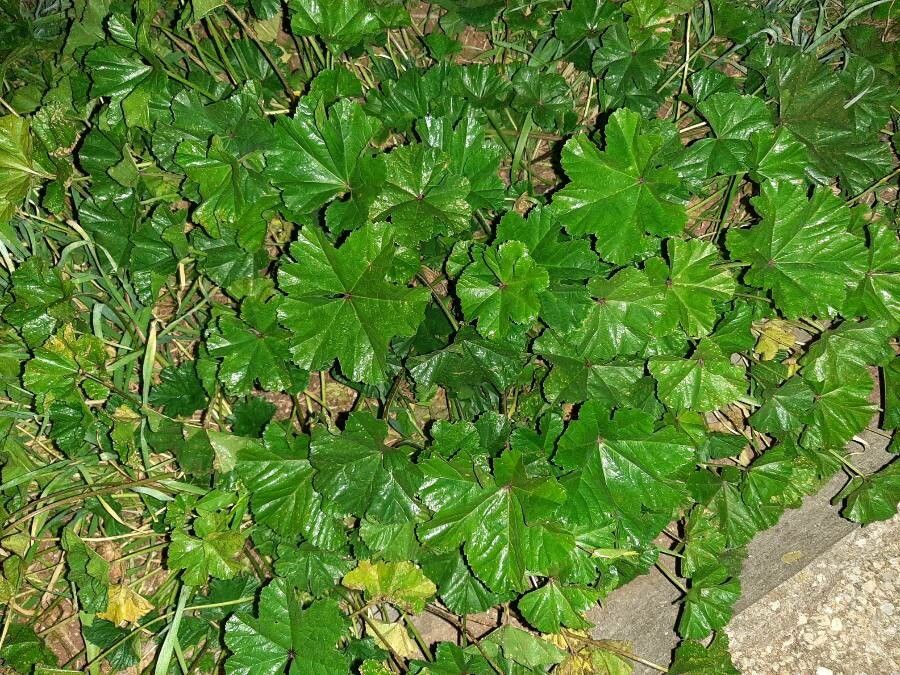
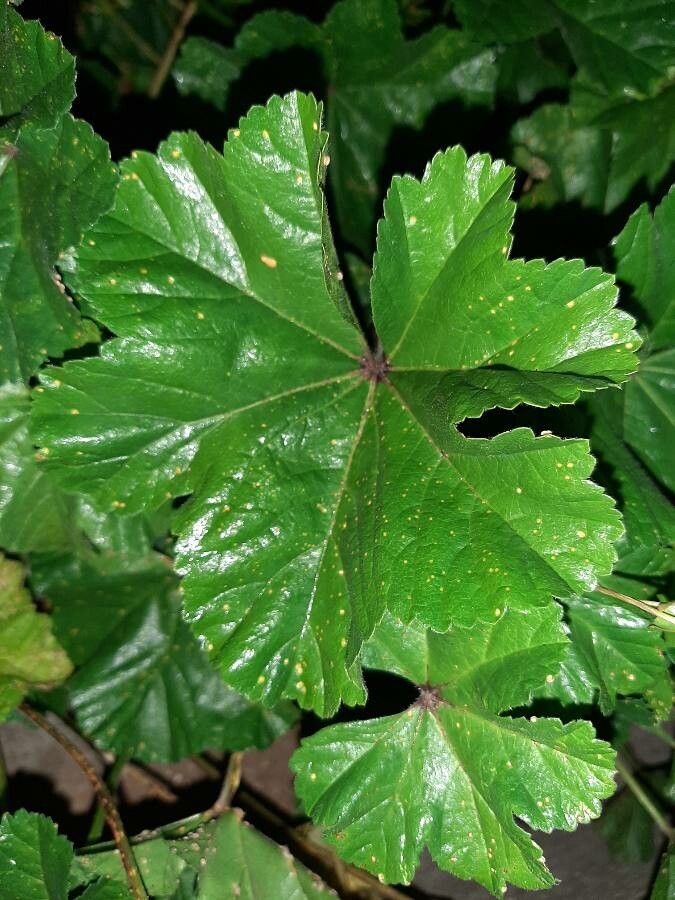
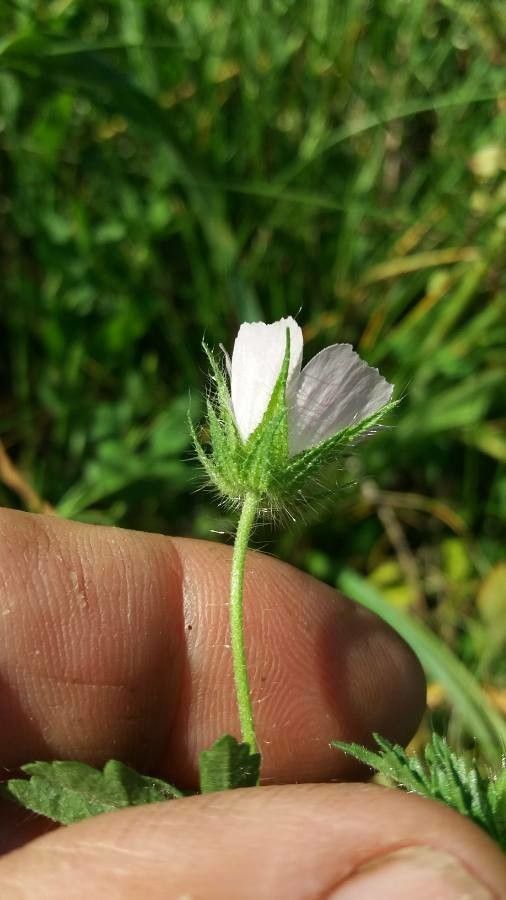
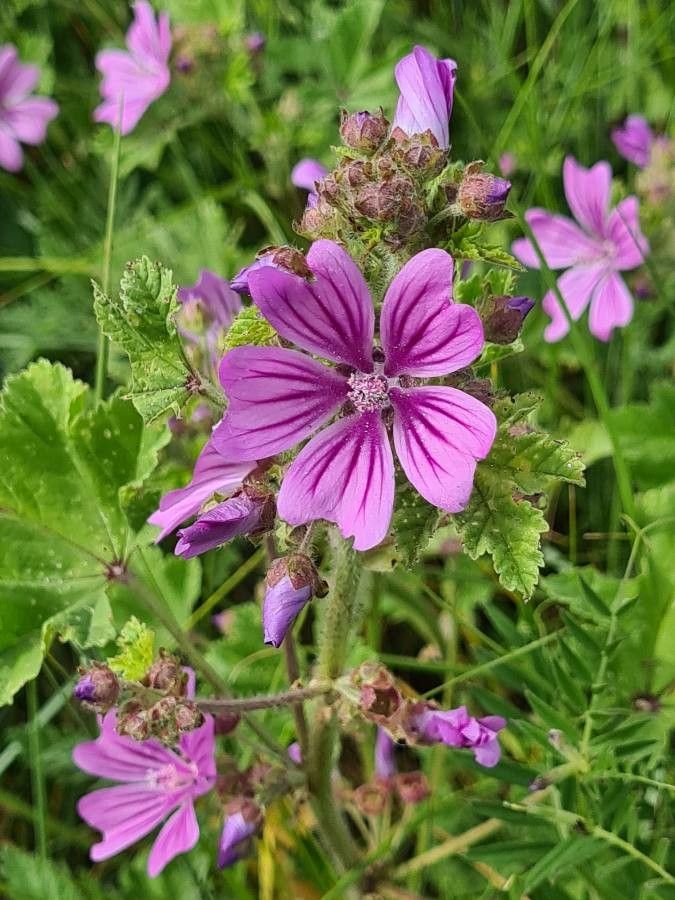
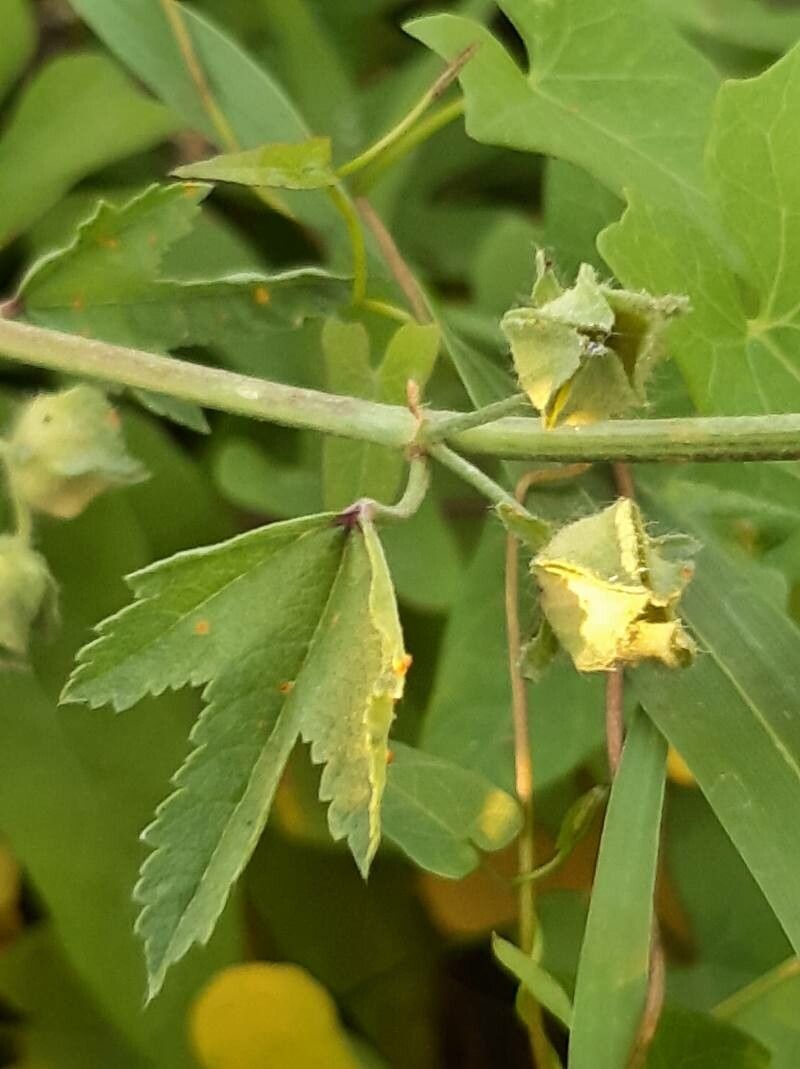
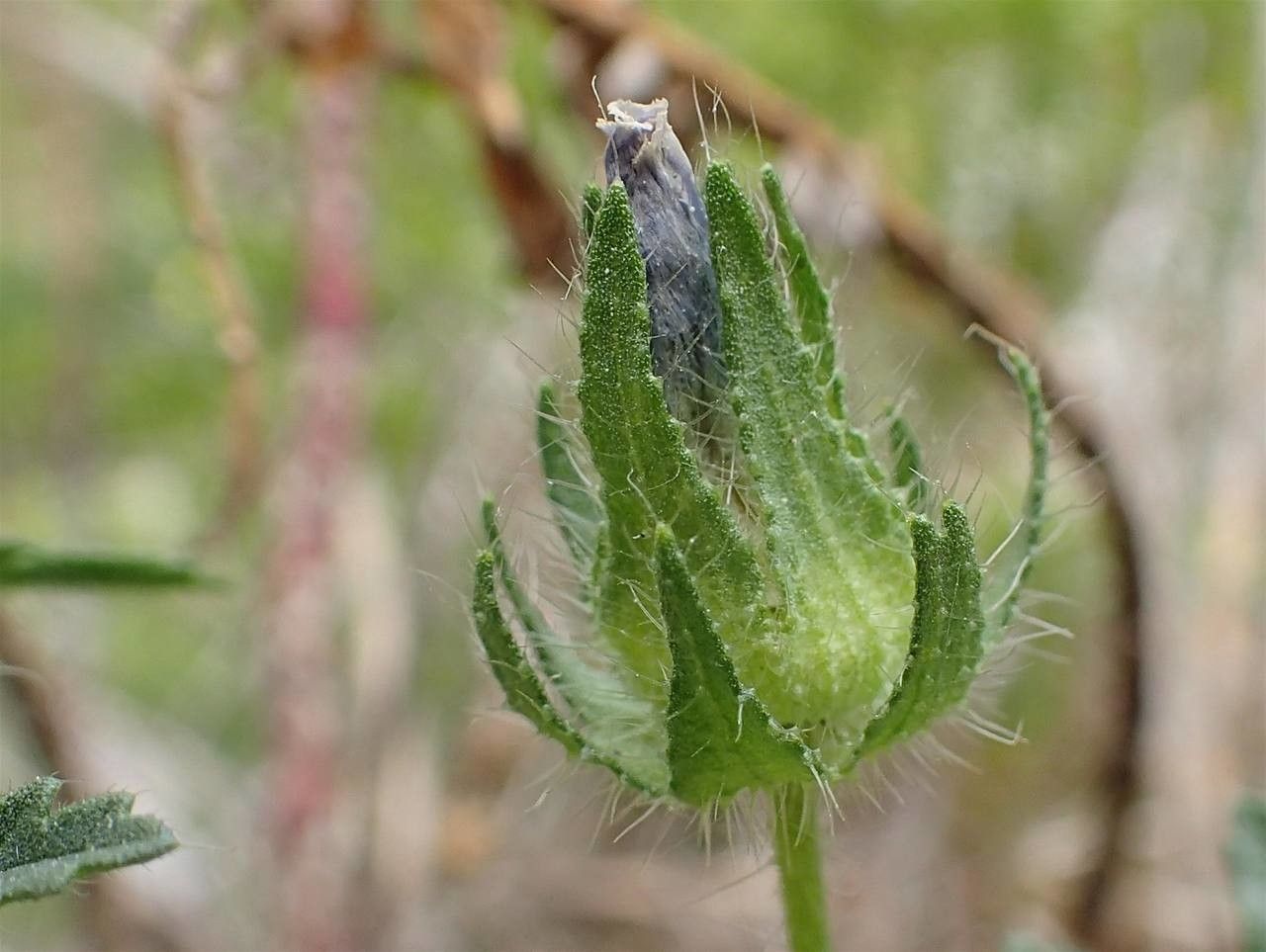
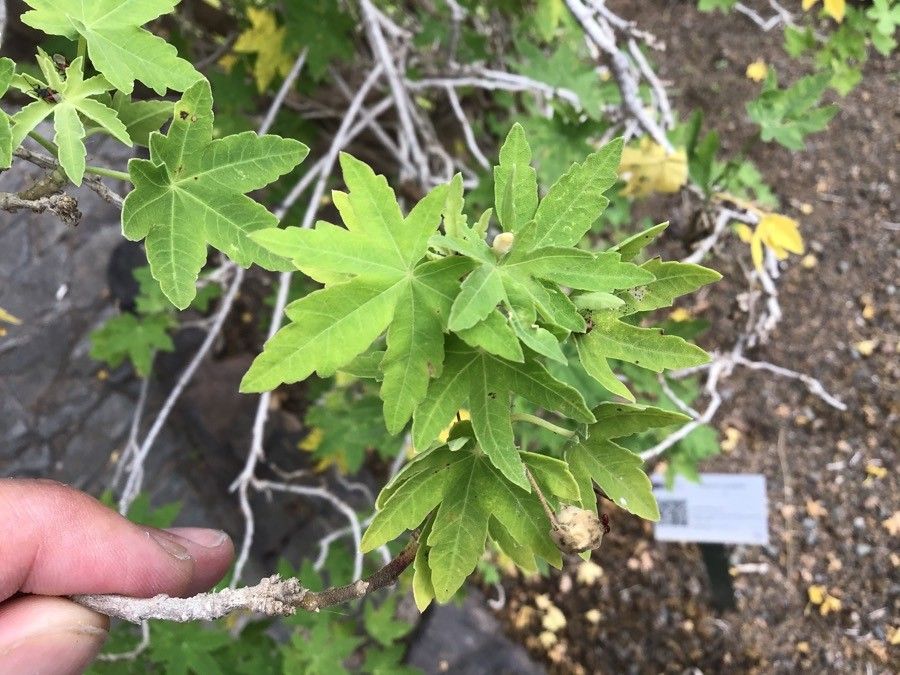
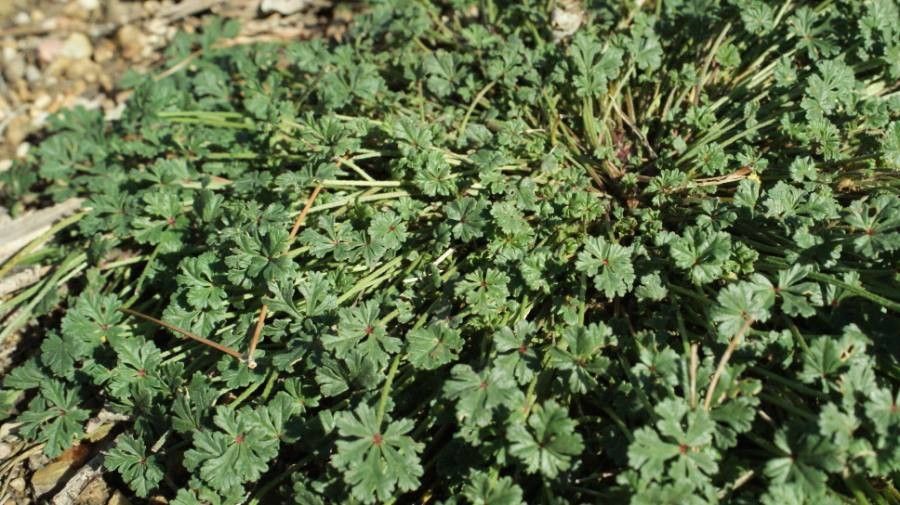
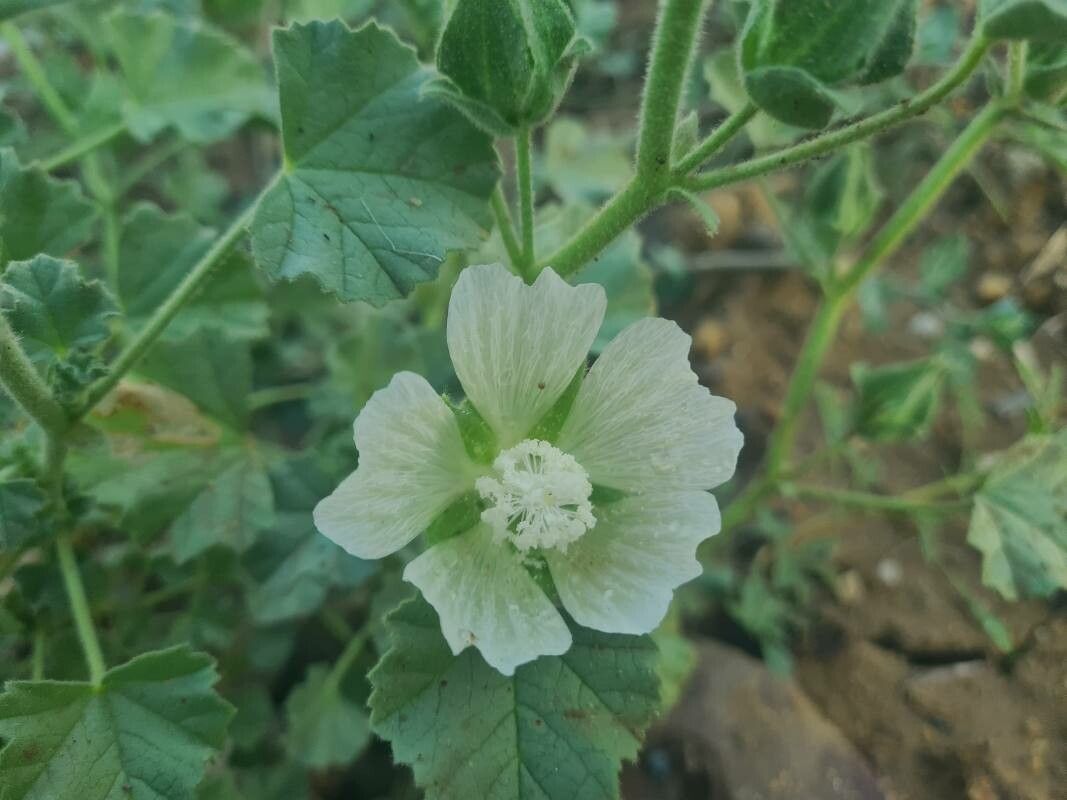
Malva setigera, commonly known as bristly mallow, is a species of flowering plant in the Malvaceae family. Native to North America, it thrives in various habitats such as prairies, meadows, and disturbed areas. This plant can grow up to 1 meter tall, featuring a hairy stem and lobed leaves that are green on top and pale underneath. The flowers, which bloom from June to September, are pink or purple with five petals. Bristly mallow holds historical significance for Native Americans, who used it medicinally for ailments like sore throats, coughs, and skin irritations. Additionally, it provides a food source for wildlife such as rabbits and deer. Its striking flowers make it an attractive addition to gardens; however, it has the potential to become invasive due to its rapid self-seeding if not properly managed.
Rough marsh mallow has strong disease resistance and is typically not susceptible to illnesses. However, it can be affected by pests and diseases present in its vicinity. These infestations are generally not severe. Regarding care, this plant requires a moderate amount of maintenance. It should be pruned regularly to preserve a tidy appearance and support healthy growth. Fertilizing can also encourage flowering. Rough marsh mallow is suitable for anyone with outdoor space, such as a garden or patio, and does not demand extensive care experience. It may need more attention if grown indoors.
How to keep Malva Setigera.
Light
Rough marsh mallow is a sun-preferring perennial herbaceous species native to open habitats, commonly occurring in meadows and grasslands. It prefers full sun but can also withstand partial sun.
Temperature
Rough marsh mallow can tolerate a wide range of temperatures, but its distribution may nonetheless be constrained by various combinations of moisture and heat. It performs best in warm summer climates with sufficient rainfall or irrigation. Extended periods of cloudy, rainy weather or prolonged high temperatures increase the chance of Rough marsh mallow dying. In winter, adequate protection from cold can enhance the plant's survival rate.
Fertilizer
The best time to fertilize a Rough marsh mallow is in early spring, as it comes out of dormancy and starts active growth. Fertilization supplies essential nutrients for healthy development. Although Rough marsh mallow has fairly low fertilizer requirements, applying fertilizer once a year can improve its survival and encourage stronger, longer-lasting blooms.
Botanical profile.
- Plant Type
- Herb
- Life Cycle
- Perennial
- Genus
- Malva
- Family
- Malvaceae
- Hardiness Zone
- 6-9
- Mature Height
- 30 cm to 61 cm
- Mature Spread
- 20 cm to 40 cm
- Leaf Color
- Green
- Leaf Type
- Deciduous
- Flower Color
- Pink
- Flower Size
- 2.03 cm to 3.05 cm
- Bloom Time
- Summer
- Planting Time
- Spring, Autumn
- Harvest Time
- Late summer, Early fall, Mid fall
- Native Area
- Libya, Turkey, Tunisia, Slovakia, Montenegro, Cyprus, Bulgaria, Armenia, Greece, Slovenia, Morocco, Croatia, Ukraine, Lebanon, Russia, Serbia, Hungary, Iraq, Germany, Syria, Italy, Spain, France, Iran, Albania, Algeria, Romania, Turkmenistan, Portugal
Other names.