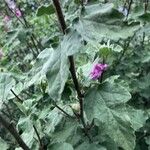
Malva thuringiaca
Tree Lavatera · Garden Tree-mallow · Tree Mallow · Tree lava
Description
Source: leafsnapMalva thuringiaca (syn. Lavatera thuringiaca), the garden tree-mallow, is a species of flowering plant in the mallow family Malvaceae, native to eastern Europe and southwestern Asia, from southern Germany south to Italy, and east to southern Russia, Kazakhstan, and Turkey.It is a herbaceous perennial plant growing to 1.8 m tall. The leaves are up to 9 cm long and broad, palmately lobed with three or five lobes, and downy with greyish hairs. The flowers are pink, 3–6 cm diameter, with five petals; they are produced throughout the summer.There are two subspecies: Malva thuringiaca subsp. thuringiaca – Most of the species' range, except as below, Upper leaves bluntly lobed Malva thuringiaca subsp. ambigua (DC.) Valdés – southern France, Italy, western Balkans, Upper leaves acutely lobed
Care Guide
💧 Water
Garden tree-mallow grows best in moderately moist soil, preferring consistent moisture without becoming waterlogged. It shows moderate drought tolerance. To ensure optimal growth, water the garden tree-mallow weekly, particularly if it's planted outdoors. Outdoor plants benefit from natural rainfall, as their growth is closely tied to water availability.
How should I water my Garden tree-mallow plant?
To properly water the Garden tree-mallow, it is recommended to use filtered water at room temperature. This plant is sensitive to particles found in tap water, which can be harmful to its health. Additionally, it is important to consider the temperature of the water. Since the Garden tree-mallow originates from warm environments, using cold water can be a shock to its system. To avoid any complications with the foliage, it is best to avoid overhead watering. Instead, gently pour the filtered room temperature water onto the soil until it is completely soaked. This method is beneficial because it hydrates the plant's roots and allows them to spread and absorb the necessary nutrients from the soil.
What should I do if I give my Garden tree-mallow too much water or too little water?
Overwatering is a common issue that can harm your Garden tree-mallow. It causes wilting and yellowing of the leaves, and if continued for a long time, it can lead to diseases like root rot, mold, and mildew that can kill the plant. Although underwatering is less common, it can still happen. In this case, the leaves of your Garden tree-mallow will become brittle and brown. It is important to identify the signs of overwatering early to prevent irreversible damage. If you notice these signs, reduce your watering schedule and check the soil drainage. Replace poorly draining soil with a loose, well-draining potting mix. If you observe signs of underwatering, simply water the plant regularly until the signs improve.
How often do I need to water my Garden tree-mallow?
If your Garden tree-mallow is in a pot, the most precise way to determine if it needs water is by checking the soil. Stick your finger into the soil and if the first two to three inches are dry, it's time to water it. For those growing the Garden tree-mallow outdoors in the ground, you can use the same method to test the soil. Once the first few inches of soil have dried out, it's time to water. In spring and early fall, watering about once a week is usually sufficient. However, during extremely hot weather, you may need to water twice or more per week. It's worth noting that mature, well-established Garden tree-mallows have a impressive ability to tolerate drought.
How much water does my Garden tree-mallow plant need?
To properly water your Garden tree-mallow, don't be hesitant to give it a generous amount of water. Make sure the top few inches of soil are dry before watering. It's best to thoroughly water the plant, ensuring that the soil is completely soaked. You can tell if you've added enough water by checking if excess water flows out of the drainage holes at the bottom of the pot. If you don't see any excess water draining, it's likely that you haven't given enough water. However, be careful not to let water accumulate inside the soil, as this can harm the plant. Additionally, if water doesn't drain properly from the pot, it could be a sign of poorly draining soil, which is harmful to the plant's health. Lastly, if the plant is outside, it typically only needs about 1 inch of rain per week.
How should I water my garden tree-mallow when it's growing at different stages?
The water needs of the Garden tree-mallow can vary depending on its growth stages. In the first few years of its life or when it has been recently transplanted, it requires more water. During these stages, the plant focuses on developing new roots that support future growth, which requires extra moisture. However, as the plant matures, its water needs decrease significantly. Additionally, during the bloom period, when the plant is producing flowers, it may require more water to support the development of the blooms.
☀️ Light Full sun
Garden tree-mallow thrives best with ample sun throughout the day, but can also remain healthy in places that receive sunlight only part of the day. Excessive exposure can bleach the leaves, while insufficient light may hinder growth.
What are the sunlight requirements for Garden tree-mallow?
Garden tree-mallow needs a generous amount of sunlight throughout the day to thrive optimally. It requires more than 6 hours of sunlight daily for full sun conditions and about 3-6 hours for partial sun conditions. It's vital to observe the movement of sunlight through your garden to ensure your plants receive the appropriate balance of light and shade, ensuring their well-being. However, it's important to note that excessive exposure to sunlight can lead to leaf bleaching, while insufficient sunlight might impede growth.
How can artificial lighting be used for Garden tree-mallow when natural sunlight is insufficient?
When Garden tree-mallow doesn't receive enough natural sunlight, especially during winter or in less sunny indoor spaces, artificial lighting provides an essential solution for optimal growth. LED lights are recommended for their ability to be customized to specific wavelengths needed by plants. Full sun plants should receive 30-50W/sq ft of artificial light, partial sun plants need 20-30W/sq ft, and full shade plants should get 10-20W/sq ft. The light source should be placed 12-36 inches above the plant, and the duration should mimic natural daylight hours, generally 8-12 hours per day.
What are common symptoms of light deficiency in Garden tree-mallow?
Garden tree-mallow shows various symptoms when it doesn't get enough light, including smaller new leaves, leggy or sparse growth, faster leaf drop, slower or no new growth, and lighter-colored new leaves. Additionally, the plant may experience chlorosis, where leaves lose their green color and turn yellow, sunscald with damaged leaves or stems from intense sunlight, leaf curling as a defense to minimize water loss, wilting from loss of turgor pressure, and leaf scorching with brown, dry edges on leaves due to excessive sunlight.
What are the recommended solutions for managing light conditions for Garden tree-mallow?
To manage light conditions for Garden tree-mallow, start by gradually moving the plant to a sunnier spot, ensuring it receives at least 6 hours of direct sunlight daily. For indoor plants, use a south-facing window or consider artificial lighting, keeping lights on for at least 8 hours. For outdoor plants, avoid sudden changes in light intensity to prevent sunburn. Minimize obstructions to sunlight by pruning or relocating plants, especially smaller ones during their dormant period for better exposure to sunlight and good drainage. It's important to note that while parts of the plant affected by insufficient light may not recover, new growth should be healthy once the light conditions improve.
🌡️ Temperature 5–35°C
The Garden tree-mallow is capable of adjusting to diverse temperature environments, however, varying mixtures of humidity and heat could still restrict its spread. It flourishes optimally in hot weather during the summer if there is sufficient rainfall or watering. Extended durations of cloudiness and rain, as well as prolonged high temperatures, may elevate the chances of Garden tree-mallow perishing. Providing appropriate protection against cold during winter can enhance the survival probability of the plant.
What is the botanical name of the Garden tree-mallow?
The botanical name of the Garden tree-mallow is Malva thuringiaca.
💨 Humidity
🪴 Soil 6-7
🌱 Fertilizer
The best time to fertilize a Garden tree-mallow is in early spring, as it comes out of dormancy and starts active growth. Fertilizing supplies essential nutrients needed for healthy development. Although Garden tree-mallow has fairly low fertilizer requirements, applying fertilizer annually can improve its chances of survival and encourage better, longer-lasting flowers.
🪴 Pot & Repot
✂️ Pruning
For optimal growth, the garden tree-mallow benefits greatly from proper care, including spring pruning. This helps remove dead branches and enhance the plant’s shape. Pruning encourages denser foliage, vibrant blooms, and better air circulation. By regularly pruning the tree-mallow, you can maintain its size, promote its health, and ensure it remains a robust and visually appealing plant.
🌿 Propagating
🐛 Diseases & pets
☠️ Toxicity
Characteristics
- Plant Type
- Herb
- Life Cycle
- Perennial
- Genus
- Malva
- Family
- Malvaceae
- Hardiness Zone
- 4-9
- Mature Height
- 0.91 m to 1.52 m
- Mature Spread
- 49 cm to 91 cm
- Leaf Color
- Green, Dark Green
- Leaf Type
- Deciduous
- Flower Color
- Pink
- Flower Size
- 5.08 cm to 7.62 cm
- Bloom Time
- Summer
- Planting Time
- Spring, Summer, Autumn
- Harvest Time
- Late summer, Early fall, Mid fall