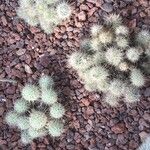
Mammillaria geminispina
Whitey · Twin-spine cactus · Twin-spined cactus
Description
Source: leafsnapMammillaria geminispina is a cactus species native to Mexico, known for its small, globular shape. This cactus can grow up to 10 cm in height and 8 cm in diameter. Its numerous tubercles are arranged in spirals, each featuring one or two central spines and several radial spines. During spring or summer, the plant produces small, pink or white flowers that appear at its top. Mammillaria geminispina thrives in well-draining soil with moderate watering during the growing season. It can tolerate full sun exposure but also grows well in partial shade. This species is easy to cultivate, making it an excellent addition to any succulent or cactus collection. In its natural habitat, Mammillaria geminispina is threatened by habitat loss due to urbanization and agricultural activities, as well as illegal collection for ornamental purposes. Conservation efforts are crucial to protect this species from further population decline. Both within its natural range and through cultivation by enthusiasts worldwide, appreciating this unique plant's beauty and resilience is vital for its preservation.
Care Guide
💧 Water Every 7 days
The twin-spined cactus is drought-tolerant and only needs to be watered occasionally. When the soil is dry, water the cactus thoroughly using rainwater or distilled water. During the growing season, water it once or twice a week. In the winter, reduce watering to once a week. Be careful not to splash water on the stem, as this can lead to rot.
☀️ Light Full sun
Originating in arid areas, the Twin-spined cactus does best in full sun, its native habitat featuring intense sunlight and scarce shade. It can also tolerate partial sun, providing some flexibility in its growth.
🌡️ Temperature 20–37.8°C
The twin-spined cactus does best in warm conditions and needs higher temperatures during the growing season to encourage growth and metabolic processes. It prefers plenty of sunlight, suitable moisture levels, and good air circulation. However, it can be damaged by temperatures that are too low and by excessive watering. It's also important to maintain a balance and avoid temperatures that are too high and conditions that are too dry.
What is the Twin-spined cactus?
The Twin-spined cactus, known botanically as Mammillaria geminispina, is a species of cactus. Unfortunately, there are no specific details provided about its characteristics, care requirements, or environmental needs within the provided information.
💨 Humidity
🪴 Soil 5-6
🌱 Fertilizer
For Twin-spined cactus, apply small amounts of fertilizer once or twice a year during the growing season. Do not fertilize in winter and summer when the plant is dormant. Use less fertilizer for recently repotted plants and wait a couple of months after repotting before you start fertilizing. Fertilizing helps maintain healthy growth and promotes flowering.
🪴 Pot & Repot 2-3 years
Repot the twin-spined cactus in spring or summer, choosing a pot slightly larger than the current one with good drainage. Use a sandy or gritty cactus mix that drains well. Handle it carefully to avoid the spines. Let the cactus dry out before repotting to help prevent root rot. After repotting, wait a week before watering so the roots can heal.
✂️ Pruning
To ensure healthy growth and prevent fungal infections, it's important to carefully prune twin-spined cacti in early spring. This involves removing any dead stems to improve air circulation. Be sure to use clean, sharp tools for this task, and avoid excessive trimming to preserve the cactus's unique shape.
🌿 Propagating
🐛 Diseases & pets
☠️ Toxicity
Characteristics
- Plant Type
- Succulent
- Life Cycle
- Perennial
- Genus
- Mammillaria
- Family
- Cactaceae
- Hardiness Zone
- 9-11
- Mature Height
- 20 cm
- Mature Spread
- 30 cm
- Leaf Color
- Green
- Leaf Type
- Evergreen
- Flower Color
- Pink, White
- Flower Size
- 1.52 cm to 2.03 cm
- Bloom Time
- Mid spring, Late spring, Summer
- Planting Time
- Spring, Summer, Autumn
- Harvest Time
- Summer, Early fall, Mid fall