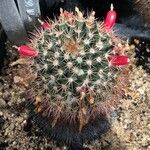
Mammillaria heyderi
Ball cactus · Pancake pincushion · Cream cactus · Cream pincushion · Heyder's nipple cactus
Description
Source: leafsnapMammillaria heyderi is a species of cactus in the tribe Cacteae. It is endemic to Sonora and Chihuahua in Mexico and New Mexico, Arizona, and Texas in the United States.
🎭 ability to keep going through tough, tiring situations
Care Guide
💧 Water Every 3 weeks
The little nipple cactus is perfectly adapted to arid climates, exhibiting impressive drought resistance by efficiently storing water. It should be watered every three weeks, allowing the soil to dry out in between waterings. Preferring full sun exposure, this evergreen succulent retains moisture even in extreme heat.
☀️ Light Full sun
The small nipple cactus needs uninterrupted, direct sunlight for best growth. Native to areas bathed in abundant light, it thrives with plentiful sun. Too little light can stunt its development, while too much may cause scorching, though it usually tolerates high exposure well.
What amount of sunlight is required for the Little nipple cactus (Mammillaria heyderi)?
The Little nipple cactus demands full sun, which means it requires more than 6 hours of sunlight daily to ensure optimal growth. Originating from habitats rich in sunlight, it thrives under ample solar radiation. However, it's essential to watch how sunlight moves through your garden to find spots that offer a good balance of light and shade, ensuring the plant's well-being. Insufficient sunlight may stunt the plant's growth, and while it generally handles overexposure well, too much sun can cause scorching.
Can Little nipple cactus be grown under artificial lighting?
Yes, the Little nipple cactus can grow under artificial lighting, especially when natural sunlight is insufficient, like in winter or in less sunny spaces. Artificial lights, such as LED lights which can be tailored to provide specific light wavelengths needed by plants, serve as a vital growth source. The appropriate artificial light intensity depends on the type of plant, with full sun plants requiring 30-50W/sq ft, partial sun plants needing 20-30W/sq ft, and full shade plants 10-20W/sq ft. The light source should be placed 12-36 inches above the plant, imitating natural sunlight conditions, and plants typically need 8-12 hours of light per day.
What are the symptoms of insufficient or excessive light exposure in Little nipple cactus?
Inadequate lighting can lead to smaller leaves, leggy or sparse growth, faster leaf drop, slower or ceased new growth, and light-colored or pale new leaves. Excessive sunlight exposure can result in chlorosis (leaves turning yellow due to chlorophyll breakdown), sunscald (damage from intense sunlight exposure), leaf curling (as a defense mechanism to reduce exposed surface area), wilting (due to increased water loss), and leaf scorching (brown, dry, crispy edges on leaves).
How can I address problems with light exposure for my Little nipple cactus?
To optimize growth, gradually acclimate the plant to more sunlight, aiming for at least 6 hours of direct sunlight daily. Indoors, use a south-facing window or provide additional light through artificial sources, keeping them on for at least 8 hours a day. Outdoors, move the plant to sunnier locations gradually to prevent sunburn. If natural sunlight is blocked, consider pruning obstructions or transplanting the plant to a sunnier spot, ensuring the location also has good drainage. Remember, parts of the plant that have suffered due to poor light may not recover, but new growth will be healthy once light conditions are improved.
🌡️ Temperature 15–32.2°C
The little nipple cactus is native to temperate regions and prefers temperatures of 59 to 89.6 °F (15 to 32 ℃). In winter, keep it above 50 °F (10 ℃) to prevent dormancy. Change temperatures seasonally to optimize growth.
What is the native environment for Little Nipple Cactus?
Little Nipple Cactus, scientifically known as Mammillaria heyderi, is native to temperate environments. It thrives in temperatures ranging from 59 to 89.6 °F (15 to 32 °C). To prevent the cactus from entering dormancy, it's important to keep it above 50 °F (10 °C) during winter months. The plant loves heat and will gradually stop growing and enter a dormant state in the winter. When outdoor temperatures drop below -10°C, it should be moved indoors to continue its cultivation comfortably.
How should I care for Little Nipple Cactus during different seasons?
To optimize the growth of Little Nipple Cactus throughout the year, adjust its care seasonally. During lower temperatures, specifically when it falls below 15°C, its growth slows, and you should reduce or stop watering to avoid root rot. For outdoor-grown plants, halt watering completely in low temperatures. If possible, consider setting up a temporary greenhouse for insulation or wrap the cactus with materials such as plastic film or fabric during cold snaps. Ensure the plant is placed near a south-facing window for maximum sunlight, or use supplemental lighting if natural light is insufficient.
What are the symptoms of temperature stress in Little Nipple Cactus and how can I mitigate them?
Little Nipple Cactus is sensitive to temperature extremes. At temperatures below -15°C, it may become weak, wilt, and be prone to root rot due to low temperature intolerance. After mild frost damage, it might wither gradually over a week. To mitigate this, trim frostbitten areas, check for root rot, and propagate through cuttings if necessary. Move the plant to a warm environment indoors near south-facing windows or provide supplemental lighting. High temperatures above 35°C can cause growth cessation, water loss, wilting, and sunburn. Address these issues by removing sunburned or rotten parts, shielding the plant from direct afternoon sunlight, and stopping watering if root rot is observed until new roots emerge.
💨 Humidity
🪴 Soil 6-7
🌱 Fertilizer
For Little nipple cactus, light fertilizer applications once or twice a year during the growing season are adequate. Avoid fertilizing in winter and in summer when it is dormant. Reduce feeding for plants that have been repotted and wait a couple of months after repotting before applying fertilizer. Fertilizing helps maintain healthy growth and encourages blooms.
🪴 Pot & Repot 2-3 years
The little nipple cactus should be repotted every 2 to 3 years into a slightly larger pot with excellent drainage. The best time for repotting is from late winter to early spring. After repotting, wait a week before watering to help the cactus acclimate and reduce stress, promoting optimal growth.
✂️ Pruning
The little nipple cactus needs very little pruning. However, it's important to remove any withered flowers and branches to make sure nutrients are properly directed for healthy growth.
🌿 Propagating
🐛 Diseases & pets
☠️ Toxicity
Characteristics
- Plant Type
- Shrub
- Life Cycle
- Perennial
- Genus
- Mammillaria
- Family
- Cactaceae
- Hardiness Zone
- 7
- Mature Height
- 15 cm
- Mature Spread
- 5 cm to 20 cm
- Leaf Color
- Dark Green
- Leaf Type
- Evergreen
- Flower Color
- White
- Flower Size
- 1.52 cm to 3.05 cm
- Bloom Time
- Mid spring, Late spring, Early summer
- Planting Time
- Spring, Summer, Autumn
- Harvest Time
- Mid summer, Late summer, Early fall