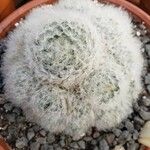
Mammillaria plumosa
Feather cactus
Description
Source: leafsnapMammillaria plumosa is a cactus species native to Mexico. It is a small, globular cactus that can reach up to 10 cm in height and 15 cm in diameter. The plant has numerous white, soft, hair-like spines that grow from small tubercles on its surface, giving it a fluffy appearance. Due to these unique spines, it is commonly known as the "feather cactus" or "powder puff cactus." During the spring and summer months, Mammillaria plumosa produces small pink or white flowers that bloom at the top of the plant. These flowers are followed by red berries, which contain seeds for propagation. Mammillaria plumosa requires well-draining soil and bright sunlight to thrive. It is an easy-to-care-for houseplant that can be grown indoors or outdoors in warm climates. For centuries, indigenous people of Mexico have used this plant for medicinal purposes, primarily as an anti-inflammatory agent and treatment for skin conditions like burns, cuts, and bruises. Overall, Mammillaria plumosa is an attractive addition to any succulent or houseplant collection. Its unique appearance, with soft, hair-like spines resembling feathers, makes it stand out among other plants with sharp thorns. Additionally, it is safe to have around children and pets.
Care Guide
💧 Water Every 7 days
The feather cactus, native to arid regions, is an excellent water conserver with impressive drought tolerance. It only needs watering every 2 to 3 weeks and thrives in well-draining soil to avoid root rot. This low-maintenance indoor plant is cherished for its distinctive appearance.
☀️ Light Full sun
Native to dry regions, the Feather cactus prospers in full sun, as its original habitat is marked by intense sunlight and scarce shade. It will also tolerate partial sun, providing some flexibility in its growth.
🌡️ Temperature 20–37.8°C
Feather cactus does well in warm settings and needs warmer temperatures during the growing season to encourage growth and metabolic activity. It prefers plenty of sunlight, proper moisture levels, and good air circulation. However, it is vulnerable to harm from very low temperatures and from being overwatered. It is important to maintain balance and to avoid excessively high temperatures and conditions that are too dry.
💨 Humidity dry (<40%)
This plant prefers dry conditions, so don't mist it. However, watering it less often can also thrive in higher humidity.
🪴 Soil 6-7
🌱 Fertilizer
For Feather cactus, give small amounts of fertilizer once or twice a year during the growing season. Do not fertilize in winter or summer when it is dormant. Cut back on fertilizer for plants that have been repotted and wait a couple of months after repotting before you start feeding them. Fertilizing helps maintain healthy growth and promotes blooming.
🪴 Pot & Repot 2-3 years
Repot the feather cactus in spring or summer, selecting a pot slightly larger than the current one with good drainage. Use a sandy or gritty cactus mix that drains well. Handle it carefully to avoid the spines. Let the cactus dry out before repotting to prevent root rot. After repotting, wait for a week before watering so the roots can heal.
✂️ Pruning
The feather cactus requires very little pruning. Concentrate on removing any withered flowers and branches to help the plant efficiently direct nutrients toward healthy growth.
🌿 Propagating
🐛 Diseases & pets
☠️ Toxicity
The feather cacti are not poisonous to humans or animals. But, don’t be fooled by its fluffy appearance. These desert flora may contain thorny spikes hidden to the naked eye. Keep them away from children and pets to minimize the risk of injury.
Characteristics
- Plant Type
- Shrub, Succulent
- Life Cycle
- Perennial
- Genus
- Mammillaria
- Family
- Cactaceae
- Hardiness Zone
- 9-11
- Mature Height
- 20 cm
- Mature Spread
- 30 cm
- Leaf Color
- Light Green
- Leaf Type
- Evergreen
- Flower Color
- White
- Flower Size
- 1.02 cm to 1.52 cm
- Bloom Time
- Mid spring, Late spring, Early summer
- Planting Time
- Spring, Summer
- Harvest Time
- Summer
- Native Area
- Mexico