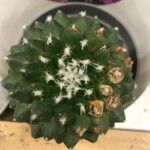
Mammillaria zeilmanniana
Cactus · Biznaguita (Spanish) · Zeilmann's Cactus
Description
Source: leafsnapThe Rose Pincushion Cactus (Mammillaria zeilmanniana), also known as the Rose Pincushion, Pink Crown, Nipple Cactus, or the Fishhook Cactus, is a tiny cactus with glossy green, globular to cylindrical stems that can reach 5 inches in height and 3 inches in diameter. It features four central spines (three straight, one hooked) and 15–18 delicate hair-like white radial spine clusters. It has delicate pinkish-violet or purple blooms with yellowish stigmas. Most of the year, flower rings are present. This plant is one of the Mammillarias' most prolific bloomers. It can only be found in one place: San Miguel de Allende in Cañada Virgen, Guanajuato state, central Mexico.
Care Guide
💧 Water Every 3 weeks
The rose pincushion cactus is well-suited for arid environments, where it efficiently stores water in its fleshy tissues. Known for its high drought tolerance, this cactus only needs to be watered once every three weeks. It thrives in well-draining soil, making it adaptable to both dry spells and occasional rain, while also preventing root rot during periods of heavy precipitation.
☀️ Light Full sun
Originating from dry areas, the Rose pincushion cactus thrives in full sun, its native habitat marked by intense light and little shade. It will also tolerate partial sun, giving it some flexibility in its growth.
What are the sunlight requirements for Rose pincushion cactus (Mammillaria zeilmanniana)?
The Rose pincushion cactus (Mammillaria zeilmanniana) thrives in environments that receive full sun, defined as locations getting more than 6 hours of sunlight daily. It's important to watch how sunlight moves through your garden throughout the day, selecting spots that offer an optimal balance of light and shade. This ensures the best conditions for your plant's health and growth.
🌡️ Temperature 20–37.8°C
Rose pincushion cactus grows best in warm conditions and requires elevated temperatures during the growing season to stimulate growth and metabolism. It favors abundant sunlight, proper moisture, and good airflow. However, it is vulnerable to harm from very low temperatures and from excessive watering. It's also important to maintain balance and avoid overly high temperatures or excessively dry conditions.
What is the rose pincushion cactus?
The rose pincushion cactus, known botanically as Mammillaria zeilmanniana, is a species of cactus recognized for its distinctive appearance. Unfortunately, specific details on its essentials or symptoms due to certain conditions are not provided. It seems the rose pincushion cactus is appreciated for its unique botanic characteristics.
💨 Humidity dry (<40%)
This plant prefers dry conditions, so don't mist it. However, watering it less often can also thrive in higher humidity.
🪴 Soil 6-7
🌱 Fertilizer
The Rose pincushion cactus needs only light fertilizer applications once or twice a year during its growing season. Do not fertilize in winter or in summer when it is dormant. Cut back on fertilizer for plants that have been repotted, and wait a couple of months after repotting before you begin fertilizing. Fertilizing supports healthy growth and helps promote blooms.
🪴 Pot & Repot 2-3 years
Repot the Rose pincushion cactus in spring or summer, selecting a pot slightly larger than the current one that provides good drainage. Use a sandy or gritty cactus mix that drains well. Handle the plant carefully to avoid the spikes. Let the cactus dry out before repotting to help prevent root rot. After repotting, wait one week before watering so the roots can heal.
✂️ Pruning
The Rose Pincushion Cactus requires minimal pruning, focusing mainly on removing dead parts and occasionally thinning out the branches to improve airflow. The best time to prune is in early spring to encourage growth and flowering. Be sure to use sterilized tools to prevent infections, as this plant has a delicate structure.
🌿 Propagating
🐛 Diseases & pets
☠️ Toxicity
The Rose Pincushion Cactus is not hazardous to people or animals. This plant may be enjoyed indoors. However, be cautious if you have kids or pets that could be wounded by the thorns.
Characteristics
- Plant Type
- Succulent
- Life Cycle
- Perennial
- Genus
- Mammillaria
- Family
- Cactaceae
- Hardiness Zone
- 9-11
- Mature Height
- 20 cm
- Mature Spread
- 20 cm
- Leaf Color
- Dark Green
- Leaf Type
- Semi-evergreen
- Flower Color
- Pink
- Flower Size
- 2.03 cm to 3.05 cm
- Bloom Time
- Mid spring, Late spring, Summer
- Planting Time
- Spring, Summer, Autumn
- Harvest Time
- Summer, Early fall, Mid fall
- Native Area
- Mexico