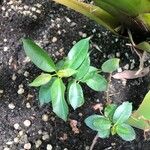
Mandevilla sanderi
Brazilian-jasmine · Chilean -jasmine · Red robin · Mandevilla sarmasigi (tr) · Golden Trumpet
Description
Source: leafsnapMandevilla is a tropical climbing vine native to South America, known for its stunning, large trumpet-shaped flowers in shades of pink, red, and white. It can grow up to 10 feet tall and features glossy, oval-shaped green leaves with pointed tips. For optimal growth, Mandevilla requires full sun to partial shade and well-draining soil. It thrives in warm temperatures between 60-80°F (15-27°C) but can tolerate cooler conditions if protected from frost. With appropriate care, including regular watering and fertilization, Mandevilla blooms from spring through fall. This versatile plant can be grown in containers or directly in the ground, provided it has support for climbing. Mandevilla is prized as an ornamental plant for its striking flowers and attractive foliage. Its nectar-rich blooms attract hummingbirds, making it a fantastic addition to any garden or patio area. However, it's important to note that all parts of the Mandevilla are toxic if ingested by humans or pets, so exercise caution when handling the plant. In summary, Mandevilla is a breathtaking tropical vine that makes a spectacular addition to any outdoor space, perfect for gardeners seeking a vibrant, eye-catching feature.
💡 The Brazilian jasmine is a plant with high ornamental value, known for its beautiful and abundant flowers that often outnumber its leaves. This plant can be grown outdoors to enhance fences, sheds, roofs, and small courtyards, creating a visually pleasing and relaxing environment. When planting mandevilla, be sure to avoid low-lying areas to prevent water accumulation. In addition to its outdoor uses, the Brazilian jasmine can also serve as an attractive houseplant. It thrives in small pots placed on balconies, windowsills, hallways, stairs, and other areas around the home. The plant can be shaped into a ball or displayed in a hanging pot for a chic and exotic look. Mandevilla plants not only enhance indoor aesthetics but also fill the space with a delightful fragrance.
🌳 Brazilian jasmine has an intriguing but little-known use in cosmetology. High in α- and β-pinenes, Brazilian jasmine offers therapeutic and cosmetic benefits, including antiseptic and anti-inflammatory effects. Extracts from its leaves and flowers contribute to the distinctive scent of Brazilian perfumes and air fresheners by providing a refreshing fragrance.
🎭 Affection, Morality, marriage
Care Guide
💧 Water Every 7 days
Brazilian jasmine flourishes in tropical climates, where it needs regular moisture and high humidity. Weekly watering is essential for promoting lush growth, although the plant can tolerate short periods of dryness. When grown outdoors, natural rainfall aids in its development, enhancing the vibrant blooms characteristic of this species.
When should I water my Brazilian Jasmine?
Water Brazilian Jasmine when the top 1 to 2 inches of soil around the plant base feels dry to the touch. Observing the plant's leaves for signs of wilt or loss of vibrant color can also indicate the need for watering. It is particularly crucial to water during the pre-flowering stage to prevent bud drop, while during warm temperatures and high sunlight exposure, the plant's water needs increase. Avoid watering too early or late to prevent root diseases or dehydration.
How should I water my Brazilian Jasmine?
Brazilian Jasmine thrives with a balance of hydration, preferring evenly moist soil without overwatering. Bottom-watering by placing the pot in a tray of water allows for absorption from below, preventing excess moisture on leaves. Use a watering can with a narrow spout to direct water to the base, avoiding foliage. Utilizing a moisture meter helps in maintaining optimal soil moisture levels. Adjust watering frequency based on the plant's environment and growth stage.
How much water does Brazilian Jasmine really need?
Brazilian Jasmine requires regular but moderate watering to maintain the top few inches of soil moist, as it has a relatively shallow root system. On average, 1-2 inches of water per week, evenly distributed, suffices. The appearance of the plant's leaves can indicate if the watering amount is appropriate; lush and glossy signals adequate hydration, while dull, droopy, or discolored leaves suggest problems. High humidity benefits the plant, but avoid waterlogging.
What kind of water is best for Brazilian Jasmine?
The best water for Brazilian Jasmine is natural rainwater due to its chemical-free and balanced pH nature. Distilled or filtered water is also suitable. Tap water is a last resort because of its chlorine and fluoride content, which can stress the plant. To use tap water, let it sit for 24 hours for chlorine evaporation, or use water filters to remove contaminants. Water at room temperature is preferable to avoid shocking the plant.
How do Brazilian Jasmine's watering needs change with the seasons?
In spring, regular watering supports its active growth phase. During summer's dormancy, reduce frequency, allowing soil drying between sessions. Autumn sees a gradual watering reduction as the plant enters dormancy. In winter, water sparingly, letting the topsoil dry out between waterings. Seasonal changes influence water needs significantly, with less water required during dormant periods and more during growth phases.
☀️ Light Full sun
Brazilian jasmine flourishes when sunlight abundantly bathes its foliage, since it comes from regions rich in sun. It can still grow steadily in spots where the sun only partly reaches it. Too much sun can cause leaf burn, while too little light can result in stunted growth.
What are the sunlight requirements for Brazilian jasmine?
Brazilian jasmine, also known as Mandevilla sanderi, thrives in full sun, requiring above 6 hours of sunlight daily, but it can also grow in partial sun with about 3-6 hours of sunlight. It's essential to watch how sunlight moves through your garden, choosing spots that provide a balanced mix of light and shade. This ensures your plants remain happy and healthy. Overexposure to sun may lead to leaf burn, whereas insufficient sunlight could stunt the plant's growth.
How can artificial lighting benefit Brazilian jasmine indoors?
For indoor Brazilian jasmine plants, especially during less sunny seasons or in areas with inadequate natural light, artificial lighting can be a lifesaver. It promotes faster, healthier growth by compensating for the lack of sunlight. LED lights are a preferred option for indoor plant lighting, as they can be adjusted to provide specific light wavelengths necessary for plant growth. Guidelines suggest full sun plants need 30-50W/sq ft, partial sun plants require 20-30W/sq ft, and full shade plants need 10-20W/sq ft of artificial light. The light source should be placed 12-36 inches above the plant, mimicking natural sunlight conditions for 8-12 hours per day.
What are some common symptoms of light deficiency in Brazilian jasmine?
Brazilian jasmine may face several issues due to inadequate lighting, which often happens indoors during winter. Symptoms include a lack of obvious abnormalities yet adverse effects on flowering and fruiting, early leaf drop to conserve resources, halted or slowed new growth, leggy or sparse growth, and conditions like chlorosis, sunscald, leaf curling, wilting, and leaf scorching. These symptoms indicate the plant is struggling with light deficiency, affecting its growth and overall health.
What solutions can help Brazilian jasmine with insufficient sunlight?
To combat insufficient sunlight for Brazilian jasmine, for indoor plants, gradually move them to sunnier spots to ensure they receive at least 6 hours of direct sunlight daily, use south-facing windows, and consider artificial lights such as desk lamps or grow lights for at least 8 hours daily. For outdoor plants, avoid sudden changes in light intensity and gradually increase sunlight exposure. Address obstructions by pruning or relocating your plants to sunnier areas. While parts of the plant affected by insufficient light might not recover, new growth should be healthy following these adjustments.
🌡️ Temperature 20–41.1°C
The brazilian jasmine is native to warm climates and tolerates temperatures from 20 to 41℉ (-7 to 5℃). It prefers a warm, sunny environment and can adjust to higher or lower temperatures, provided they do not fall below 20℉ (-7℃) or exceed 41℉ (5℃). It is recommended to maintain a temperature between 68 and 86℉ (20 to 30℃) during the growing season. In winter, it can withstand temperatures as low as 50℉ (10℃).
What are the ideal growing conditions for Brazilian jasmine?
Brazilian jasmine thrives in warm climates, ideally between 68 to 86°F (20 to 30°C) during its growing season. It grows natively in environments where temperatures range from 20 to 41°F (-7 to 5°C), preferring sunny locations. During winter, it can tolerate temperatures as low as 50°F (10°C). It's very heat-loving and sensitive to cold; thus, when temperatures approach the lower limit, it's advisable to bring outdoor plants indoors, placing them near a bright window but away from direct heat sources to maintain optimal growth conditions.
How does low temperature affect Brazilian jasmine and how can it be protected?
Brazilian jasmine is sensitive to low temperatures, which are detrimental once they fall below its tolerance threshold. Signs of cold damage include a lightening of leaf color and, following frost, a transition to brown or black, accompanied by wilting or drooping. To protect the plant from cold, it's recommended to trim off frost-damaged parts and move it indoors to a warmer setting. Positioning the plant near a south-facing window ensures it receives enough sunlight, and it is important to avoid placing it too close to heaters or air conditioning vents to prevent air dryness.
What should be done if Brazilian jasmine is exposed to high temperatures?
When Brazilian jasmine is exposed to temperatures exceeding its comfort zone during the summer, it's vulnerable to sunlight damage, evident through lightened leaf color and susceptibility to sunburn. To mitigate this, trim the sunburned and dried parts of the plant and relocate it to a shaded area, especially during intense midday and afternoon sun. Watering the plant in the morning and evening helps keep the soil moist, aiding in temperature stress recovery.
💨 Humidity high (>60%)
This plant needs special care because it loves high humidity levels of 60-80% or more. The best way to achieve this is by placing a humidifier near the plant. Daily misting is also essential! Make sure the room has good ventilation.
🪴 Soil 6-7
🌱 Fertilizer
Proper fertilization is essential for the health and appearance of Brazilian jasmine. Fertilize the plant in summer, applying it once a month throughout the season. The nutrients supply energy for growth and help maintain the plant's parts. Feeding the Brazilian jasmine improves its flowering display, ensuring the best blooms.
Why is it necessary to fertilize my Brazilian jasmine?
Fertilizer and soil nutrients are like fuel for your Brazilian jasmine, helping it grow healthily. Plants generally use soil nutrients to develop new material and maintain their existing components. For the Brazilian jasmine, fertilization is especially important to showcase its beautiful flowers. Since the flowers attract attention to the plant, most gardeners strive to optimize their appearance by using fertilization. This is a reliable method to help your Brazilian jasmine produce the most stunning blooms.
When should I fertilize my Brazilian jasmine for the best results?
The Brazilian jasmine has two main phases throughout the year. The first phase is the dormant phase during winter, when the plant has minimal new growth. The second phase is the active growth phase during spring and fall, when fertilization is most needed. Ideally, start fertilizing your Brazilian jasmine in spring and repeat once a month until late summer. As fall approaches, you can gradually reduce the fertilization rate.
When is the best time to not fertilize my Brazilian jasmine?
If you want to help your Brazilian jasmine grow, but avoid root burn, there are some important things to keep in mind. The plant grows actively during the spring and summer, so it needs extra nutrients during this time. However, it goes into a dormant stage during the fall and winter, so fertilizing should be stopped during this period.
What kind of fertilizer does my Brazilian jasmine plant need?
To ensure optimal growth of your Brazilian jasmine, it is recommended to use a fertilizer with a well-balanced mix of the three main plant nutrients, with slightly higher phosphorus levels. Another option is to enrich the soil by incorporating organic materials such as compost, worm castings, or manure. When it comes to choosing a fertilizer, there are various types available, but liquid or powdered forms are particularly effective for Brazilian jasmine. Whether you opt for liquid or powdered, make sure to dilute the fertilizer and apply it while watering your plant.
How can I help my Brazilian jasmine grow better?
First, find a suitable fertilizer and learn the ideal fertilization schedule for your Brazilian jasmine. Once you have this information, you can move on to applying the fertilizer. The most reliable method is to mix your liquid fertilizer with water before applying it to the soil. Each fertilizer may have different directions for feeding plants, so it's best to follow the manufacturer's guidance. This should include instructions on how to properly dilute the fertilizer to avoid overfertilization. Mixing the fertilizer with water is an easy process, and once it's done, simply pour the mixture into the soil where your Brazilian jasmine is planted.
🪴 Pot & Repot 2-3 years
Repot Brazilian jasmine in early spring, selecting a pot only slightly larger than the current one with adequate drainage. Use a well-draining potting mix and position the root ball at the same level as before. Carefully loosen any root-bound roots. After repotting, water thoroughly and place the plant in a warm, shaded spot. Regular pruning keeps the plant’s size in check and encourages new growth.
✂️ Pruning
Brazilian jasmine flourishes with vibrant flowers and vigorous growth. To maintain its health and beauty, it's important to prune the plant regularly, either in early spring or late winter. This will help shape the plant, encourage more blooms, and improve air circulation. Be sure to remove any weak stems and control its size to promote healthier flowering and lower the risk of disease.
🌿 Propagating
🐛 Diseases & pets
☠️ Toxicity
Characteristics
- Plant Type
- Vine, Herb
- Life Cycle
- Perennial, Annual
- Genus
- Mandevilla
- Family
- Apocynaceae
- Hardiness Zone
- 10-13
- Mature Height
- 1.52 m to 3.05 m
- Mature Spread
- 0.91 m to 1.22 m
- Leaf Color
- Green
- Leaf Type
- Evergreen
- Flower Color
- Pink, White, Red
- Flower Size
- 4.06 cm to 6.35 cm
- Bloom Time
- Late spring, Summer
- Planting Time
- Spring, Summer, Autumn, Winter
- Harvest Time
- Mid summer, Late summer, Early fall
- Native Area
- Southwestern United States, Mexico, Brazil, South America