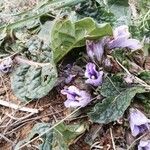
Mandragora officinarum
Mandrake · Autumn mandrake · Mediterranean mandrake · Love Apple · Garden Mandrake
Description
Source: leafsnapMandragora officinarum, commonly known as mandrake, is a perennial herbaceous plant belonging to the Solanaceae family. Native to the Mediterranean region, it has been used for medicinal and ritualistic purposes for centuries. The plant is known for its thick, fleshy root that resembles a human figure and is associated with various myths and legends throughout history. The leaves of Mandragora officinarum are dark green, ovate in shape, and have wavy margins. Its flowers are bell-shaped with purple or greenish-yellow petals, blooming from May to June. The plant produces yellow or orange berries, which contain numerous seeds. Mandragora officinarum contains various alkaloids such as hyoscyamine, scopolamine, and atropine, which have medicinal properties, including analgesic (pain-relieving), sedative (calming), and antispasmodic (muscle-relaxing) effects on humans. However, it should be noted that mandrake can be toxic if ingested in large quantities, causing hallucinations or even death. Therefore, it should only be used under medical supervision by qualified professionals. In addition to its medicinal properties, mandrake features prominently in folklore and mythology. It was believed to possess magical powers, such as curing infertility or granting wishes when harvested under specific conditions, such as during full moon nights while wearing earplugs. This precaution was due to its supposed deadly scream when uprooted from the soil, which could cause madness if heard by nearby humans. Overall, Mandragora officinarum remains an intriguing plant due to its unique appearance, historical significance, and potential medical benefits. However, caution must be exercised when handling this powerful herbaceous perennial.
Care Guide
💧 Water Every 7 days
Mandrake, which originates from the Mediterranean, thrives best in drier conditions and moderate winters. Unlike tropical plants, it requires only weekly watering. As an herbaceous perennial, mandrake's water needs are closely linked to its growth cycle and periods of dormancy. Consequently, seasonal temperature changes play a crucial role in its development.
How should I water my Mandrake plant?
To properly water the Mandrake plant, it is recommended to use filtered water at room temperature. Tap water should be avoided as it may contain harmful particles. The water temperature should match the warm environment that the Mandrake is accustomed to, as cold water can be detrimental. Avoid overhead watering as it can lead to foliage issues. Instead, focus on saturating the soil with the filtered room temperature water. This allows the roots to absorb nutrients and continue to spread throughout the soil.
What should I do if I give my Mandrake too much or too little water?
Overwatering is a common issue for Mandrakes and can cause wilting, yellowing leaves, and diseases like root rot, mold, and mildew. Underwatering is less common, but it can make the leaves brittle and brown. To care for your Mandrake, it's important to spot the signs of overwatering early and reduce watering immediately. Assess the soil's drainage and replace it if necessary. If your Mandrake seems to be receiving too little water, simply increase watering until the signs disappear.
How often do I need to water my Mandrake?
If your Mandrake plant is in a pot, the best way to tell if it needs water is by checking the soil. Stick your finger into the soil and if the top two to three inches feel dry, it's time to water it. If you have your Mandrake planted outdoors in the ground, you can use a similar method. When the top few inches of soil are dry, it's time to water it. In the spring and early fall, you'll typically need to water your plant about once a week using this method. However, during hot weather, you may need to water it twice or more per week. It's worth noting that mature, well-established Mandrake plants can handle drought quite well.
How much water does my Mandrake plant need?
When watering your Mandrake, don't be afraid to water generously. Wait until the first two to three inches of soil are dry and then give the plant a good, thorough watering. Make sure to add enough water to completely saturate the soil, causing excess water to flow out of the drainage holes at the bottom of the pot. If you don't see water draining out, it means you haven't watered enough, but be careful not to let water accumulate in the soil, as this can harm the plant. On the other hand, if water doesn't drain properly, it could be due to poorly draining soil, which is bad for the plant's health. If the Mandrake is outside, 1 inch of rain per week should be enough.
How do I water my Mandrake plant as it grows?
The water requirements of the Mandrake can vary depending on its growth stages. When your Mandrake is young or has just been transplanted, it will require more water. During these stages, the Mandrake is focused on developing new roots, which need additional moisture for optimal growth. As the Mandrake matures, it will require less water. However, another stage in which it may need more water is during the blooming period. Flower development requires a significant amount of moisture, so you may need to provide extra water during this time.
☀️ Light Full sun
Mandrake flourishes in ample sunlight, prospering in settings that are bathed in substantial amounts of light. Concurrently, it possesses the ability to endure situations of reduced light. Nonetheless, a deficiency of light can negatively impact its vigorous growth. It's original environment, which is wide and sunny, equally reflects its pronounced preference for luminous conditions.
What are the sunlight requirements for Mandrake?
Mandrake requires abundant sunlight, performing best in environments that are generously lit. It is well-suited to full sun conditions, with a preference for more than 6 hours of sunlight daily, but can also tolerate partial sun, with about 3-6 hours of sunlight. Its native habitat is open and sunny, indicating its significant need for light. Lack of sufficient sunlight can adversely impact its growth, underscoring the importance of choosing planting locations that ensure an optimal balance of light and shade.
What should I do if my Mandrake does not receive enough natural sunlight?
If your Mandrake does not receive enough natural sunlight, especially during winter or in less sunny indoor spaces, artificial lighting can be a beneficial alternative. Ensuring your plant receives adequate light involves selecting the right type of light, such as LED lights, which can provide the specific wavelengths needed by plants. Full sun plants typically require 30-50W/sq ft of artificial light, while partial sun plants need 20-30W/sq ft. It's vital to position the light source 12-36 inches above the plant and maintain a duration that mimics natural daylight hours, generally 8-12 hours of light per day.
What are the signs of insufficient light exposure in Mandrake?
Signs of insufficient light exposure in Mandrake include smaller new leaves, leggy or sparse growth, faster leaf drop, slower or no new growth, and development of lighter-colored or yellow leaves. These symptoms indicate a struggle in light absorption, leading to a lack of chlorophyll and essential nutrients. Additionally, conditions like chlorosis, sunscald, leaf curling, wilting, and leaf scorching may develop with inappropriate light levels, highlighting the necessity of monitoring and adjusting the plant's light environment.
How can I address sunlight deficiency for my indoor and outdoor Mandrake plants?
To address sunlight deficiency for Mandrake plants, indoors you can gradually relocate the plant to a sunnier spot each week until it receives at least 6 hours of direct sunlight daily or use artificial lighting solutions like grow lights for at least 8 hours a day. For outdoor plants, gradually move them to sunnier locations to avoid sunburn, and consider the healing potential for damaged parts of the plant with increased light exposure. For ground plants, minimize obstructions like overhanging branches. Transplanting during the plant's dormant period to sunnier locations with good drainage can also help.
🌡️ Temperature 10–35°C
Mandrake initially grows in settings with temperatures spanning from 50 to 95 °F (10 to 35 ℃). This vegetation favors hot weather conditions and may require additional safeguards during cold periods if temperatures drop.
What is the ideal temperature range for growing Mandrake?
Mandrake thrives in environments with temperature ranges from 50 to 95°F (10 to 35°C), preferring warm climates. While the plant has strong cold resistance, allowing it to withstand cold seasons without special frost protection measures, it still needs extra care if temperatures are expected to drop below -25°C. In such cases, cold protection can be provided by covering the plant with soil or straw. Additionally, watering the plant abundantly before the first freeze in autumn helps ensure the soil remains moist into the frozen state, preventing drought and water scarcity during winter and early spring.
What are the important symptoms to watch for in Mandrake due to temperature changes?
For Mandrake, cold tolerance is a significant feature, and it thrives best when temperatures are above 10°C. However, if temperatures drop below -25°C, there might not be visible changes during winter, but a decrease in spring sprouting or even no sprouting may occur. During summer, it is crucial to keep Mandrake below 35°C because temperatures above 38°C can cause the leaves to become lighter, prone to curling, susceptible to sunburn, and in severe cases, can lead to the entire plant wilting and becoming dry. Solutions include removing non-sprouting parts in spring, trimming sunburned and dry parts, providing shade, and ensuring moist soil through watering in the mornings and evenings.
What is the botanical name of Mandrake?
The botanical name of Mandrake is Mandragora officinarum.
💨 Humidity normal (40-60%)
This plant will thrive in moderate humidity, which is probably the level in your home. However, misting it a few times a week can be very beneficial. Make sure the room has good ventilation.
🪴 Soil 6-7
🌱 Fertilizer
The best period to nourish a Mandrake is during the onset of spring, when it transitions from a dormant state to a phase of active growth. Fertilization imparts essential nutrition for robust growth. Even though a Mandrake's need for fertilization is fairly modest, offering nutrients annually can improve its resilience, and foster superior, more enduring blooms.
Why should I fertilize my Mandrake?
Fertilization is important for the Mandrake as it provides key nutrients for growth. Although their fertilization needs are relatively low, annual fertilization can greatly benefit the plant. It helps keep the Mandrake alive and may improve the quality and longevity of its flowers. For those wanting their Mandrake to look its best, regular annual fertilization is recommended.
When should I fertilize my Mandrake plant for best results?
The best time to fertilize a Mandrake is from late winter to early spring when it is transitioning from dormancy to active growth. Fertilizing at this time promotes healthy growth and sets the plant up for a successful season. Although early spring is the most beneficial period, fall is also an acceptable time to fertilize. However, it is not recommended to fertilize during summer or winter.
When is it not a good idea to fertilize my Mandrake?
To properly care for your Mandrake plant, it is important to note the specific times of the year when fertilization is necessary. Fertilizing should only occur during late winter and early spring, as this plant has low fertilization needs and one annual feeding is sufficient. Overfertilization can occur if you continue to fertilize throughout spring, summer, and fall, which can lead to complications. However, if you happened to miss fertilizing in spring, it is acceptable to provide fertilizer in the fall. It is important to remember that during the majority of the growing season, it is best to avoid fertilizing altogether. Additionally, there is no need to fertilize during the winter since the Mandrake is in a dormant growth phase, lacking new growth. Therefore, it is not advisable to fertilize during most of the winter.
What kind of fertilizer does my Mandrake plant require?
When fertilizing your Mandrake plant, there are a few options you can consider. Any general-purpose fertilizer with a balanced amount of the three main plant nutrients will work well for a Mandrake. However, there are specific nutrient blends that can be even more beneficial. Many gardeners believe that higher levels of phosphorus can result in stronger roots and better flowers. Since Mandrakes are flowering plants, using a phosphorus-rich fertilizer may be the best approach. Whether you choose a granular or liquid fertilizer, as long as it contains plenty of nutrients, it will be effective. In addition to manufactured fertilizers, you can also improve the soil for your Mandrake by using organic materials like compost and manure. These materials can significantly contribute to the creation of a healthy growing environment for your Mandrake.
How can I help my Mandrake grow better?
To fertilize a Mandrake, the most common method is to use a granular or pellet fertilizer. Remember to apply the fertilizer when the plant is transitioning from dormancy to active growth, usually in early spring when shoots start emerging from the soil. If you prefer a liquid fertilizer, dilute it with water before applying. Always ensure that the soil is moist before, during, and after fertilization, regardless of the type of fertilizer you choose to use.
🪴 Pot & Repot Every 12 months
✂️ Pruning
Mandrake has a thick, forked root and a cluster of oval-shaped leaves. To encourage healthy growth, improve airflow, and prevent disease, it's important to prune regularly from early to late spring. This also helps reduce the risk of root rot and ensures the plant's overall vitality.
🌿 Propagating
🐛 Diseases & pets
☠️ Toxicity
Characteristics
- Plant Type
- Herb
- Life Cycle
- Perennial
- Genus
- Mandragora
- Family
- Solanaceae
- Hardiness Zone
- 6-9
- Mature Height
- 10 cm
- Mature Spread
- 30 cm
- Leaf Color
- Green
- Leaf Type
- Deciduous
- Flower Color
- Purple, Green, White
- Flower Size
- 3.05 cm to 5.08 cm
- Bloom Time
- Early spring, Mid spring
- Planting Time
- Spring, Summer, Autumn
- Harvest Time
- Early summer, Mid summer
- Native Area
- Turkey, Tunisia, Italy, Spain, Cyprus, Algeria, Greece, Croatia, Morocco, Lebanon, Portugal