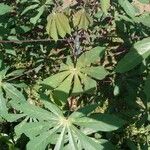
Manihot esculenta
Cassava · Tapioca · Manioc tapioca · Bitter cassava · Manioc
Description
Source: leafsnapManihot esculenta, commonly known as cassava or yuca, is a perennial woody shrub belonging to the Euphorbiaceae family. Native to South America, it has been widely cultivated in tropical and subtropical regions across the globe for its starchy tuberous roots. Cassava plants can grow up to 3 meters tall, with long, slender stems and large, deeply lobed, palmate leaves. The roots are cylindrical or conical in shape, featuring a rough brown exterior and white flesh inside. Cassava is a crucial food crop for millions of people in Africa, Asia, and South America, as it provides a significant source of carbohydrates. The roots can be boiled, fried, or roasted, while the leaves can be cooked similarly to spinach. Beyond its culinary uses, cassava has several other applications. It is used in animal feed production due to its high starch content, in industrial processes for producing biofuels, and in medicinal contexts for its high fiber content, which aids digestion. However, it is important to note that cassava contains cyanide, making it toxic if not properly processed before consumption. Therefore, proper preparation methods, such as peeling and thorough cooking, should always be followed when consuming this plant. Overall, the Manihot esculenta plant plays a vital role in providing food security, especially in developing countries where other crops may not thrive due to harsh climatic conditions, making it an essential crop globally.
🌳 Cassava has a notable use in biofuel production. Because its roots are rich in carbohydrates, they can be fermented into ethanol — an eco-friendly and efficient biofuel. Besides its usual food and textile applications, cassava leaves are high in protein and can serve as an alternative feed for livestock.
🎭 Root, its axis, its internal strength
Care Guide
💧 Water Every 7 days
Cassava, a plant native to tropical South America, is highly drought-tolerant and thrives with intermittent rainfall. It needs watering every 1-2 weeks. For optimal growth, cassava should be cultivated outdoors in well-draining soil, which replicates its natural pattern of occasional rain and dry periods.
How should I water my Cassava plant for optimal results?
To properly water the Cassava plant, it is best to use filtered water that is at room temperature. Tap water may contain harmful particles, so filtered water is preferred. The water should be at room temperature or slightly warmer since the Cassava plant is accustomed to warm conditions and cold water can shock its system. Additionally, avoid overhead watering as it can cause issues with the plant's foliage. Instead, gently apply the filtered room temperature water directly to the soil until it is thoroughly soaked. This helps moisten the roots and aids in their spread through the soil, enabling them to collect necessary nutrients.
What should I do if I give my Cassava plant too much or too little water?
Overwatering is a more common issue than underwatering for Cassava plants. When Cassava receives too much water, its stems and leaves may wilt and turn yellow. Over time, prolonged overwatering can lead to diseases like root rot, mold, and mildew, which can be fatal for the plant. Cassava has decent drought tolerance, so underwatering is less common. However, when underwatering occurs, the leaves will become brittle and brown. It's important to be aware of the signs of overwatering and take action quickly. Diseases caused by overwatering, such as root rot, may not be fixable if left unaddressed for too long. If you notice early signs of overwatering, reduce your watering schedule and check the quality of the soil. If the soil drains poorly, replace it with a loose, well-draining potting mix. Conversely, if you notice signs of underwatering, increase the frequency of watering until the signs improve.
How frequently should I spray water on my Cassava plant?
If you have a potted Cassava plant, the best way to determine if it needs water is to stick your finger into the soil. If the top two to three inches of soil feel dry, it's time to water the plant. If you have a Cassava plant growing outdoors in the ground, you can use the same method to check the soil. Once again, if the top few inches of soil are dry, it's time to give the plant some water. Typically, during the spring and early fall, you'll need to water your Cassava plant about once a week using this method. However, when it gets extremely hot, you may need to increase watering to about twice a week or more. That being said, mature and well-established Cassava plants have a remarkable ability to withstand periods of drought.
How much water does my Cassava plant need?
Here are some tips for watering your Cassava plant. Make sure you give it enough water, especially when the first two to three inches of soil are dry. It's important to thoroughly soak the soil, making sure the water reaches the bottom of the pot. You'll know you've added enough water when you see excess water flowing out of the drainage holes at the bottom. If you don't see any excess water draining, you may have underwatered the plant. However, be careful not to let water accumulate inside the soil, as this can harm the plant. On the other hand, if you notice that water isn't draining properly, it could be a sign of poorly draining soil, which is not good for the plant's health. Lastly, if your Cassava plant is outside, about 1 inch of rain per week should be enough.
How do I water my Cassava plant at different stages of its growth?
The water requirements of the Cassava plant vary depending on its growth stages. In its early years and after transplanting to a new location, the plant needs more water than usual. This is because it expends a lot of energy in developing new roots that will support future growth. These young roots require more moisture to perform optimally. As the plant matures over a few seasons, it requires less water. Another growth stage that demands increased watering is during the bloom period. During this time, significant moisture is needed for flower development in the Cassava plant.
☀️ Light Full sun
Cassava flourishes optimally when consistently exposed to sunlight, although it can also survive under mild shade. Its growth condition is significantly improved with lots of sun exposure, particularly during its growth stages. Naturally, its growth area was blessed with plenty of sunlight. Too little or too much sunlight could potentially impact its growth and vigor.
What are the sunlight requirements for Cassava?
Cassava requires full sun, meaning it needs above 6 hours of sunlight daily, although it can withstand partial sun, about 3-6 hours of sunlight. It's essential to observe the movement of sunlight through your garden to ensure your Cassava plants receive the perfect balance of light and shade. Originally, Cassava's growing environment is characterized by abundant sunlight, which significantly enhances its growth and health. Both less or excess sunlight can compromise the plant's growth and vitality.
How does artificial lighting support Cassava growth indoors?
Indoor Cassava plants require adequate lighting for optimal growth, especially when natural sunlight is insufficient, such as in winter or less sunny spaces. Artificial lights, such as LED lights, provide a vital solution by offering the specific wavelengths of light the plants need. For full sun plants, 30-50W/sq ft of artificial light is recommended; partial sun plants need 20-30W/sq ft, and full shade plants require 10-20W/sq ft. The light source should be placed 12-36 inches above the plant to mimic natural sunlight, and most plants need 8-12 hours of light per day.
What are the symptoms of light deficiency in Cassava?
Symptoms of light deficiency in Cassava include small or lighter-colored new leaves indicating a lack of chlorophyll, leggy or sparse growth which results in a thin and stretched-out appearance, faster leaf drop as the plant tries to conserve resources, and slower or no new growth as the plant enters survival mode. Additionally, chlorosis, sunscald, leaf curling, wilting, and leaf scorching are symptoms of light issues, with chlorosis being the loss of leaf greenness and sunscald involving damage from intense sunlight exposure.
What solutions exist for Cassava experiencing light deficiency?
To overcome light deficiency, gradually moving Cassava plants to sunnier locations, where they can receive at least 6 hours of direct sunlight daily, is recommended. For indoor plants that are large or not easily movable, using artificial light, like a desk or ceiling lamp for at least 8 hours daily or investing in professional plant grow lights, can provide sufficient light. If trees or other obstructions block sunlight outdoors, consider pruning to allow more sunlight through. For smaller plants, transplantation during their dormant period to a location with ample sunlight and good drainage may benefit their growth.
🌡️ Temperature 20–37.8°C
Cassava prospers in temperatures ranging from 68 to 100.4 ℉ (20 to 38 ℃). Its natural habitats, which relate to its temperature needs, are tropical and subtropical areas where the usual temperature is between 68 and 95 ℉ (20 to 35 ℃). To ensure the best possible growth circumstances, temperature modifications are required during distinct seasons.
What is the optimal temperature range for cassava growth?
The optimal temperature range for cassava (Manihot esculenta) growth is between 68 to 100.4°F (20 to 38°C). Cassava thrives in tropical and subtropical regions where the average temperature ranges from 68 to 95°F (20 to 35°C). To ensure optimal growth conditions, it's necessary to make seasonal temperature adjustments. Especially during the colder months, it's recommended to move outdoor-grown cassava indoors, positioning it near a bright window but away from direct heat sources to maintain temperatures conducive to growth. Cold temperatures can be detrimental to cassava, underlining the importance of keeping the environment within the suitable temperature range.
How does low temperature affect cassava, and what are the solutions?
Cassava is sensitive to low temperatures and thrives best when the environment is warmer than the minimum tolerable growing temperature. Exposure to temperatures below the critical growth limit can cause the leaves to lighten in color, and frost damage can lead to browning or blackening of leaves, wilting, and drooping. To mitigate the effects of cold exposure, frost-damaged parts should be trimmed off, and the plant should be moved to a warm, indoor environment for protection against the cold. A south-facing window is ideal for providing sufficient sunlight, but care should be taken to avoid placing the cassava near heaters or air conditioning vents, which can cause dry air conditions that are harmful to the plant.
How should cassava be cared for in high temperatures?
During the summer, to prevent heat stress, it is advisable to keep cassava below the maximum suitable growth temperature. Exceeding the tolerable high temperature can cause the leaves to lighten in color and increase susceptibility to sunburn. To care for cassava in high temperatures, removing sunburned and dried parts of the plant helps. Moving the plant to a shaded area during the peak sun hours of midday and afternoon provides protection. Additionally, watering the plant in the morning and evening helps maintain soil moisture, which is crucial for cassava's health in high temperatures.
💨 Humidity normal (40-60%)
This plant will thrive in moderate humidity, which is probably the level in your home. However, misting it a few times a week can be very beneficial. Make sure the room has good ventilation.
🪴 Soil 5-6
🌱 Fertilizer
During its active period of growth—mainly in spring, summer, and the beginning of fall—Cassava will demand the highest quantity of fertilizer. The purpose of fertilization is to supplement vital nutrients which the ground might be deficient in, thereby encouraging robust root, stem growth and appealing foliage, a defining attribute of this specific plant.
Why should I add fertilizer to my Cassava plant?
All plants, including the Cassava, need soil nutrients for growth. However, it's not always guaranteed that the soil will have all the necessary nutrients. To address this, fertilization and soil amendments are used to provide both the basic nutrients and the specific ones needed for your garden plants. Cassava requires fertilizer to ensure healthy root and stem development. Fertilization also enhances the appearance of its foliage, which is especially important as it is the main ornamental feature of this plant.
When should I fertilize my Cassava plant?
Cassava requires the most fertilizer when it is actively growing, which is usually during spring, summer, and early fall. During this period, it is recommended to feed your Cassava every two to four weeks. As winter approaches, reduce the fertilization rate gradually until you stop feeding it entirely. During winter, the Cassava will have minimal growth.
When is it not a good idea to add fertilizer to my Cassava plant?
For most of the year, including spring, summer, and most of the fall, you should regularly feed your Cassava. However, if you notice that your Cassava has received too much fertilizer or if you have fertilized it incorrectly, causing fertilizer burn or other issues, you need to fix the problem before resuming a regular feeding schedule. The only time you should avoid fertilizing a Cassava is during winter. If you grow this plant indoors in a cold winter area, it will go into a dormant phase. Feeding the plant during this phase is unnecessary and unhelpful for its growth, and it is likely to cause fertilizer burn.
What kind of fertilizer should I use for my Cassava plant?
When fertilizing Cassava, it is important to have a specific blend of nutrients, with each nutrient present in relatively low amounts. An ideal fertilizer would have an N-P-K ratio of 3-1-2. However, in some cases, a general-purpose fertilizer with an even blend of nutrients can also work well. Regardless of the type of fertilizer used, the ratio number representing the volume of each nutrient should be at 10 or lower. There are two options for the fertilizer base: granular or liquid. If choosing a liquid-based fertilizer, it is generally recommended to dilute the strength by half. Granular fertilizer, on the other hand, has fewer drawbacks but using liquid fertilizer is often more practical, especially if you are providing water while feeding your Cassava plant.
How can I fertilize my Cassava plant?
When purchasing fertilizer for your Cassava, it is important to follow the application instructions provided. For Cassava specifically, it is recommended to fertilize just before or during watering to prevent root burn. If using a slow-release granular fertilizer, sprinkle it on the soil and then immediately water it. If using a liquid-based fertilizer, dilute it with water, apply to the soil, and then add a little extra water. It is especially important to dilute the fertilizer by at least half in spring and fall when the plant's growth is increasing or decreasing.
🪴 Pot & Repot 2-3 years
While repotting Cassava, select a pot that's 1-2 inches (2.5-5 cm) bigger with sufficient drainage. Opt for a potting mix that drains well. Carry out the repotting process during spring or fall, making sure that the root ball sits a little below the pot's rim. After repotting, water it well and position it in a warm location where it will receive indirect sunlight.
✂️ Pruning
Cassava benefits from pruning, which should be done from early to late spring. By removing damaged or crowded stems, you can improve the plant's health and increase its yield. Pay special attention to the lower branches to help prevent disease. Regular pruning also promotes better root and tuber growth. Remember to always sterilize your tools to prevent infection.
🌿 Propagating
🐛 Diseases & pets
☠️ Toxicity
Characteristics
- Plant Type
- Herb
- Life Cycle
- Perennial
- Genus
- Manihot
- Family
- Euphorbiaceae
- Hardiness Zone
- 10-12
- Mature Height
- 1.52 m to 4.88 m
- Mature Spread
- 1.83 m to 3.05 m
- Leaf Color
- Green, Variegated
- Leaf Type
- Evergreen
- Flower Color
- White, Yellow, Green, Pink, Red, Gold
- Flower Size
- 2.54 cm
- Bloom Time
- Mid spring, Late spring, Early summer, Mid summer
- Planting Time
- Spring
- Harvest Time
- Late spring, Early summer, Mid summer
- Native Area
- Colombia, Belize, Honduras, Mexico, Guatemala, Bolivia, Venezuela, Peru, Brazil, El Salvador, Nicaragua, Ecuador, Costa Rica, Panama