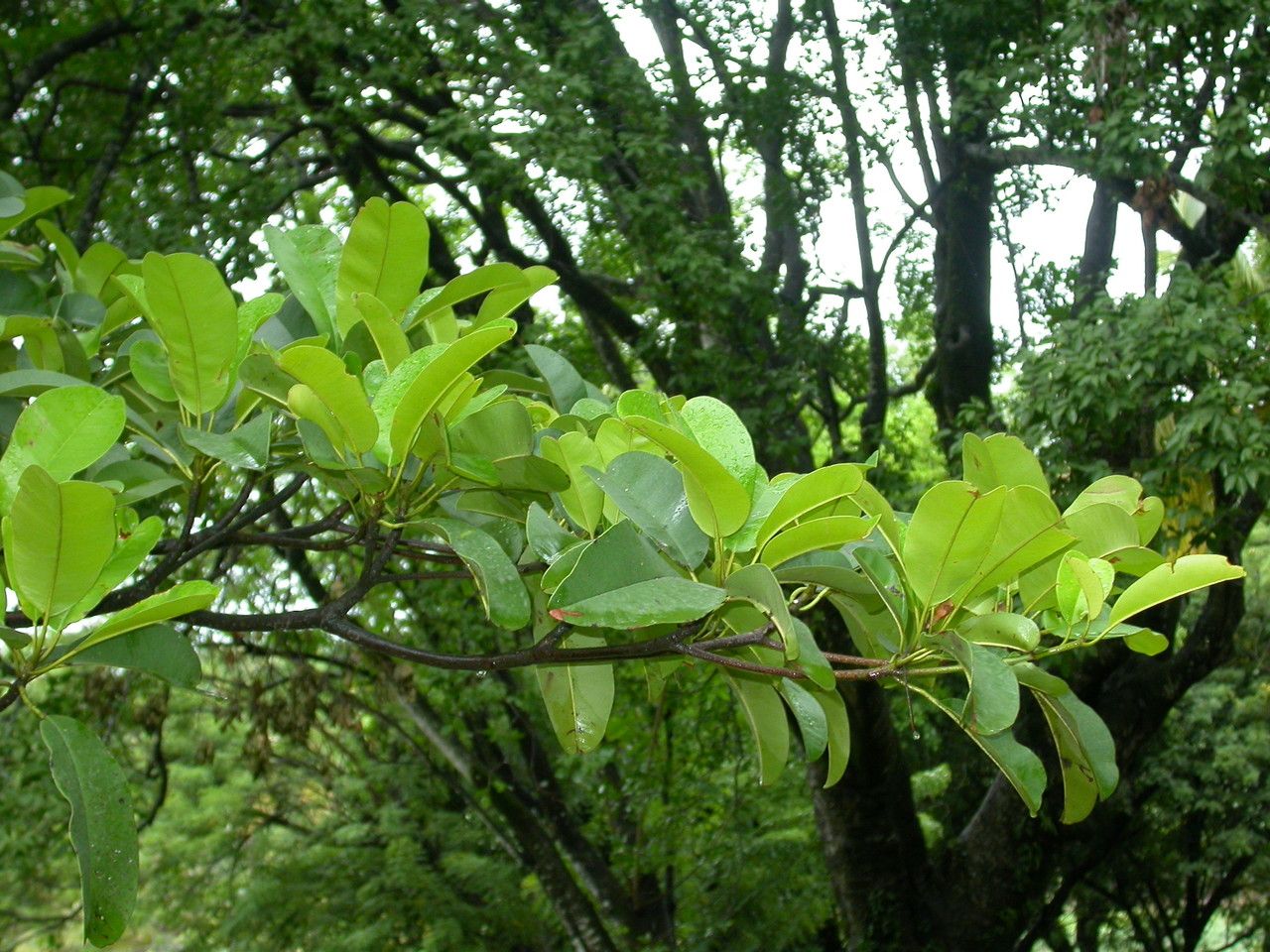
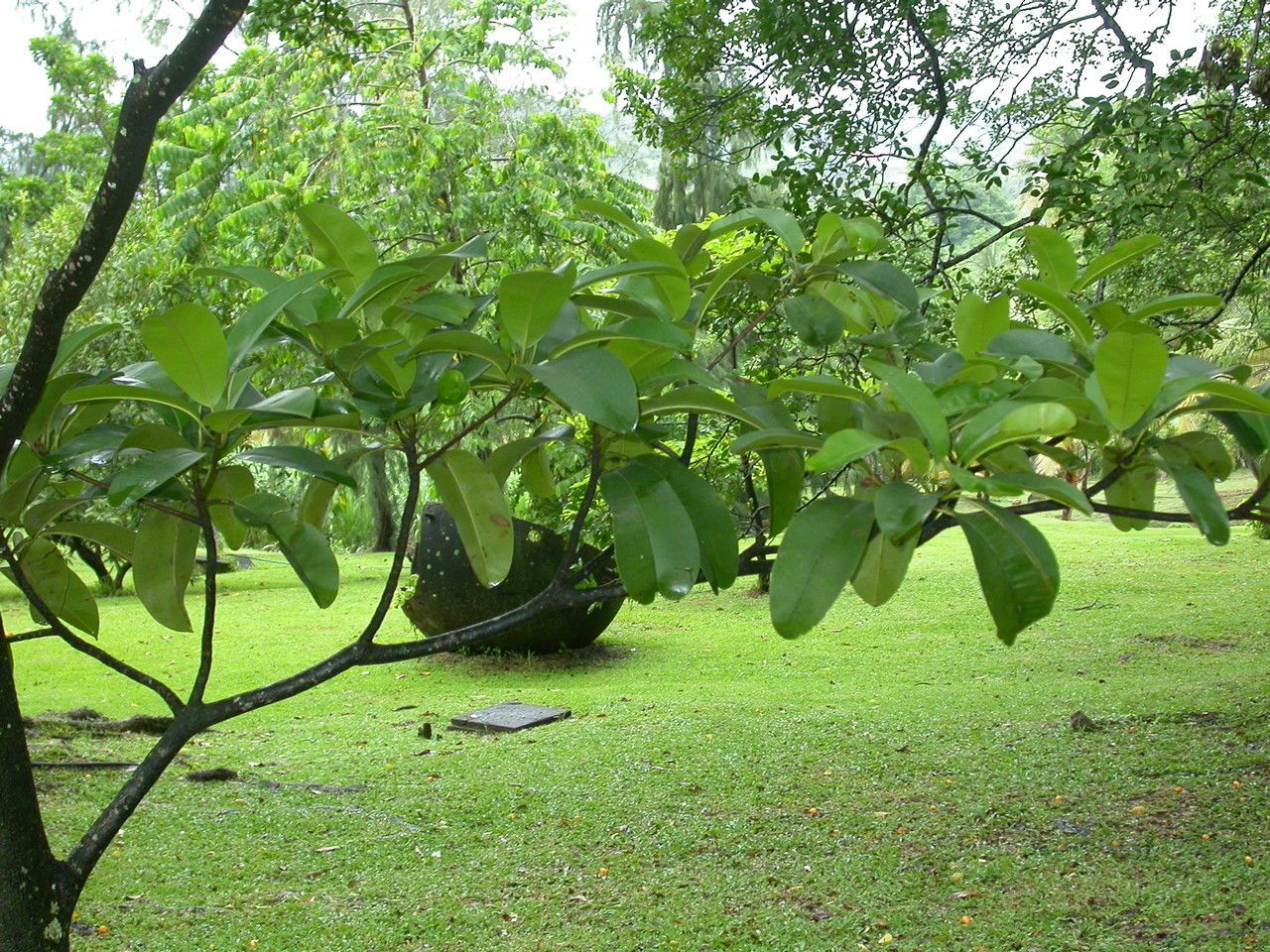
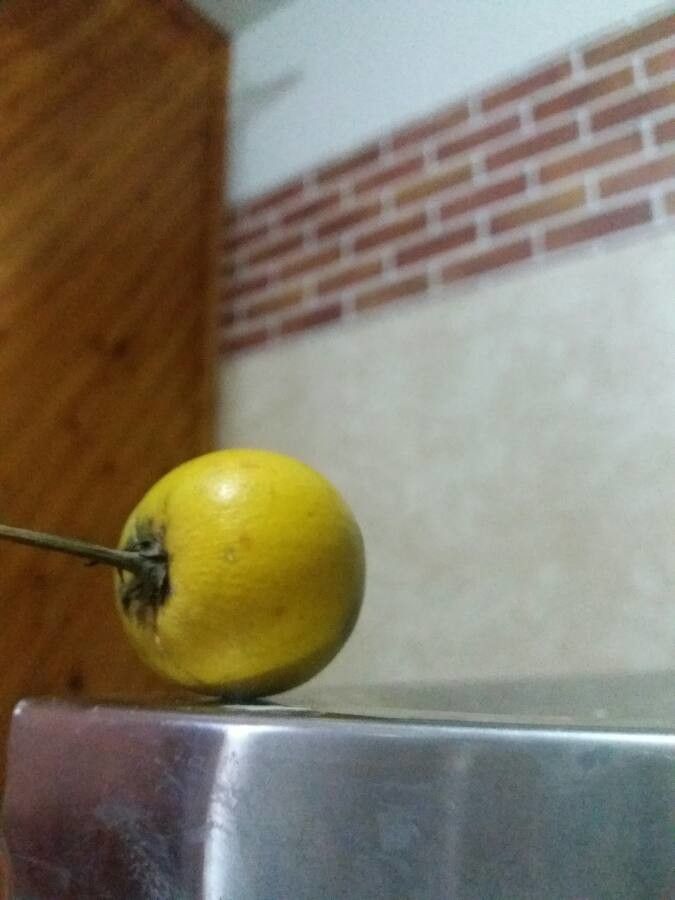
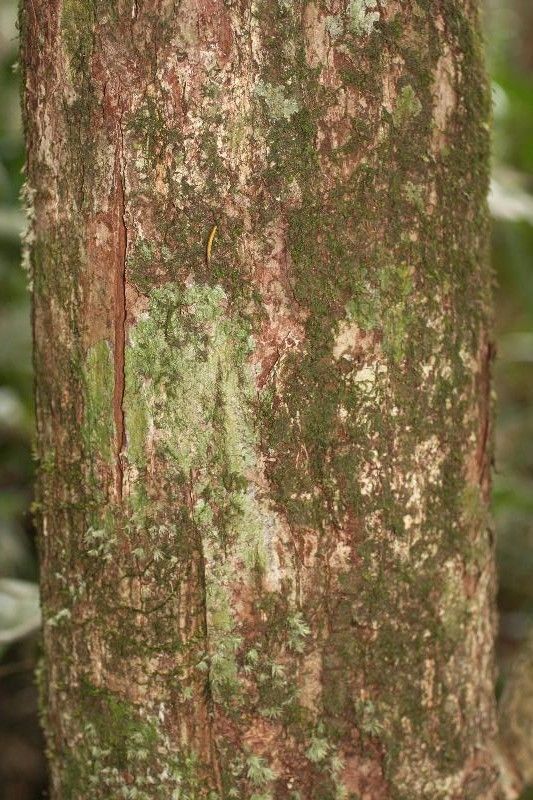
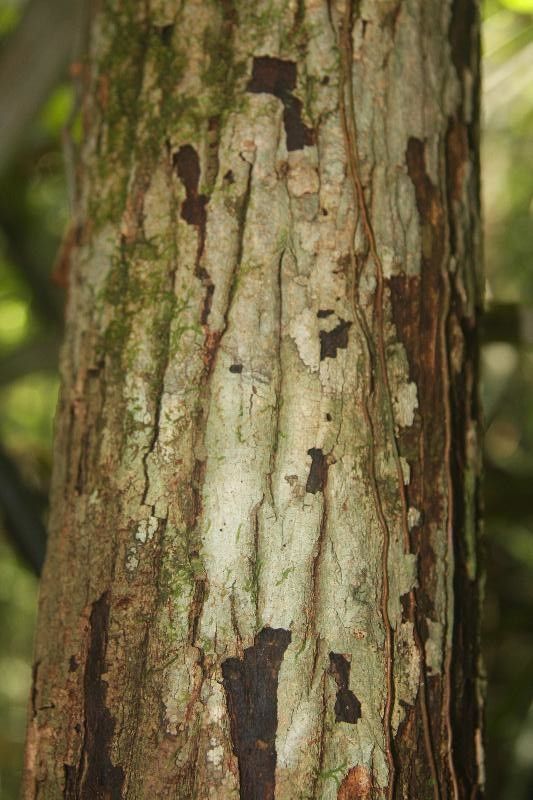
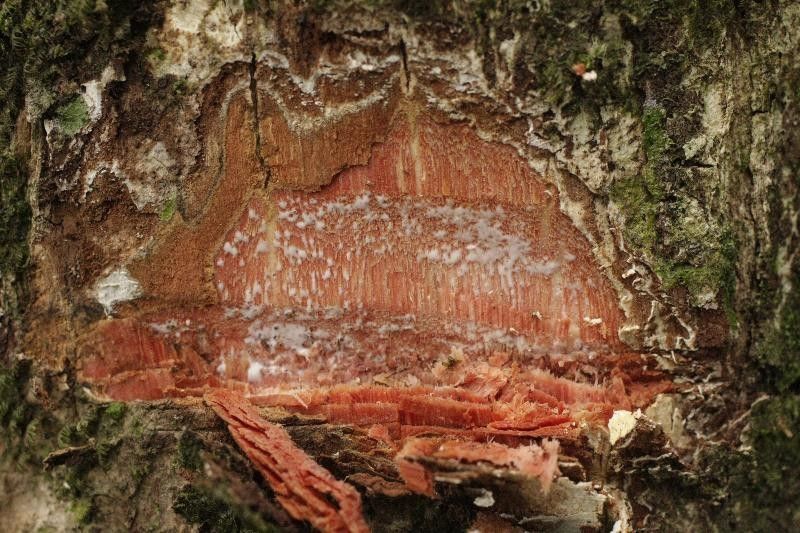
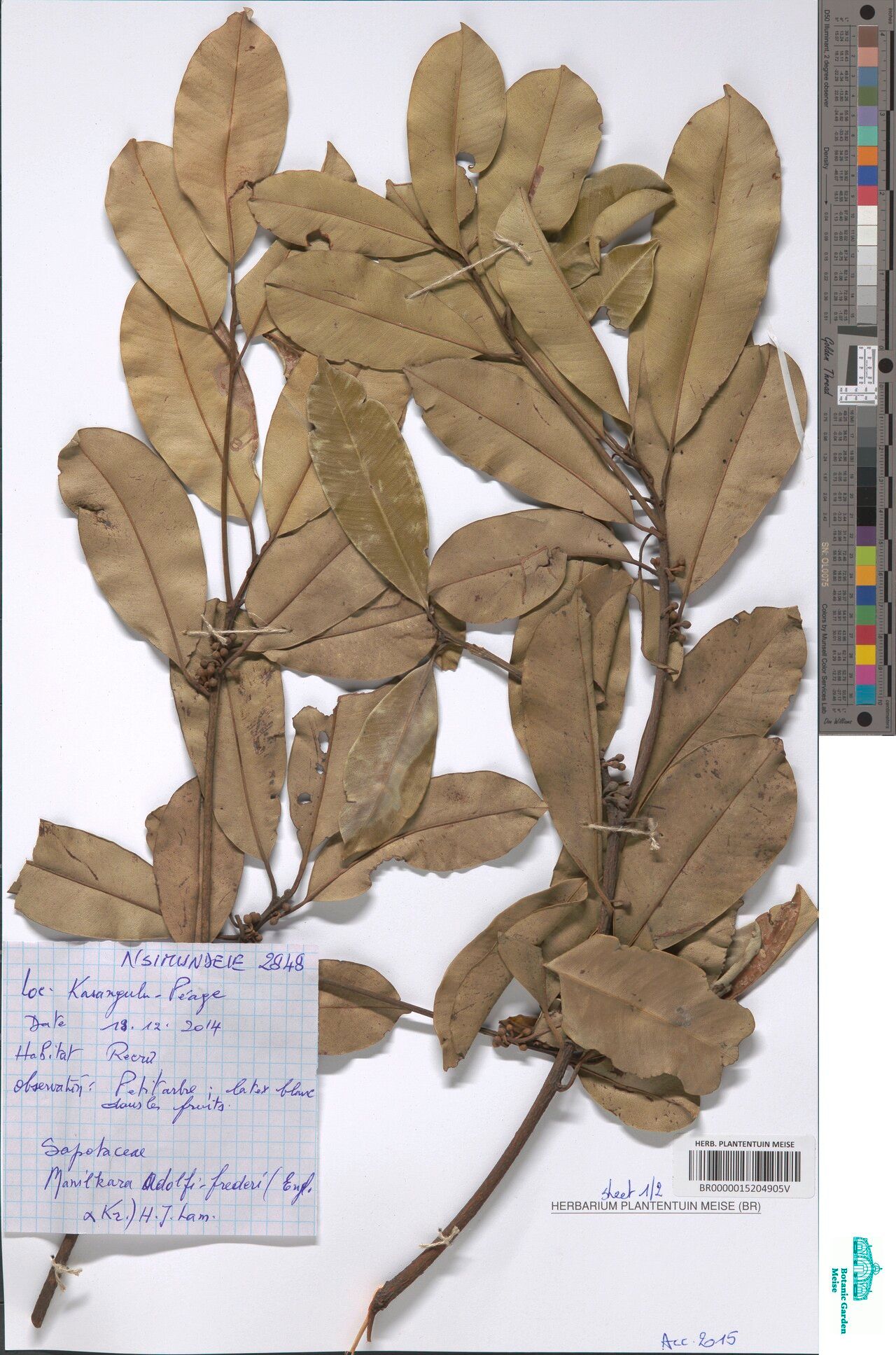
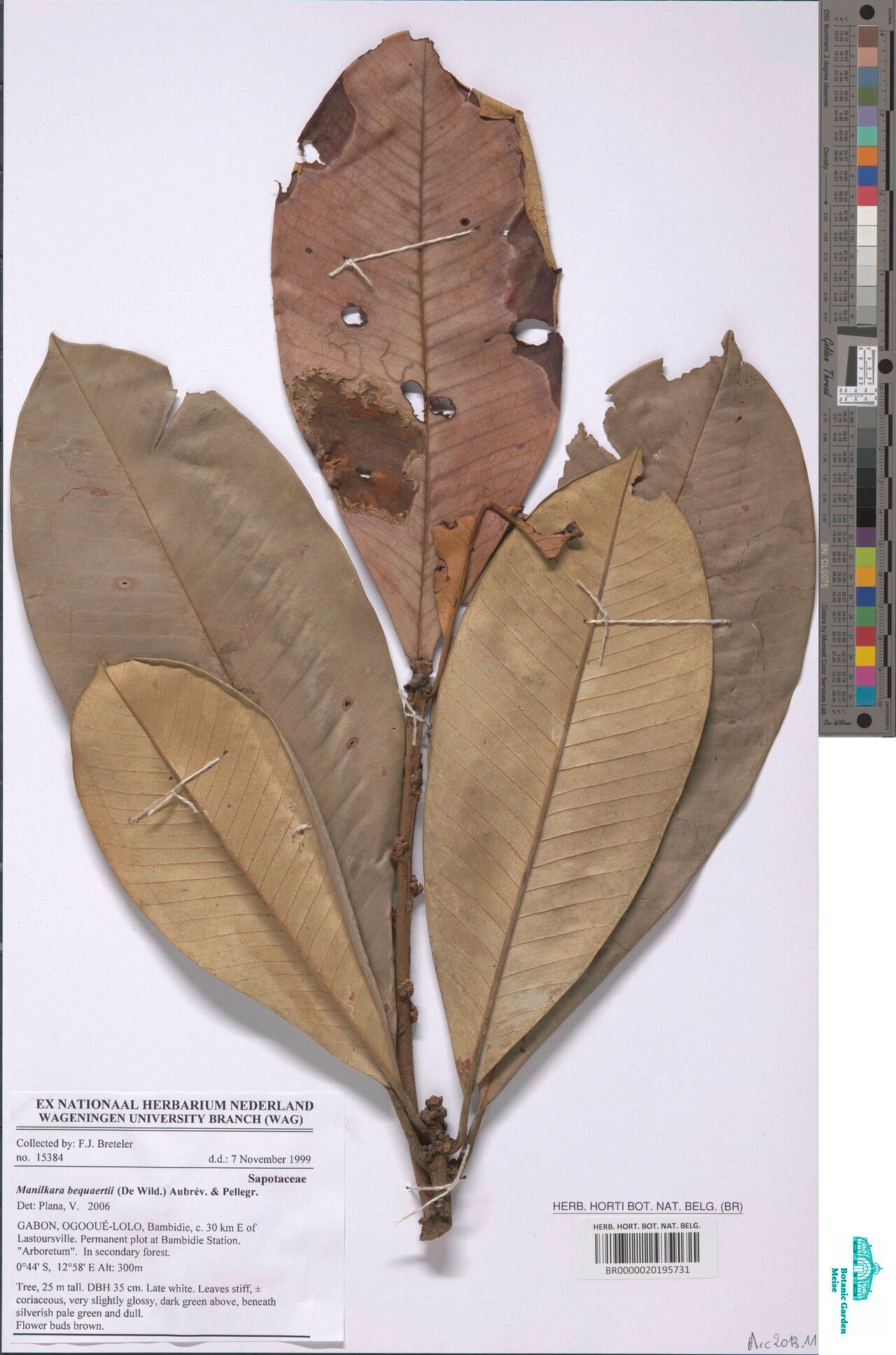
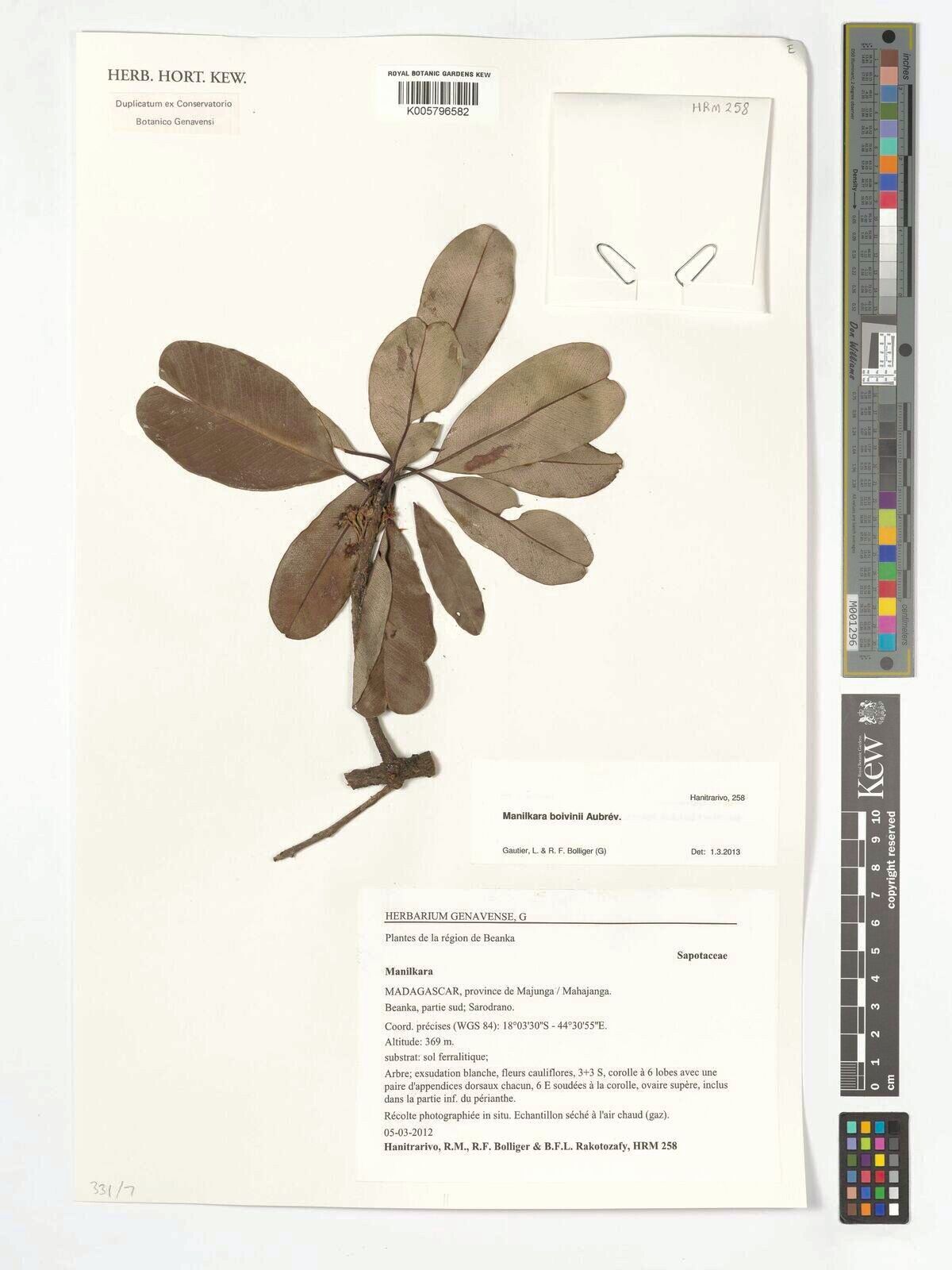
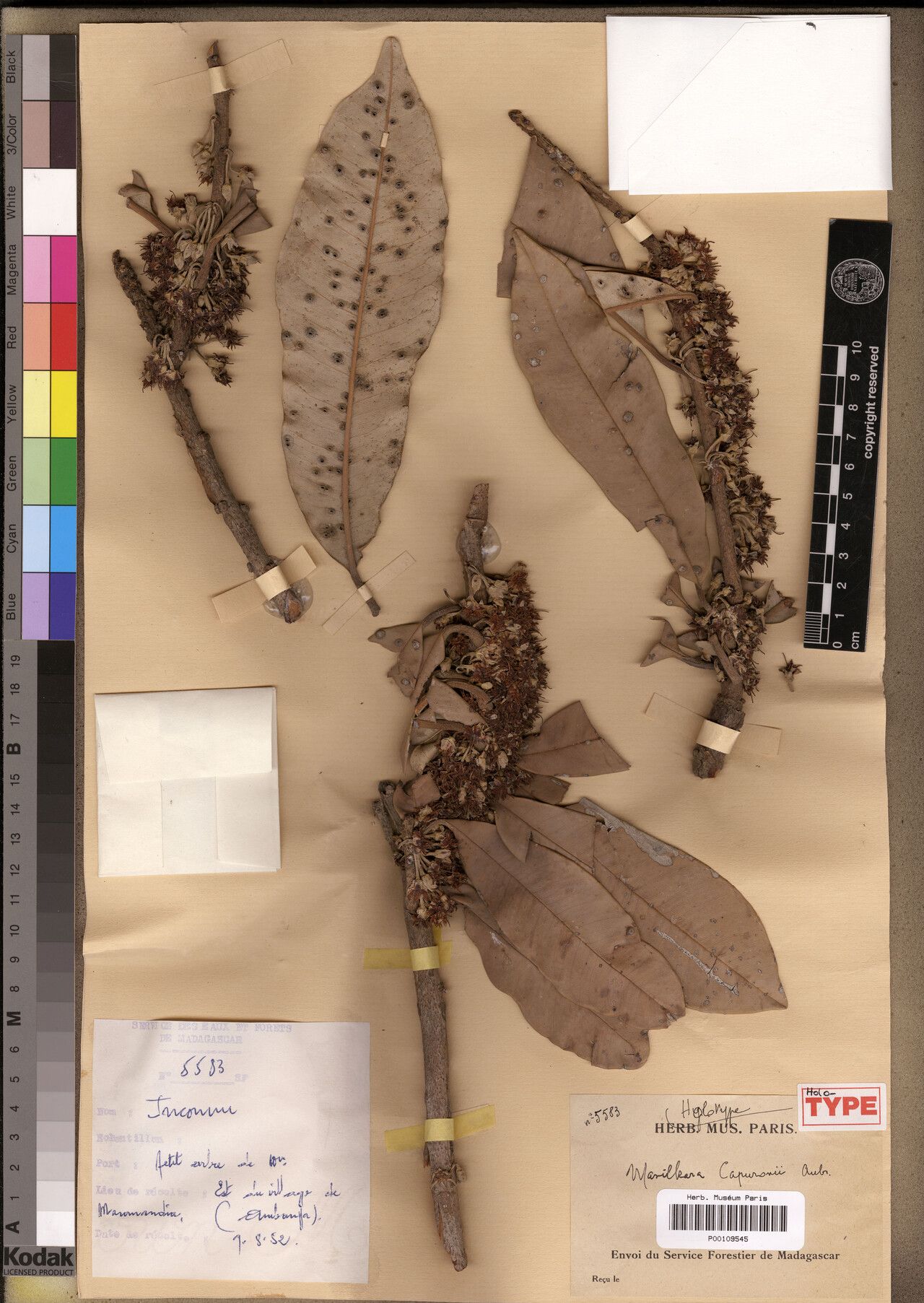
Manilkara bidentata is a species of Manilkara native to a large area of northern South America, Central America and the Caribbean. Common names include bulletwood, balatá, ausubo, massaranduba, and (ambiguously) "cow-tree".
Balata has strong resistance to disease and is usually not susceptible to illnesses. In terms of care, this plant is fairly low maintenance. When grown outdoors it needs only minimal watering, and larger plants typically do not require pruning. Smaller plants, however, should be pruned after they finish blooming. Balatat is suitable for anyone with outdoor space, such as a garden or deck, and does not require a lot of care experience.
How to keep Manilkara Bidentata.
Light
Balata comes from open habitats, like sunny meadows and forest margins, which offer plenty of light. It prefers Full Sun but can withstand Partial Sun, adapting well to different light conditions.
Water
Balata, a native plant of tropical rainforests, thrives in high humidity and requires regular weekly watering to stay healthy. As an evergreen, it retains its foliage year-round and benefits from consistent soil moisture for optimal growth. This is particularly important when it is grown outdoors, where it can fully display its lush character.
Temperature
Balata comes from tropical areas, where the climate is generally warm and humid. Therefore it is well suited to high heat and moisture. It is sensitive to abrupt temperature shifts and favors a steady thermal environment, so preventing temperature swings indoors is important. It typically cannot withstand cold and needs warmer conditions to grow. If temperatures fall too low, the plant may stop growing or even die.
Fertilizer
Use organic fertilizers (e.g., fish emulsion or compost) instead of chemical fertilizers for Balata. Give young plants higher levels of nitrogen and phosphorus in spring. Incorporate compost or fertilizer into the soil before or after planting. For mature plants, apply a balanced fertilizer in spring or one specific to any deficiencies. Nutrient deficiency causes small leaves, short branches, yellow or bronze foliage, acidic fruits, premature fruit drop, and fruit splitting.
Pruning
The Balata tree is a hardwood species known for its dense canopy and latex-rich bark. To maintain its health, it is best to prune the tree from early to late winter. This practice helps remove damaged branches and encourages overall vitality. Thinning the crown allows better light and air circulation, which is beneficial for the tree. Additionally, using clean tools during pruning prevents the spread of disease. Regular pruning not only enhances the tree's structure but also boosts its latex production.
Botanical profile.
- Plant Type
- Tree
- Life Cycle
- Perennial
- Genus
- Manilkara
- Family
- Sapotaceae
- Hardiness Zone
- 10-12
- Mature Height
- 20.12 m to 29.87 m
- Mature Spread
- 10.06 m to 14.94 m
- Leaf Color
- Dark Green, Forest Green
- Leaf Type
- Evergreen
- Flower Color
- White
- Flower Size
- 0.51 cm to 0.76 cm
- Bloom Time
- Late spring, Early summer, Mid summer
- Planting Time
- Spring, Summer
- Harvest Time
- Late summer, Early fall, Mid fall
Other names.