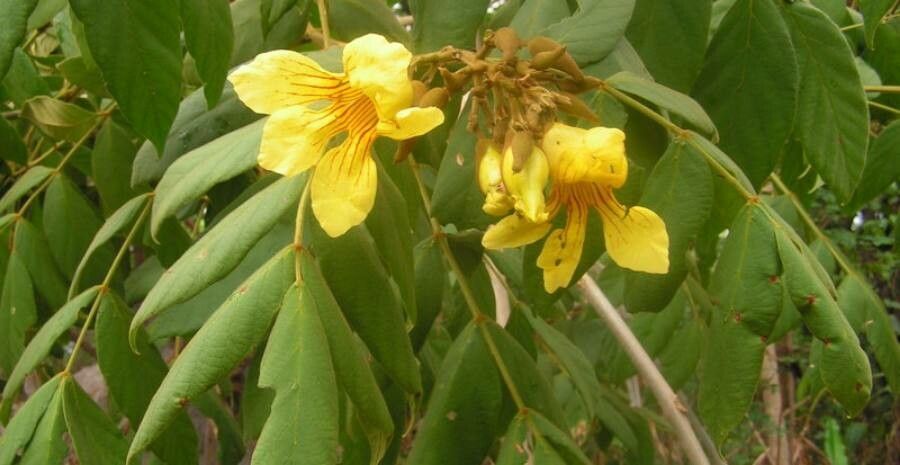
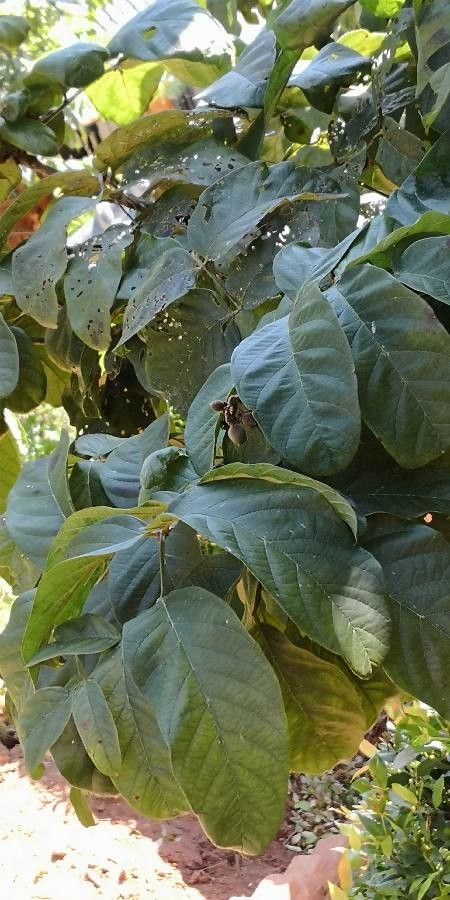
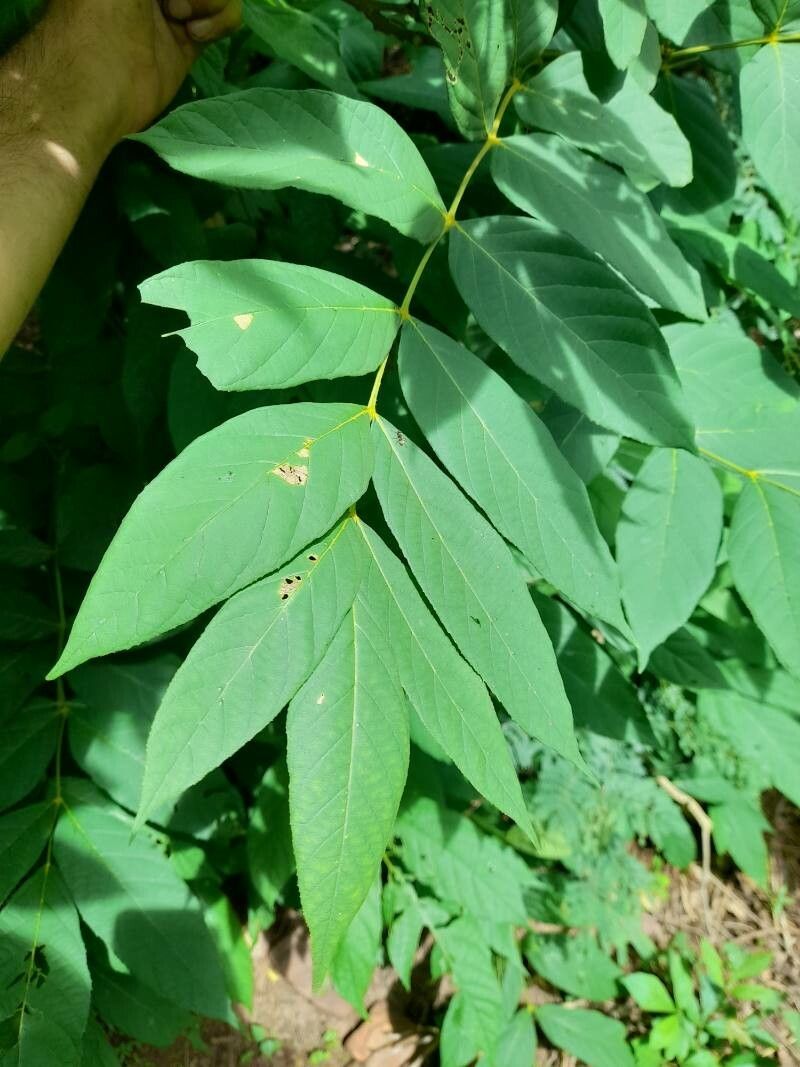
Markhamia zanzibarica, also known as bell bean tree or maroon bell-bean, is a species of plant in the family Bignoniaceae. It is found in East Africa and Southern Africa, from Kenya to South Africa.
Maroon bell-bean is resistant to disease and is typically not prone to illnesses. In terms of care, the plant is fairly low-maintenance. Planted outdoors it needs only minimal watering, and larger specimens usually do not require pruning. Smaller plants, however, should be pruned after they have finished blooming. Maroon bell-bean is appropriate for anyone with an outdoor area, such as a garden or deck, and does not demand much prior care experience.
How to keep Markhamia Zanzibarica.
Light
Maroon bell-bean is native to open habitats, such as sunlit meadows and forest edges, which provide abundant light. It thrives in Full Sun but can also tolerate Partial Sun, adapting well to a range of light conditions.
Water
The maroon bell-bean flourishes in humid, tropical environments and needs regular watering, ideally twice a week. It adapts well to outdoor settings and benefits from natural rainfall, which supports its lush growth during peak seasons.
Humidity
This plant will thrive in moderate humidity, which is probably the level in your home. However, misting it a few times a week can be very beneficial. Make sure the room has good ventilation.
Temperature
Maroon bell-bean comes from tropical areas where the climate is generally warm and humid. Consequently, it is adapted to high temperatures and humidity. It does not tolerate sudden temperature shifts and prefers a stable thermal environment, so avoiding temperature fluctuations indoors is important. It typically cannot withstand cold and requires warmer conditions to grow. If the surrounding temperature falls too low, the plant may stop growing or even die.
Fertilizer
The best time to fertilize a Maroon bell-bean is in early spring, as it breaks dormancy. This supports overall growth and flower production. Fertilization improves the foliage, stems, and branches and encourages flowers that are large, vibrant, and long-lasting. It assists in moving nutrients from the roots to the flowers and enhances the plant’s health and resistance to disease.
Pruning
The Maroon Bell-Bean is known for its vibrant, tubular maroon flowers. To maintain its optimal health, it requires regular pruning in early spring. During pruning, focus on removing dead branches and improving air circulation, which helps promote blooming. Be sure to use sterilized tools to prevent infections and avoid pest problems. By consistently pruning, you encourage the plant to become bushier.
Botanical profile.
- Plant Type
- Tree
- Life Cycle
- Perennial
- Genus
- Markhamia
- Family
- Bignoniaceae
- Hardiness Zone
- 10-12
- Mature Height
- 3.35 m to 7.92 m
- Mature Spread
- 4.88 m to 7.92 m
- Leaf Color
- Green
- Leaf Type
- Deciduous
- Flower Color
- Yellow, Orange
- Flower Size
- 2.03 cm to 30.48 cm
- Bloom Time
- Summer, Early fall, Mid fall
- Planting Time
- Spring, Summer, Autumn
- Harvest Time
- Fall, Early winter, Mid winter
- Native Area
- Malawi, Angola, Mozambique, South Africa, Zambia, Namibia, Kenya, Congo (DRC), Botswana, Zimbabwe
Other names.
Reader questions.
What are the sunlight requirements for Maroon Bell-Bean (Markhamia zanzibarica)?
The Maroon Bell-Bean (Markhamia zanzibarica) thrives in various sunlight conditions. For full sun exposure, it requires above 6 hours of sunlight daily, which is ideal for its growth and flowering. For partial sun conditions, about 3-6 hours of sunlight is suitable, accommodating gardeners with slightly shaded gardens. It's important to observe how sunlight moves through your garden throughout the day to find spots that offer a perfect balance of light and shade. This careful placement ensures the health and happiness of your Maroon Bell-Bean, allowing it to grow optimally.