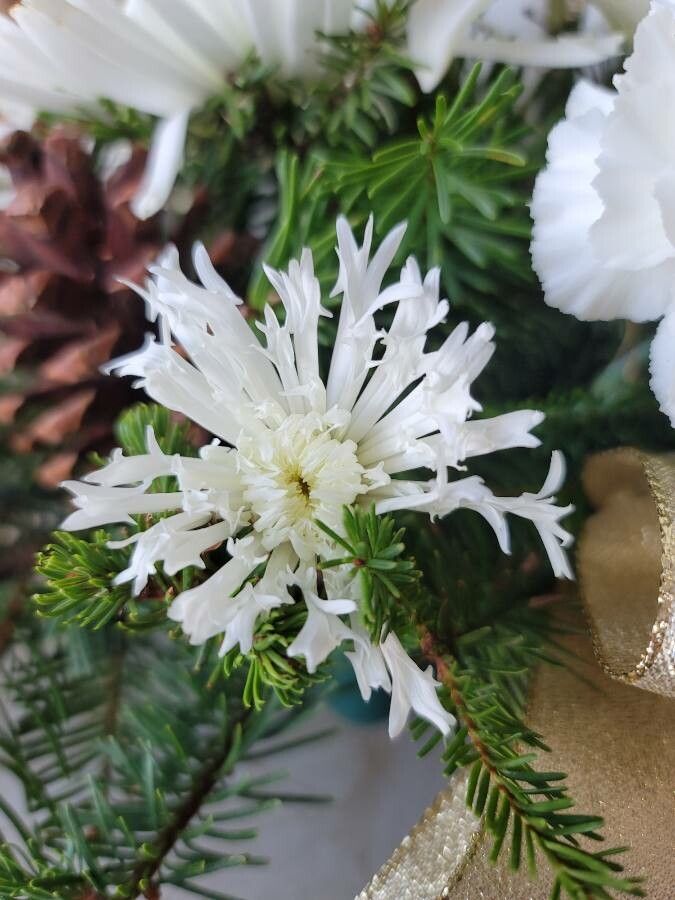
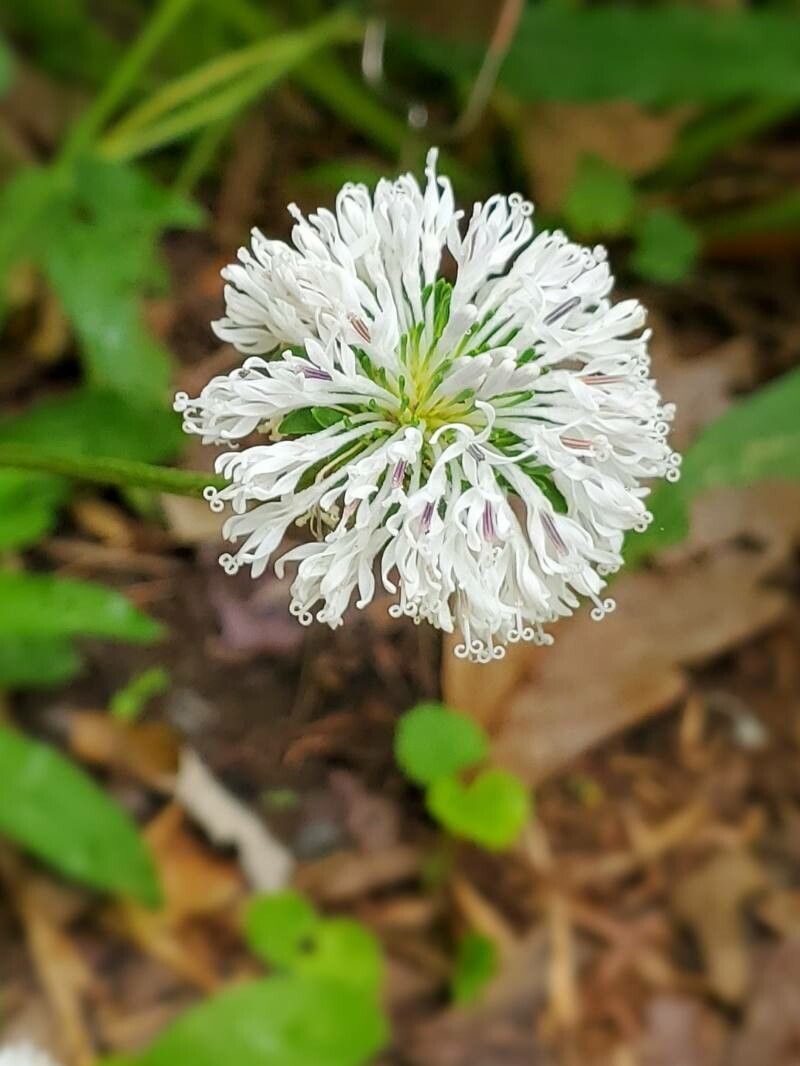
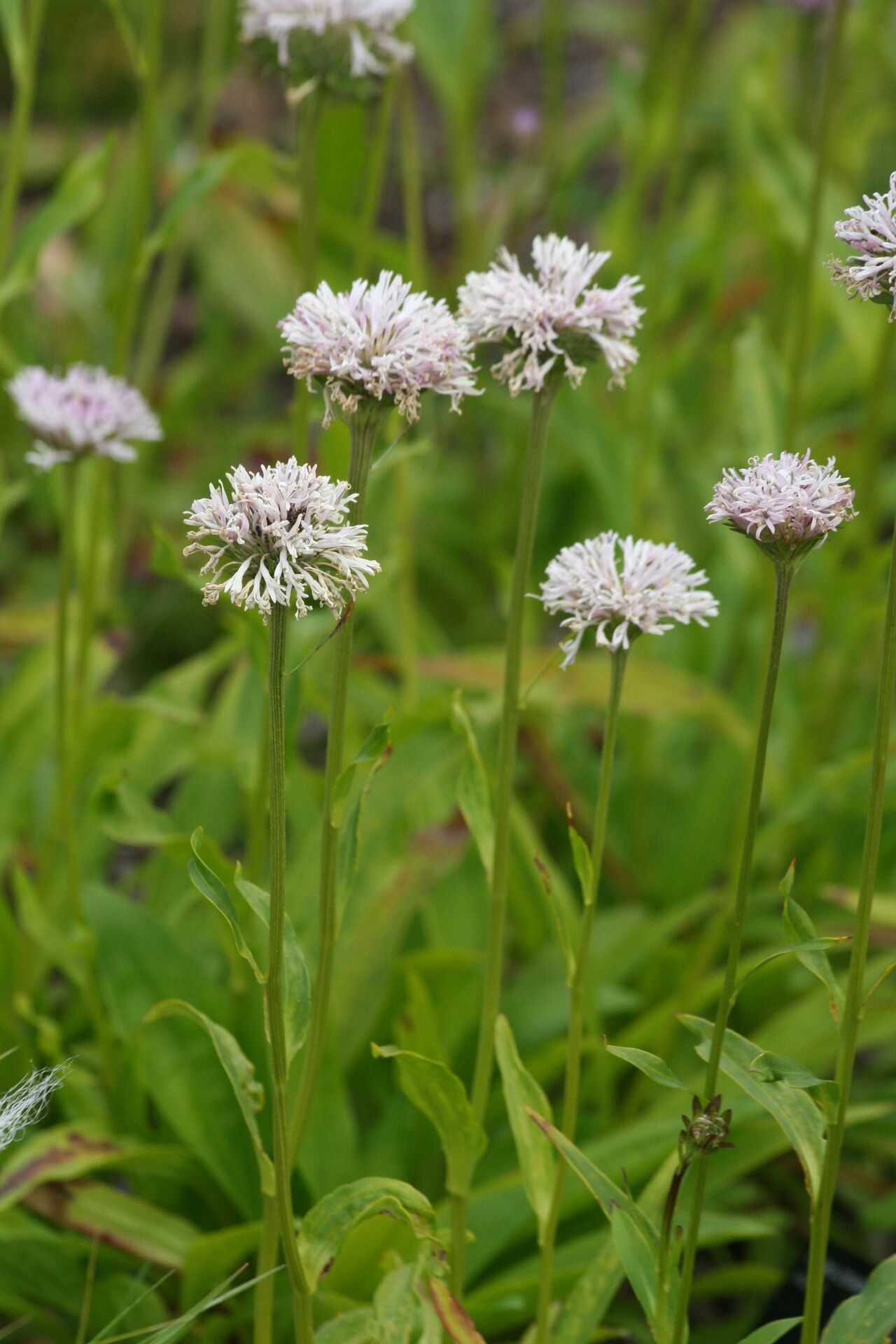
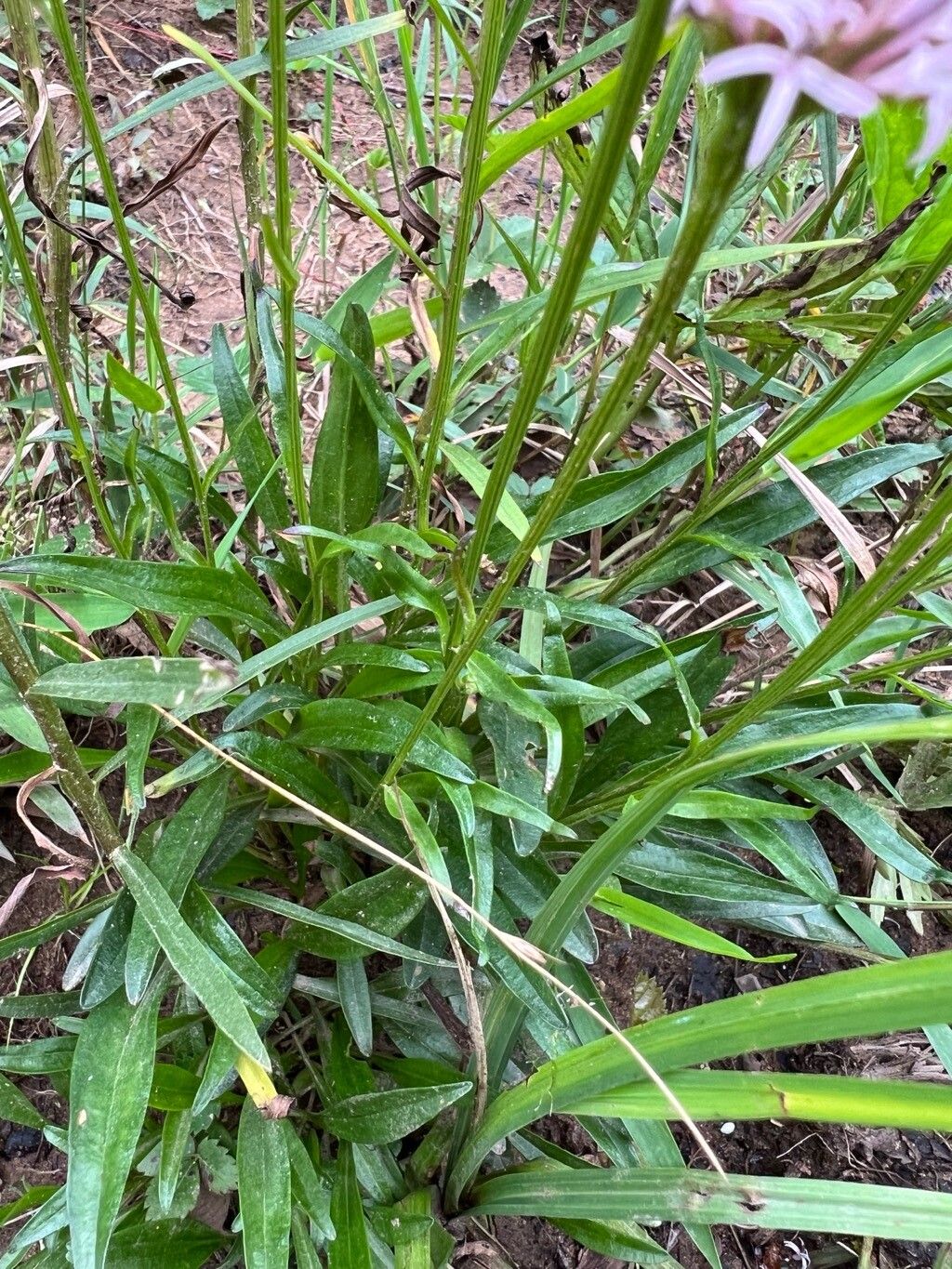
Marshallia caespitosa, commonly called puffballs is a species of plant in the family Asteraceae that is native to the south-central United States.
Puffballs has good resistance to diseases and is generally not prone to them. However, it can be affected by pests and diseases found in its environment, though these issues are typically not severe. Care-wise, this plant is of moderate maintenance. Regular pruning is necessary to keep a neat appearance and support healthy growth, and applying fertilizer can help encourage flowering. Puffballs is well suited for anyone with outdoor space, such as a garden or patio, and does not require extensive care experience. It may need more attention when grown indoors.
How to keep Marshallia Caespitosa.
Light
Puffballs require as much sun as possible, since sunlight is essential for healthy growth. They can also tolerate areas with less sun. Their native habitat resembles regions that receive plentiful sunlight. However, too much or too little sun can damage their growth.
Water
Puffballs originate from moist environments and prefer consistent hydration. They thrive in evenly moist soil, requiring weekly watering to keep the soil damp but not saturated. When grown outdoors in temperate regions, the growth of puffballs aligns with seasonal rainfall, needing less care during wetter periods.
Temperature
Puffballs can adapt to a wide range of temperature conditions, but its distribution may still be constrained by various combinations of water and heat. It does best in warm summer climates with sufficient rainfall or watering. Extended periods of cloudy, rainy weather or prolonged high temperatures can raise the risk of Puffballs dying. In winter, adequate protection from cold can increase the plant's survival rate.
Fertilizer
The best time to fertilize Puffballs is in early spring, as it comes out of dormancy and starts active growth. Fertilizing supplies essential nutrients for healthy development. Although Puffballs has relatively low fertilizer needs, applying fertilizer annually can improve its survival and encourage better, longer-lasting flowers.
Pruning
Puffballs are known for their compact growth and distinctive white flower heads. To maintain their health and appearance, it is best to prune them from early to late spring. Pruning during this time helps remove dead stems, encourages blooming, and prevents the plants from becoming overcrowded. Be sure to use clean, sharp tools, and make your cuts just above leaf nodes or at the base of stems for optimal growth and plant health.
Botanical profile.
- Plant Type
- Herb
- Life Cycle
- Perennial
- Genus
- Marshallia
- Family
- Asteraceae
- Hardiness Zone
- 5-9
- Mature Height
- 30 cm to 46 cm
- Mature Spread
- 30 cm
- Leaf Color
- Green, Dark Green
- Leaf Type
- Deciduous
- Flower Color
- White, Lavender
- Flower Size
- 2.03 cm to 3.30 cm
- Bloom Time
- Mid spring, Late spring, Early summer
- Planting Time
- Spring, Summer
- Harvest Time
- Summer
Other names.
Reader questions.
What are the sunlight requirements for Puffballs (Marshallia caespitosa)?
Puffballs, also known by its botanical name Marshallia caespitosa, requires full sun exposure of above 6 hours of sunlight per day for optimal growth. However, it can also tolerate partial sun conditions, defined as about 3-6 hours of sunlight daily. Ensuring your garden or growing space receives the correct amount of sunlight involves observing how light moves through the area throughout the day and selecting spots that provide a harmonious balance of light and shade to meet the needs of your plants.
What are the essential care tips for growing Puffballs indoors or outdoors?
Puffballs craves maximum sun exposure to thrive, which is vital for its healthy growth. For indoor plants, adequate lighting is crucial, especially when natural sunlight is insufficient. Artificial lights, such as LED lights, can be an effective solution, providing the necessary wavelengths of light for your plants. The ideal amount of artificial light varies based on plant needs: full sun plants require 30-50W/sq ft, partial sun plants need 20-30W/sq ft, and full shade plants need 10-20W/sq ft. Keeping artificial lights 12-36 inches above the plant and turning them on for 8-12 hours per day can mimic natural sunlight conditions, promoting better growth.
What are the signs of insufficient or excessive sunlight in Puffballs?
Symptoms of light deficiency in Puffballs include smaller new leaves, leggy or sparse growth, faster leaf drop, slower or halted growth, lighter-colored new leaves, and conditions like chlorosis and sunscald. Excessive sunlight can lead to leaf curling, wilting, and leaf scorching. These symptoms indicate the plant is not receiving the optimal light levels for its growth, either needing more sunlight or protection from excessive exposure.
How can I address sunlight-related issues with my Puffballs plant?
To address sunlight-related issues, gradually acclimate your Puffballs to the desired sunlight exposure. For indoor plants, moving them closer to a south-facing window or using artificial lighting can help achieve the necessary 6 hours of direct sunlight. Outdoors, finding the best spot that gradually introduces more sunlight over weeks can prevent sunburn. Reducing obstructions that block sunlight or transplanting the plant to a sunnier location can also help. It's important to note that while affected parts of the plant might not recover, new growth should be healthier with proper light exposure.