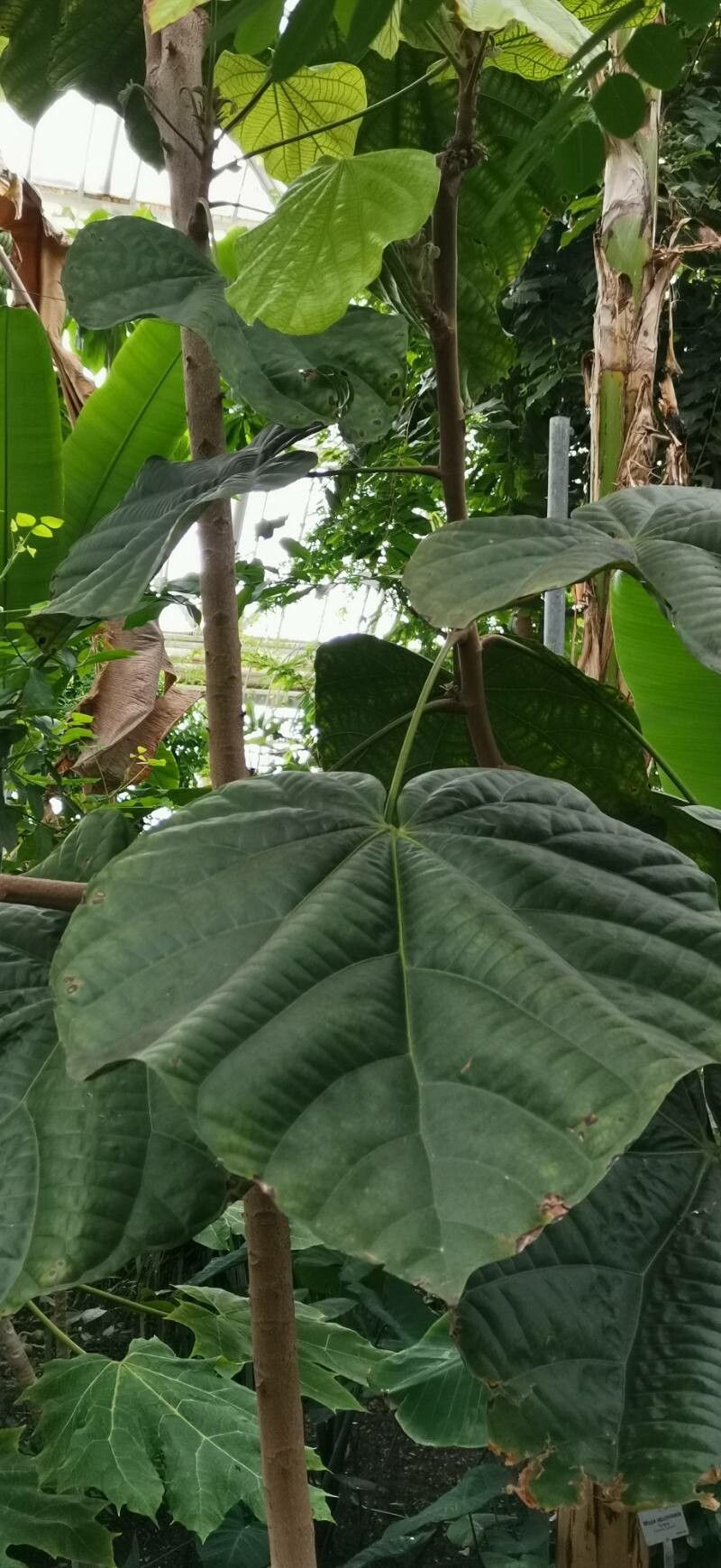
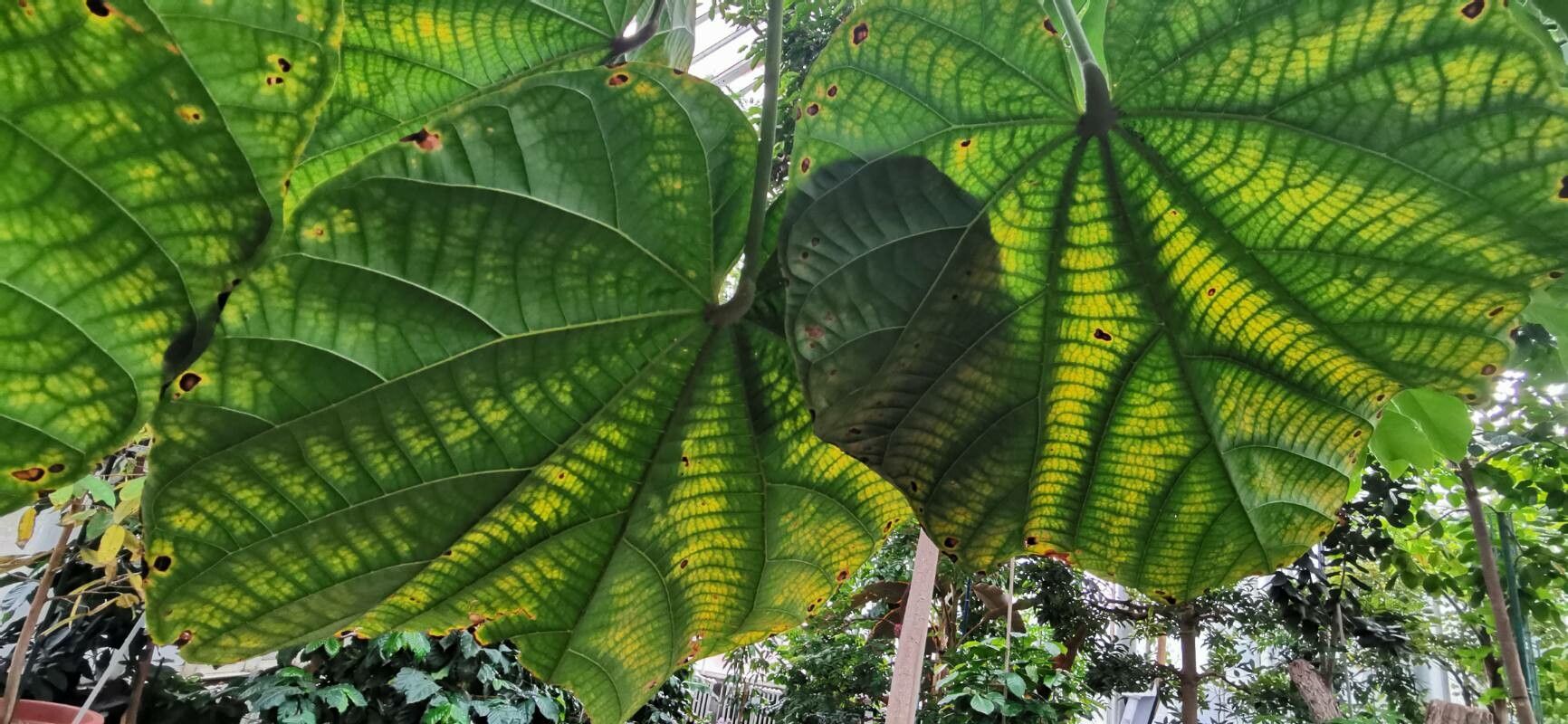
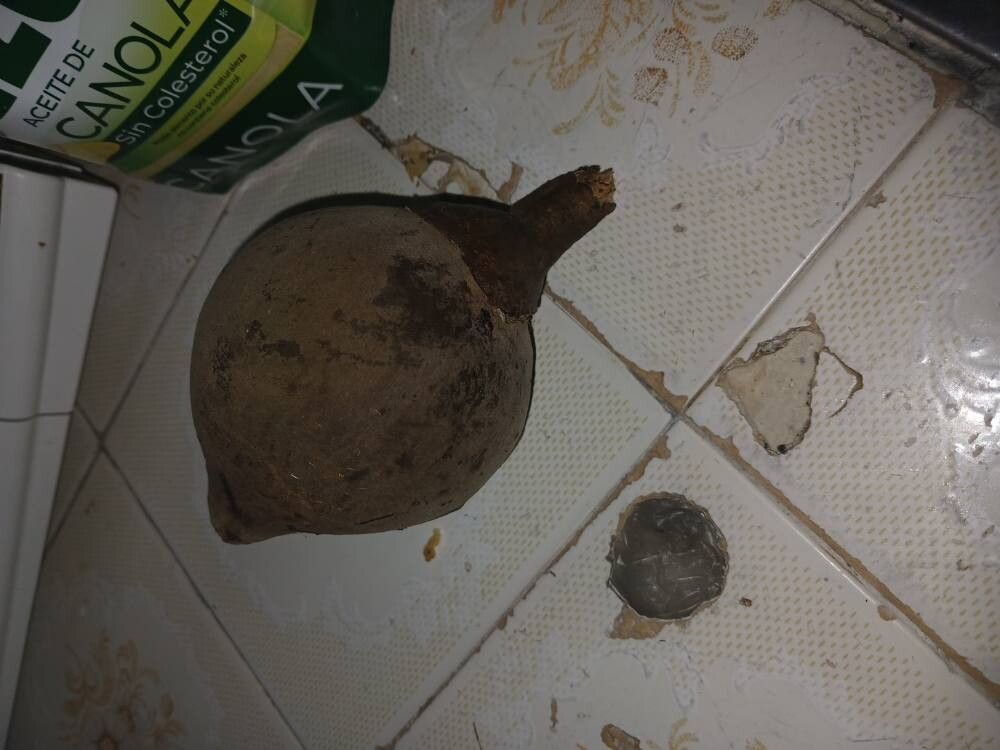
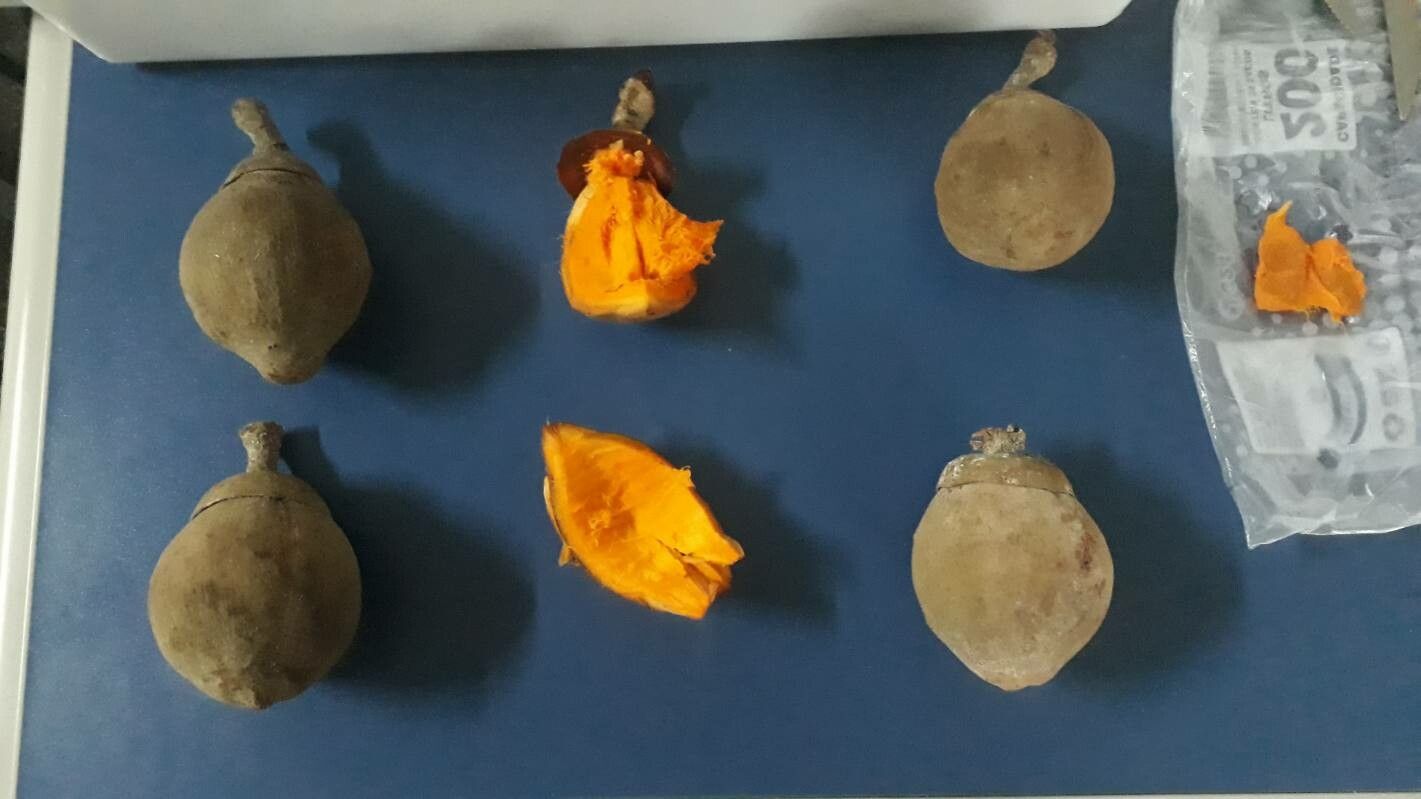
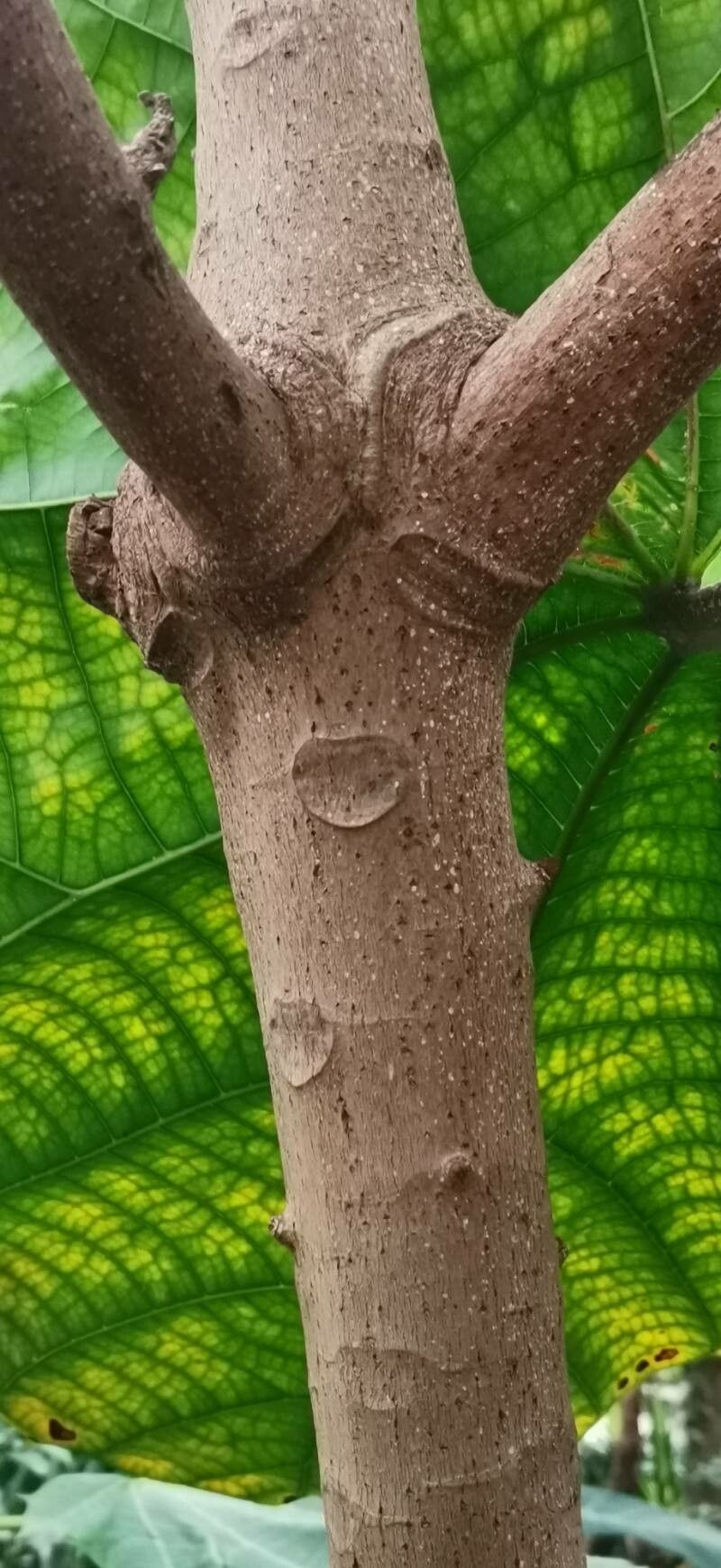
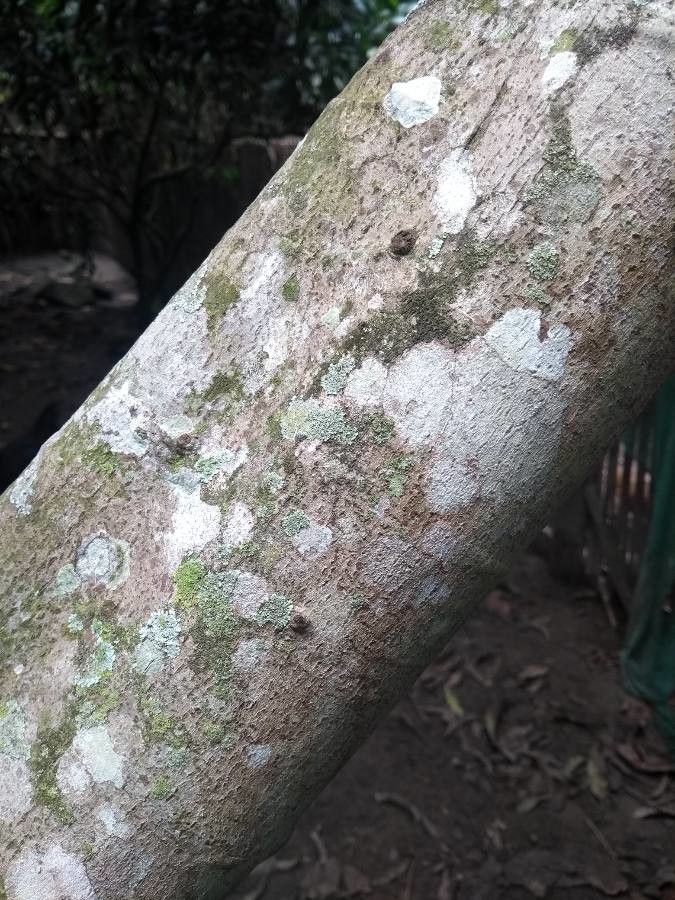
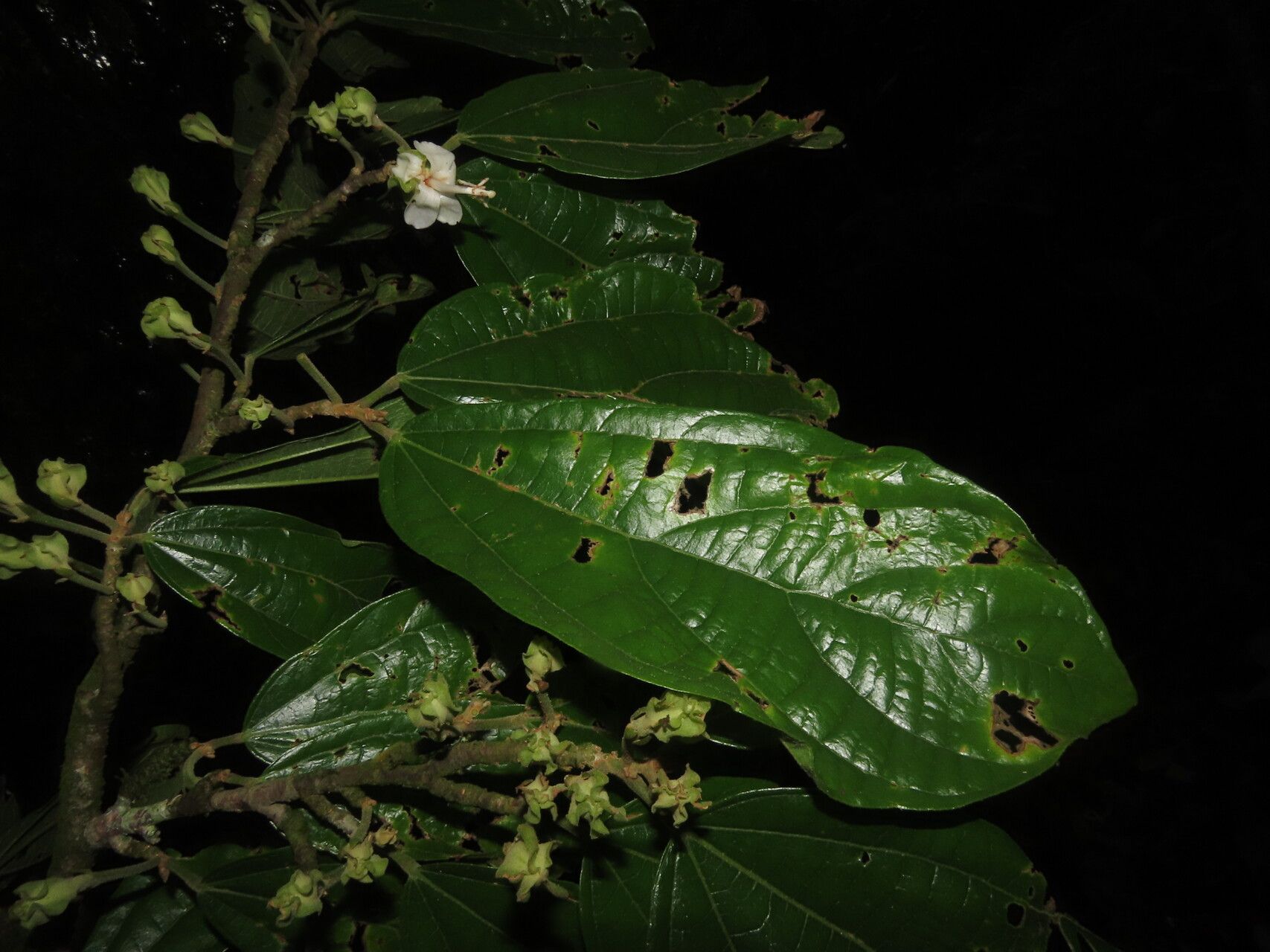
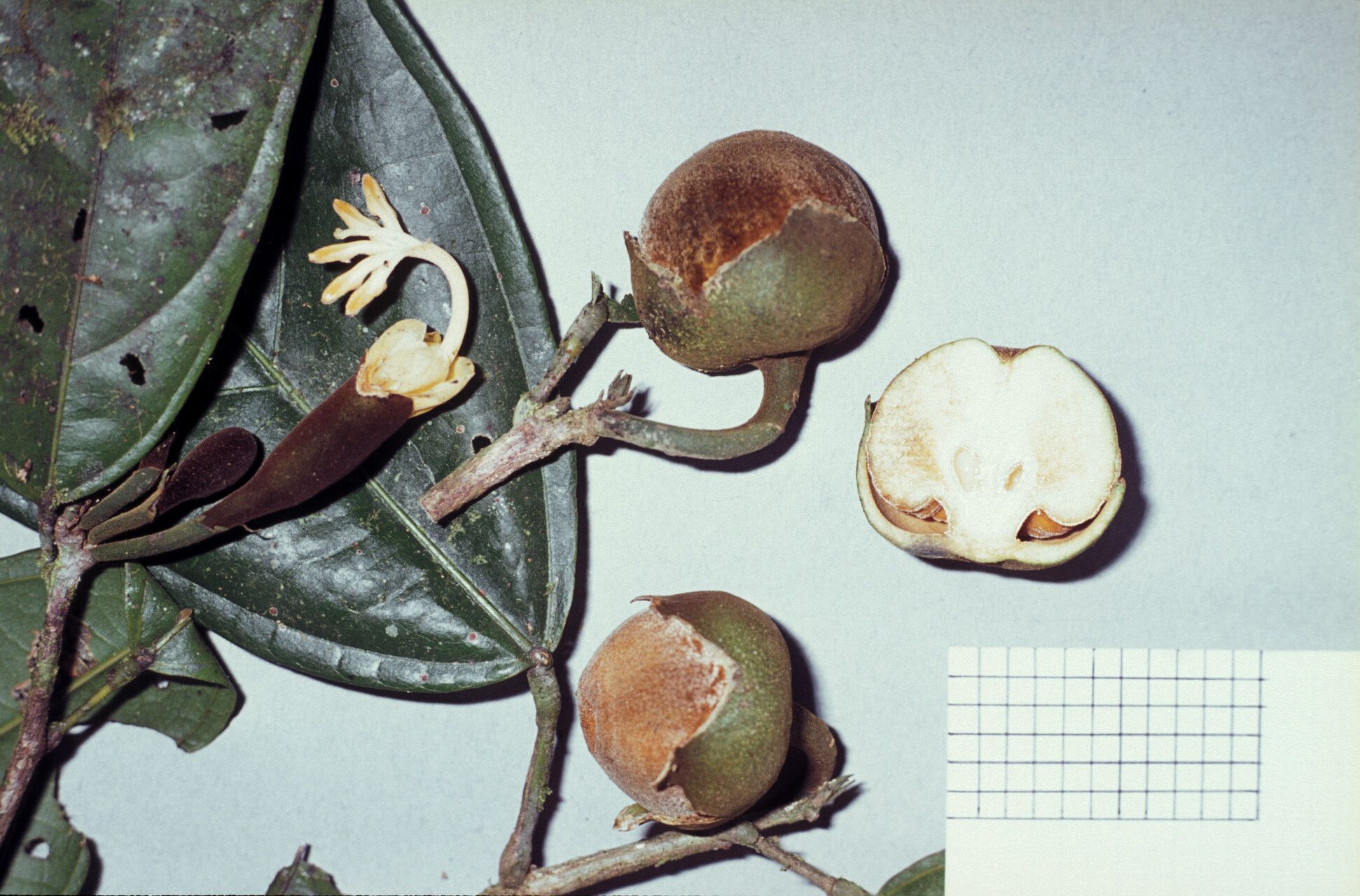
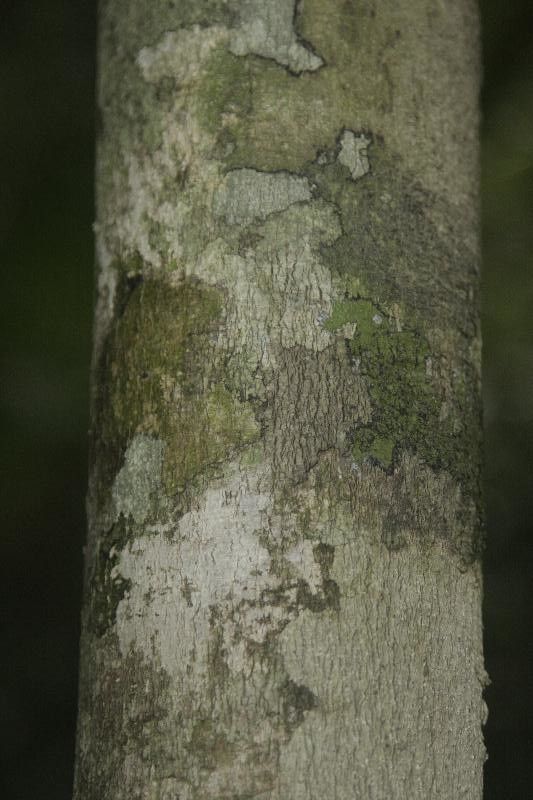
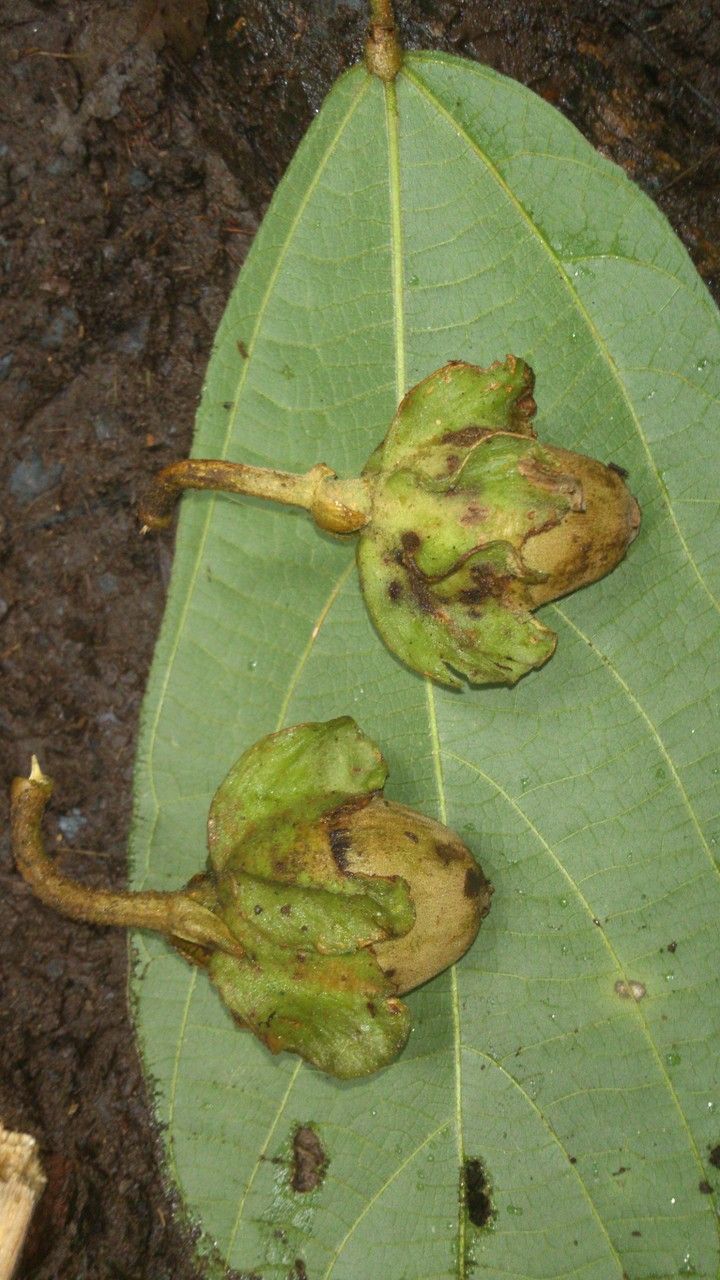
Matisia cordata, known as the South American sapote or chupa-chupa, is a large, semi-deciduous fruit tree reaching heights of up to 45 meters. It is native to the Amazon rainforest vegetation in Brazil, Colombia, Ecuador, and Peru.
Chupa sapote shows strong resistance to disease and is generally unlikely to be affected by illnesses. In terms of maintenance, this plant is fairly low‑maintenance. When grown outdoors it needs only light watering, and larger specimens usually do not require pruning. Smaller plants, however, should be pruned after they finish blooming. Chupa sapote is suitable for anyone who has outdoor space, such as a garden or a deck, and it does not demand much care experience.
How to keep Matisia Cordata.
Light
Chupa sapote is native to habitats like forest understories and rocky areas, where it grows under natural shade. It favors partial sun but can tolerate both full sun and full shade, showing that it is adaptable and hardy.
Temperature
Chupa sapote comes from tropical areas, where the climate is generally warm and humid. Consequently, it is adapted to high temperatures and humidity. It does not tolerate abrupt temperature changes and prefers a consistent thermal environment, so it's important to prevent indoor temperature fluctuations. It generally cannot endure cold and needs warmer conditions to grow. If the surrounding temperature becomes too low, the plant may stop growing or even die.
Fertilizer
Opt for organic fertilizers (e.g., fish emulsion or compost) rather than chemical ones for Chupa sapote. Give young plants increased nitrogen and phosphorus in spring. Mix compost or fertilizer into the soil before or after planting. For mature plants, apply a balanced fertilizer or one targeted to specific deficiencies in spring. Nutrient deficiency results in small leaves, short branches, yellow or bronze leaves, acidic fruits, premature fruit drop, and splitting.
Pruning
Chupa sapote benefits greatly from pruning in early spring. This process should concentrate on removing dead wood, thinning branches to improve air circulation, and shaping the tree as desired. Maintaining an open canopy enhances both fruit production and the tree's overall health. Additionally, timely pruning promotes growth and increases resistance to disease. To minimize stress on the tree, be sure to use sharp, clean tools.
Botanical profile.
- Plant Type
- Tree
- Life Cycle
- Perennial
- Genus
- Matisia
- Family
- Malvaceae
- Hardiness Zone
- 10-12
- Mature Height
- 20.12 m to 29.87 m
- Mature Spread
- 10.06 m to 14.94 m
- Leaf Color
- Dark Green
- Leaf Type
- Evergreen
- Flower Color
- Pink
- Flower Size
- 5.08 cm to 6.35 cm
- Bloom Time
- Late winter, Early spring, Mid spring
- Planting Time
- Spring, Summer, Autumn
- Harvest Time
- Late spring, Early summer, Mid summer
- Native Area
- Colombia, Honduras, Bolivia, Peru, Brazil, Ecuador, Costa Rica, Panama
Other names.