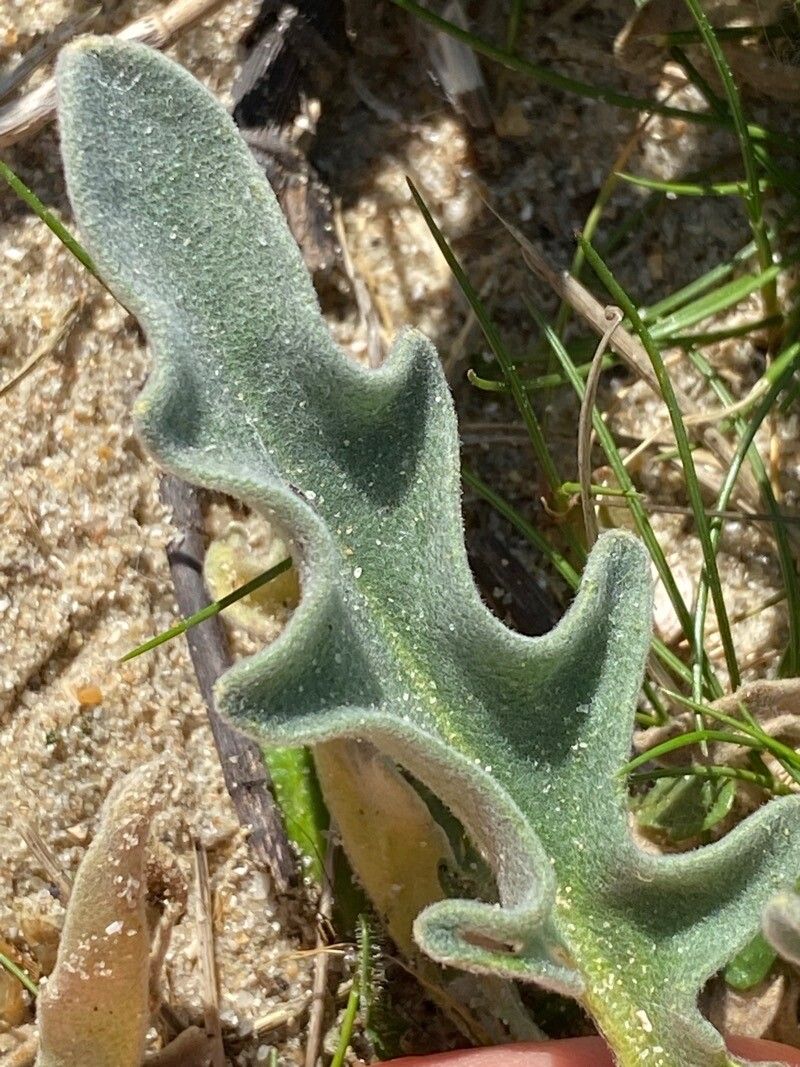
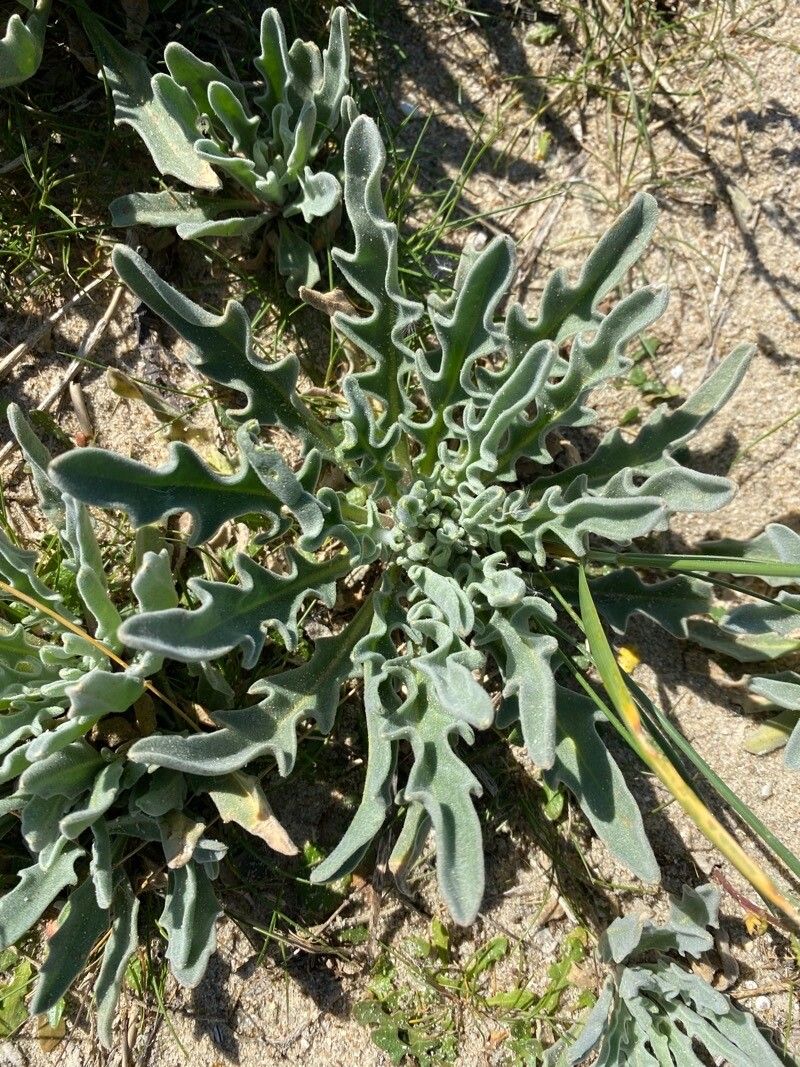
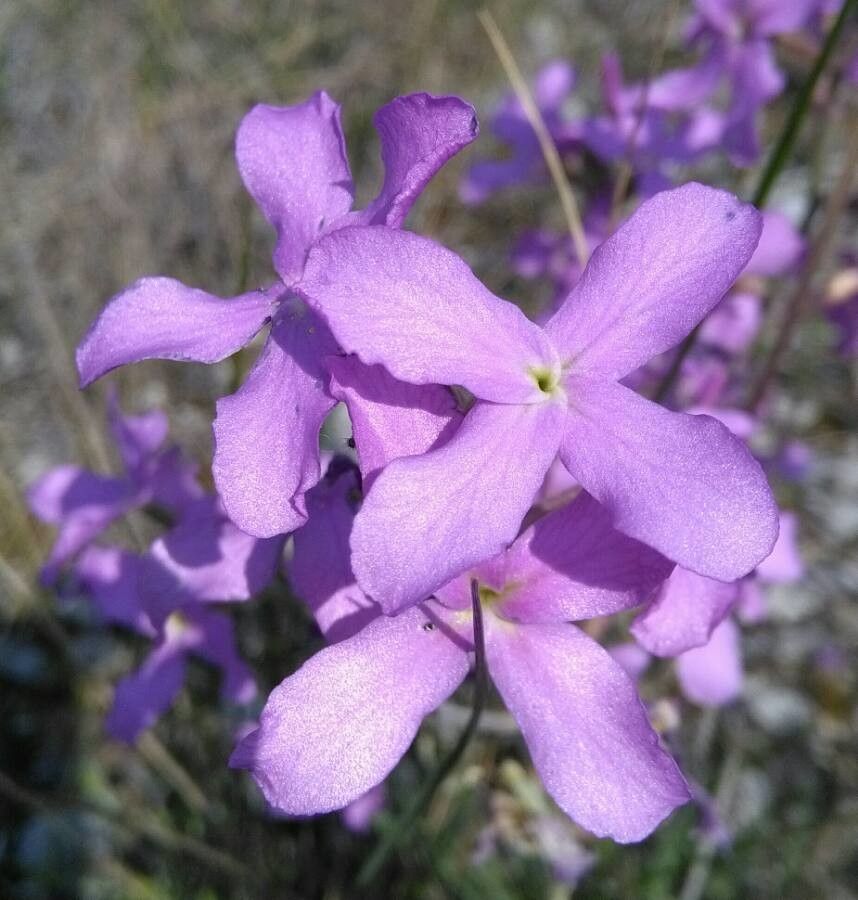
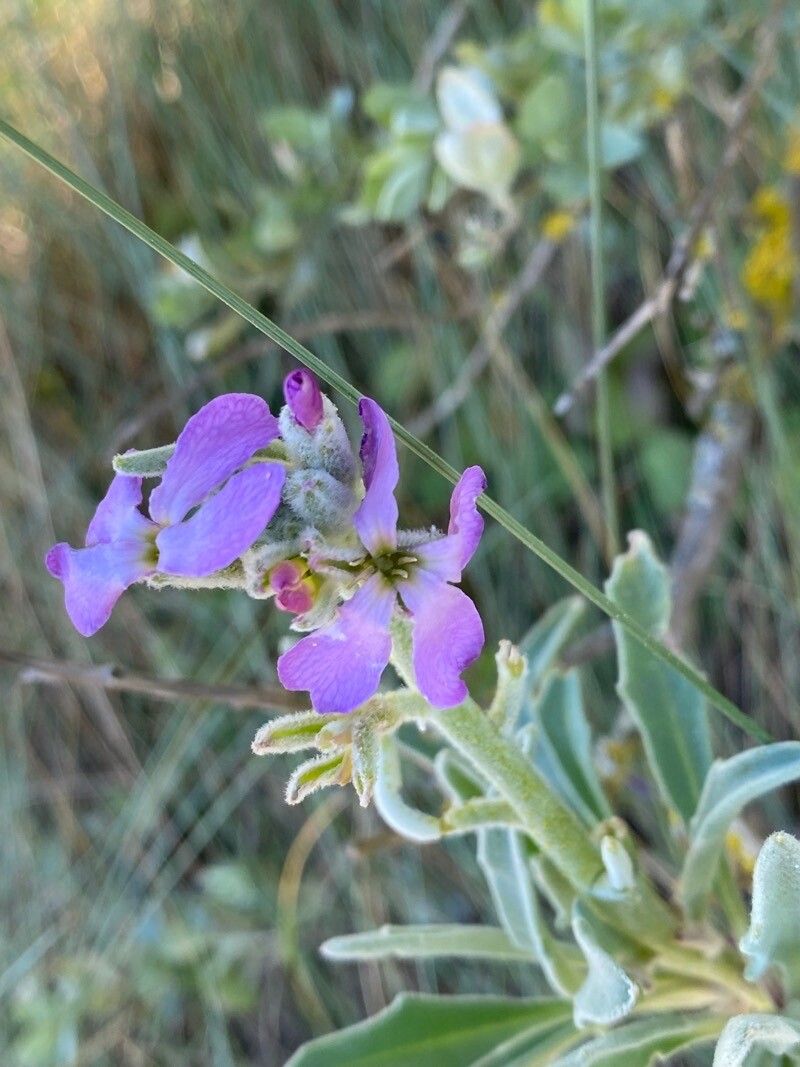
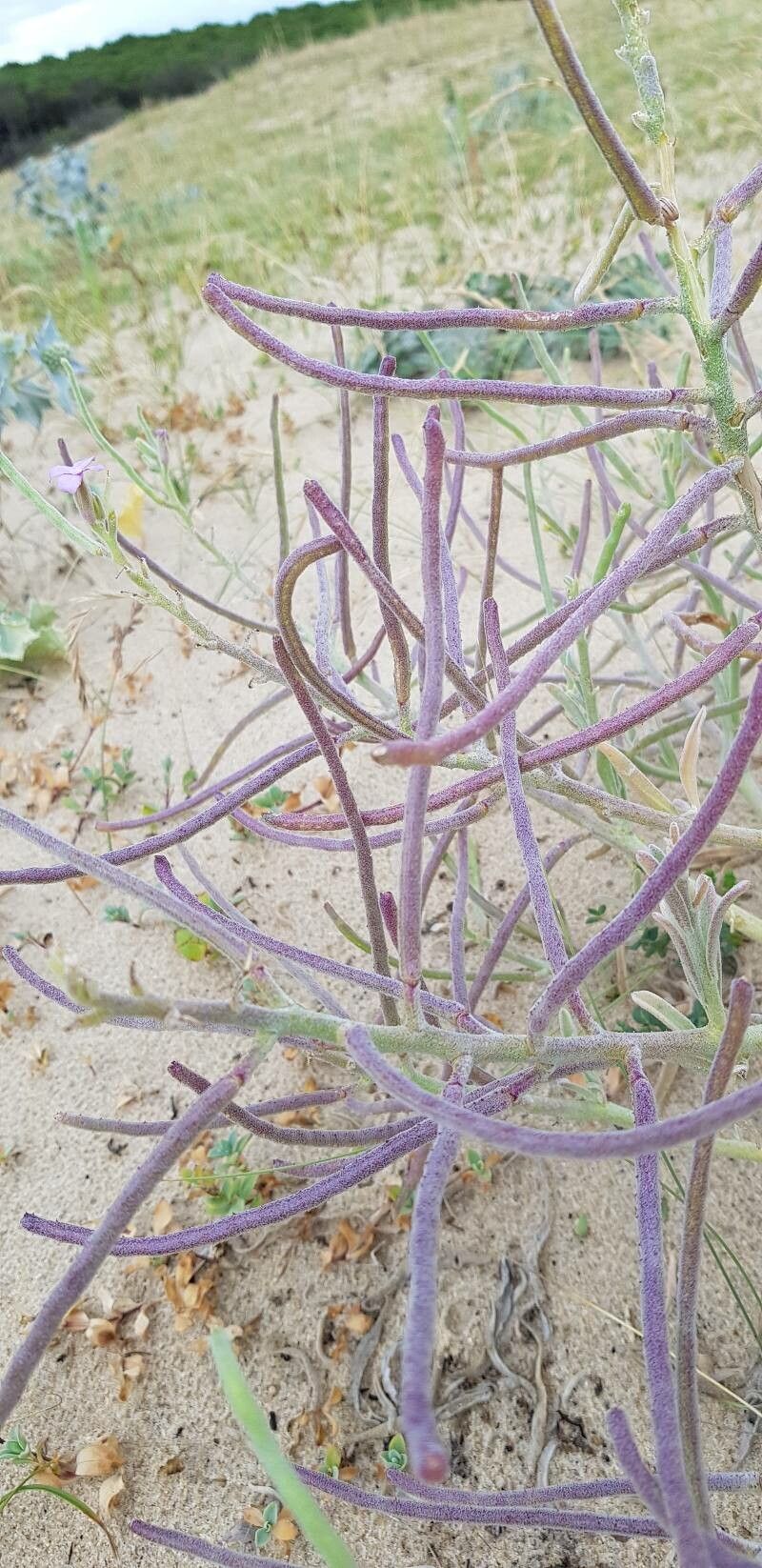
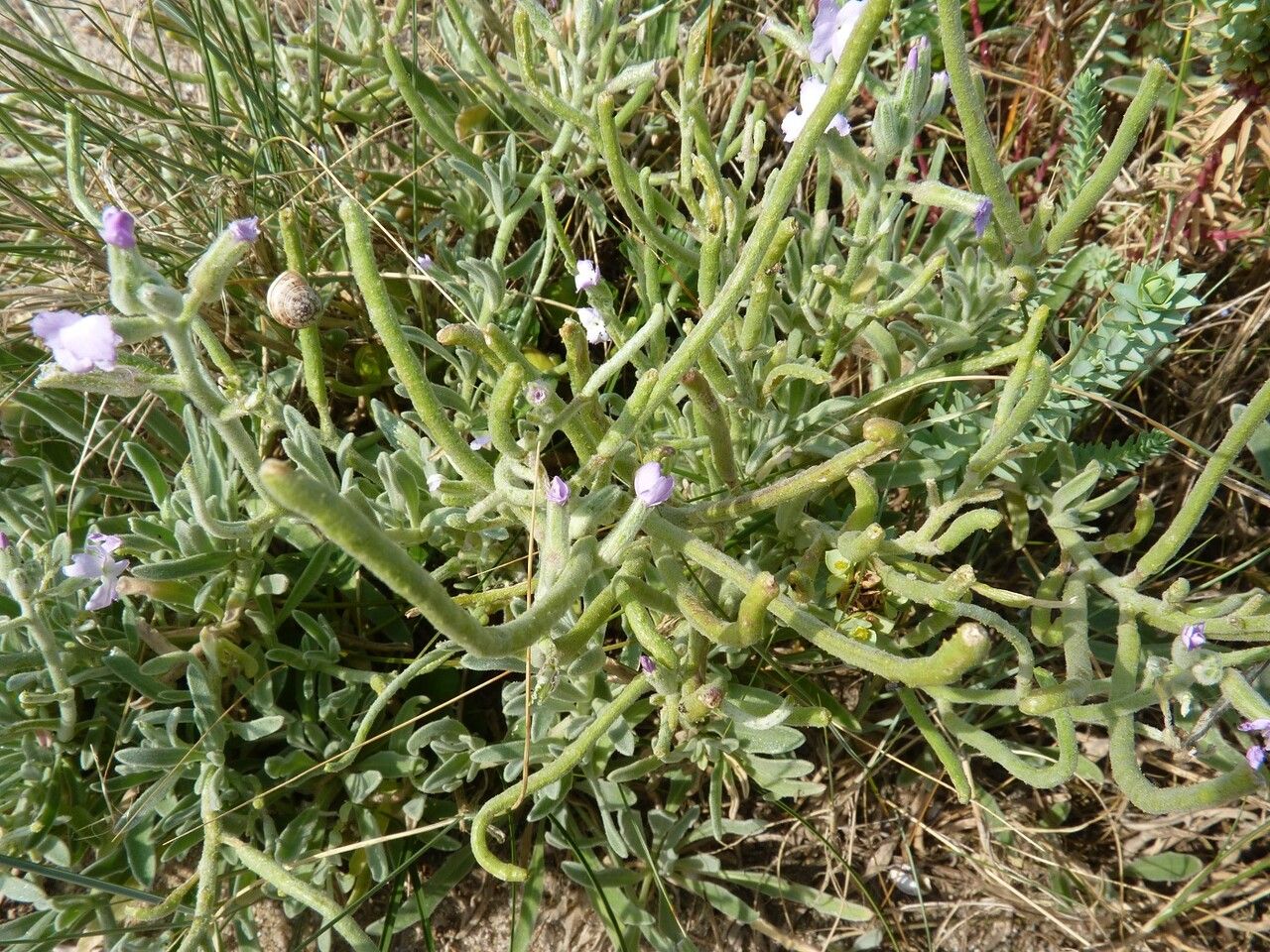
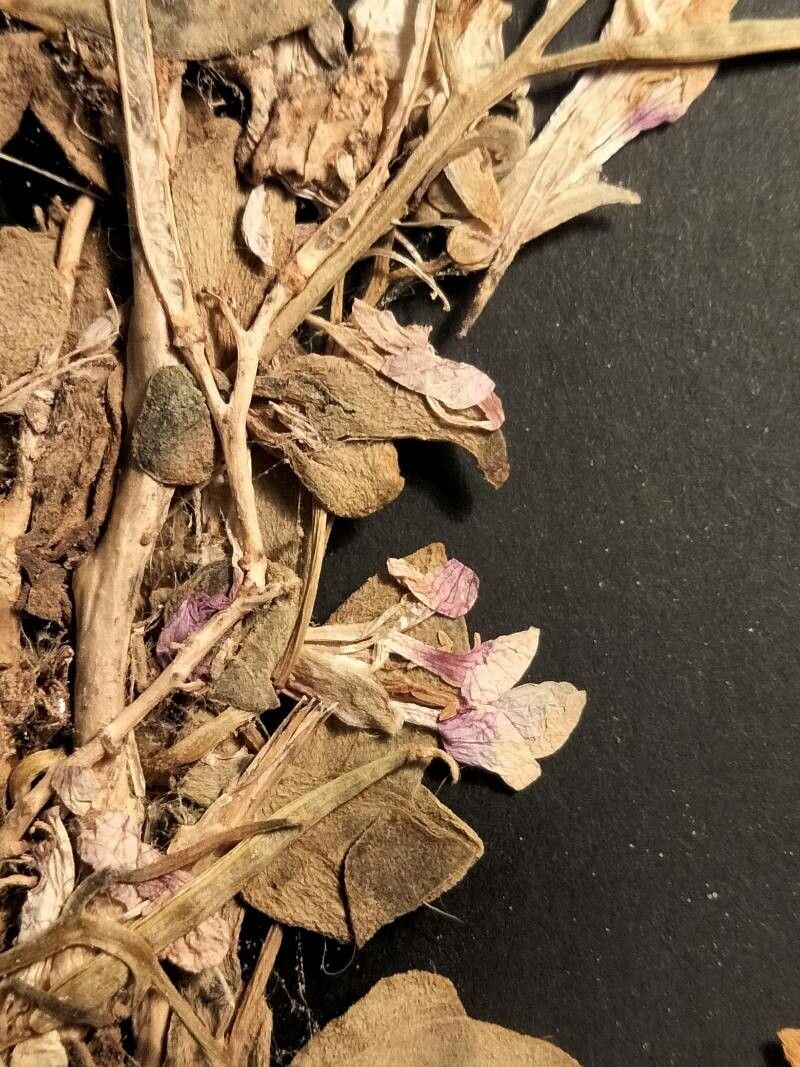
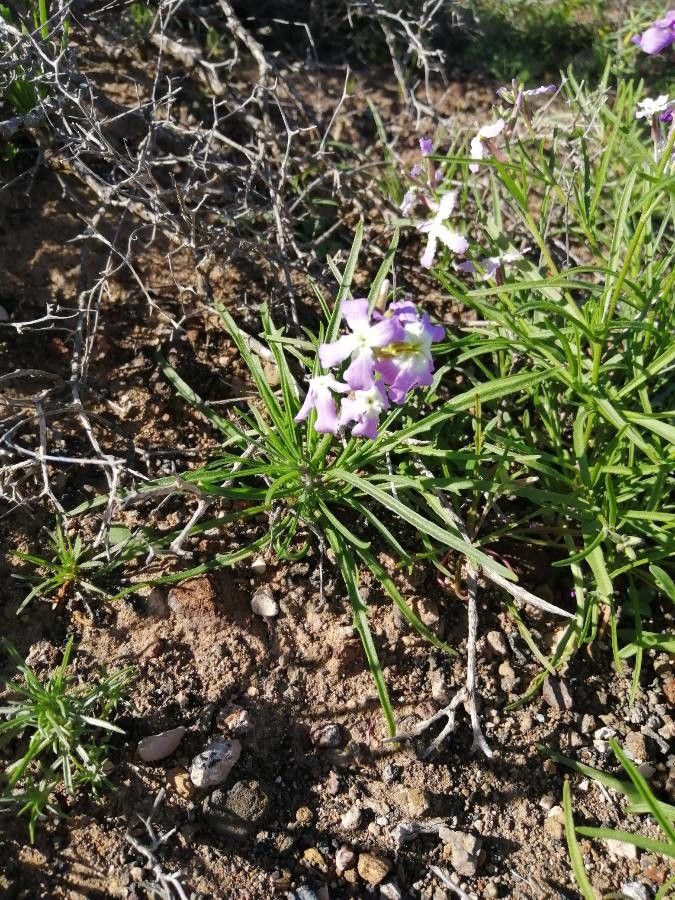
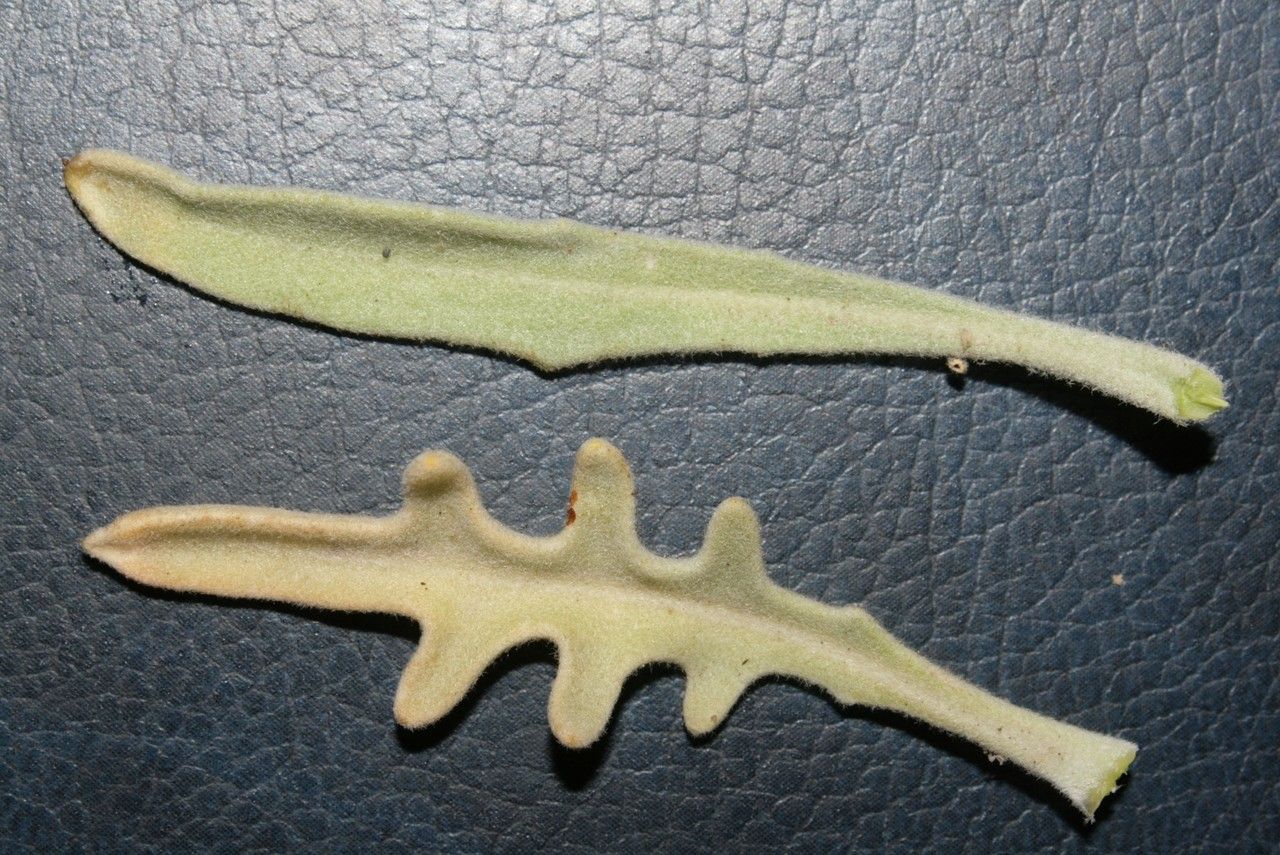
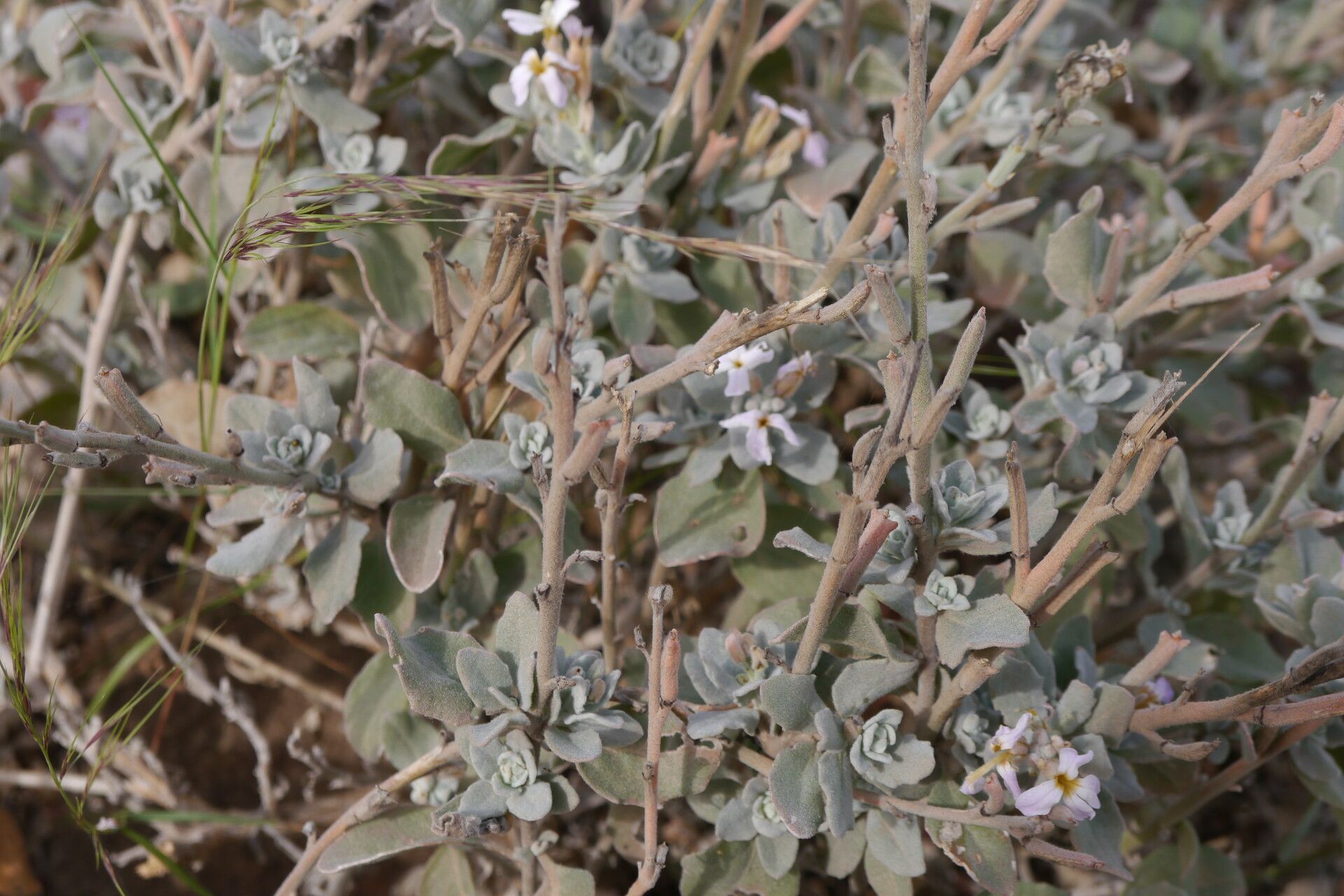
Matthiola sinuata, commonly known as the Wavy-leaved Matthiola, is a flowering plant belonging to the Brassicaceae family. Native to the Mediterranean region, it is found in countries such as Greece, Turkey, and Syria. This plant can grow up to 60 cm in height and features wavy-edged, gray-green leaves. The flowers are fragrant and come in shades of pink, purple, or white with a yellow center, blooming from late spring through summer.
Often cultivated as an ornamental plant, Matthiola sinuata is prized for its attractive flowers and pleasant fragrance. It thrives in well-drained soil with full sun exposure but can also tolerate partial shade. During its growing season, the plant requires regular watering but should be allowed to dry out between sessions.
Beyond its ornamental appeal, Matthiola sinuata has been used for medicinal purposes by traditional healers for centuries due to its anti-inflammatory properties. These properties make it useful for treating skin conditions such as eczema and psoriasis.
In summary, Matthiola sinuata is a beautiful flowering plant that adds color and fragrance to any garden. It also offers potential medicinal benefits when used appropriately by trained professionals.
Sea stock is fairly resistant to disease and typically does not suffer from many illnesses. Still, it can be vulnerable to pests and diseases present in its environment. Such infections are generally mild. Regarding upkeep, this plant needs a moderate level of care. It should be pruned regularly to preserve its appearance and encourage healthy growth. Applying fertilizer can also support better flowering. Sea stock is a good choice for anyone with outdoor areas like a garden or patio and does not demand extensive gardening experience. It may need extra attention when cultivated indoors.
How to keep Matthiola Sinuata.
Light
The native habitat of sea stock is marked by plentiful sunlight. It does best with strong light, achieving optimal growth. It can still survive in places where sunlight is somewhat reduced, as long as it is not completely absent. Too much shade or excessive sunlight can upset this balance and harm its health.
Water
Sea stock flourishes in coastal environments and requires a moderate tolerance to drought. It needs to be watered weekly and thrives best in full sunlight. To prevent root rot, it should be planted in well-draining soil. Maintaining proper hydration is crucial, but care should be taken to avoid waterlogging, as this plant is adapted to its native saline and dry conditions.
Temperature
Sea stock can tolerate a wide range of temperatures, but its distribution can still be restricted by particular combinations of moisture and heat. It does best in warm summer conditions with sufficient rainfall or irrigation. Extended periods of cloudy, rainy weather, as well as prolonged high temperatures, can raise the chance of Sea stock dying. In winter, adequate protection from cold can increase the plant's survival rate.
Fertilizer
Sea stock requires regular fertilization to encourage flowering, but not in large amounts. It needs light, frequent doses of fertilizer throughout its entire life cycle, especially during the peak period of active growth and while it is flowering. You will feed your Sea stock until they stop blooming.
Pruning
Sea stock, cherished for its fragrant flowers, flourishes when pruned in early spring. Essential practices include removing dead stems, trimming spent flowers, and thinning the interior to improve air circulation. These steps foster health, encourage new growth, and produce vibrant blooms, ultimately ensuring a strong garden structure.
Botanical profile.
- Plant Type
- Herb
- Life Cycle
- Biennial
- Genus
- Matthiola
- Family
- Brassicaceae
- Hardiness Zone
- 7-10
- Mature Height
- 61 cm
- Mature Spread
- 20 cm to 30 cm
- Leaf Color
- Gray, Light Green
- Leaf Type
- Deciduous
- Flower Color
- Purple
- Flower Size
- 3.05 cm
- Bloom Time
- Mid spring, Late spring, Early summer
- Planting Time
- Spring, Summer, Autumn, Winter
- Harvest Time
- Summer
Other names.
Reader questions.
What are the sunlight requirements for Sea stock?
Sea stock (Matthiola sinuata) thrives in environments with substantial sunlight exposure. It requires full sun, defined as above 6 hours of direct sunlight per day, to reach an optimal state of growth. However, it can also survive in conditions of partial sun, which entails about 3-6 hours of sunlight per day. Properly observing how sunlight moves through your garden and choosing locations that offer a balance of light and shade are crucial for the plant's health. Areas with excessive shade or overexposure to sunlight can negatively affect the plant's well-being.
What is Sea stock?
Sea stock, with its botanical name Matthiola sinuata, is a plant recognized for its distinctive characteristics and botanical relevance. Despite not having detailed information about its essentials, symptoms, or additional aspects provided, Sea stock remains noteworthy within botanical circles primarily for its unique botanical name and the intrigue it sparks among enthusiasts and scholars alike.
What are the symptoms of inadequate light for Sea stock?
When Sea stock is grown indoors or in conditions of inadequate light, it may exhibit several symptoms indicative of light deficiency. These include smaller new leaves, leggy or sparse growth, faster leaf drop, slower or stopped growth, lighter-colored new leaves, chlorosis (leaves turning yellow due to the breakdown of chlorophyll), sunscald (damage from intense sunlight), leaf curling (a defense mechanism against excessive sunlight), wilting (loss of turgor pressure), and leaf scorching (brown, dry edges on leaves). These symptoms highlight the plant's struggle to adapt to insufficient sunlight.
What solutions are available for Sea stock experiencing inadequate light?
To combat inadequate light exposure for Sea stock, several strategies can be employed, both indoor and outdoor. Indoors, it's advisable to gradually move plants to sunnier locations until they receive at least 6 hours of direct sunlight daily, keeping them near south-facing windows with curtains open during daylight. If moving the plant isn't feasible, consider using artificial lighting, ensuring to keep lamps on for about 8 hours daily or investing in professional plant grow lights. Outdoors, gently acclimate plants to sunnier spots by gradually relocating them each week. Remember, while parts of the plant already damaged by insufficient light may not recover, new growth should be healthy with improved light conditions. Ground plants benefit from reducing obstructions such as overhanging tree branches and, if possible, transplanting to areas with better sunlight and drainage during the plant's dormant period.
How do artificial lights support Sea stock growth indoors?
Artificial lighting is essential for Sea stock growth indoors, especially when natural sunlight is insufficient, like in winter or less sunny spaces. LED lights, being customizable to provide specific wavelengths of light, are a popular choice. The right amount of artificial light varies by plant type - full sun plants require 30-50W/square foot, partial sun plants 20-30W/square foot, and full shade plants 10-20W/square foot. The light source should be placed 12-36 inches above the plant to mimic natural sunlight conditions, with most plants needing 8-12 hours of light per day. Following these guidelines promotes faster, healthier growth and compensates for the lack of natural sunlight.